Aging Fast After 30? Balance Your Hormones with These 5 Superfoods
Health 06/04/2026 17:18
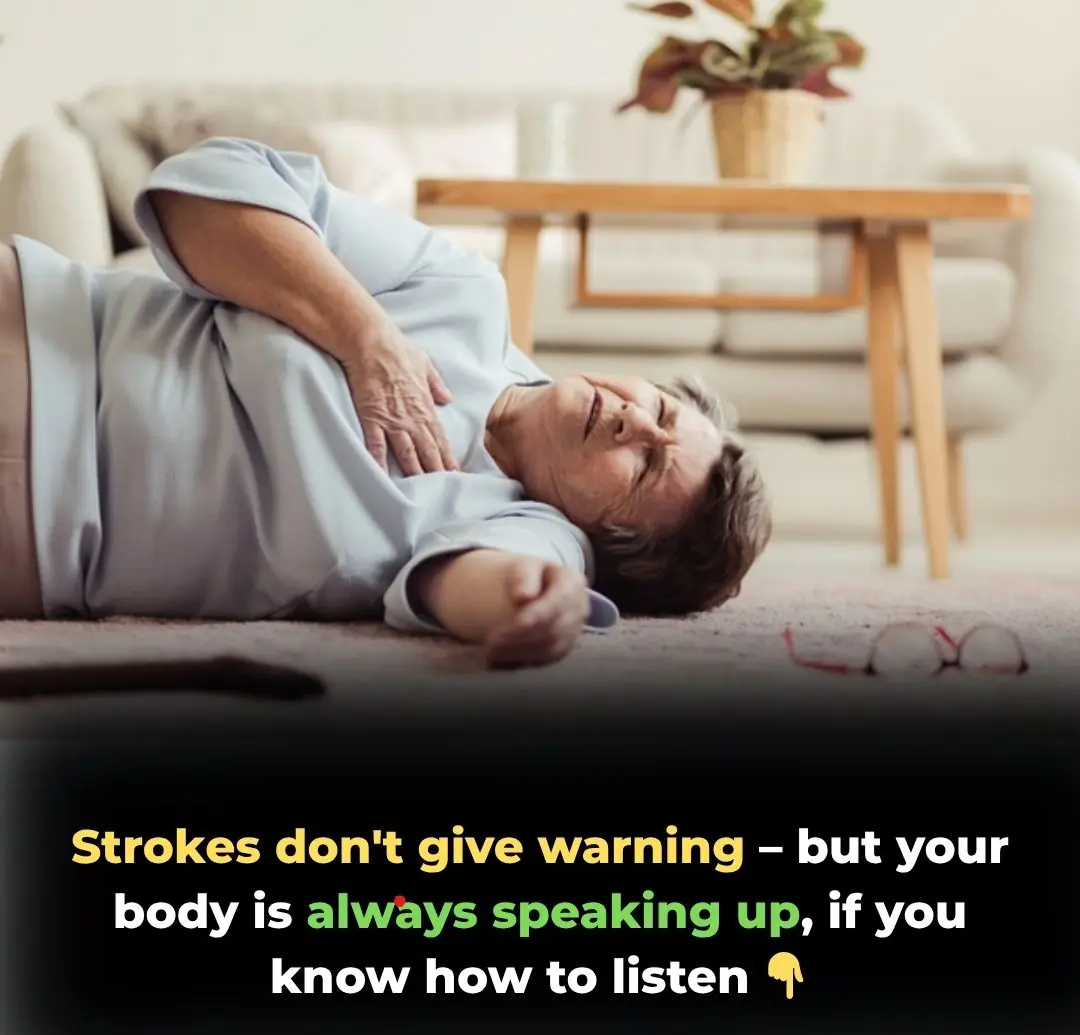
Recognizing the early warning signs of a stroke can be the difference between full recovery and permanent disability—or even life and death. A stroke occurs when blood flow to the brain is interrupted, causing brain cells to die rapidly.
In the medical world, we say "Time is Brain." Here is everything you need to know about identifying a stroke before it’s too late.
The most effective way to remember stroke symptoms is the BE FAST acronym. If you or someone around you exhibits even one of these signs, call emergency services immediately.
B - Balance: Sudden loss of balance or coordination. Is the person staggering or feeling dizzy?
E - Eyes: Sudden vision changes. This could be blurred vision, double vision, or a complete loss of sight in one or both eyes.
F - Face Drooping: Does one side of the face sag or feel numb? Ask the person to smile to see if it is uneven.
A - Arm Weakness: Sudden numbness or weakness in one arm. Ask the person to raise both arms. Does one drift downward?
S - Speech Difficulty: Is their speech slurred or strange? Are they unable to speak or difficult to understand?
T - Time to Call 911: If any of these symptoms are present, do not wait. Note the time the symptoms first appeared and get medical help instantly.
While "BE FAST" covers the most common signs, strokes can also manifest through:
Sudden Severe Headache: Often described as the "worst headache of your life" with no known cause.
Confusion: Sudden trouble understanding things or disorientation.
Numbness: A sudden "pins and needles" feeling or loss of sensation, usually on only one side of the body.
A Transient Ischemic Attack (TIA) is a temporary blockage of blood flow to the brain. The symptoms are identical to a full stroke but usually last only a few minutes.
Warning: Never ignore a TIA. It is often a "warning stroke" that a major, more damaging stroke is coming soon. Treatment for a TIA can prevent a future permanent stroke.
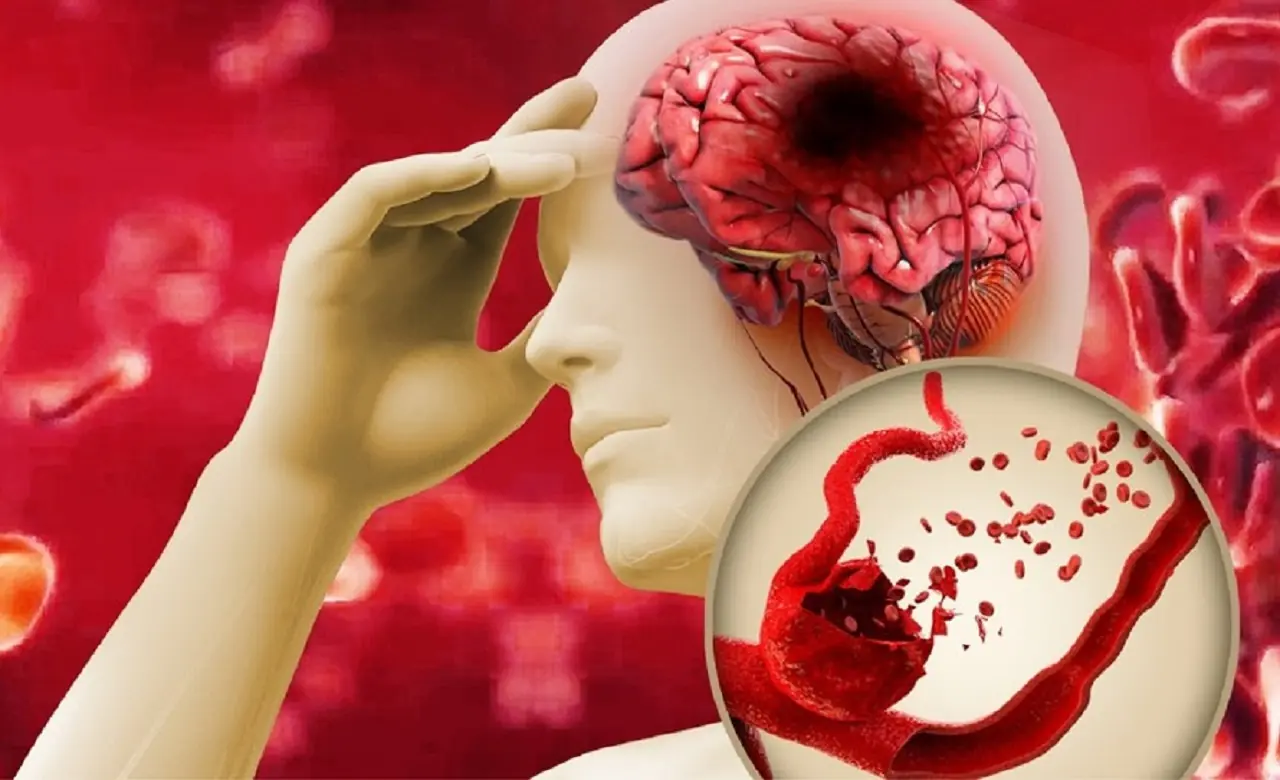
Understanding your risk can help with prevention. Key factors include:
High Blood Pressure: The leading cause of stroke.
Diabetes: High blood sugar damages brain blood vessels.
Lifestyle: Smoking, high cholesterol, and physical inactivity.
Atrial Fibrillation (AFib): An irregular heartbeat that can cause blood clots to travel to the brain.
A stroke is a medical emergency. If you notice facial drooping, arm weakness, or speech difficulty, do not go to sleep or wait for the symptoms to pass.
Call emergency services immediately. Early intervention with clot-busting drugs (like tPA) or mechanical procedures can significantly improve recovery outcomes.