Waking Up Between 3 and 5 AM May Be a Sign of Spiritual Awakening
Health 03/04/2026 13:17
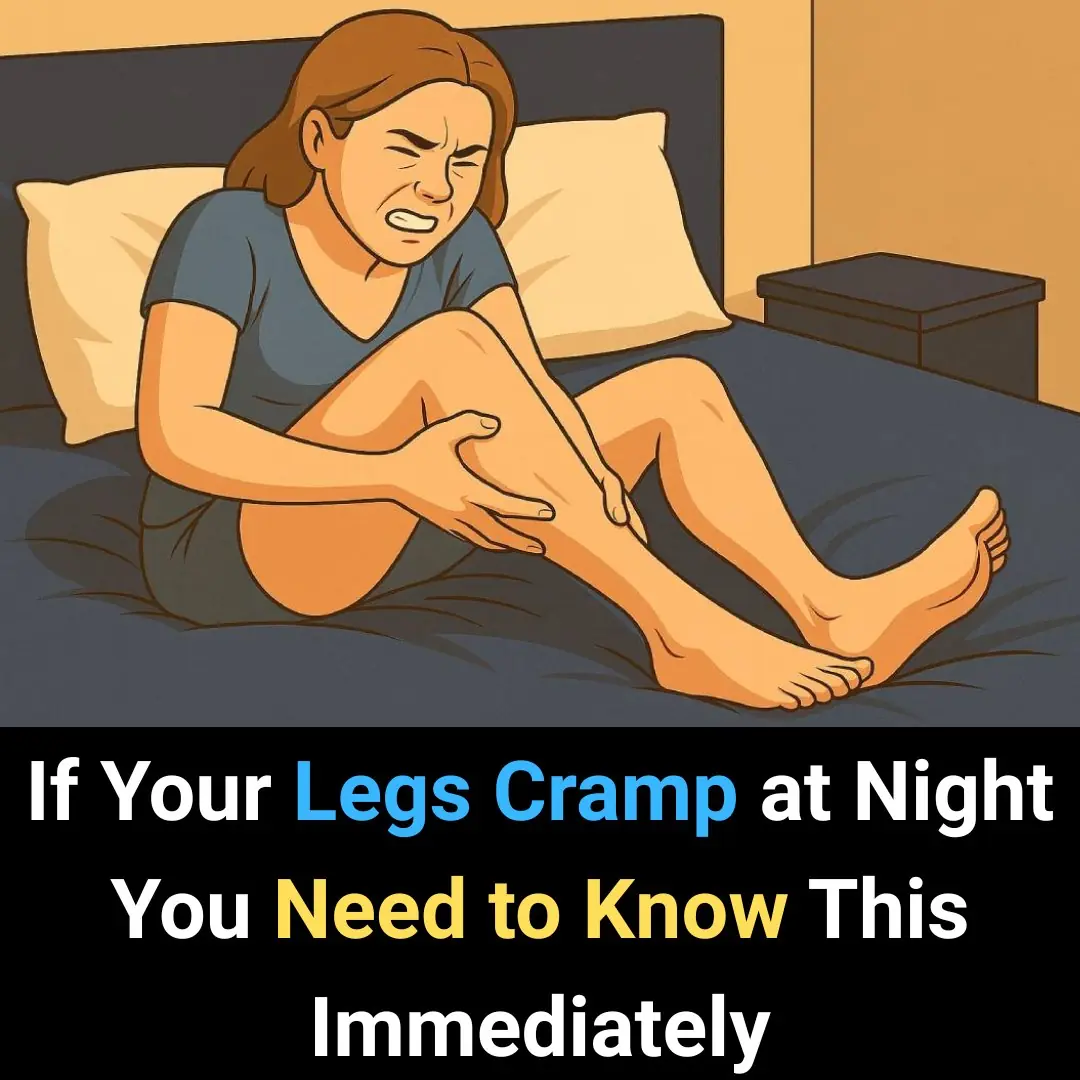
Nighttime leg cramps, also known as nocturnal leg cramps, are sudden, involuntary contractions of the muscles in your legs, usually occurring while you’re asleep or resting. While they are often harmless, they can sometimes indicate an underlying health issue.
These cramps typically involve the calf muscles, though they can also affect the thighs or feet. They cause a sharp, intense pain and a sensation of the muscle being "knotted." The pain can last from a few seconds to several minutes, and the muscle may remain sore for some time afterward.
Muscle Overexertion: Intensive exercise or standing for long periods.
Sedentary Lifestyle: Lack of movement during the day can cause muscles to stiffen.
Dehydration: Not drinking enough fluids can lead to electrolyte imbalances.
Age: They become more frequent as people get older.
Pregnancy: Changes in blood circulation and pressure on nerves can trigger cramps.
While most leg cramps are just a nuisance, you should consult a doctor if you experience the following:
Severe and Persistent Pain: If the cramp is so painful that it prevents you from sleeping at all.
Swelling or Redness: If the cramped area shows signs of inflammation, swelling, or skin changes.
Muscle Weakness: If the cramps are accompanied by weakness in the leg.
Frequency: If they happen very often and disrupt your daily life.
Toxin Exposure: If cramps start after exposure to toxins like lead or mercury.
Stretching: Flex your foot upward toward your shin to stretch the calf muscle.
Hydration: Drink plenty of water throughout the day.
Warmth/Cold: Use a heating pad or a warm bath to relax the muscle, or an ice pack to numb the pain.
Footwear: Wear supportive shoes during the day.
Nighttime Routine: Light stretching or riding a stationary bike for a few minutes before bed may help.