Fact Check: Do These 3 Common Vegetables Actually Pose a Cancer Risk?
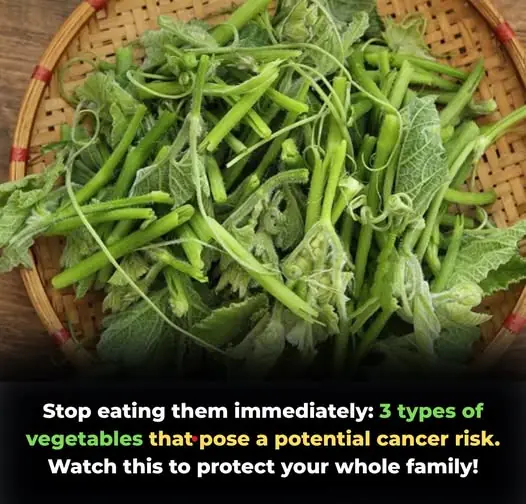
In the age of viral health warnings, a shocking headline recently caught the attention of food lovers everywhere: "Stop eating them immediately: 3 types of vegetables that pose a potential cancer risk." The image circulating with this warning often features pumpkin shoots (ngọn bí) or chayote tops (ngọn su su). But before you clear out your kitchen, let’s look at the science. Is there any truth to these claims, or is this just another case of digital "fear-mongering"?
1. Pumpkin Shoots (Ngọn Bí): Nutritious or Dangerous?
Pumpkin shoots are a delicacy in many Asian cuisines, loved for their crunchy texture and earthy flavor.
-
The Claim: Viral posts suggest that the "fuzz" (trichomes) on the stems or certain natural saps in the vine are carcinogenic.
-
The Scientific Fact: There is zero clinical evidence linking pumpkin shoots to cancer. In reality, these greens are packed with Beta-carotene, Vitamin C, and Potassium. These antioxidants actually help prevent cell damage.
-
The Verdict: SAFE. To enjoy them, simply peel the outer fibrous "silk" and sauté them with garlic for a boost of fiber and vitamins.
2. Chayote Tops (Ngọn Su Su): A Hidden Threat?
Like pumpkin shoots, chayote vines are often targeted by "clickbait" health articles.
-
The Claim: Some suggest that the compounds in the vine become toxic when stir-fried at high temperatures.
-
The Scientific Fact: Chayote tops are a fantastic source of Folate, which is essential for DNA repair. The only real "risk" associated with these greens isn't the plant itself—it’s pesticide residue.
-
The Verdict: SAFE. To protect your family, always wash your greens in a diluted salt solution or a dedicated vegetable wash to remove external contaminants.
3. The "Mystery" Third Vegetable: Bracken Ferns (Rau Dớn)
While the image features shoots and vines, many "3 types of vegetables" lists include Bracken Ferns. This is where the confusion usually starts.
-
The Nuance: Certain wild fern species (specifically Pteridium) contain a compound called ptaquiloside, which has been linked to stomach cancer in some studies.
-
The Scientific Fact: Most edible ferns (like Fiddleheads or Diplazium esculentum) are safe. However, even the "risky" varieties lose most of their ptaquiloside when soaked in salt water and boiled thoroughly.
-
The Verdict: SAFE IF PREPARED CORRECTLY. Never eat wild ferns raw; always boil them for at least 10–15 minutes.
Why Do These Health Myths Go Viral?
If these vegetables are healthy, why does the internet say they cause cancer?
-
Clickbait Tactics: Fear is the fastest way to get a "share." Headlines that tell you to "stop eating immediately" trigger a panic response.
-
Misunderstood Pesticides: People often confuse the chemicals used in farming with the plant itself.
-
Lack of Context: A vegetable might be hard to digest if raw, but perfectly healthy when cooked. Scammers take this small truth and turn it into a "cancer" scare.
How to Protect Your Family’s Health
Instead of cutting nutritious greens out of your diet, follow these 3 Expert Tips:
-
Source Locally: Buy from trusted farmers or organic markets to avoid heavy pesticide use.
-
Cook Thoroughly: Most natural plant defense chemicals are neutralized by heat (boiling or stir-frying).
-
Diversify Your Plate: No single vegetable causes or cures everything. A diverse diet is your best defense against illness.
Final Thoughts
Don't let an unverified image on social media dictate your nutrition. Pumpkin shoots and chayote tops are healthy, fiber-rich additions to any meal. Keep eating your greens—just make sure they are washed well and cooked delicious!