
The Health Benefits of Cherries: When to Eat Them, How to Enjoy Them, and How Much Is Enough

Cherries are not only delicious and refreshing, but they are also packed with essential nutrients that can support your overall health. Whether you enjoy them fresh, dried, or in juice form, adding cherries to your diet can bring a variety of benefits. But when is the best time to eat cherries, and how much should you consume?
Top Health Benefits of Cherries
Cherries are rich in antioxidants, vitamins, and natural compounds that help your body function better.
1. Rich in Antioxidants
Cherries contain powerful antioxidants like anthocyanins and vitamin C. These compounds help fight free radicals, reducing inflammation and protecting your cells from damage. This may lower the risk of chronic diseases such as heart disease.
2. Improve Sleep Quality
One of the unique benefits of cherries is their natural melatonin content. Melatonin is a hormone that regulates your sleep cycle. Eating cherries regularly may help you fall asleep faster and improve overall sleep quality.
3. Support Heart Health
Cherries are known to help reduce blood pressure and cholesterol levels. Their potassium content helps maintain healthy heart function and supports proper blood circulation.
4. Reduce Muscle Soreness
For those who exercise regularly, cherries can help reduce muscle pain and speed up recovery. Tart cherry juice, in particular, has been linked to decreased muscle soreness after workouts.
5. Aid Digestion
Cherries are a good source of fiber, which promotes healthy digestion. Eating them can help prevent constipation and support a balanced gut.
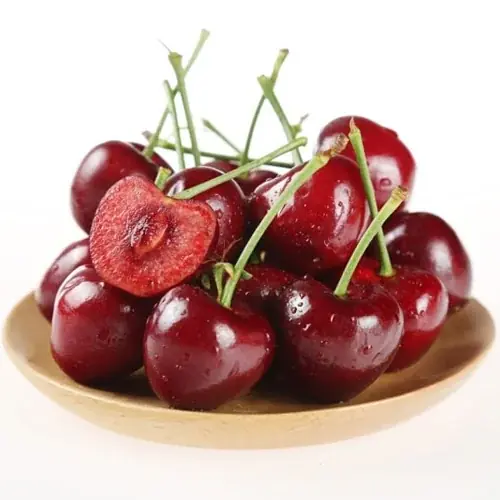
When Is the Best Time to Eat Cherries?

Timing can enhance the benefits you get from cherries.
- In the Morning: Eating cherries in the morning provides your body with antioxidants and vitamins to start the day.
- After Exercise: Cherries are great post-workout snacks because they help reduce inflammation and muscle soreness.
- Before Bed: Thanks to their melatonin content, eating cherries about 1–2 hours before sleep may help improve your rest.
How to Eat Cherries
Cherries are versatile and easy to include in your daily diet.
- Fresh: The most natural and nutritious way to enjoy cherries
- Juice: Tart cherry juice is popular for its health benefits
- Dried: A convenient snack, though often higher in sugar
- In Meals: Add cherries to salads, yogurt, smoothies, or desserts for extra flavor and nutrition
How Many Cherries Should You Eat?
Moderation is key when it comes to cherries.
A healthy portion is about 1 cup (around 20–25 cherries) per day. This amount provides enough nutrients without excessive sugar intake. Eating too many cherries at once may cause digestive discomfort, especially for people sensitive to fiber.
If you’re drinking cherry juice, aim for about 1 small glass (200–250 ml) per day, preferably without added sugar.
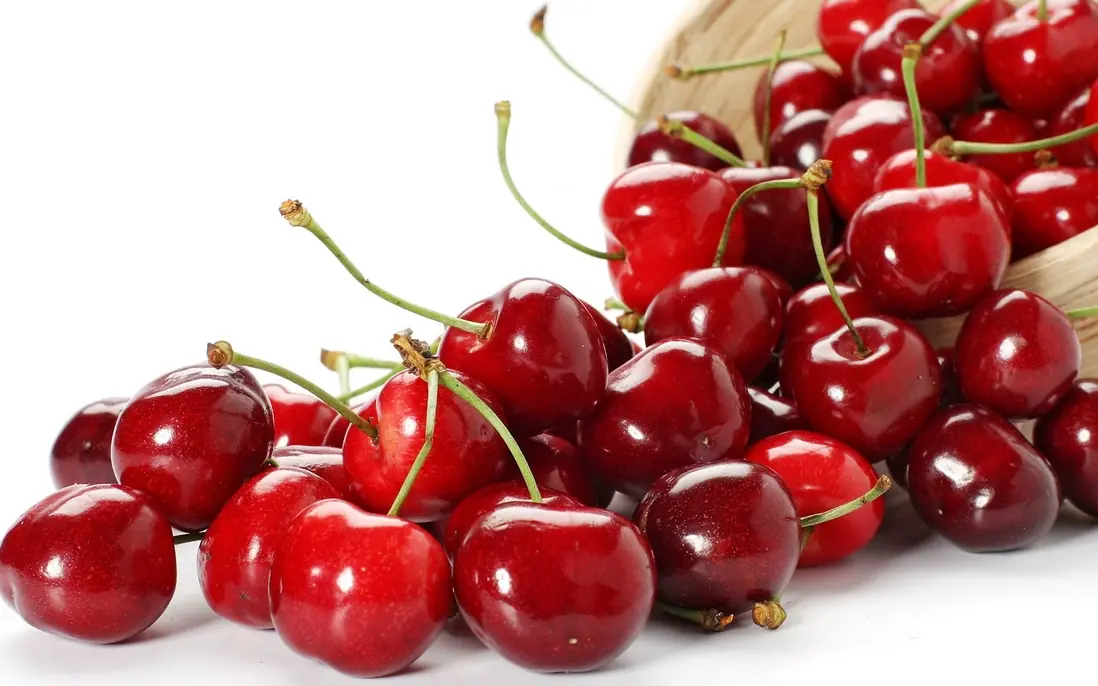
Final Thoughts

Cherries are a small fruit with big health benefits. From improving sleep to supporting heart health and reducing inflammation, they are a smart addition to any diet. By choosing the right time to eat them and keeping your portions balanced, you can make the most of what cherries have to offer.
So next time you’re looking for a healthy and tasty snack, consider reaching for a handful of cherries—you might be doing your body a bigger favor than you think.

News in the same category


Fact Check: Do These 3 Common Vegetables Actually Pose a Cancer Risk?

Doctors Warn: Eating Too Much Broccoli Could Have Unexpected Effects on Your Body

The Longevity Secret: "Men Never Skip Ginger, Women Never Skip Sugar"

6 Essential Vitamins and Minerals You Need After Age 40 to Stay Healthy and Look Younger

3 Best Times to Eat Boiled Eggs for Weight Loss and Stable Blood Sugar

Top 8 Incredible Health Benefits of Papaya: Why You Need This Tropical Superfood

Top 7 Surprising Health Benefits of Pomegranate: A Science-Backed Guide

7 Surprising Reasons Why You Should Grow Aloe Vera at Home

he Surprising Truth Behind "An Apple a Day": What Doctors Really Think

Why Does Eating Oysters Boost Male Vitality? The Science Behind the Legend

The Power of Polyscias Fruticosa: Benefits of Din Lăng Leaves for Stroke Prevention

Red Dates Are Incredibly Healthy, But Here Is One Thing Nobody Tells You

Water Caltrop: The "Buffalo Horn" Superfood You Should Know

The Golden Fruit: Health Benefits and Optimal Ways to Enjoy Oranges

Scientifically Proven Health Benefits of Avocados (Including the Often-Ignored Seed)

The Incredible Health Benefits of Walnuts: A Nutrient-Dense Superfood

A Scientific Look at Oregano’s Role in Supporting Wellness

Doctors Reveal: Eating Cucumbers in Salads May Have Unexpected Effects – Here’s What You Should Know
News Post

Can You Spot the Odd One Out? The Toilet Paper Brain Teaser Explained

The US imposes further sanctions on Iranian oil

Unprecedented Scale": UK Pledges Record-Breaking Drone Fleet to Boost Ukraine’s Defenses

The Economic Siege: What Iran Stands to Lose Under a US Naval Blockade

Your Ships Will Be Sunk": Iran Issues Stark Warning to US Over Strait of Hormuz Blockade

Middle East at a Crossroads: Israel Weighs Response to Iran’s Unprecedented Attack (April 16 Update)

Decoding the Chalice Illusion: One Vessel, Four Faces, and Three Secrets

What Is That Fabric Strip Across Hotel Beds? The Surprising Purpose Explained

The World’s Deadliest Food Still Eaten by Millions Every Year

Mini-Stroke Symptoms in the Elderly — What You Should Never Ignore

5 Dangerous Foods Linked to Childhood Cancer: Urgent Warning for Parents

What Your Favorite Ice Cream Flavor Says About Your Personality

Part 2: No one moved.

My Husband Proudly Introduced His Pregnant Mistress at Dinner… Until His Father Stood Up and Said THIS

PART 2: “HEY—DON’T TOUCH ME!”

PART 2: “HEY—WHAT ARE YOU DOING?

I Walked Away From My Baby on a Plane… What Happened 13 Years Later Broke Me

Mixing Your Medications in One Pill Box