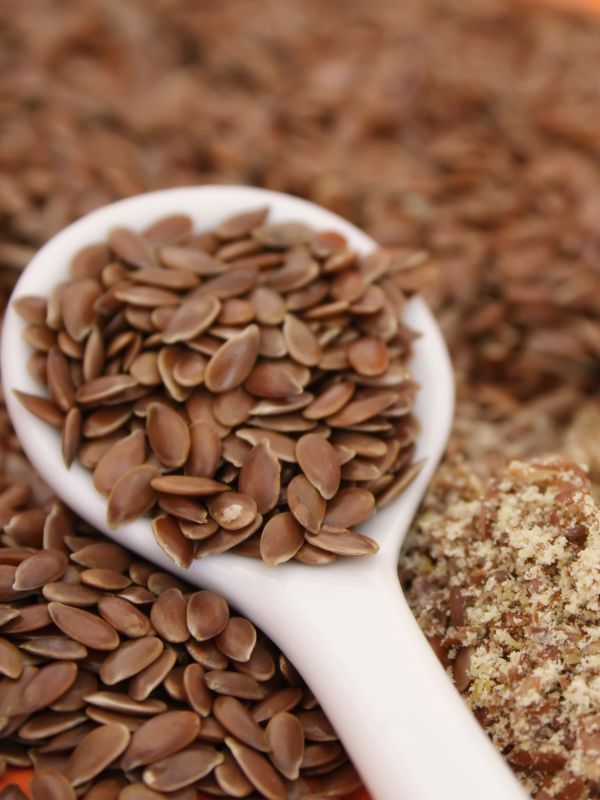
Flaxseed, scientifically known as Linum usitatissimum, is an ancient superfood that has been cultivated for over 6,000 years.
Originating from the Middle East, it is packed with skin-loving nutrients, making it a natural remedy for combating wrinkles and sagging skin.
With its high concentration of omega-3 fatty acids, lignans, and essential vitamins, flaxseed stands as a reliable, cost-effective alternative to chemical treatments.
If you’re looking to restore your skin’s youthful glow without invasive procedures, flaxseed might be the solution you’ve been seeking.
#1. Rich in Omega-3 Fatty Acids for Skin Elasticity
Flaxseed contains alpha-linolenic acid (ALA), a type of omega-3 fatty acid that nourishes the skin, boosts hydration, and reduces inflammation.
Omega-3s improve skin elasticity by supporting the production of collagen, the protein responsible for skin firmness.
According to the USDA, flaxseed contains 22 grams of omega-3 per 100 grams, making it a rich source for enhancing skin suppleness.
#2. Antioxidant Protection with Lignans
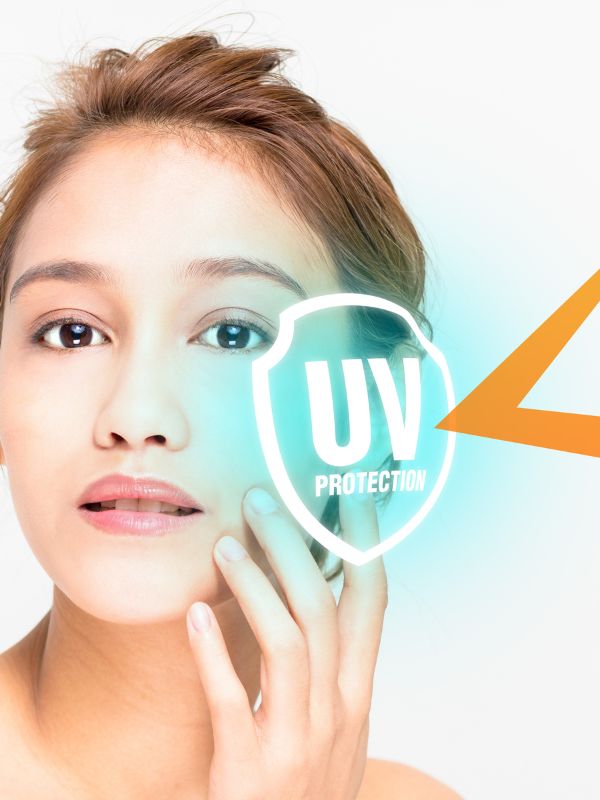
Lignans are powerful antioxidants found in flaxseed that combat free radicals, the culprits behind premature aging.
These antioxidants shield the skin from environmental stressors, such as UV rays and pollution, that accelerate wrinkles.
A study published in the Journal of Nutritional Biochemistry highlighted that lignans help reduce oxidative stress, supporting healthier, youthful skin.
#3. Hydrates and Prevents Dry Skin
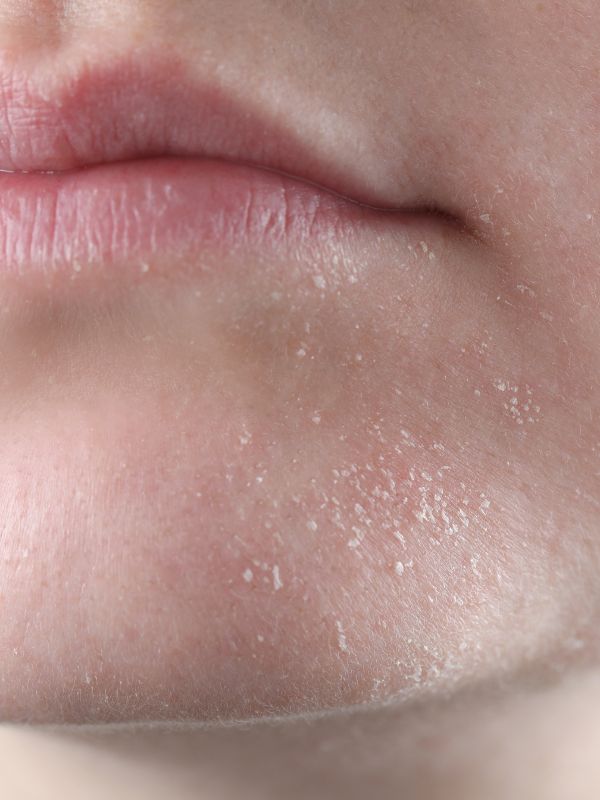
Dryness can exaggerate fine lines and wrinkles, but flaxseed’s natural oils provide deep hydration. The ALA in flaxseed retains moisture in skin cells, preventing dryness.
Research shows that regular application of flaxseed oil improves skin hydration by increasing its water-holding capacity.
Just 100 grams of flaxseed provides around 41 grams of natural oils, a perfect remedy for parched skin.
#4. Promotes Collagen Production
Collagen is the foundation of youthful, taut skin. The vitamins and minerals in flaxseed, particularly vitamin E, magnesium, and zinc, support collagen synthesis.
Vitamin E, a known antioxidant, also repairs damaged skin and smooths out fine lines.
With 0.31 mg of vitamin E per 100 grams, flaxseed ensures your skin receives the nourishment needed to stay firm and radiant.

#5. Tightens and Lifts Skin Naturally
Flaxseed gel, when applied topically, forms a natural, lifting film on the skin. This effect temporarily tightens the skin, visibly reducing the appearance of wrinkles.
This immediate tightening is paired with long-term benefits as the nutrients in flaxseed help regenerate and repair skin cells over time.
#6. Reduces Inflammation and Redness
Skin inflammation can make wrinkles more pronounced. Flaxseed’s omega-3s and anti-inflammatory properties soothe irritated skin and reduce redness.
Regular use of flaxseed oil or gel can calm conditions like eczema and rosacea, giving your skin a smooth, even appearance.

#7. Improves Skin Tone and Radiance
Flaxseed’s essential fatty acids and antioxidants work together to brighten dull skin, leaving it radiant.
By improving circulation and detoxifying skin cells, flaxseed restores your skin’s natural glow.

How to Use Flaxseed for Wrinkle-Free Skin
1. Flaxseed Gel Mask
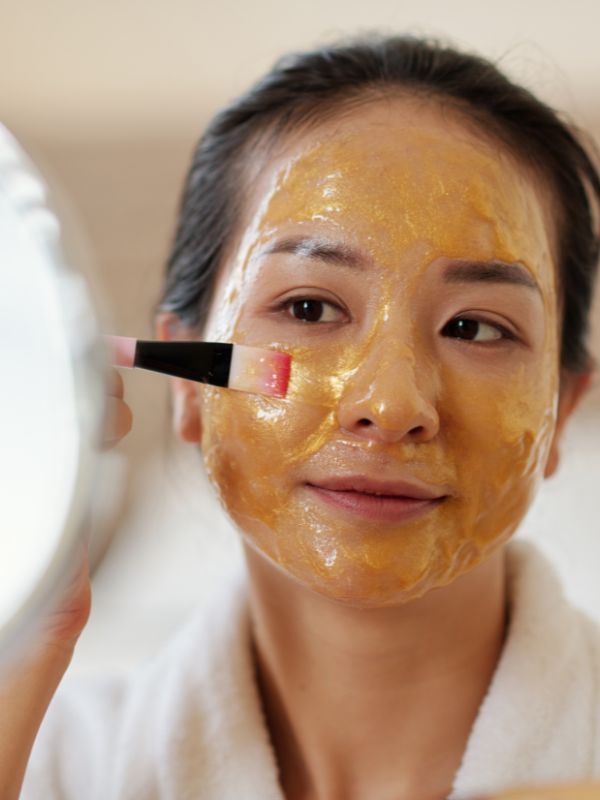
Flaxseed gel is a natural and effective way to nourish your skin. To make the mask, boil 2 tablespoons of flaxseeds in 1 cup of water and simmer until the mixture thickens into a gel-like consistency.
Strain the gel, let it cool, and apply it evenly to your face. Leave the mask on for 20–30 minutes before rinsing with lukewarm water.
Use this mask 2–3 times a week to achieve visibly smoother and hydrated skin.
2. Flaxseed Oil for Massage
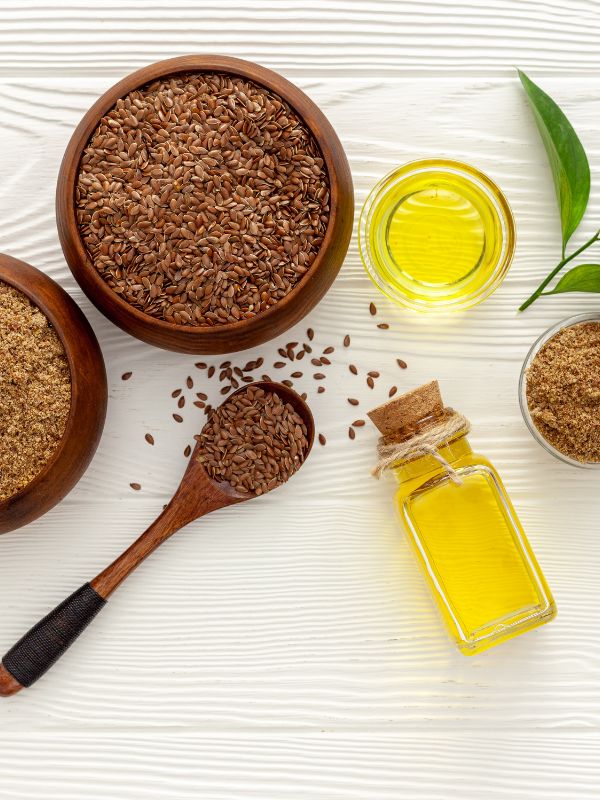
Flaxseed oil is excellent for deeply moisturizing and rejuvenating the skin.
Warm a teaspoon of flaxseed oil and gently massage it onto clean skin using upward strokes. Leaving it on overnight allows your skin to absorb maximum hydration and nourishment.
3. Add to Your Diet
Enhance your skin’s health from the inside out by incorporating flaxseed into your diet.
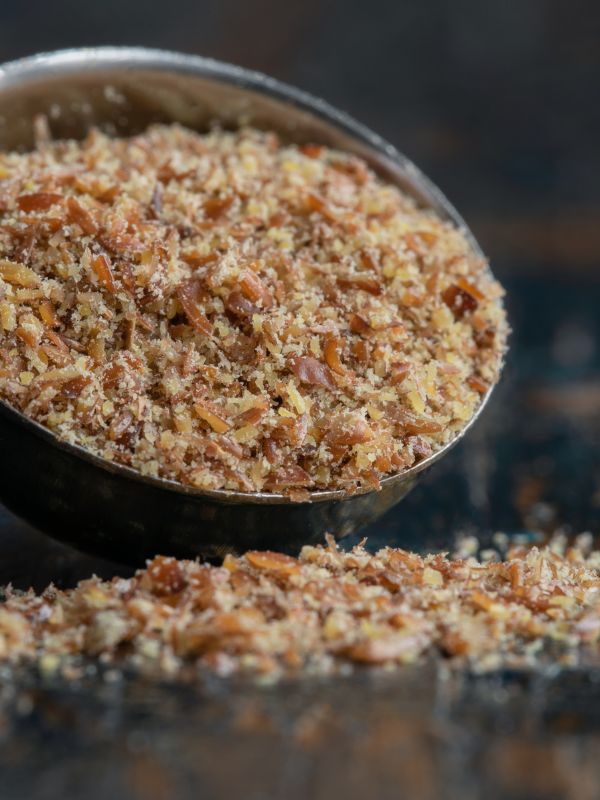
Sprinkle 1–2 tablespoons of ground flaxseeds into smoothies, salads, or oatmeal for a nutrient boost. Alternatively, use flaxseed oil as a dressing for cold dishes.
Cautions and Precautions
Always conduct a patch test before applying flaxseed gel or oil to your skin, especially if you have sensitive skin or allergies.
If you’re consuming flaxseed for its benefits, start with small amounts, as excessive intake may cause digestive discomfort.
Pregnant or breastfeeding women, as well as individuals on blood-thinning medication, should consult a healthcare provider before use.
For topical use, avoid applying flaxseed gel on open wounds, active acne, or severely irritated skin.
Disclaimer
This article is for informational purposes only and is not a substitute for professional medical advice.
Always consult with a dermatologist or healthcare provider before starting any new skincare routine or dietary change.