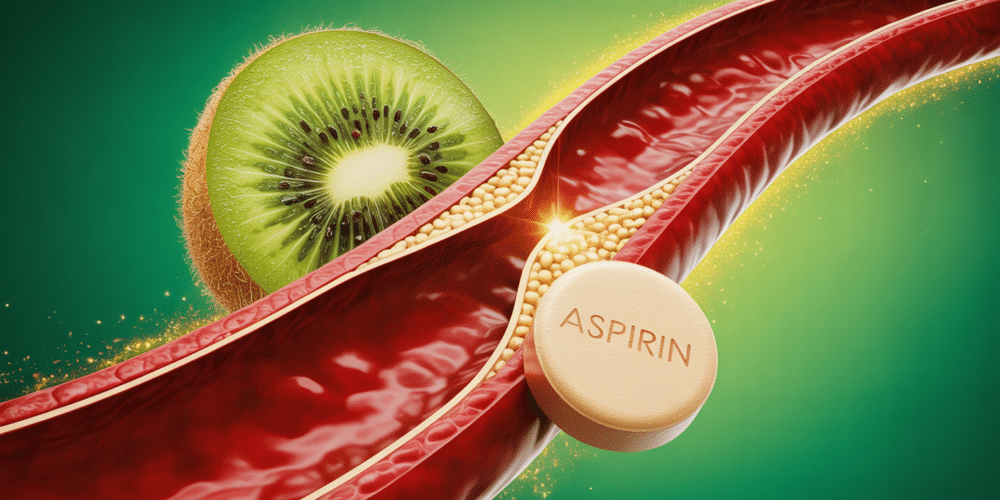
What if the secret to supporting healthy arteries and optimal blood flow wasn’t locked inside a pharmaceutical pill bottle—but instead, hiding in plain sight among your everyday fruits? This idea isn’t speculative or sensational. It’s grounded in peer-reviewed research and emerging nutritional science that point to one remarkable fruit with potent cardiovascular benefits.
This small, fuzzy, green gem has been shown to naturally thin the blood, reduce dangerous triglyceride levels, lower inflammation, and even mirror some of the cardioprotective effects of low-dose aspirin—without the harsh side effects. The fruit in question? Kiwi.
Millions of people take daily low-dose aspirin to reduce the risk of blood clots and heart attacks. While aspirin can be effective, long-term use is not without significant risks. It can irritate the stomach lining, cause gastrointestinal bleeding, and potentially impair kidney function. This has led researchers and health-conscious individuals alike to seek natural, food-based alternatives that can offer similar cardiovascular protection in a safer, more sustainable way.
In this article, we’ll explore the powerful role kiwi can play in supporting your heart health—based on solid scientific evidence, not wishful thinking.
Key Takeaways at a Glance
-
✅ Natural Blood Thinner: Kiwi reduces platelet aggregation—making your blood less prone to forming dangerous clots.
-
✅ Lowers Harmful Blood Fats: It can significantly lower triglycerides and reduce the oxidation of LDL cholesterol.
-
✅ Reduces Inflammation: Kiwi contains antioxidants and enzymes that combat systemic inflammation, a key driver of atherosclerosis.
-
✅ Improves Circulation: It boosts nitric oxide production, helping relax blood vessels and support healthy blood pressure.
-
✅ Gentler on the Body: Unlike aspirin, kiwi doesn’t damage the stomach lining or increase bleeding risk—and it’s naturally low in vitamin K.
1. Kiwi Naturally Reduces Blood Clot Risk

One of the most dangerous threats to cardiovascular health is the formation of blood clots. When your blood becomes overly "sticky," platelets—tiny blood cells that form clots to stop bleeding—begin to aggregate excessively. This condition increases your risk of stroke, heart attack, and deep vein thrombosis.
Kiwi may offer a natural solution. A pivotal 2004 study published in the journal Platelets found that participants who ate 2 to 3 kiwis daily for 28 days experienced an 18% reduction in platelet aggregation. This effect closely mirrors that of low-dose aspirin—but without chemically disrupting the body’s natural processes or causing digestive discomfort.
In essence, kiwi supports smoother, freer-flowing blood through natural, biologically harmonious pathways.
2. It Helps Reduce “Bad” Fats in the Bloodstream
In that same study, participants saw a 15% drop in plasma triglycerides—a type of fat strongly linked with increased cardiovascular risk. Triglycerides are produced when the body stores unused calories as fat. Elevated triglyceride levels can lead to plaque buildup in the arteries, known as atherosclerosis.
But kiwi doesn’t just reduce triglycerides. It also combats the oxidation of LDL cholesterol, a critical step in the formation of arterial plaque. When LDL cholesterol (the so-called “bad” cholesterol) is damaged by free radicals, it becomes far more likely to stick to arterial walls and attract immune cells that promote dangerous plaque formation.
Kiwi’s high content of Vitamin C, Vitamin E, and polyphenols acts as a shield against this oxidation process. This means kiwi not only lowers harmful fats—but also keeps them from triggering further damage.
3. It Supports Better Blood Vessel Function and Blood Pressure
High blood pressure is often symptomless—earning it the nickname “the silent killer.” Over time, elevated pressure damages artery walls and makes them less elastic. One of the body’s natural mechanisms to control blood pressure involves the molecule nitric oxide (NO), which signals blood vessels to relax and widen.
Kiwi, rich in Vitamin C, plays a pivotal role here. Vitamin C enhances nitric oxide synthesis, promoting vasodilation and improving circulation throughout the body. This action not only helps lower blood pressure but also protects the endothelium, the fragile inner lining of your arteries.
The result? Improved oxygen delivery, reduced vascular stress, and better overall cardiovascular resilience.
4. It Helps Quell Inflammation at Its Source

Chronic inflammation is now recognized as a central factor in the development of heart disease. It contributes to the accumulation of cholesterol in artery walls, the rupture of plaques, and even the instability of blood vessels.
Kiwi tackles inflammation from multiple angles. It’s rich in natural antioxidants—such as quercetin, lutein, and Vitamin C—which neutralize pro-inflammatory free radicals. It also contains actinidin, a unique enzyme that may help break down inflammatory proteins in the bloodstream.
Furthermore, studies have linked kiwi consumption with lower levels of C-reactive protein (CRP)—a clinical marker of systemic inflammation. By reducing CRP, kiwi may help minimize the inflammatory stress that underlies many forms of cardiovascular and metabolic disease.
5. It Offers Aspirin-Like Benefits—With a Safer Risk Profile
It’s important to clarify: kiwi is not a direct substitute for aspirin, especially for individuals with existing cardiovascular conditions. However, kiwi achieves many of the same goals—reduced platelet stickiness, improved circulation, and inflammation control—without the side effects commonly associated with long-term aspirin use.
Aspirin works by inhibiting the COX-1 enzyme, which helps prevent clot formation but also compromises the protective lining of the stomach. This can lead to ulcers and internal bleeding over time.
Kiwi, in contrast, supports your body’s own natural systems, gently encouraging balance rather than imposing forceful chemical changes. Additionally, kiwi is naturally low in Vitamin K, making it a safer fruit choice for people on anticoagulant therapy, like warfarin, where vitamin K intake must be monitored.
How to Add Kiwi to Your Routine
Incorporating kiwi into your daily life is refreshingly simple:
-
Eat 2 kiwis per day—ideally with breakfast or your largest meal.
-
Enjoy them raw for maximum enzyme activity—just slice and scoop!
-
Add them to smoothies, salads, or use them as a natural meat tenderizer (thanks to actinidin).
-
For even greater benefit, combine kiwi with other heart-healthy foods like berries, walnuts, and leafy greens (watch vitamin K levels if on medication).
Pro tip: Golden kiwis are slightly sweeter and less acidic than green kiwis but offer many of the same benefits.
Conclusion: Prevention Starts on Your Plate
Heart disease often progresses silently, with no warning signs until it's too late. You could have significant plaque buildup—40%, 50%, even 70%—and feel perfectly fine. That’s why prevention is everything.
By embracing nutrient-rich, anti-inflammatory foods like kiwi, you’re not just adding flavor to your plate—you’re fortifying your arteries, optimizing your circulation, and reducing your long-term health risks. You don’t need radical changes or expensive supplements to start. Just a simple, consistent commitment to food as medicine.
Your body is remarkably resilient and responsive when you give it the right tools. And sometimes, one of the most powerful tools is small, green, and hiding in your fruit bowl.
Disclaimer: This article is for informational purposes only and is not intended to diagnose, treat, or replace medical advice from your healthcare provider. Always consult with your physician before making changes to your medication or diet, especially if you’re on blood thinners or have a chronic health condition.