I swear, I didn’t have the faintest clue about this!
Tips 06/01/2026 21:30

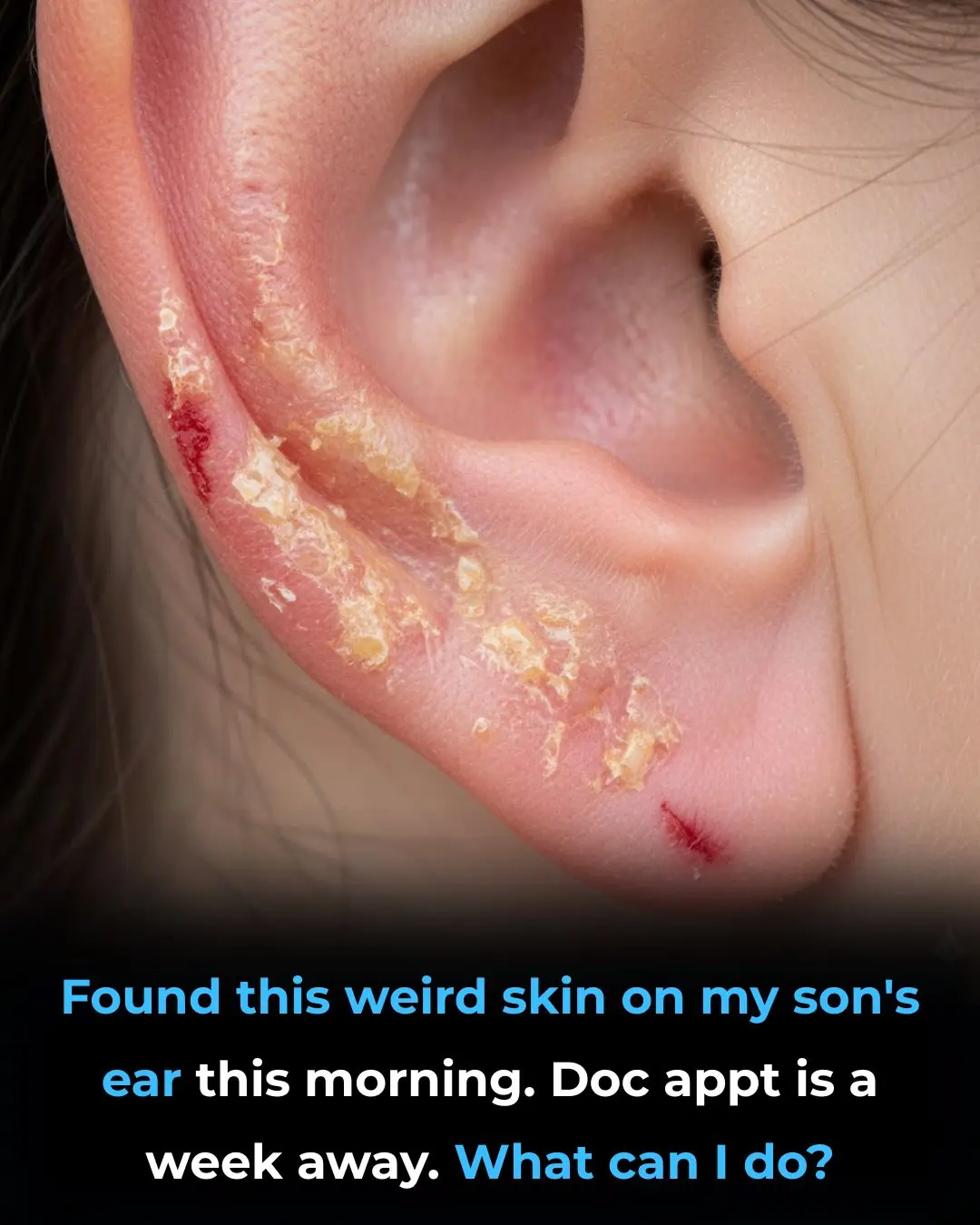
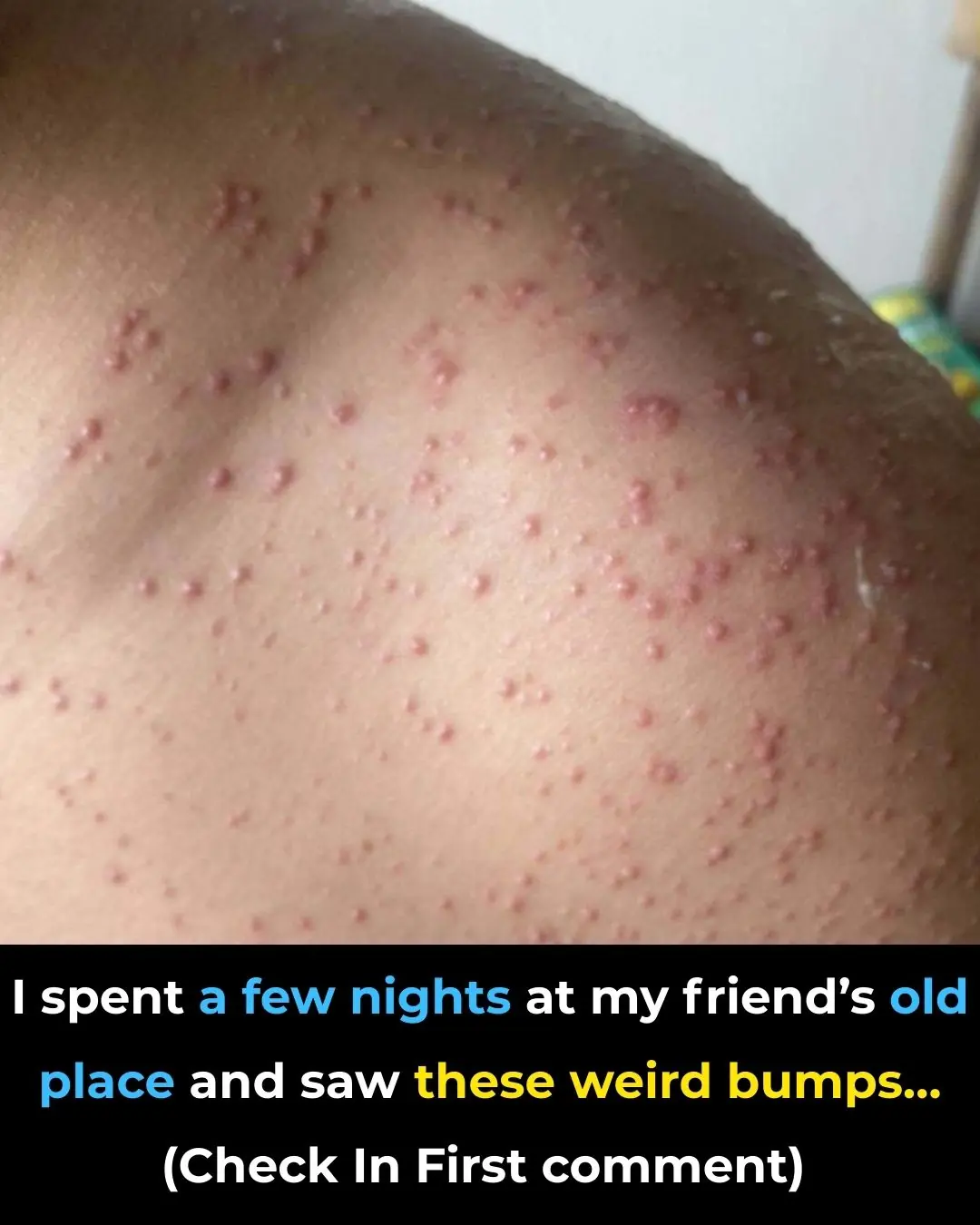
Discovering an unusual bump, rash, or lesion on your child’s scalp can understandably be stressful—especially if you’re unable to get a medical appointment right away. While a healthcare professional is always the best source for an accurate diagnosis, learning about common scalp conditions and safe management strategies can help ease concern and guide your next steps while you wait.
In this article, we’ll explore a range of scalp conditions that may affect children, with a particular focus on psoriasis vulgaris, a common yet often misunderstood chronic skin disorder. You’ll learn how to recognize signs of scalp psoriasis, manage symptoms at home, choose appropriate over-the-counter treatments, and know when medical attention is necessary. We’ll also cover how to document symptoms effectively for your doctor and point you toward helpful online resources and support communities.
The scalp is a complex and sensitive area of the body, making it vulnerable to many different skin conditions. These may appear as bumps, sores, flakes, redness, or irritation and can range from mild and temporary to chronic or infectious.
Scalp problems can develop due to genetics, immune system activity, environmental exposure, allergies, hygiene habits, or underlying medical conditions. For example, seborrheic dermatitis often causes flaky scales and redness and is linked to yeast overgrowth on the skin. Folliculitis, on the other hand, is caused by infected hair follicles and appears as small red or pus-filled bumps. Because many scalp conditions look similar, understanding their general characteristics is an important first step toward proper care.
Scalp bumps can arise from several causes, each with distinct signs:
Seborrheic dermatitis: Greasy, yellowish or white scales, often itchy and persistent
Folliculitis: Inflamed hair follicles causing small, tender red bumps
Pilar (trichilemmal) cysts: Firm, slow-growing, fluid-filled lumps beneath the skin that are usually harmless
Psoriasis: Raised red patches covered with thick, silvery scales
Recognizing these patterns can help narrow down possible causes and prepare you to give clearer information to a healthcare provider.
Psoriasis vulgaris is the most common form of psoriasis and can affect children as well as adults. It is a chronic autoimmune condition in which the immune system speeds up skin cell production, causing cells to build up on the surface of the skin.
These areas form thick, scaly plaques that may itch, sting, crack, or bleed. Psoriasis is influenced by both genetics and environmental triggers, including stress, infections, weather changes, and certain medications. While there is no cure, many children manage symptoms well with proper treatment and consistent care.
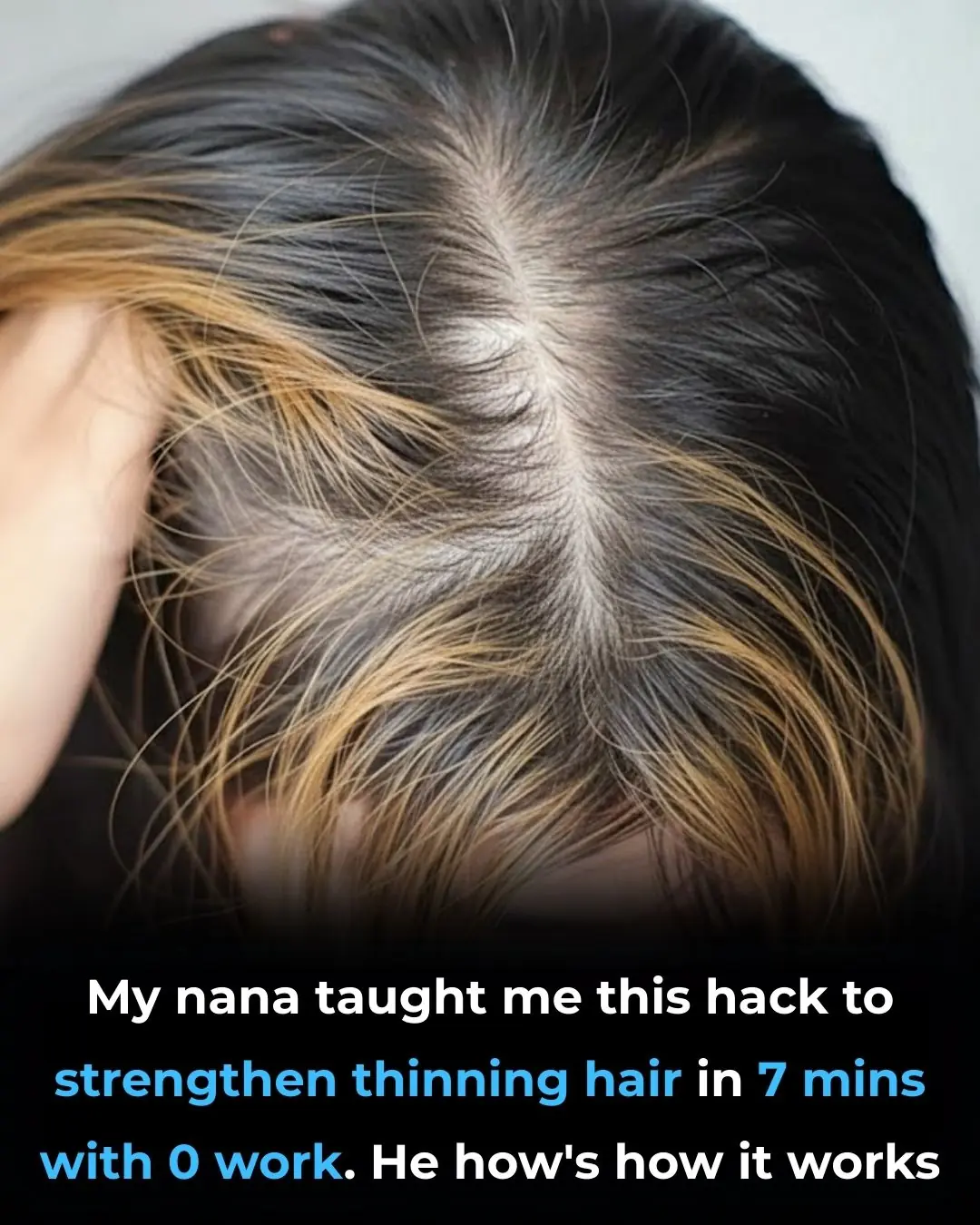
Scalp psoriasis typically appears as well-defined red patches topped with silvery-white scales. These patches may remain confined to the scalp or extend past the hairline to the forehead, neck, or behind the ears.
Common symptoms include:
Persistent itching or burning
Thick scale buildup
Temporary hair shedding due to scratching or plaque removal
Unlike seborrheic dermatitis, psoriasis plaques are usually drier, thicker, and more clearly outlined, which can help distinguish between the two conditions.
Several gentle home remedies may help ease mild scalp psoriasis symptoms:
Moisturizing oils such as coconut oil or olive oil can soften scales and relieve dryness
Aloe vera gel may help calm irritation and redness
Diluted apple cider vinegar may reduce itching due to its antibacterial properties (avoid if skin is cracked or bleeding)
These remedies should be used consistently and gently. While they may provide relief, they should not replace medical treatment for moderate or severe symptoms.
Over-the-counter (OTC) products can be effective for managing mild to moderate scalp psoriasis:
Coal tar shampoos slow excessive skin cell growth
Salicylic acid shampoos help loosen and remove thick scales
Low-strength topical corticosteroids reduce inflammation and itching
Always follow product instructions carefully, especially when using treatments on children, and consult a pharmacist or healthcare provider if you’re unsure which option is appropriate.
Medical care is important if:
Symptoms persist or worsen despite home treatment
Your child experiences pain, bleeding, or intense itching
Signs of infection appear, such as swelling, pus, or fever
A dermatologist can confirm the diagnosis and may prescribe stronger topical treatments or medicated shampoos tailored to your child’s needs.
Daily habits play a major role in symptom control:
Moisturize the scalp regularly
Use fragrance-free, gentle hair products
Avoid scratching or harsh brushing
Keep stress levels low when possible
Using a humidifier at home can also help maintain moisture in the skin, especially in dry or cold climates.
Some popular scalp-care trends include:
Tea tree oil, valued for its antifungal and anti-inflammatory effects
Baking soda as a mild exfoliant to remove dead skin
While these methods may help some people, they can irritate sensitive skin—especially in children. Always perform a patch test and stop use if irritation occurs.
Good documentation can significantly improve diagnosis and treatment:
Track when symptoms began and how they change
Note flare-ups, triggers, and treatments tried
Record your child’s discomfort or behavior changes
Clear, well-lit photos taken over time can help show progression and response to treatment, making medical appointments more productive.
Managing a scalp condition can feel overwhelming, but reliable resources and supportive communities can help. Organizations such as the National Psoriasis Foundation offer educational materials, treatment updates, and caregiver-focused guidance.
Online forums and support groups allow parents to share experiences, ask questions, and receive encouragement from others facing similar challenges. These resources can help you feel informed, supported, and more confident in managing your child’s scalp health.