I swear, I didn’t have the faintest clue about this!
Tips 06/01/2026 21:30
A rice cooker is an essential kitchen appliance in most households. At first glance, it may seem like nothing more than a tool for cooking rice. However, if you choose the wrong one, the rice can turn out undercooked, burnt at the bottom, or stuck to the pot—and in many cases, the cooker may break down after just one or two years of use.
I personally went through three rice cookers, and each time I fell into a different trap: cheap models, overly complicated “multi-function” cookers, and even popular online bestsellers. It wasn’t until my fourth rice cooker that I finally learned what truly matters.
In reality, choosing a good rice cooker doesn’t require chasing famous brands or flashy advertising. If you simply remember the rule of “four types you should never buy,” you can find a durable cooker that makes great rice and is genuinely worth the money. These lessons were learned the hard way—by someone who paid the price.
After replacing my rice cooker three times, I finally understood this: even if they were free, don’t buy these four types—or you’ll just waste your money and regret it.
Many rice cookers on the market today are advertised as “all-in-one” appliances. They claim to cook soup, steam vegetables, bake cakes, make yogurt, and do almost everything in the kitchen. When I bought my first rice cooker, I was drawn in by these promises and chose a so-called smart, multi-functional model.
Only after using it did I realize that aside from cooking rice, nearly all the other functions were impractical. Soup didn’t taste as rich as when cooked in a clay pot, steaming vegetables was less convenient than using a proper steamer, and baking was extremely difficult to control—the results were disappointing at best.
Worse still, the more functions a rice cooker has, the more complex its internal circuitry becomes, increasing the risk of failure. My “multi-purpose” cooker lasted just one year before the circuit board burned out due to the soup-cooking function. The repair cost was nearly the same as buying a new cooker.
In reality, a household rice cooker only needs two core functions: cooking rice and keeping it warm. If you occasionally make porridge, a basic porridge setting is more than enough.
Extra features may look impressive, but they raise the price, complicate operation, and are especially inconvenient for elderly users. Instead of paying for functions you rarely use, it’s far wiser to invest in the core elements that ensure good rice and long-term durability.
The second time I bought a rice cooker, I tried to save money and chose a heavily discounted model online that cost less than 300,000 VND. It looked similar to well-known brands on the outside, but problems started appearing within six months.
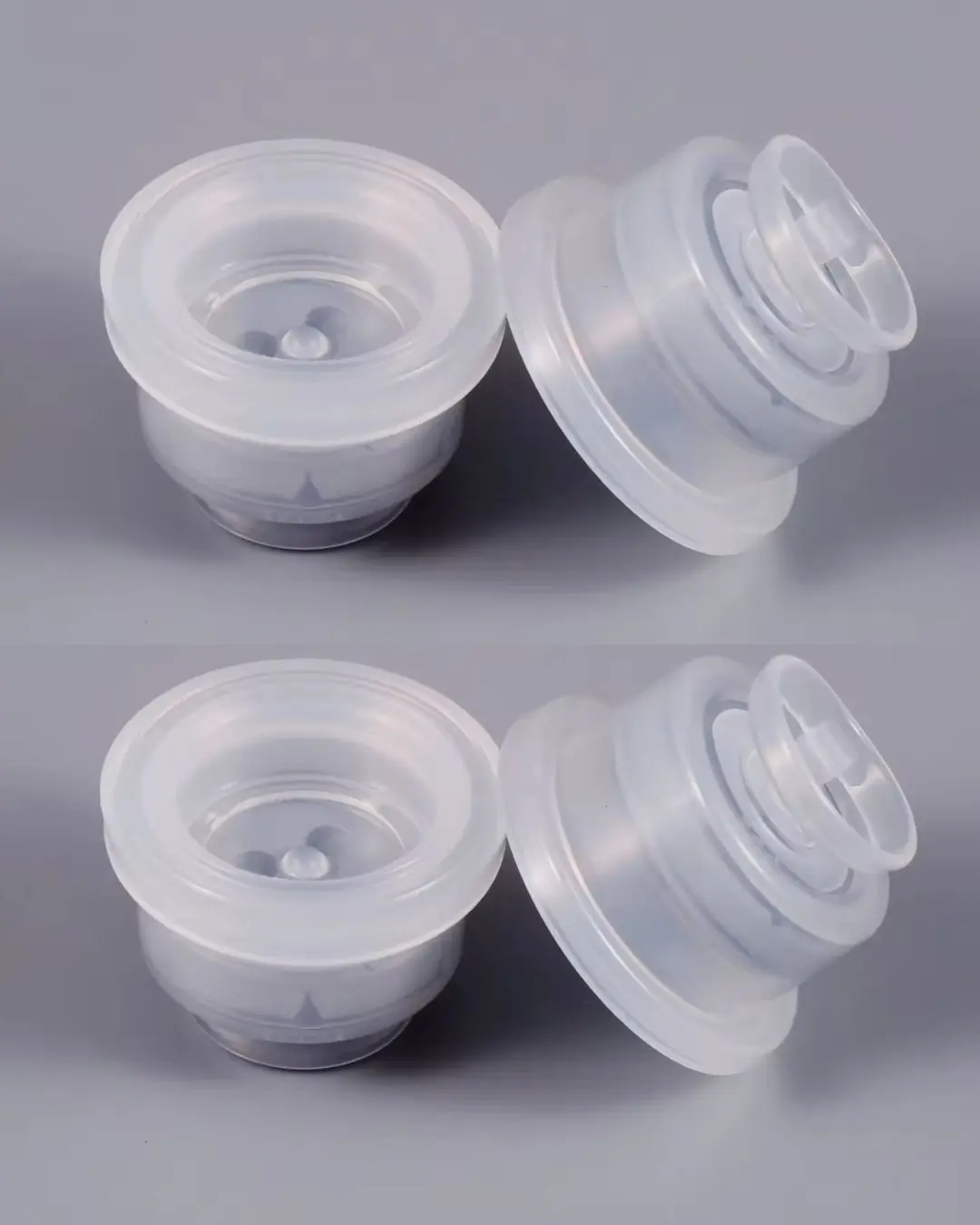
First, the inner pot was too thin, causing uneven heat distribution—burnt rice at the bottom and undercooked rice on top. Then, the heating plate turned out to be poor quality and began to deform over time, producing an unpleasant hissing sound during cooking. Finally, the sealing ring aged quickly, reducing airtightness and causing the aroma of freshly cooked rice to escape.
The three components that determine the core cost and quality of a rice cooker are the inner pot, the heating plate, and the temperature control system. Cheap models usually cut costs by using thin aluminum pots, ordinary steel heating plates, and basic thermostats. The result is poor rice quality and a very short lifespan.
That said, more expensive doesn’t always mean better either. High-end models costing several million often charge a premium mainly for branding and extra features that most families simply don’t need.
The inner pot is the “heart” of a rice cooker—it directly affects both rice quality and food safety. Unfortunately, many buyers focus only on the exterior design and ignore what the inner pot is made of.
My third mistake was buying a trendy online model advertised with fancy names like “golden pot” or “health-enhancing pot.” After just three months, the non-stick coating began to peel. Upon closer inspection, I discovered it was a low-quality coating—not only causing rice to stick but also posing potential safety risks.
When choosing an inner pot, avoid products with vague descriptions, such as those that only state “composite pot” or “Teflon coating” without specifying coating grade or base material thickness. Reliable inner pot types include:
Spherical inner pots: Even heat distribution, producing soft and fluffy rice
Honeycomb inner pots: Excellent non-stick performance and easy to clean
Stainless steel inner pots: Durable and safe, but rice tends to stick—better for those who prefer firmer, drier rice
The inner pot should ideally be at least 2.0 mm thick. You can lightly tap it—if the sound is solid and dense rather than hollow, it’s usually a good sign. For non-stick pots, always choose products that clearly state food-grade safety standards. During use, avoid scrubbing with steel wool to prevent coating damage and extend the pot’s lifespan.
Many people assume that bigger is better, or simply choose a 3-liter cooker without much thought. In practice, this often leads to inconvenience.
When I lived alone in a small apartment, I bought a 5-liter rice cooker. Cooking just one bowl of rice in such a large pot resulted in dry, hard rice due to excessive heating surface. Later, after starting a family, I switched to a 0.8-liter cooker—but with three people, I had to cook twice every meal, wasting time and effort.
The right capacity should match household size and eating habits:
1–2 people: under 1L
2–4 people: 1–1.5L
4–6 people: 1.6–2L
More than 6 people: over 2L
In addition to the “four don’ts,” keep these two details in mind:
Heating method: Bottom heating plate models are basic and affordable, while IH (induction heating) cookers distribute heat more evenly and produce better rice—worth considering if your budget allows.
Temperature control system: Models with intelligent temperature control can adjust power automatically at different cooking stages, preventing undercooked rice or burnt bottoms.
Choosing wisely from the start can save you money, time, and frustration—and ensure every bowl of rice is consistently delicious.