Robot 'Kidnaps' Fellow Machines at Shanghai Exhibition, Sparking Debate on AI Autonomy and Labor Rights
Facts 13/12/2025 00:19
The Cosmic Origins of Elements in Human Hair and the Human Body
Human hair, much like the rest of the human body, contains trace amounts of essential minerals, including calcium, iron, magnesium, zinc, and many others. These elements play crucial roles in various biological functions. For example, calcium is vital for bone strength, iron is necessary for oxygen transport in the blood, and magnesium helps regulate muscle function. These elements are incorporated into the human body through diet and environmental factors, primarily through the food we consume and the air we breathe.
However, the true origins of these elements are even more fascinating when viewed on a cosmic scale. The elements that make up our bodies, including those found in our hair, have an extraordinary origin story—one that traces back to the explosive deaths of massive stars billions of years ago.
According to scientific consensus in the field of astrophysics, elements heavier than hydrogen and helium—including calcium, iron, and many others—were not present in the universe when it first began. Instead, they were forged in the cores of massive stars. These stars lived out their life cycles over millions to billions of years, fusing lighter elements into heavier ones through the process of nuclear fusion. As stars aged, they eventually reached the end of their lives, at which point they underwent massive explosions known as supernovae. These powerful events scattered the heavy elements across the cosmos, enriching the surrounding interstellar gas and dust with the building blocks of life.
Over billions of years, this stardust, which includes elements like calcium and iron, became the raw material for the formation of planets, including Earth. The elements spread throughout the universe, eventually coming together to form new stars, planets, and even life itself. It is now widely accepted in the scientific community that the atoms that make up our bodies, including those in our hair, bones, and blood, are essentially the remnants of ancient stellar explosions.
Research from reputable sources, such as NASA and studies published in renowned scientific journals like Nature and the Astrophysical Journal, supports this view. According to these findings, approximately 93% of the human body's mass is made up of elements that originated from stellar explosions. This includes not only calcium in our bones and hair and iron in our blood but also the oxygen we breathe and the carbon in our cells.
NASA's research into the chemical composition of the universe and our solar system shows that nearly every element found on Earth—including the ones in our bodies—was created in the heart of a dying star, long before our planet was formed. The cosmic dust from supernovae gave rise to the planets in our solar system, and these same elements were eventually incorporated into the matter that makes up living organisms. Our connection to the cosmos, then, is both profound and tangible.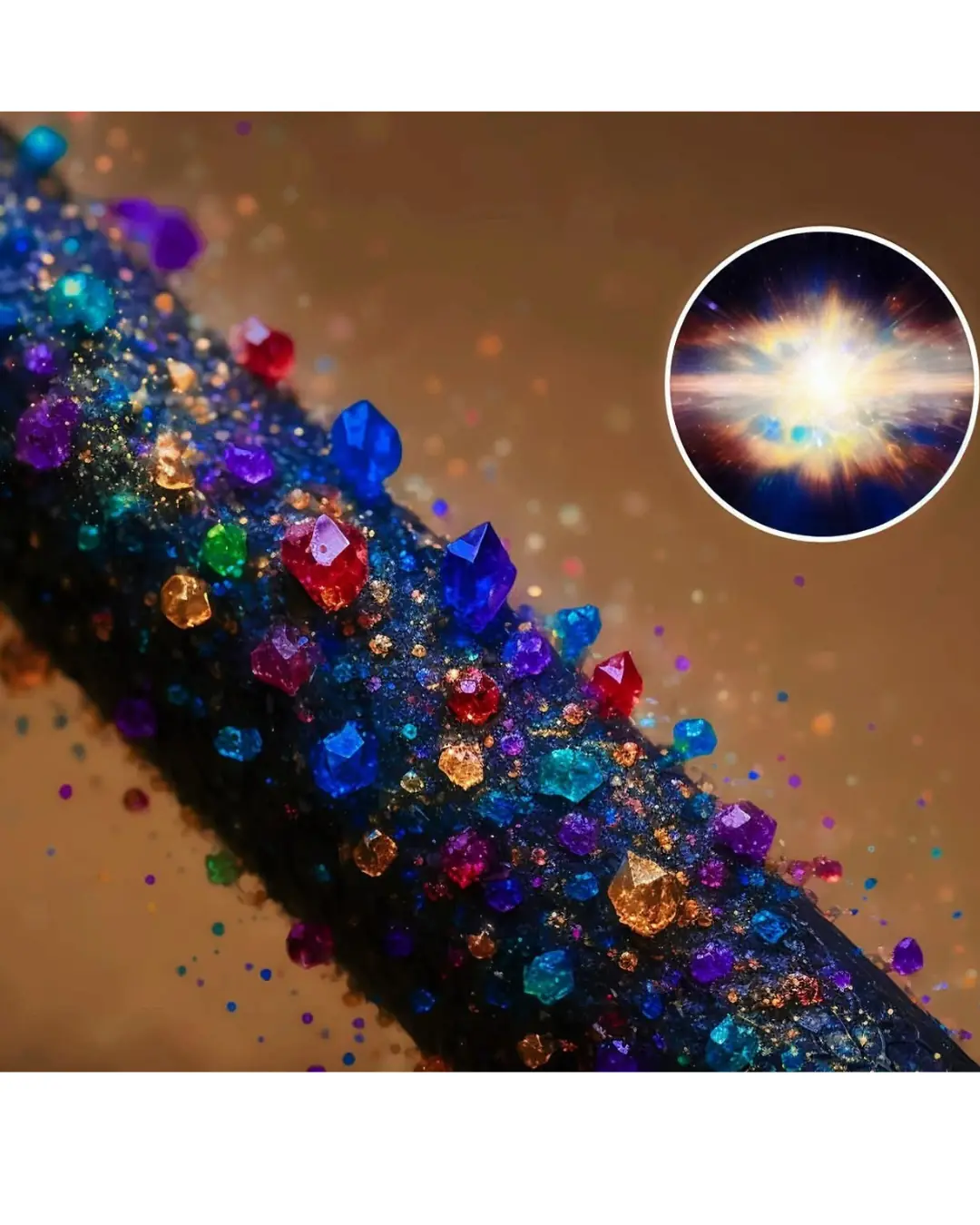
This knowledge has profound philosophical and scientific implications. It is a powerful reminder that the materials forming our bodies are not just isolated biological molecules but are part of a much larger, ongoing cosmic cycle of creation and destruction. The very atoms that make up our physical form have traveled across the universe over vast stretches of time, from the explosive ends of stars to the cradle of life here on Earth.
Moreover, these cosmic origins suggest that the building blocks of life are universal, not unique to our planet. If the elements that make up life can be traced back to stellar processes that occurred long before Earth even existed, it suggests the possibility that life could emerge elsewhere in the universe, wherever conditions allow for the formation of similar elements. This perspective gives us a sense of connectedness not only to our planet but to the universe as a whole.
In summary, the calcium in our bones, the iron in our blood, and even the oxygen we breathe are not just chemical elements; they are ancient remnants of stars that died billions of years ago. These elements traveled across space, gathered together to form Earth, and ultimately became part of the biological processes that sustain life. Our bodies are not just the result of biological evolution; they are a direct connection to the cosmos—a reminder of the vast and interconnected universe we are a part of.