Cucumber and Blood Pressure: Can This Hydrating Vegetable Support Heart Health Naturally?
Garden Healthy 14/07/2026 16:17

Garlic and salt are two of the most familiar ingredients in kitchens around the world. They are inexpensive, easy to find, and deeply connected to traditional cooking. In some households, crushed garlic mixed with a small pinch of salt is also used as part of an evening routine.
Online posts sometimes describe this combination as a powerful remedy for circulation, digestion, immunity, blood pressure, infections, or sleep. However, many of these claims are exaggerated or presented without enough context.
Garlic is a nutritious food containing sulfur-based compounds and antioxidants. Salt is an essential seasoning and a source of sodium, a mineral the body needs in small amounts. Neither ingredient should be treated as a cure for disease, and combining them does not create a miracle treatment.
Still, when used sensibly, crushed garlic with a minimal amount of salt may offer practical culinary benefits. It can make food more flavorful, reduce dependence on heavy sauces, and help people include garlic in a balanced diet.
The most important factors are preparation, quantity, personal tolerance, and overall health.
Garlic has been used in food and traditional wellness practices for centuries. Its strong aroma, sharp flavor, and wide availability have made it a common ingredient in home preparations across Europe, Asia, Africa, and Latin America.
When a garlic clove is chopped, crushed, or chewed, its internal structure is damaged. This allows naturally occurring enzymes to interact and produce compounds responsible for garlic’s characteristic smell and flavor.
One of the best-known compounds associated with freshly crushed garlic is allicin. Allicin is unstable and changes quickly, but it has attracted scientific interest because of its biological activity.
Salt is often added because it can:
However, salt is also the part of this habit that requires the greatest caution. Most people already consume sodium from bread, sauces, processed meats, canned foods, snacks, cheese, and restaurant meals.
Adding more salt at night may be unnecessary, especially for people with high blood pressure, kidney disease, heart disease, fluid retention, or other conditions requiring sodium restriction.
There is no strong evidence that garlic suddenly becomes more effective after sunset. Garlic provides similar nutritional compounds whether it is eaten in the morning, at lunch, or with dinner.
The best time to consume garlic depends mainly on personal comfort.
Some people tolerate garlic well when it is eaten with a complete meal. Others experience:
These effects may become more noticeable when raw garlic is eaten shortly before lying down. People with acid reflux may find that nighttime consumption worsens their symptoms.
Therefore, eating garlic at night is not automatically better. For many people, including it in a balanced evening meal is gentler than swallowing raw garlic by itself.
Garlic is not a substitute for medication, medical examinations, or professional treatment. However, it may contribute useful nutrients and plant compounds when consumed as part of a varied diet.
Every day, cells are exposed to normal metabolic stress and environmental factors. Antioxidants help the body manage unstable molecules known as free radicals.
Garlic contains several plant compounds with antioxidant activity. These compounds may support the body’s natural protective systems when garlic is consumed regularly as part of a diet rich in vegetables, fruits, legumes, whole grains, nuts, seeds, and healthy proteins.
It is important to keep this benefit in perspective. One clove of garlic cannot compensate for an otherwise unbalanced diet. Its value comes from being one useful ingredient among many.
Garlic has been widely studied for its possible relationship with cardiovascular health. Research has explored its effects on blood pressure, cholesterol, blood vessel function, and inflammatory markers.
Results vary depending on the type of garlic product, dose, duration, and health status of participants. Concentrated garlic supplements are also very different from the amount used in ordinary cooking.
Using garlic in meals may still support heart-friendly eating habits, particularly when it replaces ingredients high in saturated fat, excessive sodium, or added sugar.
For example, garlic can add flavor to:
The benefit may come not only from garlic itself but also from what it helps replace.
Many commercial sauces contain large amounts of sodium, sugar, refined oils, preservatives, or calories. Crushed garlic can make simple food taste richer without requiring large quantities of these products.
A small amount of garlic may improve the flavor of vegetables, lean proteins, soups, and whole grains.
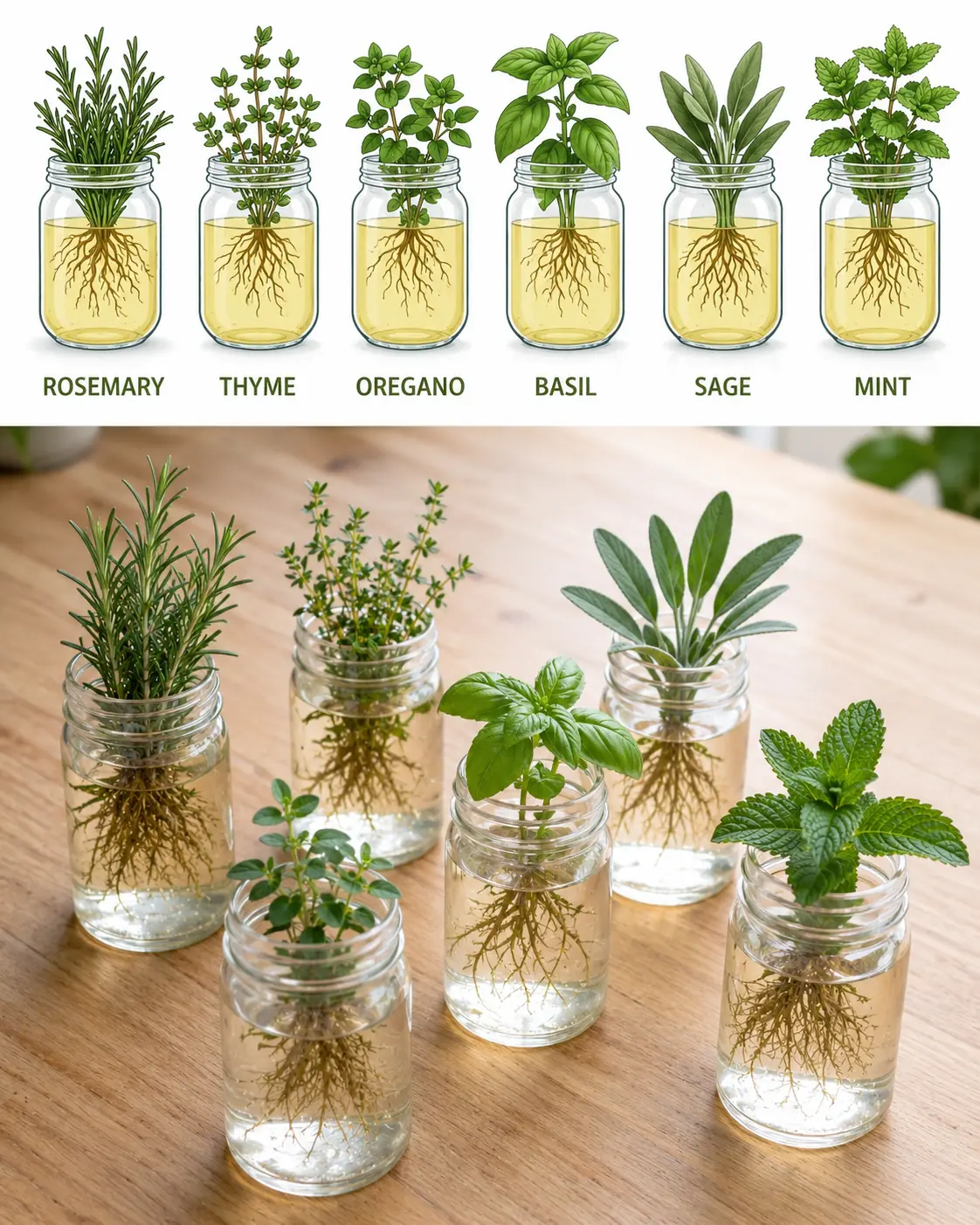
This can be especially helpful for older adults whose sense of taste has changed with age. However, people should not automatically compensate for reduced taste by adding more salt. Herbs, lemon juice, vinegar, pepper, paprika, parsley, rosemary, basil, and garlic can provide flavor with less sodium.
Simple ingredients often make healthy meals feel more accessible. Garlic is affordable and can be added to many recipes without complicated equipment or preparation.
People who cook at home generally have more control over:
A garlic paste prepared with little or no salt can become a convenient seasoning for several meals.
Garlic belongs to the Allium family, which also includes onions, leeks, shallots, and chives. These foods contain sulfur-containing compounds responsible for their intense smell and many of their biological properties.
Scientists continue to study how these compounds interact with human metabolism. However, it is more accurate to say that garlic may support a nutritious diet than to claim that it detoxifies the body or cures chronic illness.
The liver, kidneys, lungs, digestive system, and skin already perform the body’s natural waste-processing functions. No garlic mixture can replace these organs or medical care.
Salt contains sodium and chloride, two minerals involved in important bodily functions.
Sodium helps with:
The body needs sodium, but only in moderate quantities. Consuming too much sodium over time may contribute to increased blood pressure in salt-sensitive individuals and may complicate certain heart or kidney conditions.
The challenge is that sodium is present in many foods before additional salt is added at the table.
Common hidden sources include:
For this reason, adding salt to garlic should be viewed as a flavoring technique, not a health treatment.
Salt does not create allicin or magically activate garlic’s health properties.
Crushing or chopping the garlic is what initiates the chemical reactions that produce allicin and related compounds. Salt may help break down the garlic mechanically and create a smoother paste, but it is not essential.
You can crush garlic without salt by using:
People who need to limit sodium can prepare garlic paste without salt and add herbs, lemon juice, olive oil, or vinegar for flavor.
After garlic is crushed, allowing it to rest briefly before heating may give its natural enzymes time to interact.
High heat can change some of garlic’s sensitive compounds. Therefore, people who enjoy a stronger garlic flavor sometimes crush it and wait for several minutes before adding it to food.
This does not mean raw garlic is always healthier or that cooked garlic has no value. Cooking can make garlic easier to digest, reduce its sharpness, and create a sweeter flavor.
The best preparation depends on your digestive tolerance and the dish you are making.
A simple garlic seasoning can be prepared without consuming a concentrated raw mixture on an empty stomach.
This approach allows you to enjoy garlic as food rather than treating it like medicine.
Some traditional preparations involve mixing garlic and salt into warm water and drinking it before bed. This practice may be unpleasant and can cause digestive irritation.
There is no reliable evidence that drinking garlic and salt water at night cleans the blood, removes toxins, cures infections, melts fat, unclogs arteries, or controls serious disease.
Possible effects may include:
The added sodium may also be unsuitable for people who have been advised to follow a low-sodium diet.
Using garlic in food is generally a more reasonable approach for most healthy adults.
Warm salt water is sometimes used as a gargle for temporary throat comfort. However, swallowing concentrated salt water is not necessary.
Adding raw garlic may make the mixture more irritating and can produce a burning sensation in the mouth or throat.
Persistent throat pain, difficulty swallowing, breathing problems, fever, swelling, dehydration, or symptoms lasting several days should be medically evaluated.
A home gargle should never delay diagnosis or treatment, particularly in children, older adults, pregnant women, or people with weakened immune systems.
The most realistic benefits of garlic and a very small amount of salt are connected to cooking and dietary habits.
Garlic can provide depth and intensity, allowing cooks to reduce butter, cream, sugary sauces, or processed seasonings.
People who find plain vegetables unappealing may enjoy them more when seasoned with garlic, herbs, lemon, or a small amount of olive oil.
Preparing food at home makes it easier to measure salt than relying on packaged sauces or seasoning mixes.
Flavorful food may feel more enjoyable and satisfying. This can make a balanced eating pattern easier to maintain.
A basic garlic paste can simplify meal preparation and reduce dependence on heavily processed foods.
Garlic contributes sulfur compounds and antioxidants found naturally in Allium vegetables.
Garlic works with soups, vegetables, legumes, grains, lean meats, seafood, marinades, and salad dressings.
Garlic is relatively inexpensive and available in many regions, making it an accessible ingredient for most households.
The intense reputation of garlic can lead people to believe that larger amounts produce stronger results. In reality, consuming too much raw garlic can increase the risk of unpleasant side effects.
Possible problems include:
A small amount used consistently in food is often easier to tolerate than a large raw dose taken occasionally.
The goal should be balance, not intensity.
Although garlic is a nutritious food for many people, it is not appropriate for everyone. Certain health conditions, medications, and digestive sensitivities may require extra caution.
Garlic has been studied for its potential influence on platelet activity. While the effect of culinary amounts is generally modest, individuals taking anticoagulant or antiplatelet medications should consult their healthcare provider before regularly consuming large amounts of raw garlic or garlic supplements.
This is particularly important before dental procedures or surgery, as healthcare professionals may recommend temporarily limiting certain supplements or foods.
Raw garlic can trigger or worsen symptoms in people who experience:
If garlic causes discomfort, cooking it thoroughly often produces a milder flavor and may be easier to digest.
Some individuals naturally tolerate garlic less well than others.
Possible digestive symptoms include:
Starting with a small amount during meals is usually a gentler approach than consuming raw garlic on an empty stomach.
Individuals with certain medical conditions may be advised to reduce sodium intake, including those living with:
For these individuals, garlic can still be enjoyed without adding salt.
Many adults over 50 begin paying closer attention to their eating habits. Maintaining muscle function, heart health, digestion, and overall wellness often becomes a greater priority.
Garlic can certainly fit into a healthy dietary pattern for older adults because it adds flavor without relying heavily on processed seasonings.
However, aging also increases the likelihood of:
These factors make moderation even more important.
Instead of searching for one "miracle" ingredient, nutrition experts consistently recommend building meals around:
Garlic works best as one small part of this larger picture.
The internet is full of dramatic claims about garlic. Separating fact from fiction helps people make safer decisions.
There is no scientific evidence that garlic and salt cleanse the bloodstream while you sleep.
The body continuously filters waste through organs such as the liver and kidneys.
Body fat cannot be melted away by eating a single food or drinking a homemade mixture.
Healthy weight management depends on long-term eating habits, physical activity, sleep quality, stress management, and overall calorie balance.
Some studies have investigated garlic's relationship with blood pressure, but garlic should never replace prescribed medication.
Anyone with hypertension should continue following their healthcare provider's treatment plan.
Excessive amounts of raw garlic increase the likelihood of side effects without guaranteeing additional benefits.
Moderation remains the safest strategy.
Rather than eating concentrated amounts of raw garlic before bed, consider incorporating it naturally into your daily cooking.
Healthy ideas include:
Combine crushed garlic with olive oil and herbs before roasting vegetables such as:
Fresh garlic adds depth to homemade soups made with beans, lentils, tomatoes, onions, and herbs.
Mix finely minced garlic with plain yogurt, lemon juice, parsley, and black pepper for a lighter alternative to creamy commercial dressings.
Spread mashed avocado on whole-grain toast and finish with a small amount of crushed garlic, tomatoes, and fresh herbs.
Garlic pairs well with baked salmon, cod, trout, or other fish alongside vegetables and whole grains.
These approaches allow garlic to enhance nutrition without becoming the focus of unrealistic health claims.
Raw garlic contains compounds that change during cooking. However, cooked garlic still contributes flavor and valuable nutrients. The better choice depends on your digestive comfort and personal preference.
There is no universal recommendation to consume garlic on an empty stomach. For many people, eating it with food is more comfortable and may reduce digestive irritation.
No.
Garlic should never be used as a substitute for antibiotics prescribed by a qualified healthcare professional.
For most healthy adults, moderate amounts of garlic used in cooking can be part of a balanced diet.
People with medical conditions or those taking medications should discuss significant dietary changes with their healthcare provider.
Not at all.
Garlic develops its characteristic flavor when crushed, regardless of whether salt is added. Herbs, lemon juice, vinegar, and olive oil can all provide additional flavor while keeping sodium intake lower.
If you enjoy garlic as part of your meals, these practical habits can help maximize flavor while minimizing potential problems:
Small, sustainable habits generally provide greater long-term benefits than extreme short-term practices.
Garlic has earned its place in kitchens around the world because of its distinctive flavor, versatility, and nutritional value. When prepared thoughtfully and used in moderation, it can make healthy meals more satisfying and encourage home cooking.
Adding a tiny amount of salt may improve taste for some people, but it should never become an excuse for excessive sodium intake. The greatest benefit often comes from using garlic to replace heavily processed seasonings rather than treating it as a miracle remedy.
If you decide to include garlic in your evening meal, keep your expectations realistic. No single ingredient can prevent or cure chronic disease, detoxify the body overnight, or replace professional medical care.
Instead, focus on the habits that consistently support long-term health:
Garlic is simply one useful ingredient among many—and sometimes the smallest improvements, practiced consistently, are the ones that make the biggest difference over time.
This article is intended for educational and informational purposes only. It should not be interpreted as medical advice, diagnosis, or treatment. Garlic and salt are foods, not medications, and their effects may vary from person to person. If you have high blood pressure, kidney disease, digestive disorders, are pregnant, or take prescription medications, consult your healthcare provider before making significant dietary changes. Never stop or replace prescribed treatment based on information found in online articles.