3 Types of Rice You Should Avoid
Health 27/03/2026 17:18

Health Conditions That Can Cause Visible Veins …And When to Be Concerned
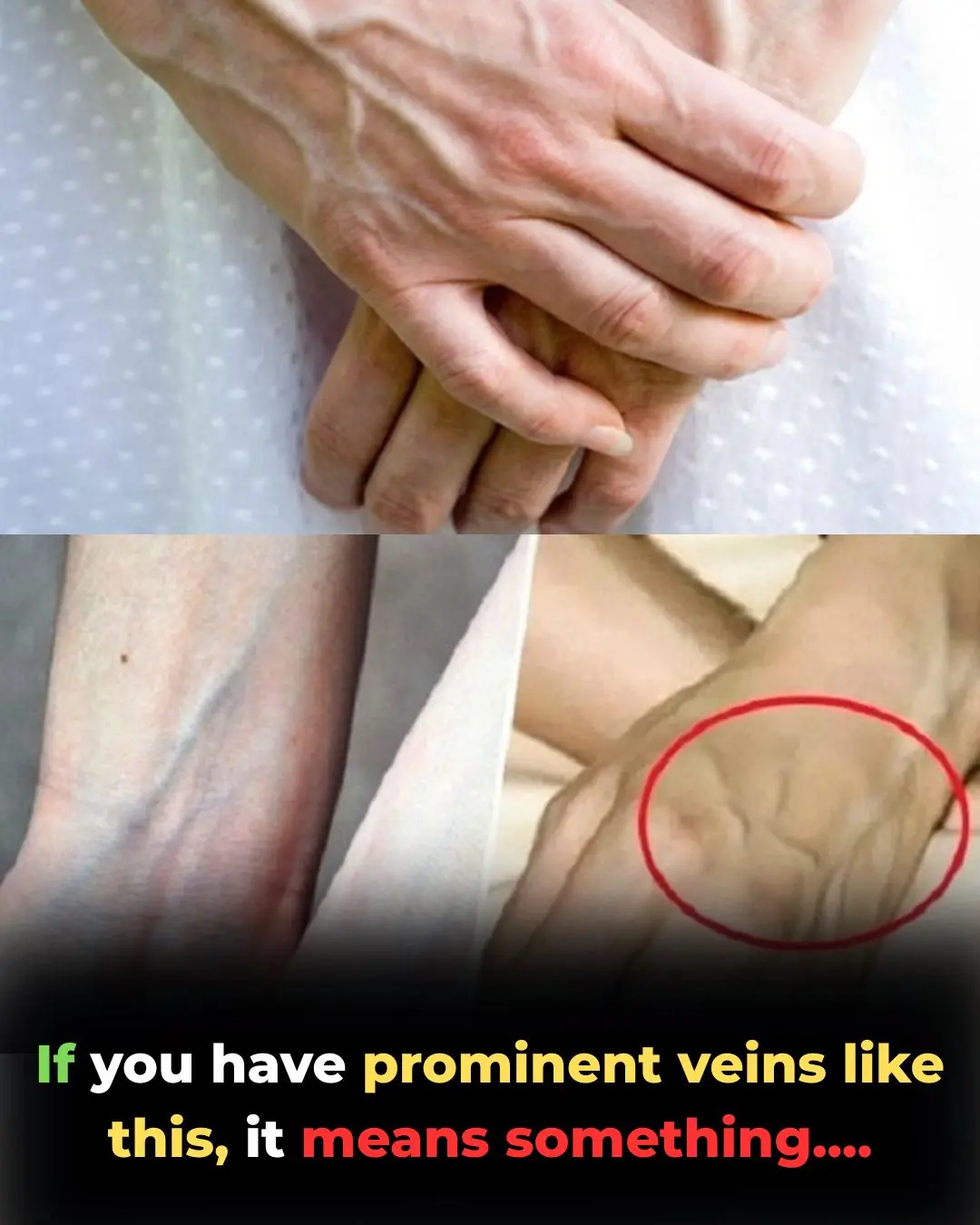
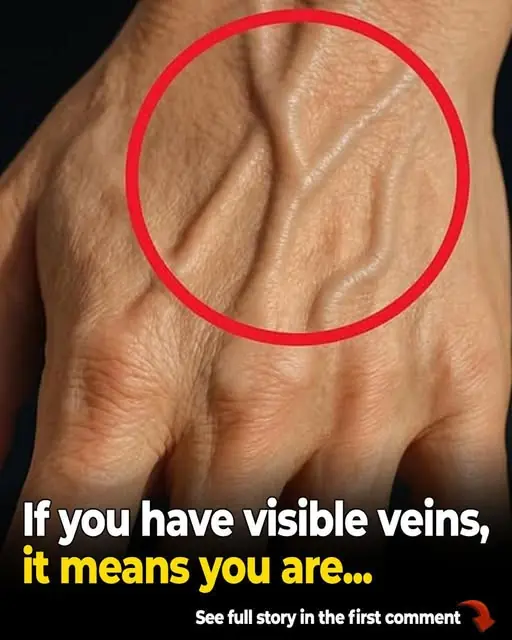
Visible veins—especially on the hands, arms, or legs—are often completely harmless. In many cases, they’re simply the result of low body fat, aging, or regular exercise.
But sometimes, veins that suddenly become more noticeable can be your body’s way of signaling something deeper going on.
Here are five health conditions that may be linked to prominent or bulging veins—and when you should pay attention.
Chronic Venous Insufficiency occurs when the valves in your veins become weak or damaged. This makes it harder for blood to return to the heart, causing it to pool in the legs.
Over time, this can lead to enlarged, twisted, or bulging veins.
This condition is more common in older adults and people who sit or stand for long periods.
Varicose Veins are one of the most common causes of visibly enlarged veins.
They occur when vein valves weaken, allowing blood to pool and veins to stretch.
Risk factors include genetics, pregnancy, obesity, and prolonged standing.
Deep Vein Thrombosis is a serious condition where a blood clot forms in a deep vein, usually in the leg.
While the clot itself may not always be visible, it can sometimes cause surface veins to appear more prominent due to blocked blood flow.
This condition is dangerous because the clot can travel to the lungs, becoming life-threatening. Immediate medical attention is essential.
Congestive Heart Failure occurs when the heart is unable to pump blood efficiently, leading to increased pressure in the veins.
This pressure can cause veins—especially in the neck, arms, or legs—to become more visible.
CHF is a chronic condition that requires ongoing medical care and should not be ignored.
Peripheral Vascular Disease involves narrowed blood vessels that reduce blood flow to the limbs.
Although it primarily affects arteries, it can also impact overall circulation, leading to visible veins as the body compensates.
PVD is often linked to atherosclerosis and can increase the risk of heart attack or stroke.
Visible veins are usually harmless—but sudden or unusual changes should never be ignored.
Seek medical advice if you notice:
Early detection can make a significant difference in preventing complications.
Your veins do more than carry blood—they can sometimes offer clues about your overall health.
While visible veins are often normal, especially in active or lean individuals, sudden changes may be worth paying attention to.
Listening to your body early is always the safest approach.