How to Manage Joint Pain During Menopause: Effective Tips and Treatments
:max_bytes(150000):strip_icc():format(webp)/Health-GettyImages-858596344-09922a1fcb4345658211a2f37b116863.jpg)
Menopause is when you stop getting your period, typically in people around 51 years old. It occurs because your ovaries stop making the hormone estrogen.1 Menopause and perimenopause (the transition period before menopause) can cause many uncomfortable symptoms because of hormonal changes and the decrease in estrogen. One common symptom is joint pain, which happens in over 50% of people during menopause and perimenopause.2
How to Manage Menopausal Joint Pain
If you’re experiencing joint pain during menopause, you might have pain in your knees, hips, lower back, or hands. The pain may range from mild to very uncomfortable. Some people find that joint pain during menopause affects their daily life and ability to function.3
There are many options for managing joint pain during menopause, including lifestyle changes and certain therapies.
1. Nutrition
Eating a balanced diet is always important, but becomes especially important as you age. During menopause in particular, you should make sure you're getting plenty of calcium and vitamin D. These help keep your bones strong, an important component of joint health.1
For joint pain in general, it's recommended to incorporate a diet that focuses on whole foods, like fruits, vegetables, nuts, fish, and beans, and minimize processed foods and foods high in saturated fat.4
2. Exercise
Exercise during menopause has specific benefits for bone and joint health, including:1
- Walking: This is a great way to keep your bones strong.
- Strength training: This involves lifiting weights or using your bodyweight, such as during situps, squats, or pushups, which are also beneficial for bones, muscles, and joints.
- Balance training: This involves keeping the body stable with or without moving. It can help you strengthen your joints and lower the odds of falls. Types of balancing exercises include tai chi, yoga, or walking backward or sideways.5
3. Medications
When you are experiencing joint pain that’s making it difficult to function, you should ask your healthcare provider about medication options. Many over-the-counter (OTC) painkillers can help.4
For moderate pain, you can try acetaminophen (Tylenol). For more serious pain, consider nonsteroidal anti-inflammatory drugs (NSAIDs) like ibuprofen. NSAIDs relieve both pain and inflammation. If OTC medicines aren’t strong enough, talk to your provider about a prescription painkiller.4
4. Weight Management
Maintaining the optimal weight you discussed with your provider can help with joint pain. That’s because additional weight can put pressure on your joints and cause pain. Even a moderate amount of weight loss can make a difference. Eating a balanced diet and adding in simple exercise like walking can help with weight management.4
5. Physical or Occupational Therapy
Exercising on your own is great. However, sometimes, seeking additional care from a trained professional can be helpful. Physical and occupational therapists can teach you exercises or ways of moving in your daily life that are healthy for your joints and can relieve joint pain.4
6. Hot or Cold Therapy
Certain at-home treatments can help with joint pain. If your joints feel achy, you can try a hot water bottle, a warm compress, a warm bath or shower, or a heating pad. If your joints are inflamed, try cold therapy, like a frozen bag of vegetables or an ice pack.4
7. Hormone Replacement Therapy (HRT)
Hormone replacement therapy (HRT) involves taking hormones to replace some of the hormones you’ve lost. In this case, replacing hormones like estrogen in people experiencing menopause. Right now, HRT isn’t specifically recommended for joint pain, and the research on its helpfulness is mixed. However, some providers may still prescribe HRT off-label for joint pain, so it’s worth speaking to your healthcare provider about this.67
What Causes Joint Pain?
There are several things that happen during menopause and as you age that contribute to joint pain:8
- Hormonal Changes: This is the most common cause of joint pain during menopause. During menopause, your estrogen levels drop significantly. However, during the transition to menopause (perimenopause), your hormones fluctuate, which can lead to mood swings and changes in your nervous system. These fluctuations may cause you to experience more aches and pains, including joint pain.
- Aging: As you age, you lose muscle mass and flexibility. Research suggests that muscle and joint pain increases as you move through the stages of menopause, from perimenopause to menopause to after menopause (postmenopause).
- Loss of Muscle Mass: Although everyone loses muscle mass as they age, postmenopausal women are likelier to lose muscle mass than men. This may be because of the decrease in estrogen that happens during menopause.9
- Excess Weight: Carrying extra weight on your body can increase the likelihood of experiencing joint pain. This is because the extra weight can put pressure on your bones and joints. Even a small amount of weight loss may be helpful in decreasing joint pain.
- Osteoarthritis: This is a condition where your joints become inflamed. It’s more likely to happen after the age of 65 and impacts more women than men. Osteoarthritis peaks in women after menopause.7
When To See a Healthcare Provider
If you're experiencing discomfort in your body, including joint pain, consider speaking to a healthcare provider. Although joint pain is common during perimenopause and menopause, it’s always good to have it looked at to make sure it isn't anything serious. A healthcare provider can give you options to help manage your symptoms.1
A Quick Review
Joint pain is common during perimenopause and menopause, which may be due to hormonal and physical changes that come with aging. You can manage joint pain with painkillers, exercise, and dietary changes. Talk to your provider about other options, including physical therapy and hormone replacement therapy.
News in the same category


4 Vitamins That May Help Support Bone, Brain, and Immune Health in Older Adults

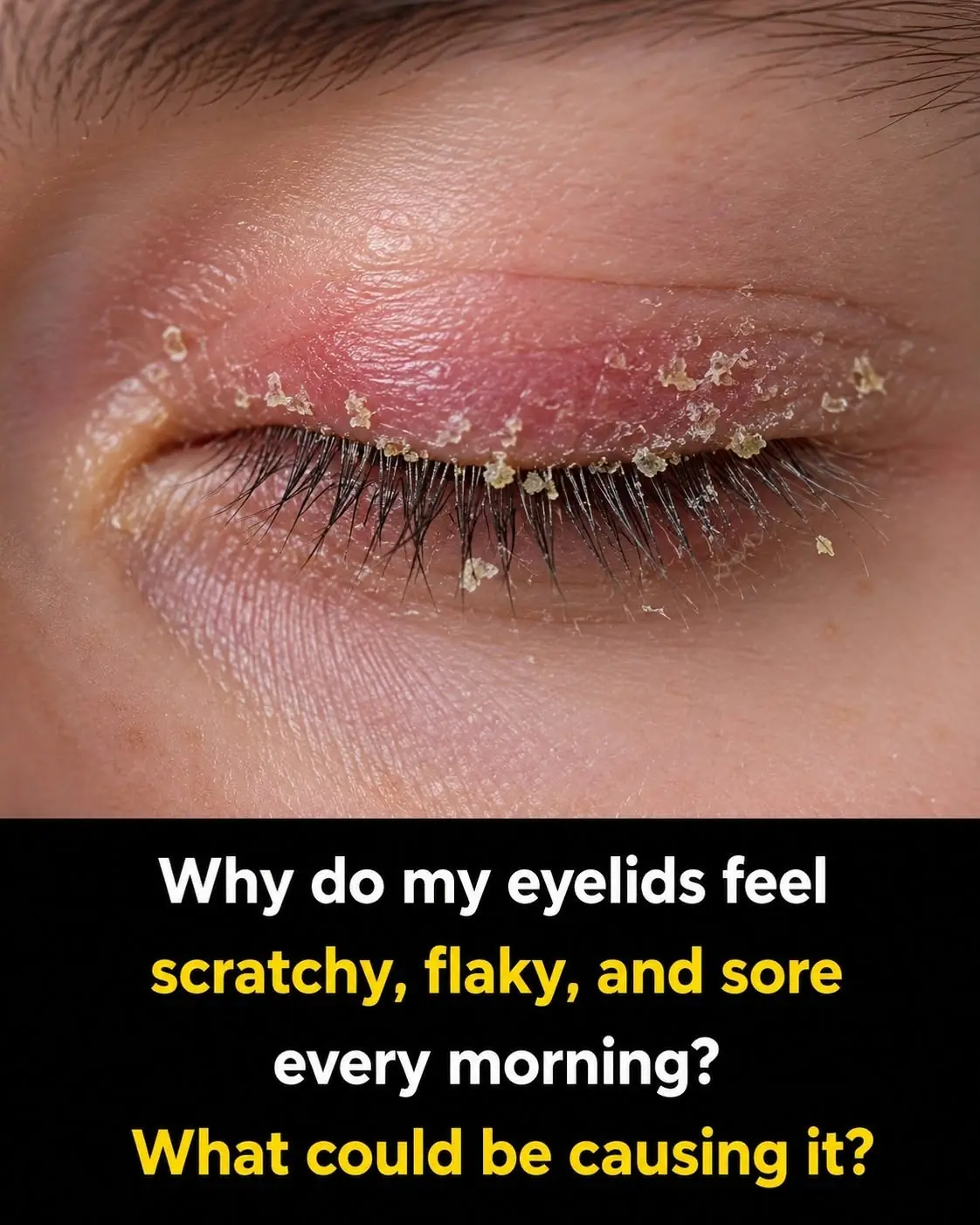
My eyelids feel sticky and irritated when I wake up every morning.

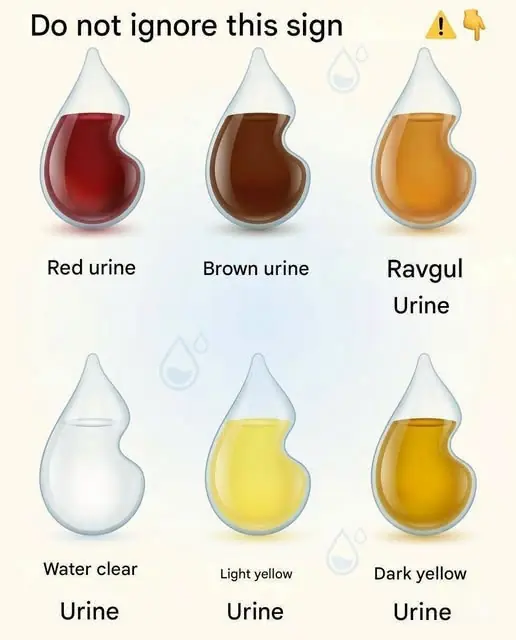
What the Color of Your Urine Can Tell You

7 Anti-Cancer Foods That Kill Cancer The Moment You Start Eating Them

A Scientific Look at Oregano’s Role in Supporting Wellness

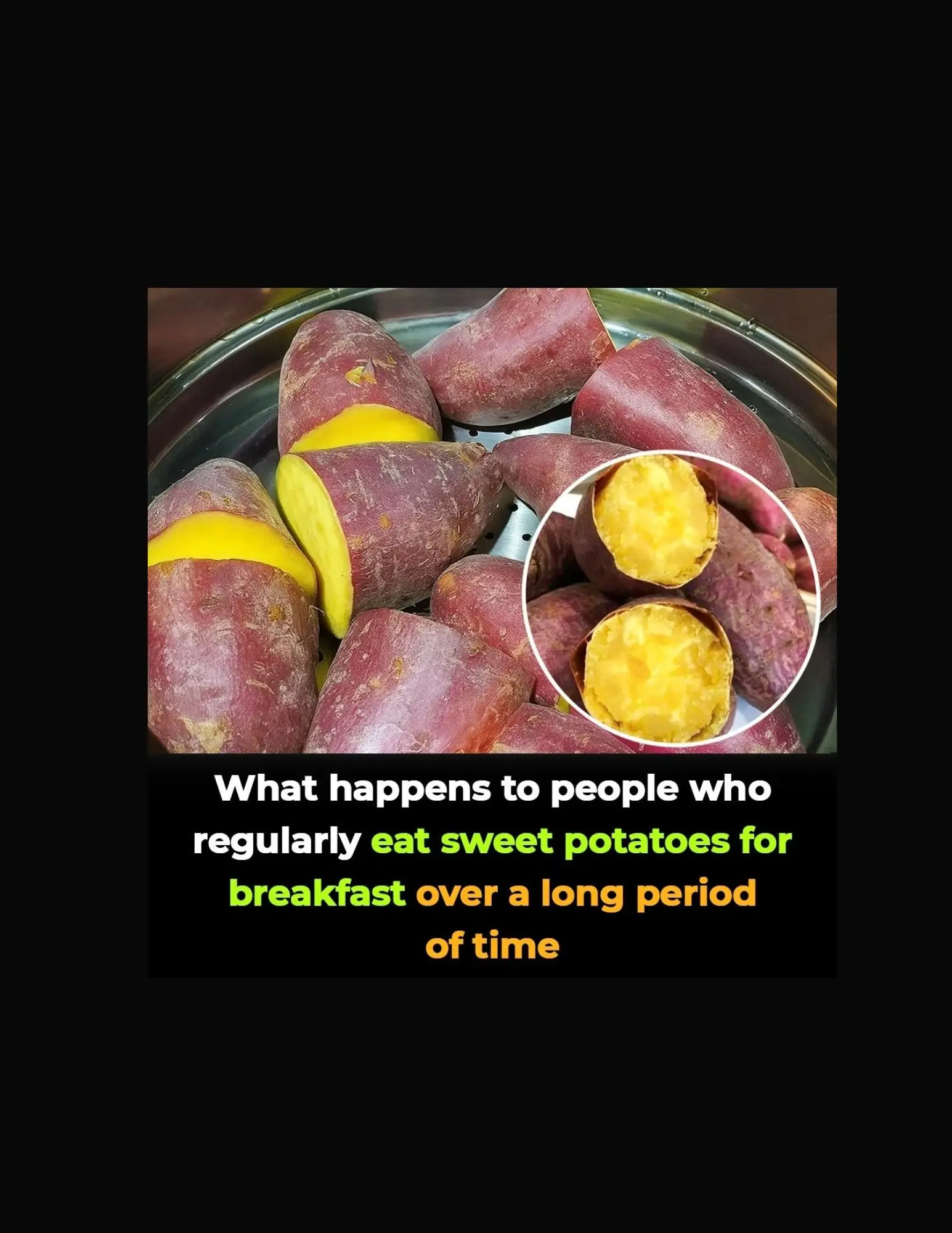
7 Shocking Health Benefits of Sweet Potatoes You Never Knew About

Eating Just One Bite is Already Harmful, But Many Still Eat It Without Worry

Frequent Nighttime Leg Cramps: What Your Body May Be Trying to Tell You

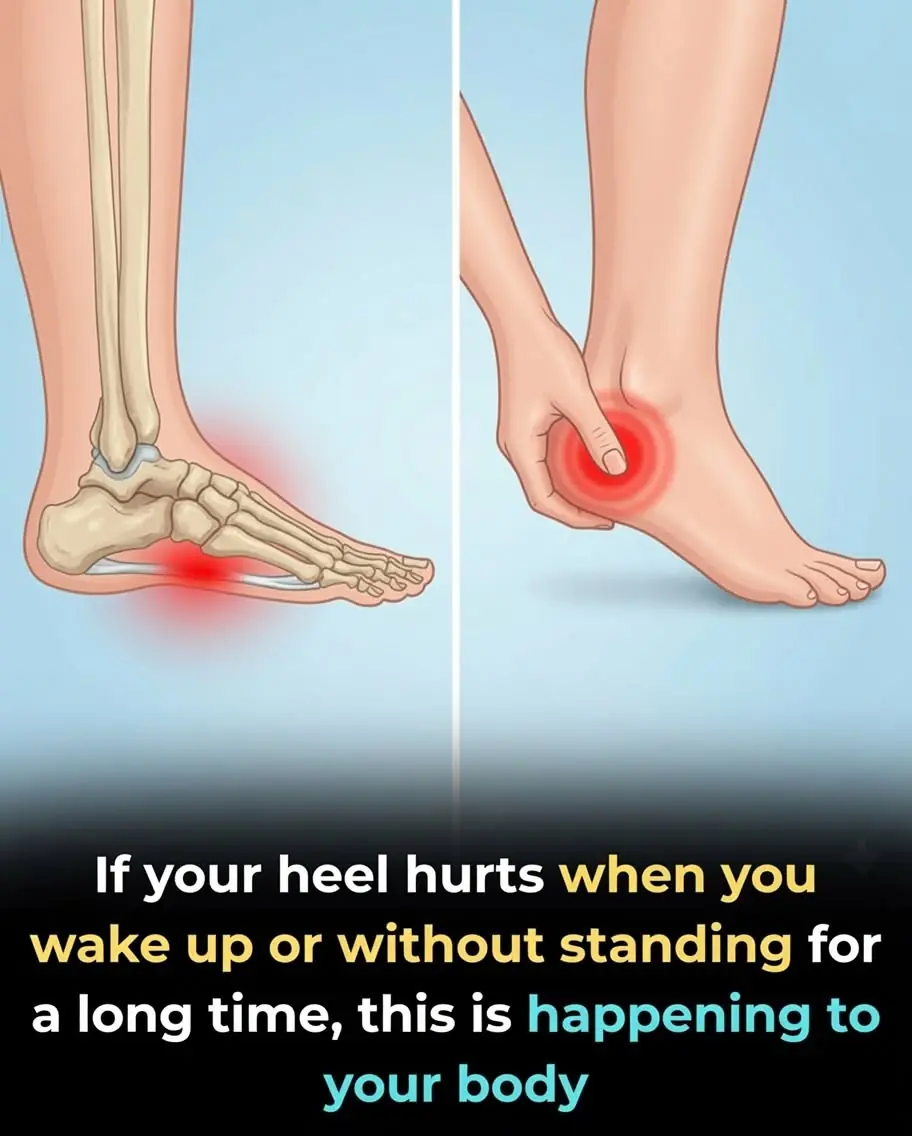
That nagging heel pain isn't always harmless. It could be an early sign of something worth checking

When Nighttime Leg Cramps Become a Concern

Thought It Was Just the Flu—A 12-Year-Old Boy's Fever Returned, and One Small Mark Changed Everything

Have you noticed small white spots on your arms or legs… and you don't know what they are?

Early Detection Matters: 8 Symptoms That May Signal Cancer in Older Adults

Doctors Discuss Chemicals in Toilet Paper and What Consumers Should Know

What Happens When You Eat Onions Regularly

3 intimate habits of husbands that may increase wives risk of cervical cancer

Six Bathroom Signs That Should Never Be Ignored: What Your Body May Be Trying to Tell You

Warning Signs of a Stroke Your Body May Show
News Post

The grand ballroom doors exploded open so loudly that the violin music died in the same second.

Woman Ate Eggs at Every Meal for Five Months—A Routine Checkup Revealed a Surprising Blood Test Result

4 Vitamins That May Help Support Bone, Brain, and Immune Health in Older Adults

The body of the mafia boss had been brought to the morgue just an hour earlier, and the doctor was already preparing to make the first incision when she suddenly noticed something unusual. What happened next left the entire hospital in shock…

The new inmate was deliberately sent to the showers, with the hope of humiliating her in front of everyone. But none of the prisoners could have imagined what would happen just a few minutes later—or who this quiet woman really was…

Poachers tied a young woman to a tree to be torn apart by lions. But when an entire pride emerged in response to her screams, something unbelievable happened.

People at the airport spotted a uniformed man lying on the floor beside a German Shepherd. Everyone was stunned when they discovered why the dog was barking and growling at everyone nearby.

The Ballroom's Hidden Daughter

My eyelids feel sticky and irritated when I wake up every morning.

What the Color of Your Urine Can Tell You

7 Anti-Cancer Foods That Kill Cancer The Moment You Start Eating Them

Daughter the Ranch Tried to Forget

The Standoff in the Shadows

Why Do Some Men Keep One Fingernail Long

The man's children abandoned their helpless father in a remote forest for his money, expecting wild animals to kill him. But what a massive wolf did next shocked the entire region.

Every night, the young king had a different woman, yet not a single one of them lived to see the dawn. To avoid provoking his wrath, every noble family was required to send him their daughter

They Tried to Throw Out of the Store Was Hiding a Secret No One Saw Coming

A Scientific Look at Oregano’s Role in Supporting Wellness

7 Shocking Health Benefits of Sweet Potatoes You Never Knew About