Peripheral neuropathy can be a frustrating, persistent, and often painful condition that affects millions of people worldwide. It commonly presents as nerve pain, tingling, burning, numbness, or weakness in the feet, toes, and legs, though it can also impact the hands and arms. These symptoms can interfere with mobility, sleep, and overall quality of life. In this article, we’ll explore what causes peripheral neuropathy, why proper diagnosis matters, available treatment options, and practical strategies to help manage symptoms effectively.
👉 Key Takeaways
-
Understand the Causes: Peripheral neuropathy can result from diabetes, alcohol use, injuries, nutritional deficiencies, and various medical conditions.
-
Seek Proper Diagnosis: Identifying the underlying cause is essential for effective treatment and symptom control.
-
Explore Treatment Options: A combination of medications, lifestyle changes, and therapies often provides the best results.
-
Use Home and Supportive Remedies: Stretching, massage, proper footwear, and circulation support can significantly reduce discomfort and improve daily function.
✨ What Is Peripheral Neuropathy?
Peripheral neuropathy occurs when the peripheral nerves—those outside the brain and spinal cord—become damaged or dysfunctional. These nerves are responsible for transmitting signals related to sensation, movement, and autonomic functions. When they are compromised, symptoms such as pain, numbness, tingling, burning sensations, and muscle weakness may develop, particularly in the feet and hands.
Common causes include:
Diabetes
Chronically elevated blood sugar levels can damage nerves over time, leading to diabetic neuropathy, one of the most common forms of the condition. This damage usually affects the longest nerves first, which explains why symptoms often begin in the feet and legs before progressing upward.
Alcohol Use
Long-term excessive alcohol consumption can result in alcoholic neuropathy. Alcohol has toxic effects on nerve tissue and is often associated with poor nutrient absorption, especially B vitamins. This combination can lead to burning pain, numbness, muscle weakness, and balance problems.
Injuries
Physical trauma, such as car accidents, sports injuries, or falls, can damage nerves directly or cause compression. Conditions like herniated discs or spinal injuries may pinch nerves, leading to radiating pain, tingling, or numbness down the legs, commonly known as sciatica.
Nutritional Deficiencies
Deficiencies in key nutrients—especially B vitamins (B1, B6, B9, B12) and vitamin E—can impair nerve function and structure. For example, vitamin B12 deficiency can damage the protective myelin sheath around nerves, disrupting signal transmission.
Other Medical Conditions
Peripheral neuropathy may also be linked to thyroid disorders, autoimmune diseases (such as lupus, rheumatoid arthritis, or Guillain-Barré syndrome), kidney disease, and certain infections, including Lyme disease, shingles, and HIV. These conditions can either directly damage nerves or create inflammation and toxicity that harm nerve tissue.
🎯 Importance of Proper Diagnosis
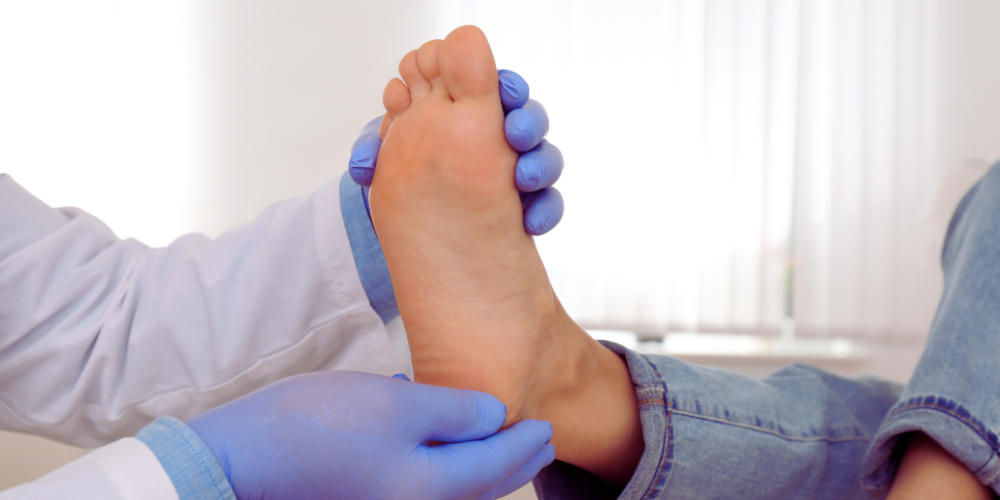
Accurate diagnosis is a critical step in managing peripheral neuropathy. Many people assume their symptoms are neuropathy-related when they may actually stem from spinal issues, circulatory problems, or other nerve disorders. Misdiagnosis can delay effective treatment and allow symptoms to worsen.
Steps to consider include:
-
Consult a Podiatrist: Especially helpful for foot-related nerve pain. A podiatrist can distinguish between neuropathy and conditions such as plantar fasciitis or tendon injuries and may recommend orthotics or specialized footwear.
-
See a Neurologist: Neurologists specialize in nervous system disorders and can perform detailed examinations, nerve conduction studies (NCS), and electromyography (EMG) to determine the location and severity of nerve damage.
-
Imaging Tests: X-rays, CT scans, or MRIs may be used to identify structural causes of nerve compression, such as spinal stenosis, herniated discs, or tumors.
-
Blood Tests: These can reveal underlying issues like diabetes, vitamin deficiencies, autoimmune conditions, or organ dysfunction that may be contributing to nerve damage.
⚙️ Treatment Options
Managing peripheral neuropathy often requires a multi-pronged approach that targets both symptoms and underlying causes.
➡️ Medications
-
Pain Relievers: Over-the-counter medications may help mild pain, while prescription options are sometimes used for more severe discomfort.
-
Antidepressants: Certain antidepressants can reduce nerve pain by altering how pain signals are processed in the brain.
-
Anti-seizure Medications: Drugs like gabapentin and pregabalin are commonly prescribed to calm overactive nerve signals.
-
Topical Treatments: Creams containing capsaicin or lidocaine can provide localized relief for specific painful areas.
➡️ Lifestyle Changes
-
Diet: A nutrient-rich diet supports nerve repair and function. Focus on foods high in B vitamins and antioxidants.
-
Blood Sugar Control: For diabetic neuropathy, maintaining stable blood glucose levels is essential to prevent further nerve damage.
-
Exercise: Low-impact activities such as walking, swimming, cycling, or yoga can improve circulation, reduce inflammation, and enhance muscle strength.
-
Avoid Alcohol and Smoking: Both can worsen nerve damage and slow recovery.
➡️ Home Remedies
-
Supportive Footwear: Well-cushioned shoes with a wide toe box help reduce pressure on nerves. Orthotic inserts can provide additional support.
-
Massage and Stretching: Gentle massage improves circulation and reduces muscle tension, while stretching helps maintain flexibility and reduce nerve compression.
-
Warm Foot Baths: Warm (not hot) water can relax muscles and stimulate blood flow.
-
Epsom Salt Soaks: Magnesium from Epsom salts may help ease muscle tension and nerve discomfort.
➡️ Alternative and Supportive Therapies
-
Acupuncture: May stimulate nerve function and promote natural pain relief.
-
Compression Therapy: Stockings or devices can improve circulation and reduce swelling in the legs.
-
TENS Therapy: Electrical stimulation can block pain signals and encourage endorphin release.
-
Physical Therapy: Customized exercise and balance programs can reduce pain and improve mobility.
🩺 When to Seek Further Help
If symptoms persist, worsen, or significantly interfere with daily activities, further medical evaluation is necessary. In severe cases, surgical intervention may be considered to relieve nerve compression caused by structural issues. Advanced pain management techniques, such as nerve blocks or spinal cord stimulation, may also be explored when conventional treatments are ineffective.
👉 Conclusion
Peripheral neuropathy affecting the feet, toes, and legs can be life-altering, but it is manageable with the right knowledge and approach. Understanding the causes, obtaining an accurate diagnosis, and using a comprehensive treatment strategy can greatly reduce symptoms and improve quality of life. By combining medical care with lifestyle changes, home remedies, and supportive therapies, many people find meaningful relief and regain control over their daily activities. Always work closely with healthcare professionals to develop a personalized and effective treatment plan.