Most Doctors Won’t Tell You, But This Can Cut Heart Attack & Stroke Risk By 80%
Health 07/01/2026 21:21
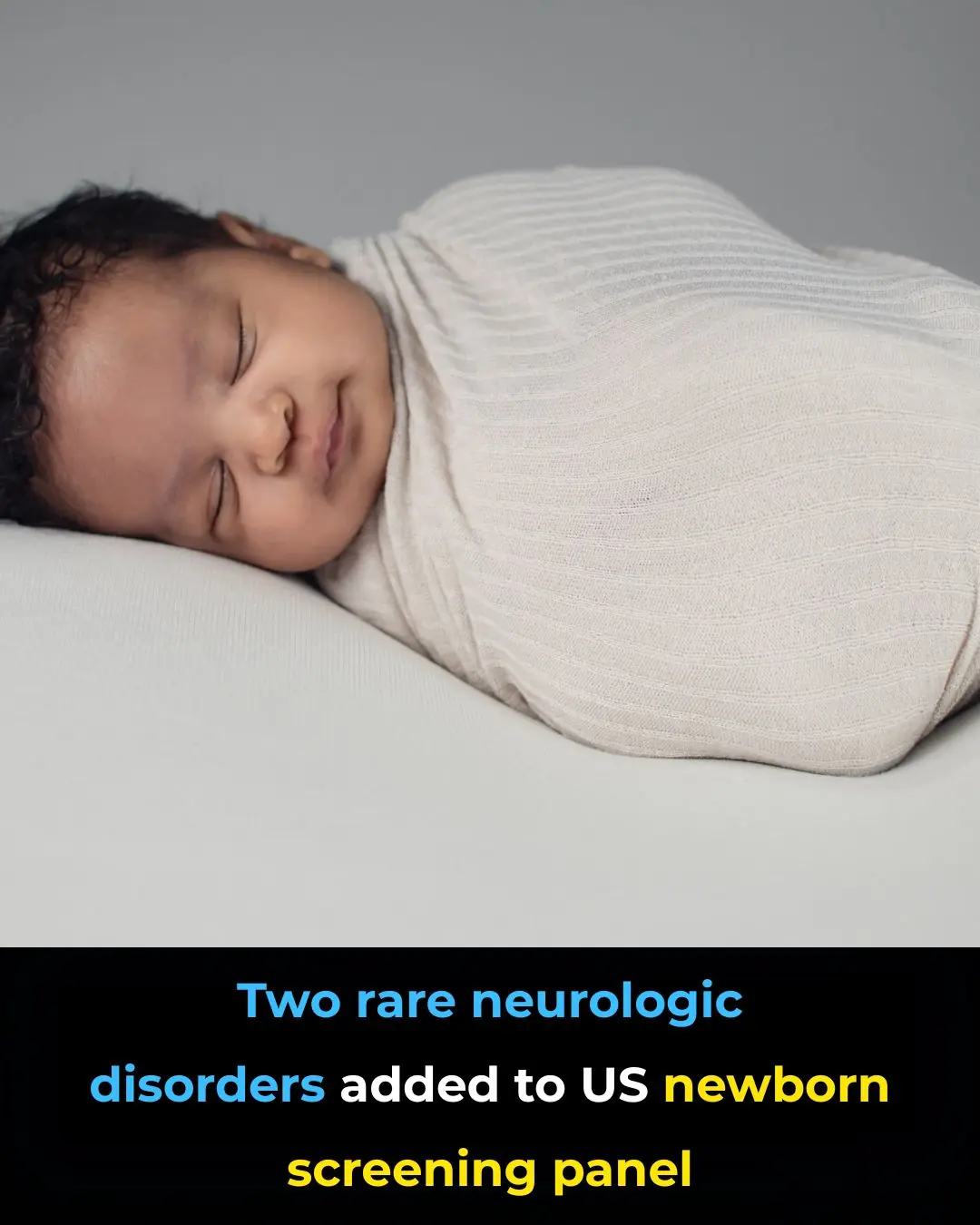
The US Department of Health and Human Services (HHS) has officially added two rare congenital neurologic disorders — Duchenne muscular dystrophy (DMD) and metachromatic leukodystrophy (MLD) — to the Recommended Uniform Screening Panel (RUSP) for newborns. The decision reflects growing recognition that early detection is critical for improving outcomes in children affected by these devastating conditions.
Federal health officials emphasized that advances in diagnosis and the availability of FDA-approved therapies now make population-level newborn screening both clinically meaningful and ethically justified.
The RUSP serves as a national framework guiding state newborn screening programs across the United States. Conditions are added only after rigorous evaluation of disease severity, screening feasibility, and the availability of effective treatment.
By including DMD and MLD, HHS aims to ensure that affected infants are identified before irreversible neurologic or muscular damage occurs, allowing families to pursue timely interventions, specialized care, and supportive services.
Although each state ultimately determines its own screening panel, additions to the RUSP strongly influence nationwide adoption.
Duchenne muscular dystrophy is a severe X-linked genetic disorder caused by mutations in the dystrophin gene. It primarily affects boys, with symptoms typically emerging in early childhood. Progressive muscle weakness leads to loss of ambulation, respiratory failure, and cardiomyopathy, often resulting in premature mortality.
Historically, DMD has been diagnosed only after clinical symptoms become apparent—by which point significant muscle damage has already occurred. Newborn screening allows identification of affected infants months or years earlier, opening a critical window for intervention.
Recent therapeutic advances, including gene-targeted therapies and exon-skipping treatments approved by the FDA, have shown promise in slowing disease progression when initiated early. Early diagnosis also enables proactive cardiac and pulmonary monitoring, which can further extend survival and improve quality of life.
Metachromatic leukodystrophy is a rare, inherited lysosomal storage disorder caused by deficiency of the enzyme arylsulfatase A. The condition leads to progressive demyelination of the central and peripheral nervous systems, resulting in loss of motor function, cognitive decline, and early death in its most severe forms.
MLD is particularly challenging because symptoms often appear only after extensive neurologic damage has already occurred, limiting treatment effectiveness. However, recent breakthroughs—most notably FDA-approved gene therapy for presymptomatic or early-stage patients—have transformed the therapeutic landscape.
Newborn screening makes it possible to identify infants with MLD before symptoms begin, allowing timely referral for confirmatory testing and early treatment that may significantly alter disease trajectory.
HHS officials highlighted that the decision to add DMD and MLD was driven in large part by the availability of disease-modifying therapies. Screening is considered appropriate only when early diagnosis leads to interventions that meaningfully improve outcomes.
In both conditions, evidence indicates that earlier treatment initiation correlates with better functional preservation, reinforcing the value of newborn screening as a gateway to life-altering care.
Early identification also provides families with:
Access to genetic counseling
Opportunities to enroll in clinical trials
Time to prepare emotionally and practically for complex care needs
Informed reproductive planning for future pregnancies
From a healthcare system perspective, early diagnosis may reduce long-term costs associated with advanced disease complications, hospitalizations, and supportive care.
Experts note that adding conditions to the RUSP is an evolving process, reflecting rapid advances in genomic medicine and therapeutics. The inclusion of DMD and MLD signals a broader shift toward precision medicine in newborn care, where early genetic insights guide targeted interventions.
As states move to implement these screening changes, continued investment in laboratory infrastructure, clinician education, and follow-up care will be essential to ensure equitable access and consistent outcomes.
The addition of Duchenne muscular dystrophy and metachromatic leukodystrophy to the US newborn screening panel marks a significant milestone in pediatric and neurologic care. By enabling early diagnosis and access to FDA-approved therapies, the policy offers new hope to families affected by rare but devastating disorders—and underscores the life-saving potential of modern newborn screening programs.