Interesting
Health 21/07/2026 16:08
Bruises are common and usually harmless. Most of us have had a bruise after bumping into furniture or playing sports. However, if you're noticing frequent or unexplained bruises appearing on your body—especially without any clear injury—it might be your body's way of sending you a warning. While often brushed off as nothing serious, recurring or random bruising can sometimes point to an underlying health issue that shouldn’t be ignored.
What Causes a Bruise?
A bruise, or contusion, forms when small blood vessels under the skin break due to impact or pressure, allowing blood to leak into the surrounding tissue. This causes the familiar black-and-blue discoloration that fades over time as the body reabsorbs the blood. But when bruises start appearing for no obvious reason, something else may be going on beneath the surface.
Possible Reasons for Unexplained Bruising
Vitamin Deficiencies
Lack of certain vitamins—especially Vitamin C, Vitamin K, and Vitamin B12—can weaken blood vessels and impair the blood’s ability to clot properly. People with poor nutrition or absorption issues may bruise more easily.
Aging
As we age, our skin becomes thinner and our blood vessels more fragile. This means older adults often bruise more easily, even from minor bumps they may not remember.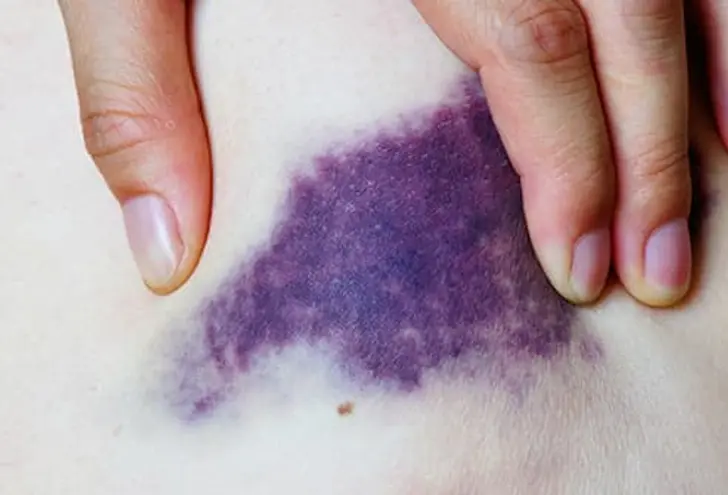
Medications
Certain medications such as blood thinners (e.g., aspirin, warfarin), steroids, and even some over-the-counter painkillers can affect how your blood clots, increasing your tendency to bruise. Always review side effects and consult your doctor if you're concerned.
Bleeding Disorders
Conditions like hemophilia or von Willebrand disease impair the body’s ability to clot, leading to frequent bruising, prolonged bleeding from small cuts, or spontaneous nosebleeds.
Leukemia and Blood Cancers
One of the more serious potential causes of unexplained bruising is a blood-related cancer like leukemia. In such cases, bruises may appear easily and in unusual places, such as the back or abdomen. This is often accompanied by other symptoms like fatigue, frequent infections, or pale skin.
Liver Disease
Your liver produces clotting factors. If it's not working properly—as in the case of cirrhosis or hepatitis—it can cause easy bruising due to a reduction in these vital proteins.
Low Platelet Count (Thrombocytopenia)
Platelets help stop bleeding. If you have too few, it may result in spontaneous bruising, bleeding gums, or red spots on the skin.
When to See a Doctor
It’s crucial to listen to your body. While one or two unexplained bruises may not be a cause for alarm, consistent or large bruises, especially when accompanied by other symptoms like fatigue, prolonged bleeding, or fever, should prompt a visit to your doctor. Early diagnosis could prevent more serious health problems.
You should seek medical advice if:
Bruises are unusually large or painful
They appear frequently or in unusual places
You have no memory of an injury
You notice additional symptoms such as fatigue, dizziness, or nosebleeds
Conclusion
Random bruises may seem like minor annoyances, but they can sometimes be signals that something more serious is happening inside your body. By paying attention to these signs and seeking timely medical advice, you can protect your health and possibly catch conditions early—when they are most treatable. Don’t ignore the marks your body leaves behind; they might just be telling you something important.