Japan's Groundbreaking Tsunami Wall Combines Engineering and Environmental Resilience
In a visionary move aimed at disaster preparedness, Japan has completed a monumental 395-kilometer tsunami wall along its vulnerable coastline, designed to protect communities from the devastating impacts of future tsunamis, storm surges, and rising sea levels caused by climate change. This massive infrastructure project reflects the nation’s proactive approach to safeguarding its coastal regions from increasingly frequent and severe natural disasters.
The tsunami wall is not merely a concrete barrier, but part of a broader strategy to enhance the resilience of Japan’s coastline. In an innovative fusion of engineering and nature, 9 million trees were planted alongside the wall to form a natural green barrier. These forests, strategically placed to work in tandem with the man-made structure, offer multiple benefits. They absorb the impact of waves, reduce soil erosion, and help restore long-term ecological balance, ensuring that the defense system is not only protective but also environmentally sustainable.
This dual approach—integrating advanced engineering with natural solutions—demonstrates a forward-thinking strategy that could serve as a global model for disaster resilience. Experts worldwide are praising the project for its ingenuity, noting that it represents a new paradigm for how nations can address environmental challenges while protecting both human lives and natural landscapes. By merging infrastructure with environmental stewardship, Japan is setting a powerful example for how to mitigate the effects of climate change while fostering ecological sustainability.
In addition to its physical and ecological benefits, the project also emphasizes the importance of planning for long-term environmental changes. Rising sea levels and intensifying storms due to climate change pose growing threats to coastal communities worldwide. Japan’s integrated defense system not only addresses immediate risks but also creates a model for future resilience that could inspire other nations facing similar challenges. The combination of concrete engineering with a green, living barrier creates a sustainable solution that benefits both people and the planet.
As climate change continues to reshape the world’s coastal regions, Japan’s approach shows that it is possible to protect communities from natural disasters while maintaining environmental health. By combining the power of human ingenuity with the resilience of nature, Japan’s tsunami wall stands as a symbol of hope and a blueprint for the future of disaster preparedness.

News in the same category


How Carmel, Indiana Transformed Its Streets with Roundabouts, Boosting Safety, Reducing Costs, and Cutting Emissions

China Discovers the First Plant Capable of Forming Rare-Earth Minerals Inside Its Tissues

James Webb Telescope Captures Stunning Einstein Ring, Unlocking Secrets of the Early Universe

Groundbreaking Cell Therapy Offers New Hope for Spinal Cord Injury Recovery

A Soldier’s Heartfelt Moment: A Birth Across Distance and Strangers’ Applause

Revolutionary Contact Lenses with Night Vision Unveiled by Japanese Researchers

A Life-Changing Spinal Surgery Restores Health and Confidence

The Lost Human Species: A Glimpse Into Our Shared Past

The Swedish Oak Forest: A Symbol of Foresight and the Unpredictability of Progress

Promising New mRNA Vaccine Shows Potential to Combat Pancreatic Cancer

Plant in the Bible Said to Heal All Ailments

Why Successful People Often Wear Rings on Their Right Hand

Which Raw Food Would You Eat

88-Year-Old U.S. Army Veteran Receives Generous Retirement Gift After Viral Video Inspires Global Donations

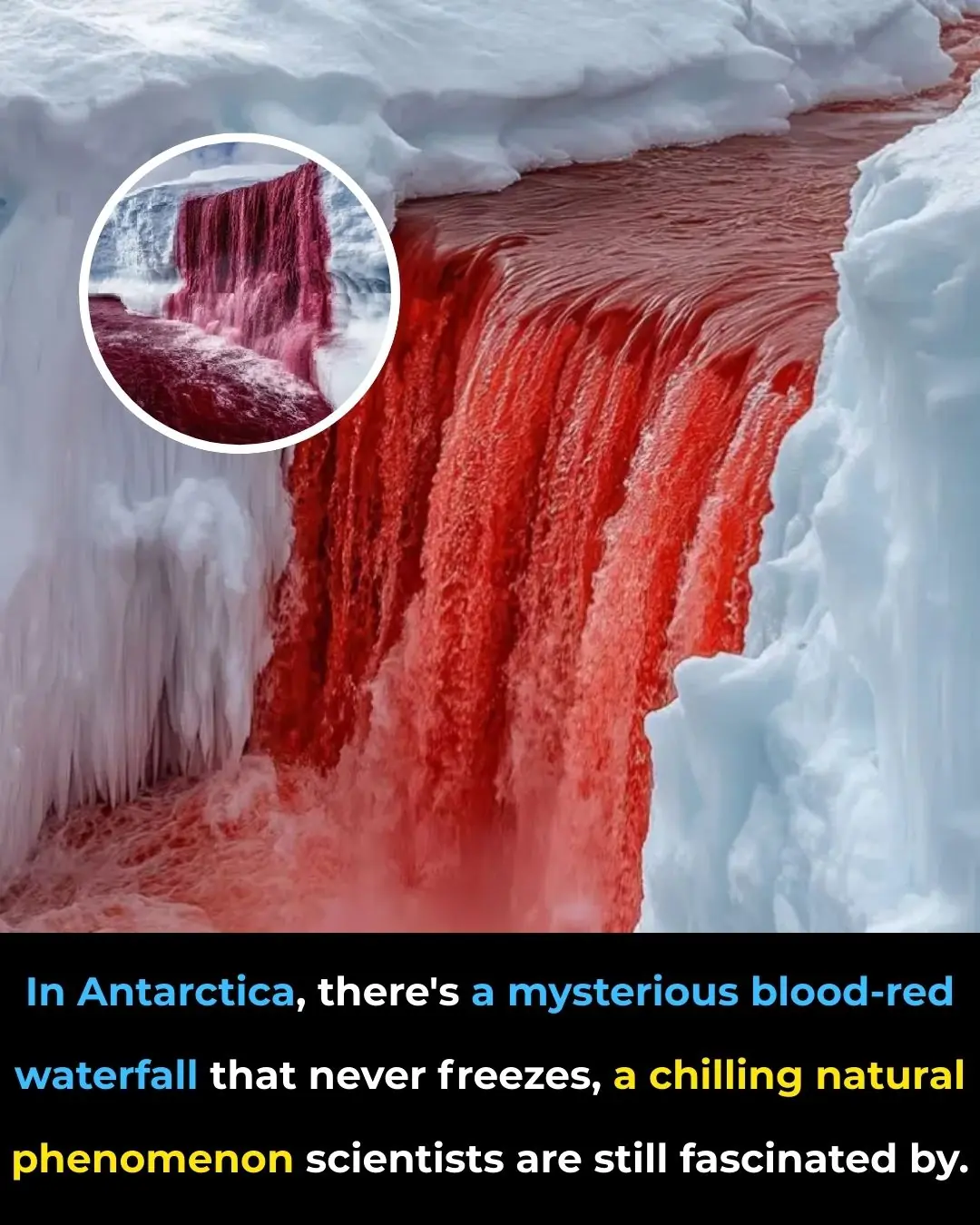
Blood Falls: Antarctica's Mysterious Red Waterfall That Never Freezes

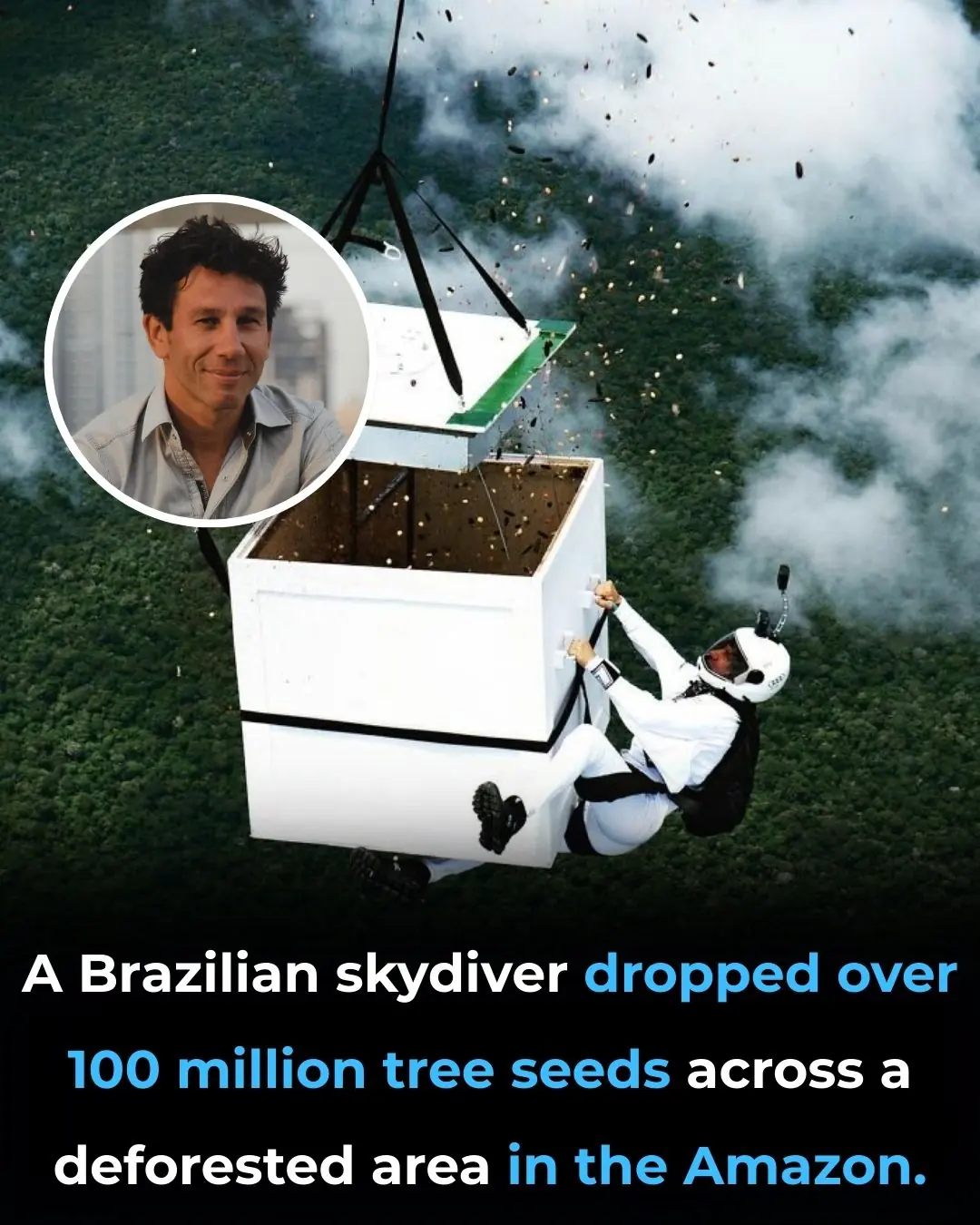
Brazilian Skydiver Drops 100 Million Tree Seeds to Help Restore the Amazon Rainforest

Japan Unveils Its First Hydrogen-Powered Train, Paving the Way for Clean and Sustainable Transportation

China's AI-Powered, Driverless Tractors Revolutionize Farming with 5G Connectivity and Precision Agriculture
News Post

8 Warning Signs of Ovarian Cancer Women Should Never Ignore

The Hidden Causes of Bloating — And the Fastest Way to Fix It Naturally

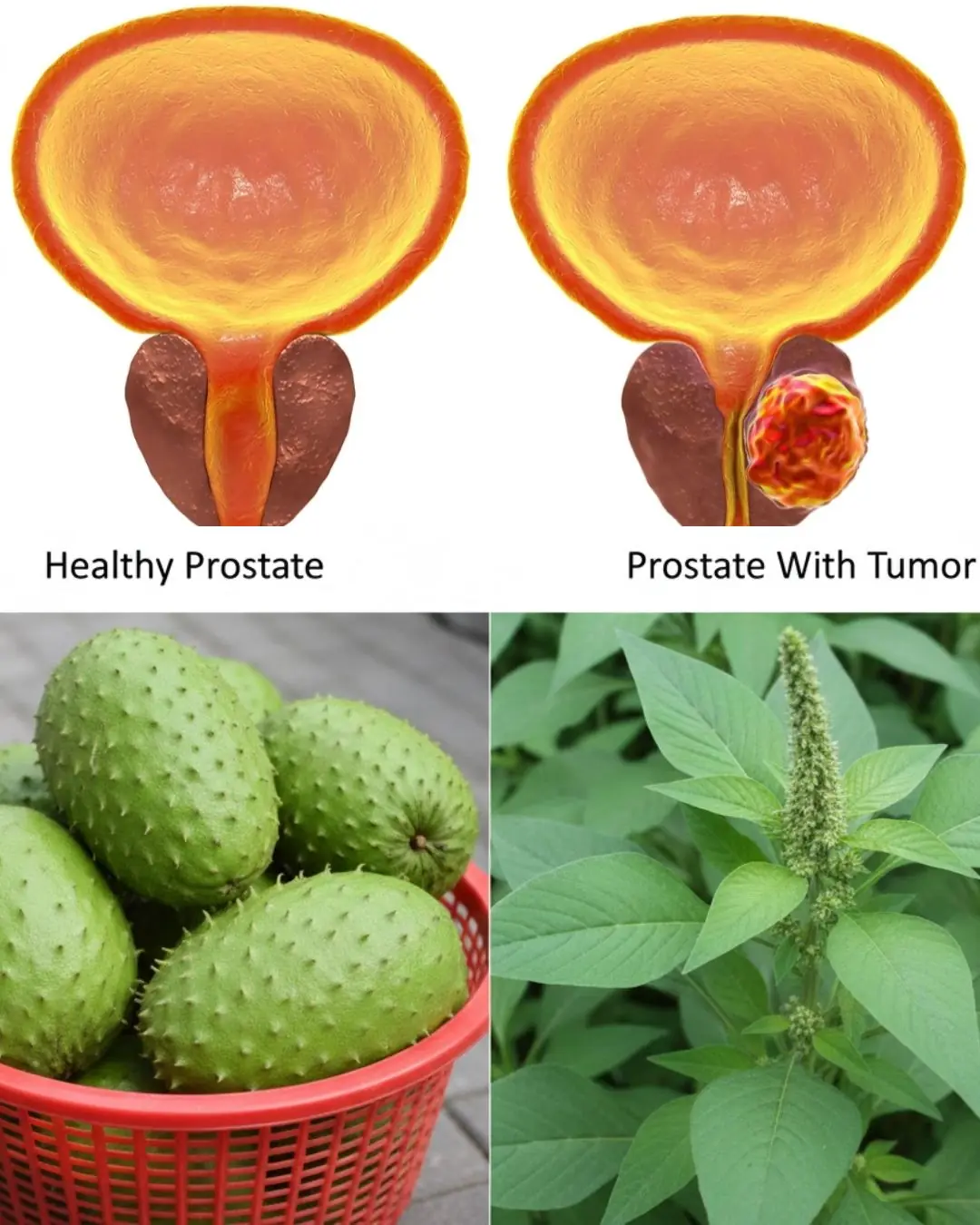
No Man Should Die From Prostate Cancer: The Natural Remedy Every Man Should Know

Jessica Cox: The World’s First Licensed Armless Pilot and Her Journey to Inspire the Impossible

How Carmel, Indiana Transformed Its Streets with Roundabouts, Boosting Safety, Reducing Costs, and Cutting Emissions

China Discovers the First Plant Capable of Forming Rare-Earth Minerals Inside Its Tissues

James Webb Telescope Captures Stunning Einstein Ring, Unlocking Secrets of the Early Universe

Groundbreaking Cell Therapy Offers New Hope for Spinal Cord Injury Recovery

A Soldier’s Heartfelt Moment: A Birth Across Distance and Strangers’ Applause

Revolutionary Contact Lenses with Night Vision Unveiled by Japanese Researchers

A Life-Changing Spinal Surgery Restores Health and Confidence

The Lost Human Species: A Glimpse Into Our Shared Past

The Swedish Oak Forest: A Symbol of Foresight and the Unpredictability of Progress

Promising New mRNA Vaccine Shows Potential to Combat Pancreatic Cancer

⚠️ Toxic If Improperly Prepared: The Hidden Risk of Cassava

How to Get Rid of Milia

His whole body was itchy, he thought it was an allergy but then he was diagnosed

Plant in the Bible Said to Heal All Ailments