
Study Links Cockroach Infestations to Poor Indoor Air Quality and Health Risks
Facts 01/12/2025 21:19
A recent study conducted by researchers at the University of California, Riverside, has uncovered a troubling link between microplastic exposure and increased artery plaque buildup, with the findings revealing a striking gender difference. According to the study, male mice exposed to microplastics experienced significantly more severe cardiovascular damage than their female counterparts. The research suggests that microplastics, commonly found in our environment and even inside our bodies, may directly contribute to cardiovascular disease, particularly in men.
The study utilized a well-established mouse model prone to heart disease — LDLR-deficient mice, which are genetically predisposed to developing cardiovascular issues. Both male and female mice were exposed to a daily dose of microplastics for a period of nine weeks. Despite being fed a controlled, low-fat, and low-cholesterol diet, the male mice exhibited a 63% increase in plaque formation at the aortic root and a startling 624% increase in plaque buildup in the brachiocephalic artery. In contrast, the female mice did not show any significant increase in plaque formation. These results suggest that microplastics have a sex-specific impact on cardiovascular health, with males being more vulnerable to the detrimental effects of these particles.
One of the most significant findings of the study is that the microplastics did not lead to weight gain or an increase in cholesterol levels in the mice. This indicates that the observed cardiovascular damage was not linked to traditional risk factors for heart disease, such as high cholesterol or obesity. Instead, the researchers found that the microplastics directly entered the arteries and interacted with the endothelial cells that line the blood vessels. These interactions altered the normal function of the endothelial cells and promoted the formation of plaque within the arteries.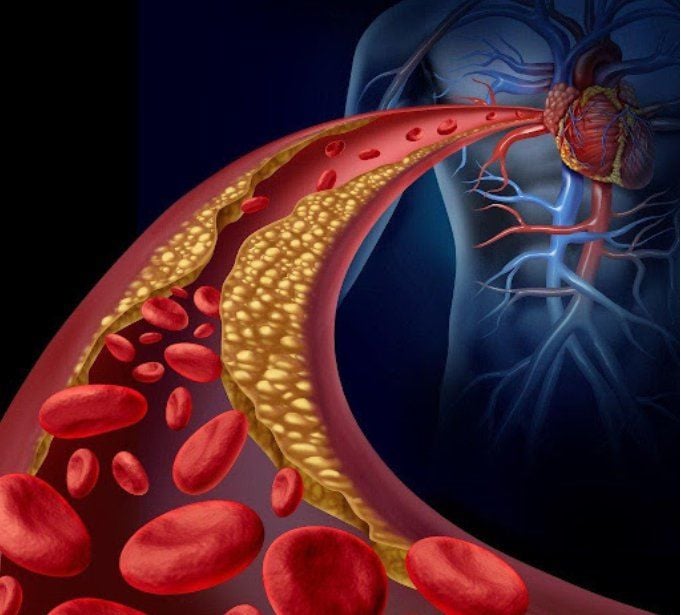
The researchers further confirmed the presence of microplastics by detecting fluorescent particles embedded within the artery walls, providing concrete evidence that the particles were actually accumulating in the cardiovascular system. This direct interaction between microplastics and the arterial walls raises concerns about the potential long-term effects of microplastic pollution on human health, especially considering that microplastics are present in the air, water, food, and even the human body.
This study adds to the growing body of evidence that microplastics — tiny plastic particles that have been increasingly detected in various environmental and biological systems — can have harmful effects on cardiovascular health. While the study was conducted in mice, the implications for human health are significant, and it underscores the need for more research into the potential links between microplastic exposure and heart disease. Researchers plan to investigate the underlying mechanisms in humans and explore how different types and sizes of microplastics may contribute to cardiovascular problems.
The findings also highlight the importance of studying gender differences in how individuals respond to environmental pollutants. The study’s results suggest that biological differences between males and females may play a role in determining how each gender is affected by microplastic exposure, a topic that warrants further investigation.
As microplastic pollution continues to rise globally, this research presents an urgent call to action. The growing presence of microplastics in our environment and bodies raises concerns about their potential impact on public health, particularly cardiovascular health. The findings emphasize the need for a deeper understanding of the mechanisms by which microplastics contribute to heart disease and the importance of limiting exposure to these particles for the protection of human health.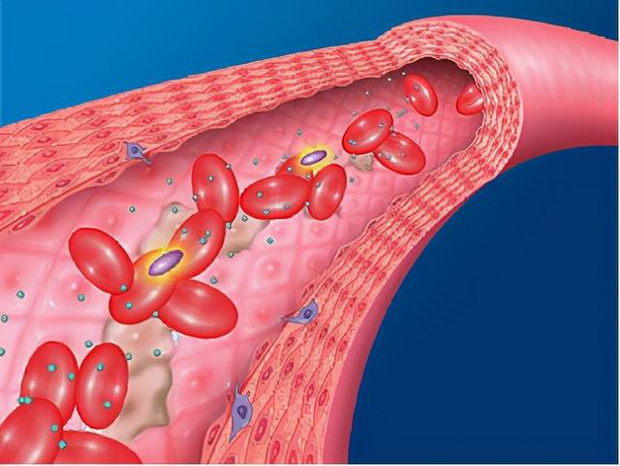
With microplastics now found in virtually every part of our daily lives, from bottled water to the air we breathe, this study serves as a crucial reminder of the far-reaching effects of pollution. Public health experts are calling for greater efforts to reduce microplastic contamination in our environment, along with more research into the biological effects of these pollutants. Only through continued investigation and environmental regulation can we hope to mitigate the potential cardiovascular risks posed by microplastic exposure.