
Only a True Detective Can Spot All 4 Objects. Are You One of Them?
Facts 11/06/2026 21:18
New Zealand’s government has confirmed that feral cats will be formally added to the country’s Predator Free 2050 target list, meaning they will become the focus of a nationwide eradication program over the next quarter-century. The decision marks one of the most significant expansions of the strategy since its launch in 2016, reflecting growing scientific concern about the ecological damage caused by free-living cats.
According to updated assessments from conservation agencies, feral cats — animals that live entirely independent of humans — have been described as “stone-cold killers” responsible for extensive predation on native wildlife. Researchers note that these cats survive by hunting, often taking a wide range of species including birds, bats, reptiles, and invertebrates. International studies have similarly highlighted the severe biodiversity impacts of feral and outdoor cats, with estimates showing billions of animals killed annually (The Guardian, BBC News).
Officials estimate that more than 2.5 million feral cats inhabit New Zealand’s forests, farmland, alpine zones, and offshore islands. Their presence is especially damaging in isolated ecosystems where species evolved without mammalian predators. Conservationists point to examples such as the critically endangered Southern dotterel on Stewart Island / Rakiura, whose population decline has been strongly linked to cat predation (Department of Conservation; RNZ).
As part of the proposed eradication strategy, policymakers are considering several control methods currently used in other predator-removal programs. Techniques under discussion include poison-laced bait sausages, automated tree-mounted poison-spray devices, and expanded trapping systems. While some of these tools remain controversial, supporters argue that large-scale suppression of feral cat populations will not be possible without innovative and high-efficiency technologies (New Zealand Herald).
The initiative has received vocal backing from conservation organisations such as the Predator Free New Zealand Trust. Public sentiment also appears strongly supportive: in a recent national consultation on revising the Predator Free strategy, nearly 90% of approximately 3,400 submissions favored tougher measures aimed specifically at feral cats.
Government officials stress that the program will not apply to domestic pets. Owned cats that are microchipped, desexed, and cared for by households remain outside the scope of the eradication plan. The government has emphasized that responsible pet ownership will continue to play a crucial role in reducing the spillover impacts of pet cats on wildlife, aligning with existing guidelines from animal welfare groups and conservation experts.
If fully implemented, the inclusion of feral cats in Predator Free 2050 could represent one of the world’s most ambitious predator-management undertakings — and a defining test of New Zealand’s long-standing commitment to biodiversity protection.
Sources:
The Guardian (guardian.co.uk)
BBC News (bbc.com)
Radio New Zealand – RNZ (rnz.co.nz)
New Zealand Herald (nzherald.co.nz)
NZ Department of Conservation – DOC (doc.govt.nz)



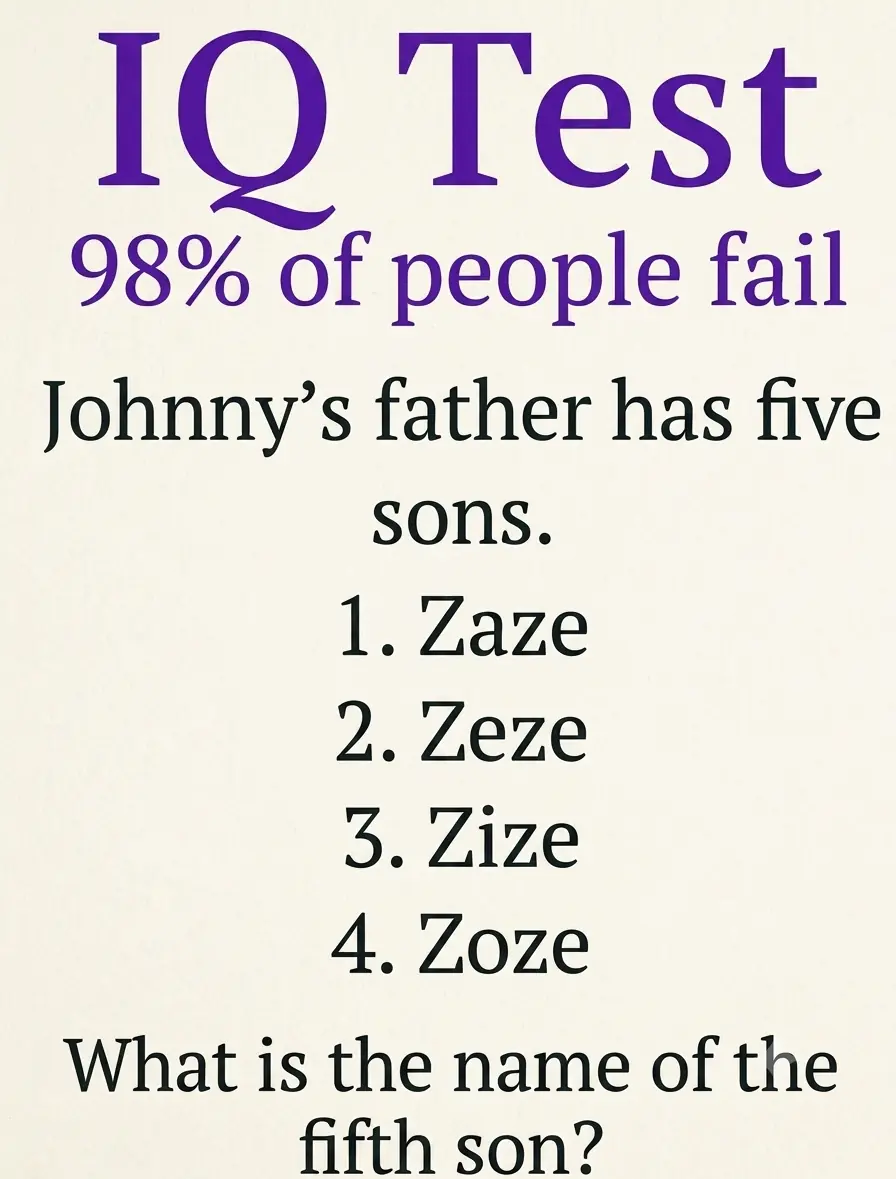
IQ Test: What is the name of the fifth son?

What Does Your Sitting Position Say About Your Personality

What is the name of the father?

Pick Your Throne: A Fun Little Guide to Your Inner Weirdness


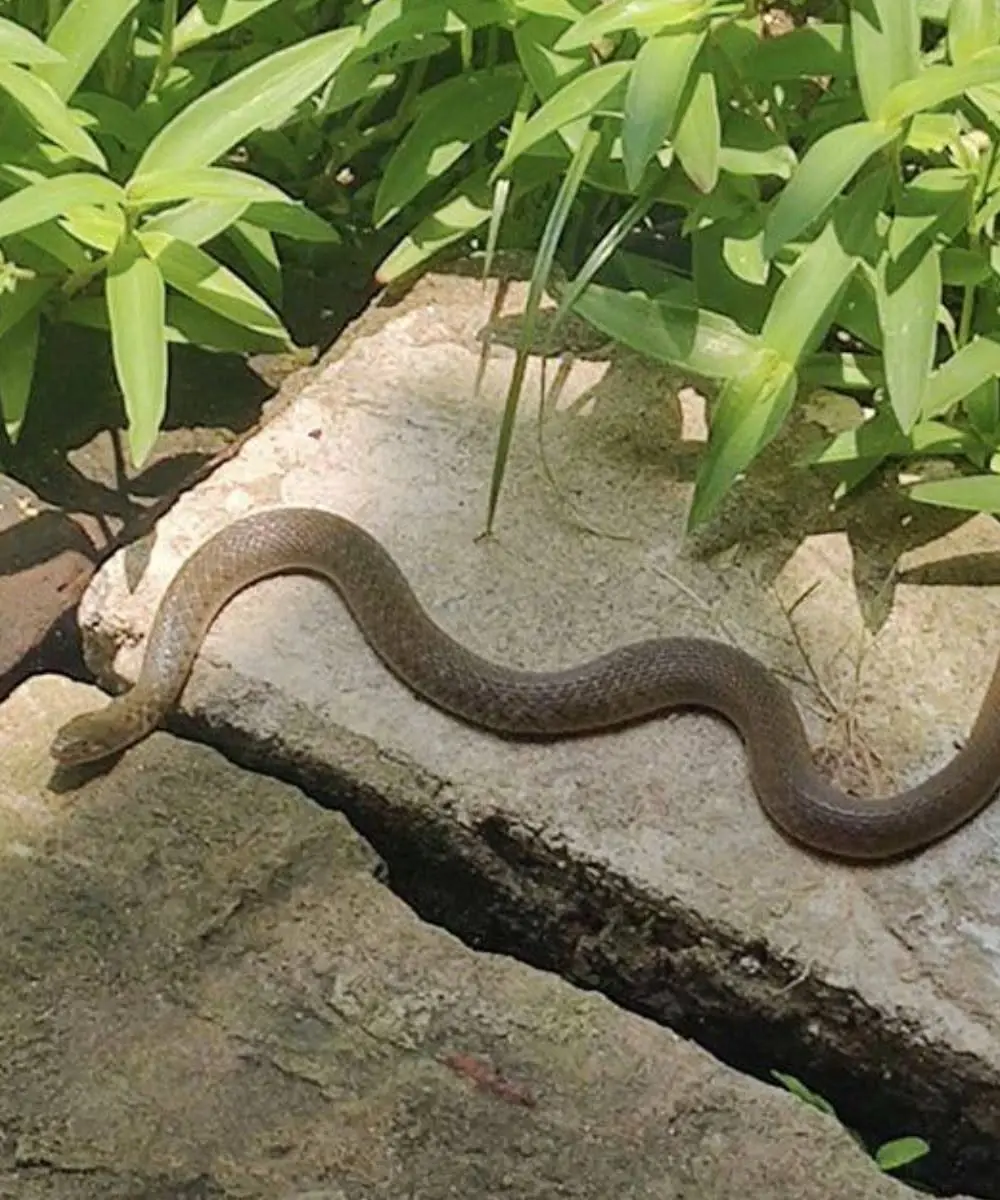
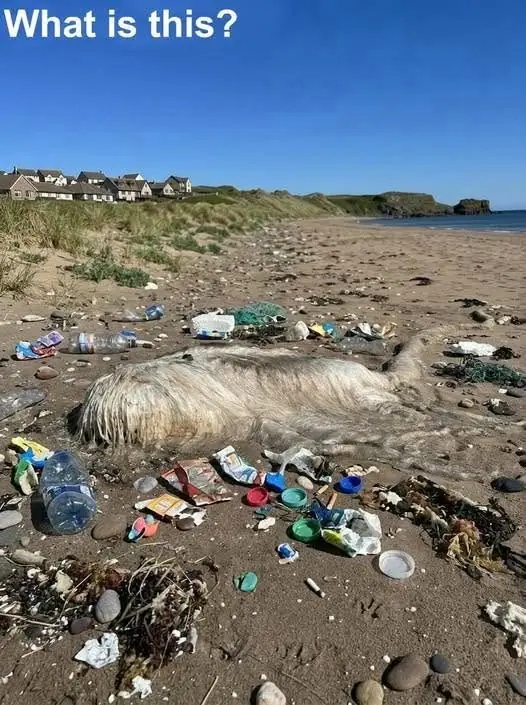

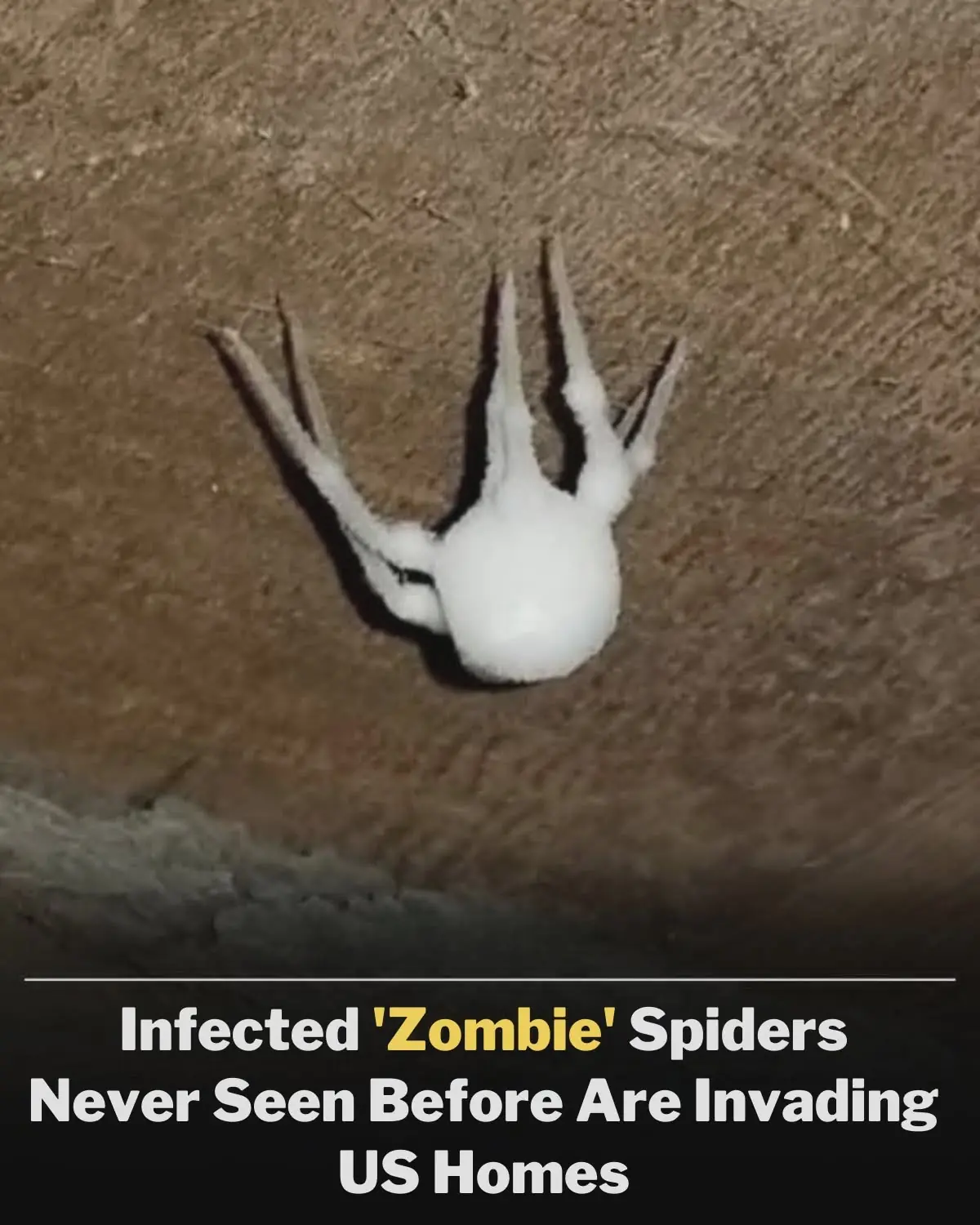




The Stone That Calls Your Soul Reveals Your Future
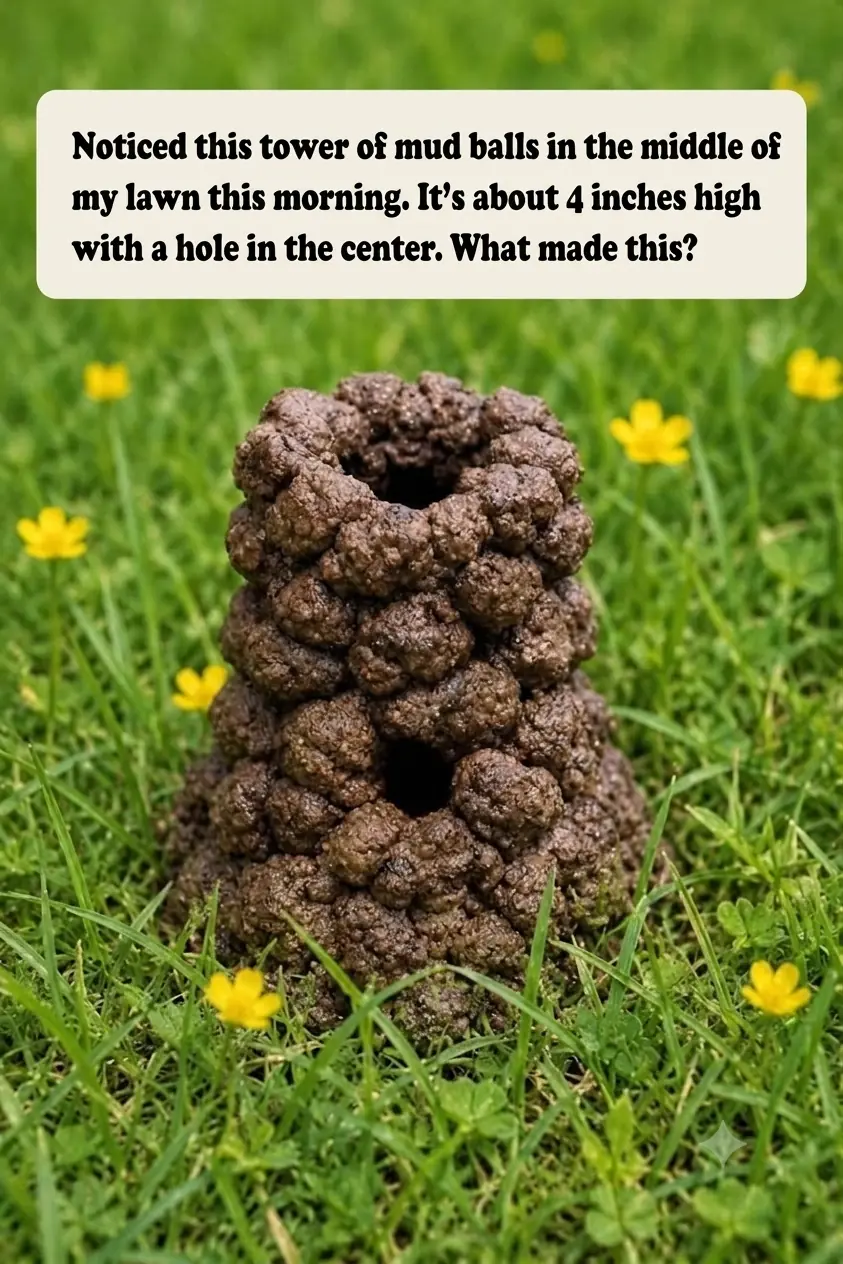
What made this?
















Why Everyone Is Calling This the Perfect Healthy Salad