Study Links Cockroach Infestations to Poor Indoor Air Quality and Health Risks
Facts 01/12/2025 21:19
🚨 BREAKTHROUGH ALERT: Epstein-Barr Virus (EBV) REVEALED as the Key Trigger for Lupus!
🦠🔬 A groundbreaking study published in 2025 by researchers at Stanford University has finally uncovered the long-elusive mechanism behind lupus, revealing that Epstein-Barr virus (EBV) plays a crucial role in triggering this autoimmune disease. The findings could potentially lead to new diagnostic and therapeutic approaches for treating lupus, which has long puzzled scientists due to its complex and poorly understood origins.
Epstein-Barr virus (EBV), a member of the herpesvirus family, is incredibly common. In fact, around 95% of adults worldwide are infected with EBV, which is typically transmitted through saliva—whether through activities like sharing drinks or, more commonly, in cases of "kissing disease" (mononucleosis). Despite its widespread prevalence, the virus usually remains dormant within the body, primarily hiding in B cells, a type of white blood cell involved in immune responses. However, for those suffering from lupus, EBV doesn’t stay dormant. Instead, it reactivates and plays a pivotal role in the disease's progression.
In lupus patients, EBV has been found to infect autoreactive B cells—immune cells that erroneously attack the body's own tissues—at a dramatically higher rate. The study revealed that EBV infects these autoreactive B cells 25 times more frequently than in healthy individuals. While only 1 in 10,000 B cells are affected by EBV in healthy people, 1 in 400 B cells in lupus patients are infected. This significant difference has raised major concerns and offers a compelling explanation for the autoimmune behavior observed in lupus patients.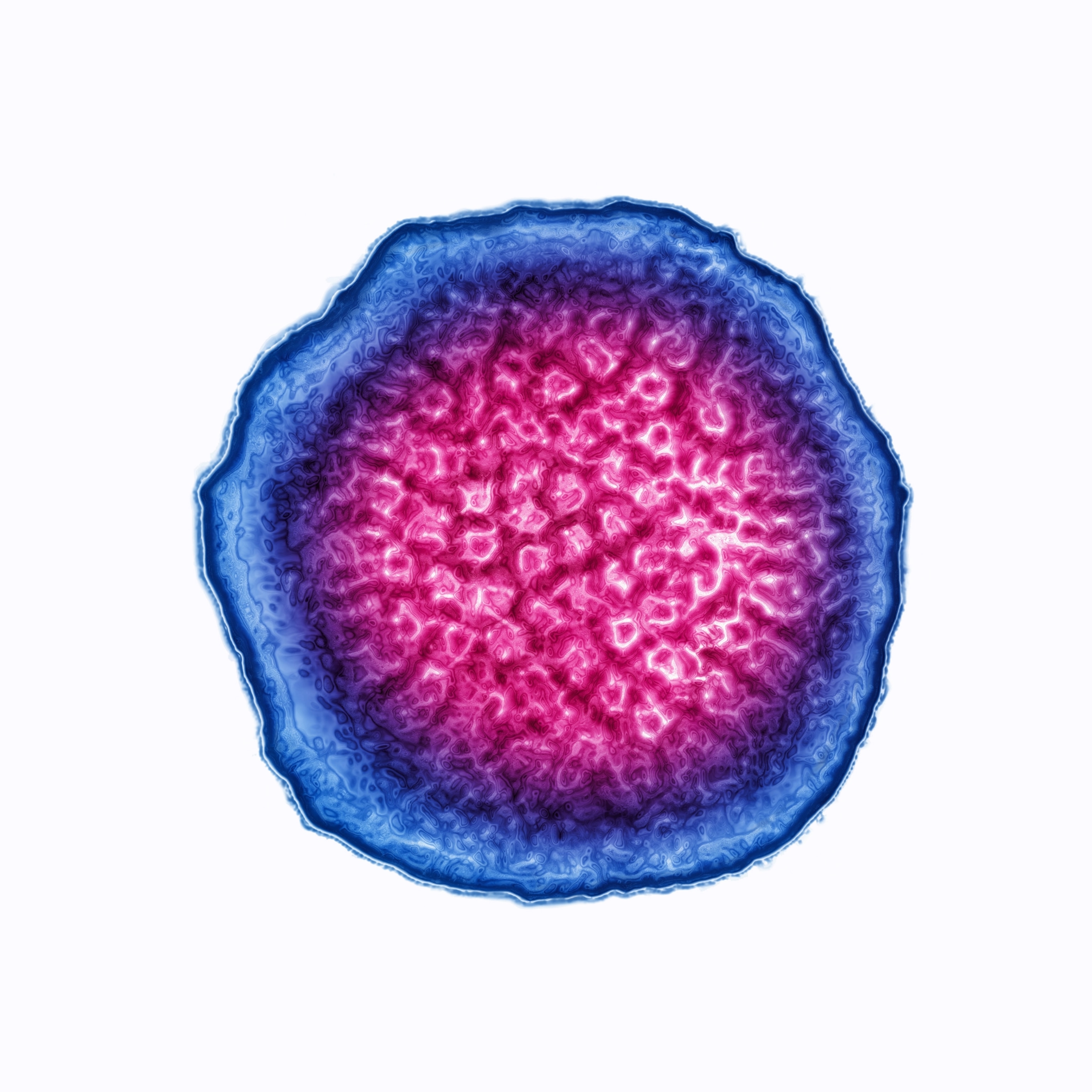
How EBV Hijacks the Immune System: A Step-by-Step Breakdown
The Stanford research team went further to examine how EBV actively contributes to lupus development. They found that the latent form of EBV produces a protein known as EBNA2. This protein functions as a "molecular switch" that reprograms the infected autoreactive B cells, altering their normal function. EBNA2 activates specific genes, such as ZEB2, TBX21 (T-bet), and CD27, which are responsible for transforming these B cells into hyperactive antigen-presenting cells (APCs). These APCs are crucial in the immune response as they present antigens (foreign substances) to other immune cells. However, in the case of lupus, the APCs display nuclear autoantigens on their surfaces—essentially targeting the body’s own cells for attack.
Once these EBV-infected APCs display autoantigens, they activate helper T cells (specifically Tph cells), which are specialized cells that help regulate immune responses. These activated helper T cells recruit other autoreactive B cells, as well as killer T cells, into the fray, leading to a full-scale autoimmune assault. This results in the destruction of cell nuclei, which manifests in common lupus symptoms, such as skin rashes, joint pain, kidney damage, and organ failure. The immune system is essentially tricked into attacking the body’s own tissues, causing widespread inflammation and tissue damage.
The Outcome: A Self-Sustaining Inflammatory Cycle
What makes the relationship between EBV and lupus so devastating is that it creates a self-sustaining inflammatory loop. As the immune system continues to attack its own cells, the inflammatory responses perpetuate the destruction, leading to the chronic symptoms associated with lupus. This loop makes lupus a particularly difficult disease to manage, as it continues to worsen without intervention.
Lupus is not a rare condition, affecting approximately 1 million Americans, and an estimated 5 million people worldwide. The disease disproportionately affects women, with around 90% of lupus patients being female. Furthermore, lupus can range in severity, with 5% of cases proving to be life-threatening. The findings from this 2025 Stanford study indicate that every single case of lupus is linked to EBV infection, suggesting that the virus plays an essential and direct role in the onset of the disease.
Implications and Future Directions
This research could have profound implications for the diagnosis and treatment of lupus. By identifying EBV as the primary trigger, researchers and clinicians could begin focusing on developing targeted treatments that aim to control EBV reactivation or limit its impact on autoreactive B cells. These findings also open the door for potential vaccines or antiviral therapies that could prevent EBV from causing the immune dysfunction that leads to lupus.
While the research has made significant progress in understanding the link between EBV and lupus, more studies will be needed to fully unravel the mechanisms at play and explore possible therapeutic strategies. The hope is that this discovery could lead to better management strategies for lupus patients and even pave the way for a cure. The idea of targeting EBV reactivation could not only benefit those with lupus but could also provide insights into treating other autoimmune disorders where viral infections play a role.
Sources:
Stanford University Study, 2025 — "Epstein-Barr Virus and Lupus: A Mechanistic Study"
PubMed — Epstein-Barr Virus and Autoimmune Diseases: A Comprehensive Review
National Institutes of Health (NIH) — Lupus and EBV: Understanding the Connection
The Journal of Clinical Investigation — The Role of EBV in Autoimmune Diseases: Mechanisms and Implications