
Tips 19/01/2026 14:09
Most do this wrong. Here’s how often to actually vacuum
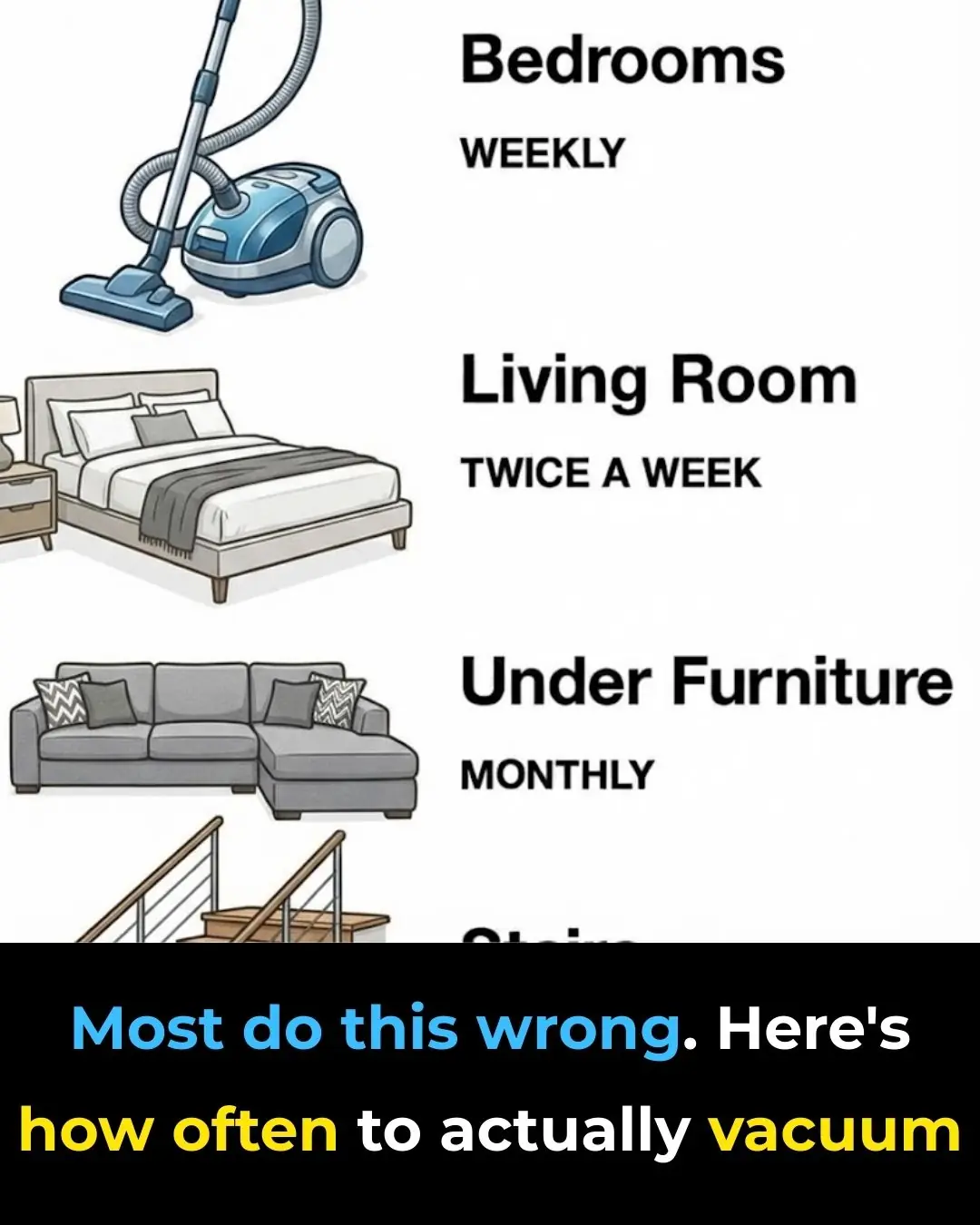
Vacuuming is one of the most common household chores, yet many people are unsure how often it should actually be done. Some vacuum obsessively every day, while others wait until dust and debris become visibly noticeable. Understanding the ideal vacuuming frequency is not just about appearances—it plays a critical role in maintaining indoor air quality, protecting flooring, and safeguarding your family’s health.
The right vacuuming schedule depends on several factors, including household size, lifestyle, pets, allergies, and the type of flooring you have. This comprehensive guide breaks down how often you should vacuum different areas of your home, highlights common mistakes, and offers expert tips to help you maintain a cleaner, healthier living environment.
1. Why Regular Vacuuming Matters
Regular vacuuming is essential for both hygiene and home maintenance. Dirt, dust, and grit act like sandpaper on carpets and floors, wearing down fibers and finishes over time. Studies suggest that up to 80% of dirt in a home is tracked in from outside, and if not removed regularly, it can significantly shorten the lifespan of flooring.
Beyond aesthetics, vacuuming plays a major role in health. Dust, pollen, mold spores, and pet dander accumulate quickly and can become airborne with daily activity. Frequent vacuuming reduces these particles, helping create a cleaner and healthier indoor environment—especially important in modern homes that are more tightly sealed.
2. The Health Impact of Dust and Allergens
Indoor air quality is often worse than outdoor air, with pollutants trapped inside enclosed spaces. Household dust contains dust mites, bacteria, pollen, and even microscopic plastics. Dust mites, in particular, are a leading cause of allergy and asthma symptoms.
For people with respiratory conditions, prolonged exposure to these allergens can lead to sneezing, congestion, coughing, itchy eyes, and breathing difficulties. Using a vacuum equipped with a HEPA (High-Efficiency Particulate Air) filter can significantly reduce airborne allergens by capturing particles as small as 0.3 microns, greatly improving air quality.
3. Bedrooms: Weekly Vacuuming Is a Must
Bedrooms may appear clean, but they accumulate dust rapidly due to shed skin cells, hair, and fabric fibers. Since we spend roughly one-third of our lives sleeping, maintaining a clean bedroom is vital.
Vacuuming once a week is generally sufficient for most households. Be sure to focus on:
-
Areas under the bed
-
Along baseboards
-
Around nightstands and dressers
For allergy sufferers, vacuuming mattresses, rugs, and even curtains can help minimize dust mites. Pair vacuuming with regular washing of bedding in hot water for maximum benefit.
4. Living Rooms: Twice a Week for High Traffic Areas
Living rooms are typically the most heavily used spaces in a home. Foot traffic, food crumbs, pet activity, and outdoor dirt all contribute to faster buildup of debris.
Vacuuming two times per week helps prevent dirt from settling deep into carpet fibers and upholstery. In homes with children or pets, more frequent vacuuming may be necessary. Using a carpet brush or rake before vacuuming can help loosen embedded dirt and lift pet hair for more effective cleaning.
5. Under Furniture: Don’t Ignore These Areas
Out of sight often means out of mind—but the spaces under sofas, beds, and cabinets are prime dust-collection zones. Dust buildup in these areas eventually circulates back into the air.
Aim to vacuum under furniture at least once a month. Use crevice tools or extension wands to reach tight spaces without heavy lifting. Regular attention to these hidden areas helps reduce allergens and improves overall cleanliness.
6. Stairs: Every Few Days Is Ideal
Stairs experience concentrated foot traffic and often trap dirt along edges and corners. Because debris can become embedded quickly, stairs should be vacuumed every two to three days.
A handheld vacuum or hose attachment works best. Start from the top and work downward to prevent dirt from falling onto cleaned steps. Pay close attention to corners, where dust and pet hair commonly accumulate.
7. Common Vacuuming Mistakes to Avoid
Many people vacuum incorrectly without realizing it. Common mistakes include:
-
Vacuuming too fast: Slow, overlapping passes allow the vacuum to lift more debris.
-
Overfilled bags or canisters: These reduce suction and efficiency.
-
Dirty or clogged filters: Filters should be cleaned or replaced regularly to maintain airflow.
-
Ignoring attachments: Using the right tool improves cleaning effectiveness.
Following manufacturer guidelines for maintenance ensures your vacuum performs at its best.
8. Robotic Vacuums: Convenience with Limitations
Robotic vacuums have revolutionized routine cleaning. They are excellent for daily maintenance and can significantly reduce surface dust when used consistently.
However, robotic vacuums should not fully replace traditional vacuuming. They often struggle with:
-
Corners and edges
-
Thick carpets
-
Deeply embedded dirt
The best approach is to use robotic vacuums for maintenance and manual vacuuming for deep cleaning.
9. Viral Cleaning Hacks: Helpful or Harmful?
Online cleaning hacks are everywhere, but not all are beneficial. Baking soda can neutralize carpet odors, but excessive use may clog vacuum motors. Essential oils can freshen air, but applying them incorrectly can damage filters.
Always test hacks in small areas and follow manufacturer instructions to avoid costly damage.
10. Vacuuming Tips for Pet Owners
Pet owners face unique challenges due to fur, dander, and tracked-in dirt. Vacuuming daily or every other day in pet-heavy areas is often necessary.
Helpful strategies include:
-
Using vacuums with pet-specific attachments
-
Grooming pets regularly to reduce shedding
-
Using lint rollers on furniture between vacuum sessions
Consistent cleaning helps manage allergens and keeps your home smelling fresh.
11. Eco-Friendly Vacuuming Practices
Sustainable vacuuming begins with choosing energy-efficient models, preferably those with Energy Star certification. Reusable filters and bags reduce waste and long-term costs.
To minimize environmental impact:
-
Vacuum only when necessary
-
Avoid repeated passes on clean areas
-
Maintain your vacuum to extend its lifespan
Properly recycle old vacuums and components to reduce landfill waste.
Final Thoughts
There is no one-size-fits-all answer to how often you should vacuum, but understanding your household’s needs makes it easier to establish an effective routine. By vacuuming strategically and consistently, you can protect your floors, improve air quality, and create a healthier home environment for everyone.
A clean home isn’t just about appearances—it’s about well-being.
News in the same category
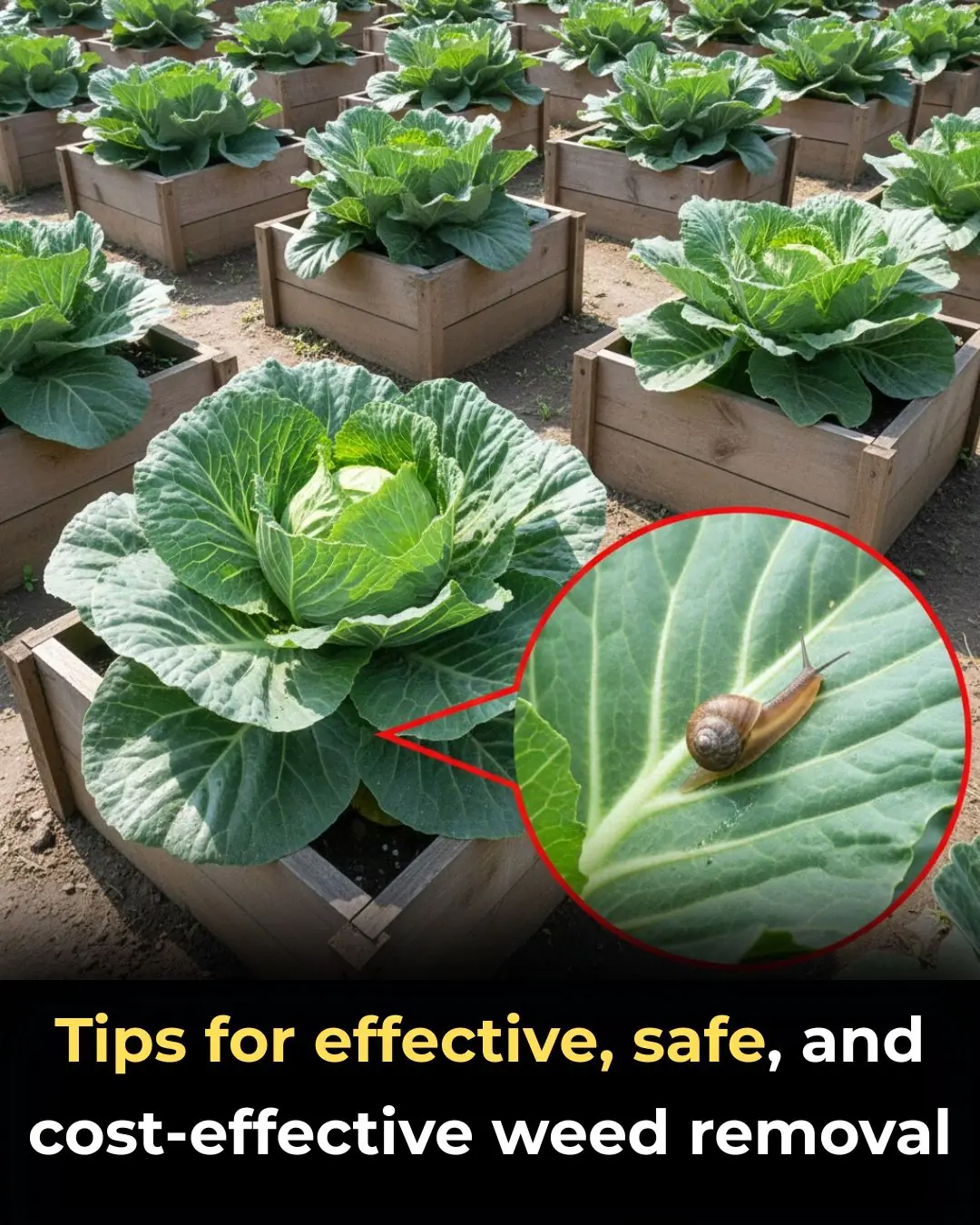
Effective Natural Ways to Control Slugs in Home Vegetable Gardens

Water your peace lily with this water, and it will bloom all year round.
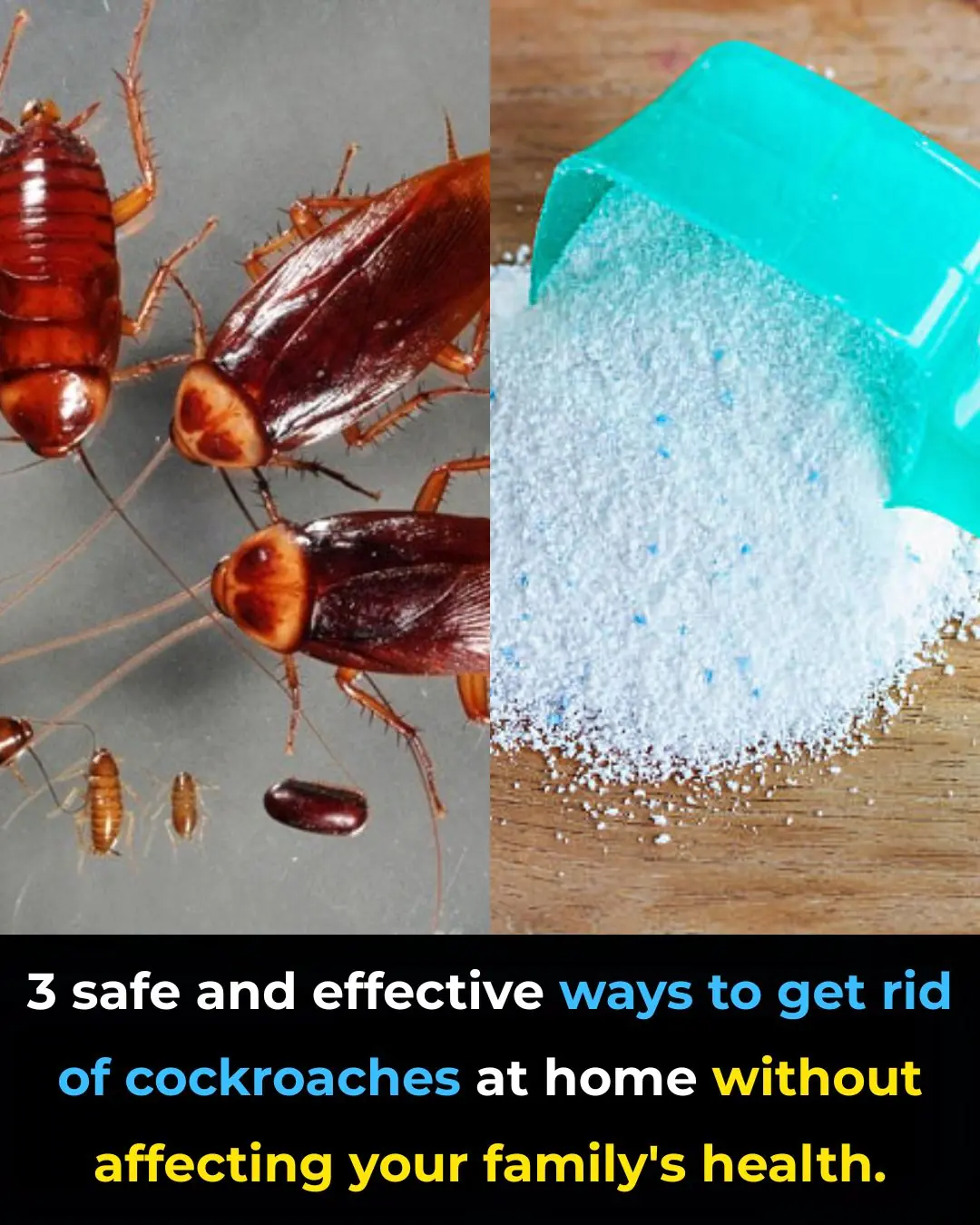
3 safe and effective ways to get rid of cockroaches at home without affecting your family's health.

Why should you soak dried fish in rice water before frying it?

🚰 Is Drinking Water First Thing in the Morning Beneficial? What Science Says

What Mixing Vinegar, Salt, and Water Does?

Trick That Makes Cloudy Glasses Shine
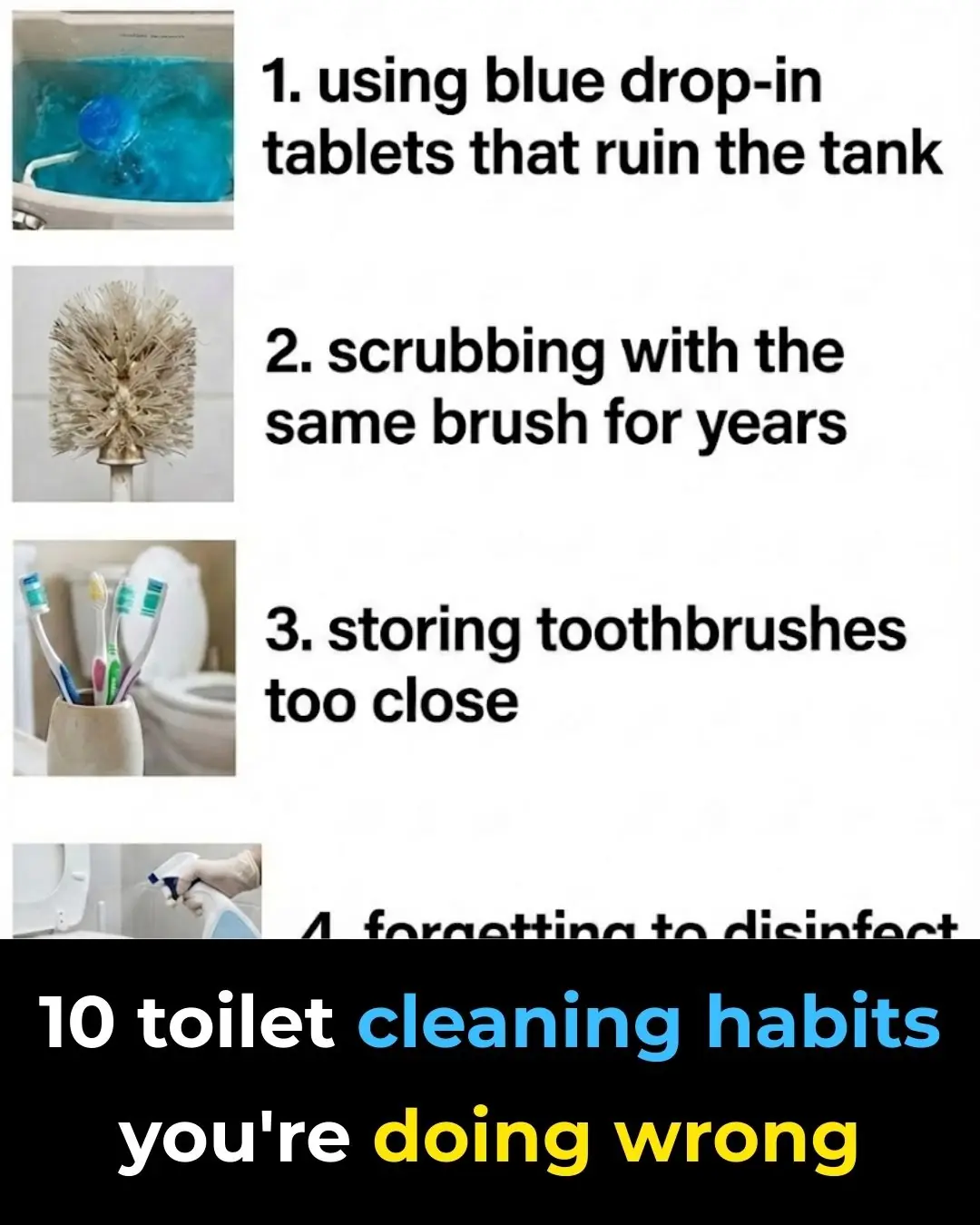
10 toilet cleaning habits you’re doing wrong

A Single Act of Kindness at the Airport Could Ruin Your Life

How to Soften Rock-Hard Frozen Meat in Just Minutes for Easy Cooking

How to Clean a Mattress at Home Effectively

When making fried rice with eggs, don't put them directly into the pan; adding this step is key to achieving perfectly golden, plump, and firm grains.
What are the benefits of squeezing a lemon into the refrigerator?

Tips for frying crispy and delicious banh chung (Vietnamese sticky rice cake) without absorbing too much oil.

Eat Chia Seeds For Omega-3s, Snack on Dark Chocolate For Iron, and 3 More Health Tips

What Is a Hernia?

When frying tofu, don't just put it straight into the pan; do these two extra steps to make the tofu crispy, delicious, and prevent it from becoming mushy or sticking.
Drainage pipe: Don't rush to call an expensive plumber, do it this way.
News Post

The Natural Remedy Everyone Aged 30–75 Should Try
Health 19/01/2026 16:39

Cocklebur Uncovered: The Surprising Healing Potential of Xanthium Strumarium
Health 19/01/2026 16:36

The Secret Lemon and Nopal Drink That Can Transform Your Wellness Routine
Health 19/01/2026 16:34
Simple and Effective Ways to Clean Your Phone Speaker at Home
Tips 19/01/2026 15:14

Boy Receives 38 Stitches After Refrigerator Explosion: Warning Against Storing These Items in the Freezer
Health 19/01/2026 15:10

Check This Spot on a Crab’s Shell to Ensure Sweet, Meaty Flesh Every Time
Health 19/01/2026 15:07
Want to Cut Back on Starches Without Feeling Hungry? Add These 6 Nutritious Vegetables to Your Diet
Health 19/01/2026 14:20
Effective Natural Ways to Control Slugs in Home Vegetable Gardens
Tips 19/01/2026 14:16

Natural Energy Booster: Ginger and Tomato for All-Day Vitality
Health 19/01/2026 14:12

Browns' Shedeur Sanders debuts after Dillon Gabriel concussion
News 19/01/2026 13:55

Tekashi 6ix9ine’s mom held at gunpoint in home invasion
News 19/01/2026 13:50

TikTok Star Girlalala Dies at 21 as Boyfriend Is Arrested on First-Degree Murder Charge
News 19/01/2026 13:47
Water your peace lily with this water, and it will bloom all year round.
Tips 19/01/2026 11:35
3 safe and effective ways to get rid of cockroaches at home without affecting your family's health.
Tips 19/01/2026 11:34
Why should you soak dried fish in rice water before frying it?
Tips 19/01/2026 11:33
🚰 Is Drinking Water First Thing in the Morning Beneficial? What Science Says
Tips 18/01/2026 23:18

The Nightly Choice That Could Protect or Endanger Your Brain
Health 18/01/2026 23:16
What Mixing Vinegar, Salt, and Water Does?
Tips 18/01/2026 23:11

What Really Happens to Your Liver During Dry January
Health 18/01/2026 23:09