What Was Found Inside This Fish? Experts Explain When Seafood May Become Unsafe to Eat
Health 14/07/2026 07:47
Mullein (Verbascum thapsus) is one of the most widely used and easily recognizable wild plants traditionally associated with lung and respiratory support. Growing abundantly along roadsides, open fields, and disturbed land, this tall, woolly plant has been valued for centuries in European, Native American, and folk herbal traditions.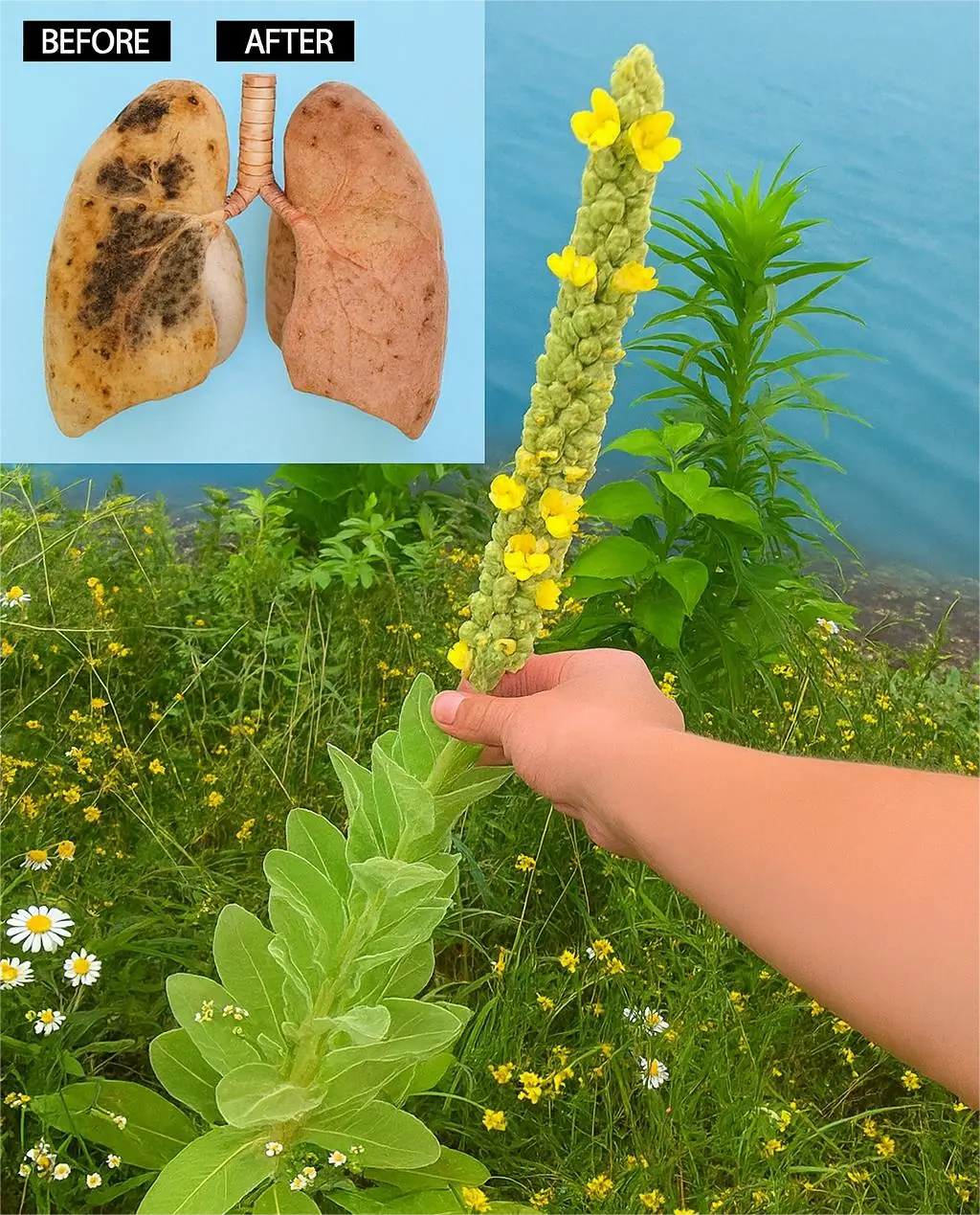
Historically, mullein has been used to support the lungs during coughs, bronchitis, asthma, and chest congestion. Whether you experience recurring respiratory discomfort or simply want gentle, plant-based support during seasonal illness, mullein is a herb worth understanding.
Mullein is best known for its soothing and expectorant properties, meaning it may help loosen excess mucus while calming irritated respiratory tissues. Traditionally, it has been used as supportive care for:
Dry or productive cough
Bronchitis
Asthma-related irritation
Chest and lung congestion
Sinus infections
Sore throat
Smoker’s cough
Emphysema (supportive use only)
Pneumonia (as a complementary herb, not a treatment)
Post-viral or post-COVID respiratory weakness
Chronic Obstructive Pulmonary Disease (COPD) symptom support
Allergy-related breathing discomfort
Laryngitis and voice strain
Lung inflammation
Wheezing and chest tightness
Its traditional use focuses on clearing mucus while soothing inflamed tissues, making it helpful for both dry coughs and coughs with phlegm.
Mullein is beginner-friendly to identify due to its distinct appearance:
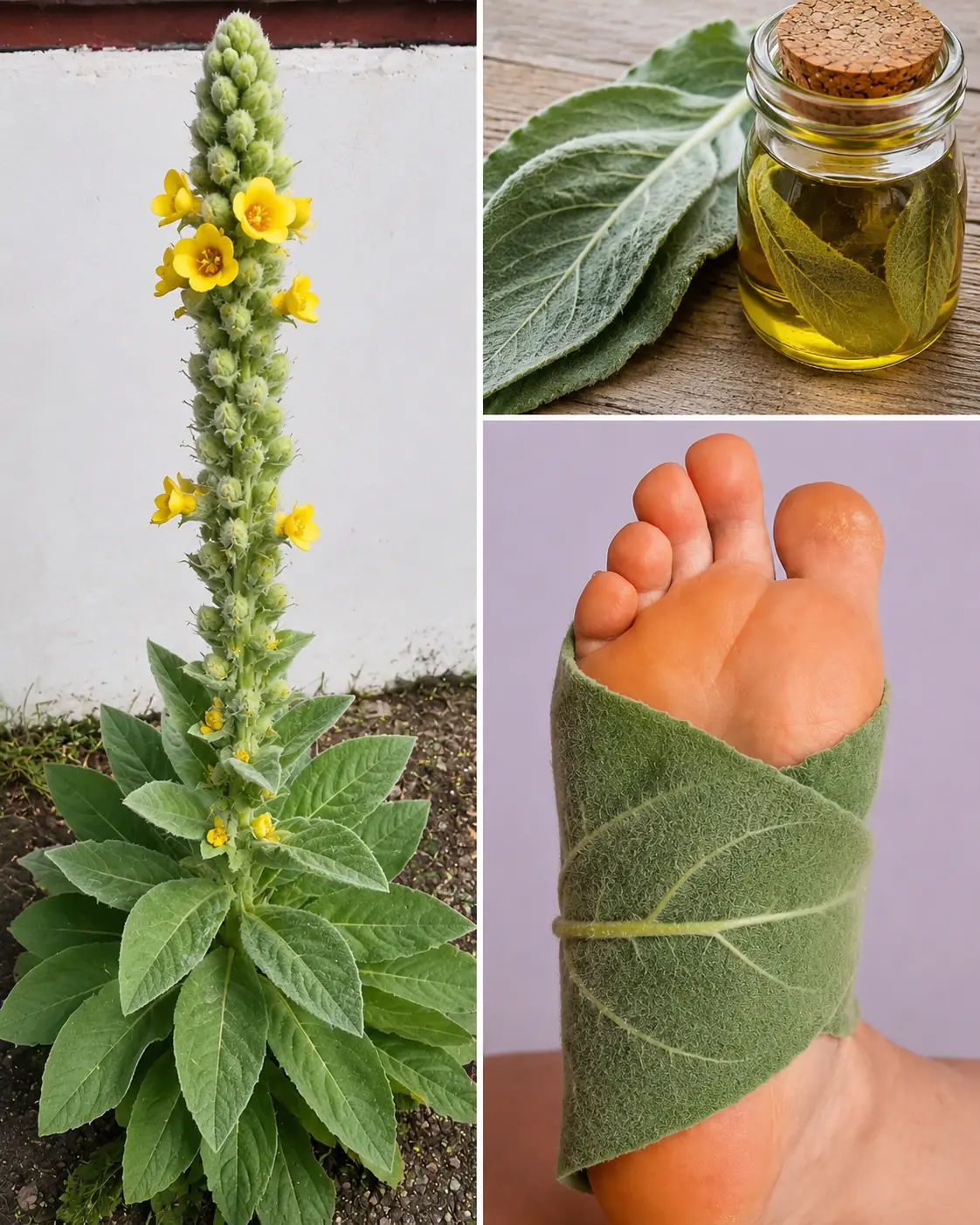
First-year plant: A low-growing rosette of large, soft, fuzzy leaves. The leaves are gray-green and feel thick and velvety.
Second-year plant: A tall flowering stalk emerges from the center, often reaching up to 2 meters (6–7 feet) in height.
Flowers: Small, yellow, five-petaled flowers growing in dense clusters along the stalk.
Leaves: Oblong, thick, and densely covered in fine hairs—earning mullein the names “velvet plant” or “flannel leaf.”
Scent: Mild, earthy aroma when crushed.
Mullein thrives in sunny, dry environments such as pastures, open fields, hillsides, and abandoned land.
Leaves: Best harvested during the first year of growth, from spring through early fall, when they are large and healthy.
Flowers: Gently collected during the blooming season, typically mid to late summer.
Drying: Spread leaves or flowers in a single layer away from direct sunlight. Once dry, store in airtight containers in a cool, dark place.
Important: Always harvest mullein from clean areas away from traffic, pesticides, or industrial pollution.
A gentle and commonly used preparation.
Use 1 tablespoon of dried mullein leaves or flowers per cup of boiling water
Steep for 10–15 minutes
Strain thoroughly using a fine cloth or coffee filter to remove tiny hairs
Drink up to 2–3 cups daily during respiratory discomfort
Proper straining is essential, as the fine hairs can irritate the throat if left in the tea.
Helpful for nasal and chest congestion.
Add a handful of fresh or dried mullein leaves to a pot of boiling water
Remove from heat, cover your head with a towel, and inhale steam for 5–10 minutes
This method may help open airways and loosen mucus.
A more concentrated option.
Take 1–2 dropperfuls diluted in water, up to three times daily
Offers longer-lasting effects but less immediate throat soothing than tea
Traditionally used for chest rubs and ear comfort.
Infuse dried mullein flowers in olive oil for 2–4 weeks
Strain and store in a dark glass bottle
Apply externally to the chest or back during respiratory illness
Mullein combines well with herbs like thyme, licorice root, or elecampane
Avoid pairing mullein with dairy products, which may increase mucus production
Suitable for adults and children, but teas should always be well strained—especially for younger users
Mullein is generally considered gentle and non-toxic when used appropriately. However, it should not replace medical treatment for serious or persistent respiratory conditions. Seek professional medical care if symptoms worsen or do not improve, especially in cases involving asthma, pneumonia, or COPD.
Pregnant or breastfeeding individuals should consult a healthcare provider before using mullein or any herbal remedy.
Mullein stands out as a traditional lung-support herb that is easy to identify, widely available, and gentle when used correctly. Its long history of use for soothing irritated airways and helping the body clear mucus makes it a valuable plant in natural respiratory care.
When used responsibly and alongside proper medical guidance, mullein can be a supportive addition to a holistic approach to lung health.