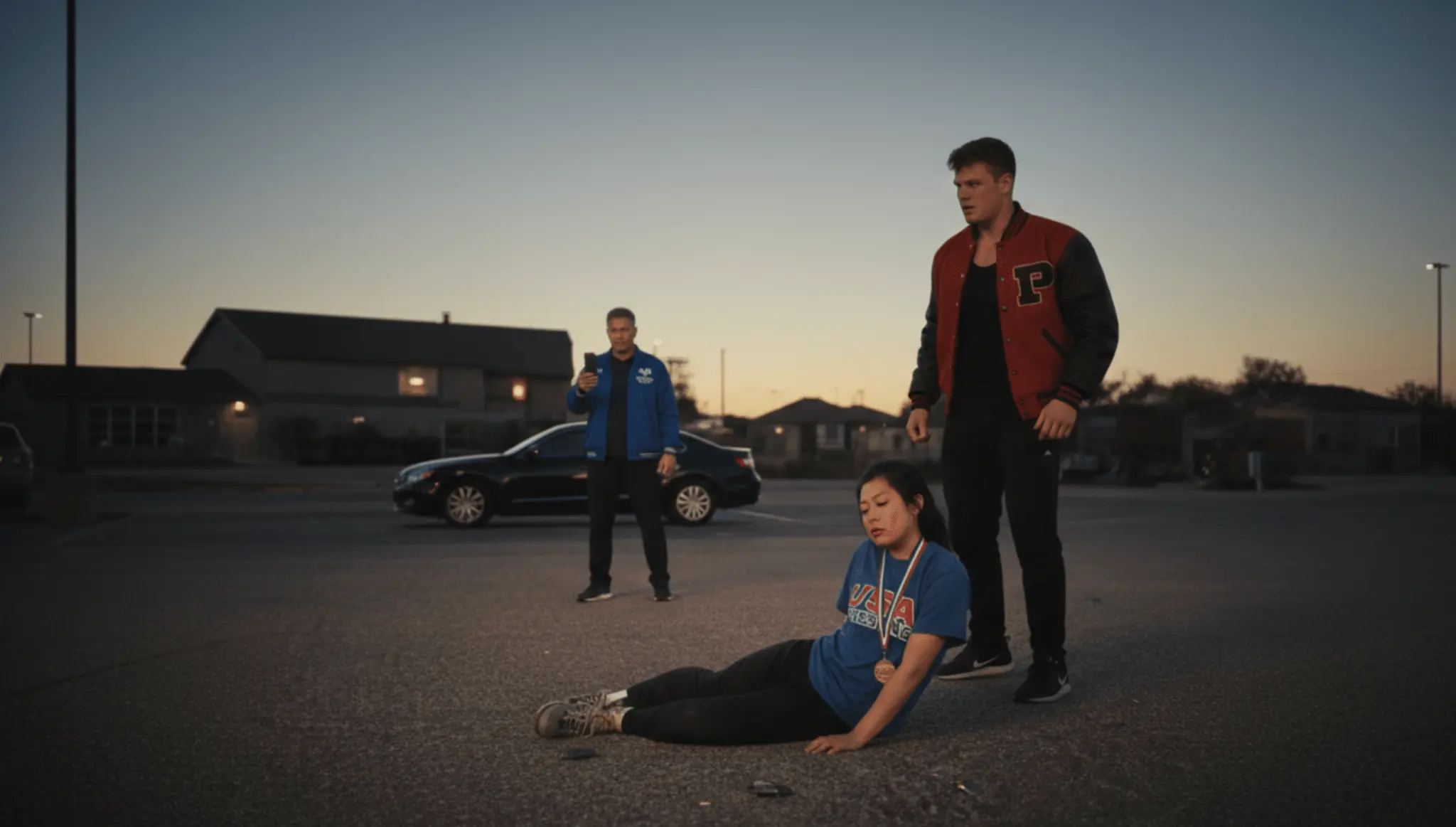
Have you made it through life without ever breaking a single bone? If the answer is yes, you may belong to a smaller group than you think.
While medical science would likely credit genetics, bone density, lifestyle habits, and probability, a growing trend on social media—especially on Instagram and TikTok—has sparked a different kind of conversation. According to several viral posts, people who have never experienced a fracture may share deeper symbolic traits or even spiritual significance.
One self-described psychic medium, Rachel Stiles, recently ignited debate after outlining four popular spiritual theories attempting to explain why some individuals remain fracture-free throughout their lives. Whether viewed as folklore, metaphysical reflection, or simply internet curiosity, these ideas have resonated widely.
Here are the four most discussed theories—and why so many people say they feel strangely accurate.
1. Spiritual Protection
The most widely shared theory centers on the idea of divine or spiritual protection.
According to Stiles, never breaking a bone may indicate that a person is being watched over by a protective force. Depending on individual belief systems, this guardian presence might be interpreted as:
-
A guardian angel
-
A spirit guide
-
A deceased loved one
-
A higher spiritual power
She references Psalm 34:19–20, which states that although the righteous face many hardships, they are protected—“not one of their bones will be broken.” For some believers, this passage reinforces the idea that physical protection can be a spiritual sign.
Many online commenters expressed agreement, noting that although they had endured emotional pain, accidents, or close calls, they had somehow avoided serious physical injury. Some described near-miss events—car crashes, falls, sports accidents—where outcomes could have been far worse.
Skeptics may see this as confirmation bias. Believers see it as protection.
Either way, the idea offers comfort: the sense that someone—or something—is quietly looking out for you.
2. Emotional Suffering Instead of Physical Pain
The second theory proposes a symbolic balance between physical and emotional experiences.
In this view, those who avoid physical injury may instead experience deeper emotional or psychological challenges. The idea suggests that resilience manifests in different forms. A body that remains unbroken may be paired with a heart that has endured hardship.
Stiles frames this concept symbolically rather than literally: strength in one dimension may correspond to growth in another.
This theory resonated strongly online. Many users commented humorously that while their bones remained intact, their emotional journey had been far from easy. Some jokingly described themselves as recipients of the “premium emotional growth package.”
Psychologically, this idea reflects a common human tendency: we search for balance and meaning in suffering. When life feels uneven, symbolic explanations help restore a sense of coherence.
While there is no scientific evidence linking emotional trauma to fracture resistance, the metaphor clearly speaks to people navigating complex life experiences.
3. Reincarnation and “Spiritual Bone Strength”
Another theory draws from the concept of reincarnation—the belief that the soul is reborn across multiple lifetimes.
According to this interpretation, individuals who never break bones may have already endured significant physical trauma in past lives. As a result, this lifetime focuses on different lessons—emotional growth, intellectual development, or spiritual awareness—rather than physical hardship.
Stiles describes this as having “strong spiritual bones,” developed through previous incarnations.
For those who believe in reincarnation, this explanation reframes physical safety not as random chance but as part of a larger soul journey. The absence of fractures becomes symbolic: the body no longer needs to experience certain forms of pain because those lessons have already been learned.
From a scientific standpoint, reincarnation remains a matter of belief rather than evidence. But symbolically, it offers a narrative of continuity and growth that many find compelling.
4. Ancestral Protection and Lineage Strength
The final theory centers on ancestry.
In many cultures, bones carry deep symbolic meaning. They represent structure, lineage, endurance, and ancestral continuity. Archaeological traditions often treat bones as sacred remains—symbols of generational connection.
Stiles suggests that never breaking a bone may reflect inherited resilience passed down through family lines. In this interpretation, physical strength becomes an expression of ancestral protection or genetic endurance.
Interestingly, this idea overlaps slightly with science. Bone density, skeletal structure, and even risk-taking behaviors can indeed have hereditary components. Families may share traits that influence fracture risk, such as calcium metabolism, body composition, or activity levels.
Many followers shared stories of engaging in high-risk activities—horse riding, contact sports, physical labor—yet somehow avoiding fractures despite repeated falls or accidents. They described it as “more than luck,” interpreting their experiences as guided protection or ancestral strength.
Whether spiritual or genetic, the theme of inherited resilience is powerful.
So Is It Spiritual, Psychological, or Simply Biological?
From a medical perspective, never breaking a bone can often be explained by:
-
Strong bone mineral density
-
Adequate calcium and vitamin D intake
-
Lower participation in high-impact sports
-
Good balance and coordination
-
Random probability
Statistically, fractures are common, especially in childhood and older adulthood—but not inevitable. Some individuals simply never encounter the right combination of force and vulnerability required for a break.
Yet purely scientific explanations don’t always satisfy emotional curiosity. Humans are pattern-seeking by nature. When something feels unusual—like reaching midlife without a single fracture—we instinctively look for meaning.
Spiritual theories persist because they provide narrative. They transform coincidence into identity.
Why These Ideas Resonate So Strongly Online
Social media thrives on personal storytelling. When people discover they share an uncommon trait—like never having broken a bone—it creates instant community. Add a layer of symbolism, and it becomes even more compelling.
These theories offer:
-
A sense of uniqueness
-
A feeling of protection
-
A narrative of resilience
-
A reframing of hardship
Even those who don’t fully believe the spiritual explanations often enjoy the symbolic interpretation. It turns an ordinary fact into something intriguing.
Final Thoughts: Luck, Lifestyle, or Something More?
If you’ve never worn a cast, needed a brace, or heard the snap of a fracture—you may simply have strong bones and good fortune.
Or, if you lean toward symbolism, perhaps you carry resilience in ways that extend beyond biology.
Science points to genetics and probability. Spiritual perspectives point to protection, balance, reincarnation, or ancestral strength.
Ultimately, meaning is personal.
What’s undeniable is this: reaching adulthood—or even old age—without a single broken bone is uncommon enough to spark curiosity.
And sometimes, curiosity alone is reason enough to explore the stories we tell about ourselves.
So if your skeleton remains uncracked, you can credit calcium and coordination…
or quietly smile and wonder whether something unseen has been guiding you all along.