Never Broken a Bone
Health 17/02/2026 08:45

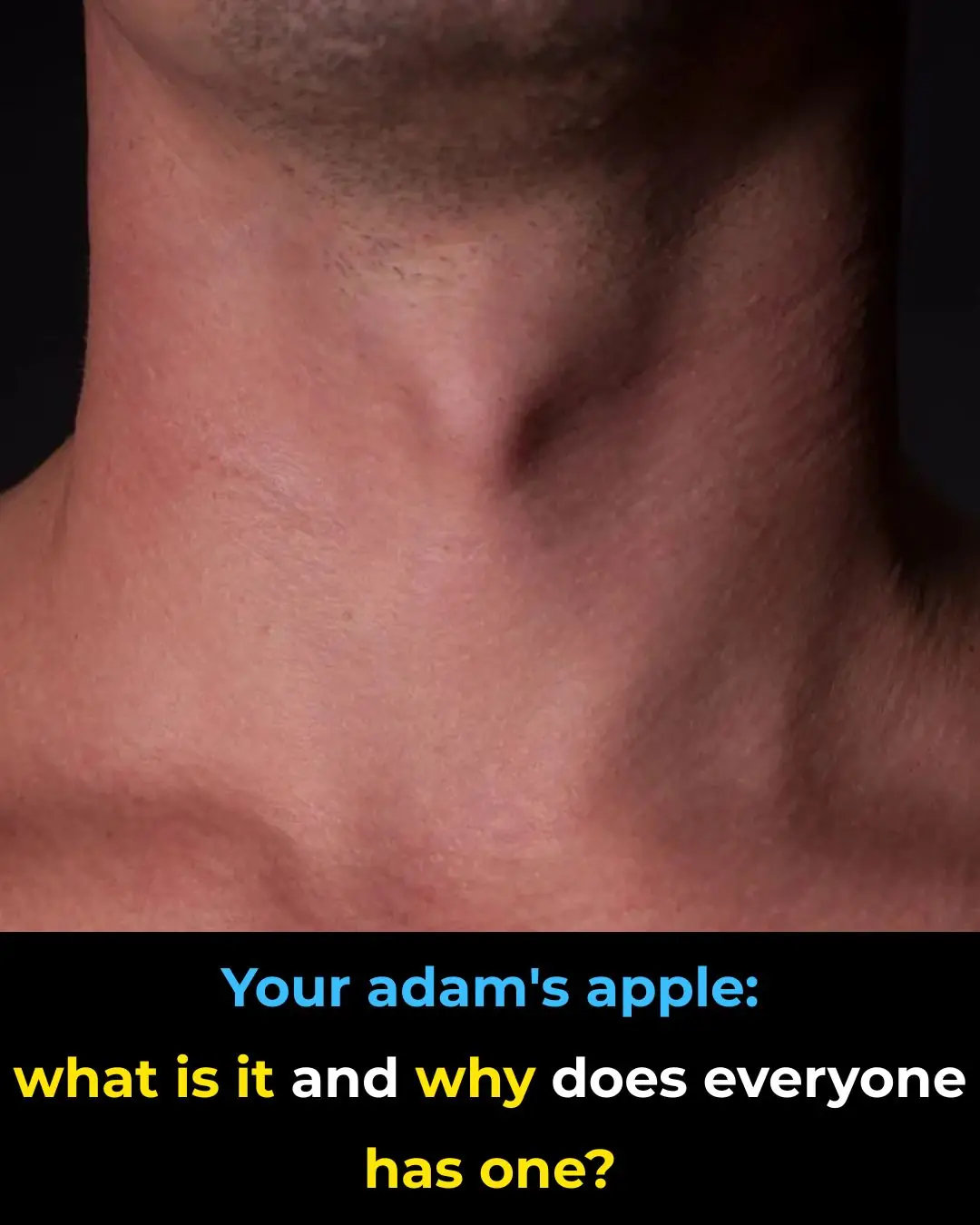
As we age, our bodies undergo gradual but inevitable changes. While some of these changes are subtle, others become visibly apparent—and for many individuals, sagging skin around the neck, often referred to as “turkey neck,” is among the most frustrating. Unlike other areas that can be concealed with clothing or makeup, the neck is constantly exposed. Yet it is frequently neglected in daily skincare routines. Because of this, signs of aging in the neck can feel disproportionate and may significantly affect self-confidence and overall appearance.
Understanding the biological mechanisms behind neck sagging—and knowing which preventive and corrective measures are truly effective—can help individuals make informed, realistic decisions about their skincare and lifestyle habits.
The neck is structurally delicate and anatomically complex. It consists of thin skin, subcutaneous fat, connective tissue, and muscles working together to support movement and appearance. One of the most important muscles influencing neck contour is the platysma, a thin, sheet-like muscle that extends from the upper chest to the jawline. As we age, this muscle can weaken and separate, creating vertical banding and downward pulling effects that contribute to sagging.
Compared to facial skin, the skin on the neck is thinner and contains fewer sebaceous (oil) glands. This makes it more prone to dryness, irritation, and environmental damage. The neck also depends heavily on collagen and elastin—structural proteins responsible for firmness and elasticity. When these proteins decline, the skin loses its ability to rebound and maintain tightness.
These anatomical differences explain why the neck often shows visible aging earlier than the face, even in individuals who carefully maintain facial skincare routines.
Aging remains the primary driver of neck sagging. Beginning as early as the mid-30s—and accelerating around age 40—collagen production declines at an estimated rate of approximately 1% per year. Elastin fibers also fragment over time, reducing the skin’s ability to stretch and snap back.
Additionally, the fat pads beneath the skin gradually shrink and shift downward due to gravity. Muscle tone decreases, connective tissue weakens, and skin hydration diminishes. These cumulative changes lead to wrinkles, laxity, and the crepey texture commonly associated with aging neck skin.
Hormonal changes, particularly during menopause, can further accelerate collagen loss in women, making neck sagging more noticeable within a relatively short time frame.
While aging is inevitable, environmental factors can significantly accelerate visible decline. Chronic sun exposure is one of the most powerful contributors to premature aging, a process known as photoaging. Ultraviolet (UV) radiation penetrates the skin and damages collagen and elastin fibers, triggering inflammation and oxidative stress.
Research indicates that up to 80% of visible skin aging may be attributed to cumulative sun exposure rather than chronological aging alone. Because many people forget to apply sunscreen to the neck—or apply insufficient amounts—this area often receives years of unprotected UV damage.
Daily application of broad-spectrum SPF 30 or higher, along with protective clothing and shade-seeking habits, can dramatically slow collagen breakdown and reduce long-term sagging.
Genetics plays a major role in determining how quickly signs of aging appear. Individuals may inherit thinner skin, lower baseline collagen production, or a tendency toward early muscle laxity. These inherited traits can make neck sagging appear earlier or progress more rapidly compared to others.
Although genetic predisposition cannot be altered, early preventive measures can mitigate its visible impact. Consistent skincare, diligent sun protection, and healthy lifestyle choices often help delay or soften genetically influenced aging patterns.
Frequent or rapid changes in body weight can significantly affect the neck area. When substantial weight is lost quickly, the skin may not retract efficiently—particularly if collagen reserves are already reduced. This can leave excess, loose skin around the jawline and neck.
Repeated cycles of weight gain and loss (often called weight cycling) stretch the skin over time, reducing its structural resilience. Maintaining a stable, healthy weight supports long-term elasticity and helps preserve the integrity of connective tissue. When weight loss is desired, gradual reductions allow the skin more time to adjust.
Hydration plays both an internal and external role in maintaining skin firmness. Dehydrated skin appears dull, thin, and more wrinkled. Adequate water intake supports cellular function, circulation, and nutrient delivery.
Topically, ingredients such as hyaluronic acid, glycerin, ceramides, and panthenol help maintain moisture balance and reinforce the skin barrier. Well-hydrated skin appears plumper and smoother, which can temporarily reduce the appearance of sagging and fine lines.
Viral beauty trends often promise quick neck-firming solutions—ranging from facial yoga and DIY tightening masks to ice rolling and massage tools. While these techniques may improve circulation, reduce mild puffiness, or enhance temporary skin tone, scientific evidence supporting long-term tightening effects remains limited.
Such methods can complement a broader skincare routine, but they should not replace clinically supported treatments. Sustainable improvements typically require consistent collagen stimulation and structural support over time.
Targeted neck exercises may strengthen underlying muscles and improve posture, both of which can subtly enhance the appearance of the neck and jawline. Chin lifts, resistance movements, and gentle stretching exercises engage the platysma and surrounding musculature.
Although results are gradual and modest, consistent practice may contribute to improved tone. Proper technique is important to prevent strain or overextension. Neck exercises are best viewed as supportive rather than corrective measures.
Certain topical ingredients are supported by clinical research for improving firmness and texture. These include:
Retinoids – Stimulate collagen production and improve cell turnover
Peptides – Signal skin to support repair and firmness
Antioxidants (Vitamin C, Vitamin E) – Protect against oxidative stress
Niacinamide – Strengthens the skin barrier
Growth-supporting compounds – Encourage regenerative processes
Applying facial products down to the neck ensures consistent treatment. Dedicated neck creams may also contain targeted formulations designed for thinner skin in this area.
For individuals seeking faster or more dramatic results, professional treatments offer additional options. Non-invasive procedures such as radiofrequency therapy, ultrasound-based skin tightening, microneedling, and certain laser treatments stimulate collagen remodeling with minimal downtime.
For advanced laxity, surgical procedures like a neck lift can reposition tissue and remove excess skin, producing more significant and longer-lasting results. However, surgery involves higher cost, anesthesia risks, and recovery time. Consultation with a qualified medical professional is essential to determine the most appropriate course of action.
Daily habits strongly influence long-term skin health. A nutrient-rich diet containing antioxidants, vitamin C, vitamin E, zinc, and omega-3 fatty acids supports collagen synthesis and tissue repair. Adequate protein intake is also essential for maintaining structural integrity.
Regular exercise improves circulation and oxygen delivery to skin cells. Sufficient sleep allows for nighttime repair processes, while stress management reduces inflammation. Avoiding smoking is particularly critical, as tobacco smoke accelerates collagen breakdown and constricts blood vessels, impairing skin regeneration.
Neck sagging is a natural and multifactorial aspect of aging. While it cannot be entirely prevented, it can be managed and slowed through a thoughtful combination of sun protection, targeted skincare, healthy lifestyle habits, and—when appropriate—professional treatments.
By understanding the structural, environmental, and behavioral factors involved, individuals can approach neck care with realistic expectations and long-term strategy. Aging is inevitable, but with consistent care and informed choices, maintaining a firmer, healthier-looking neck well into later years is entirely achievable.