If your partner turns their back on you when you sleep it means that...
Facts 23/05/2026 16:43

Have you ever imagined vegetables and fruits as silent warriors in the ongoing fight against cancer? Beyond their bright colors and distinctive flavors, some plants carry chemical compounds powerful enough to push cancer cells toward self-destruction. Scientists are now uncovering how polyphenols—naturally occurring plant chemicals—can activate processes that lead cancer cells to commit suicide while leaving healthy cells unharmed.
This isn’t folklore, nor a fleeting health fad. It’s a steadily expanding field of biomedical research pointing to everyday foods—such as plums, peaches, and apples—as potential allies in both prevention and treatment. What makes these findings so striking is not just the anticancer effect itself, but the possibility that nature holds far more targeted and sophisticated solutions than once believed.
Emerging research increasingly highlights polyphenols as promising agents in the fight against cancer. These bioactive molecules, abundant in vegetables, fruits, coffee, tea, and even wine, are known for their antioxidant, anti-inflammatory, antimicrobial, and anti-tumor properties.
What makes polyphenols particularly compelling is their ability to influence complex cellular pathways that control whether a cell lives, divides, or dies. A 2023 systematic review in the International Journal of Molecular Sciences reported that polyphenols can regulate processes tied to proliferation, differentiation, migration, angiogenesis, metastasis, and—most crucially—apoptosis.
Apoptosis, often described as “programmed cell death,” is a vital cellular process that eliminates malfunctioning or damaged cells before they become harmful. When apoptosis is disrupted, cells can escape death, accumulate mutations, and eventually turn cancerous. Conventional chemotherapy often aims to restore this natural suicide pathway. Remarkably, polyphenols seem to overlap with such treatments, offering a gentler, plant-based influence on similar cellular machinery.
Different subtypes of polyphenols—including flavonoids, phenolic acids, lignans, and stilbenes—have demonstrated the ability to induce apoptosis in multiple cancer cell lines. They typically act by disrupting the mitochondrial pathway, activating caspases (enzymes essential for cell dismantling), or shifting the balance between pro-apoptotic proteins (like Bax) and anti-apoptotic proteins (like Bcl-2).
For instance, a 2023 review in Frontiers in Pharmacology outlined how flavonoids alter mitochondrial function by regulating oxidative stress, mitochondrial fusion/fission dynamics, and energy production. This disruption, in turn, activates cell-death cascades. Another study in JBTR found that flavonoids such as Scutellarein and Naringin significantly increased mitochondrial membrane permeabilization and promoted caspase activity in cancer cells.
These findings suggest polyphenols may not serve as standalone cures but as powerful adjunctive agents, complementing traditional therapies. Their ability to target multiple hallmarks of cancer—unchecked growth, inflammation, immune evasion—makes them especially intriguing for future clinical exploration.
While many phytochemicals remain in the experimental phase, some foods are already building a stronger evidence base. Chlorogenic acid, a polyphenol abundant in plums, apples, pears, and coffee, has been studied for its ability to suppress tumor growth. A 2018 study in Molecular and Cellular Biochemistry found that chlorogenic acid reduced proliferation of human lung cancer cells, activated apoptosis-related genes (like BAX and CASP3), and lowered expression of BCL2, a key survival gene. It also affected signaling pathways such as JNK and p38 MAPK—both crucial to cell death.
A 2022 systematic review in Antioxidants examined over 50 studies on plums and their polyphenols. The authors concluded that plum extracts consistently showed anti-inflammatory, antioxidant, and anti-proliferative effects in cell and animal models. Similarly, an experiment using PE60, a concentrated plum extract, demonstrated reduced viability of glioblastoma cells and strong activation of caspase-3, a marker of apoptosis.
Yet, laboratory success does not always translate to the human body. How polyphenols behave in people depends heavily on the gut microbiome, which transforms dietary polyphenols into more active forms. This means two individuals eating the same fruit may experience different benefits. Even so, the evidence suggests that plums, peaches, and similar fruits are more than just sweet snacks—they may be valuable allies in long-term cellular health.
Despite the growing enthusiasm, most studies remain preclinical—limited to petri dishes or animal models. Real-world outcomes in humans are far less certain.
Bioavailability challenge: Polyphenols undergo complex digestion and metabolism, with absorption influenced by gut bacteria, genetics, and diet. This makes it hard to predict consistent effects across populations.
Selective toxicity: While some experiments show polyphenols killing cancer cells without harming healthy ones, these results are not yet consistently replicated.
Dosage uncertainty: Many studies use purified extracts at high concentrations, far beyond what a normal diet provides. It’s unclear how much fruit or coffee would be needed to see a measurable effect in humans.
Scale and complexity: What works on isolated cells may not work on tumors embedded in the intricate environment of the human body.
The scientific consensus is clear: polyphenols are intriguing, but clinical validation is still missing. Until large-scale human trials are conducted, researchers remain cautious about making therapeutic claims.
Even without conclusive cancer data, polyphenols are widely recognized as beneficial for overall health. Here are six evidence-informed strategies for practical use:
Choose whole, minimally processed fruits: Plums, peaches, apples, and berries retain the highest polyphenol content when eaten fresh and unpeeled.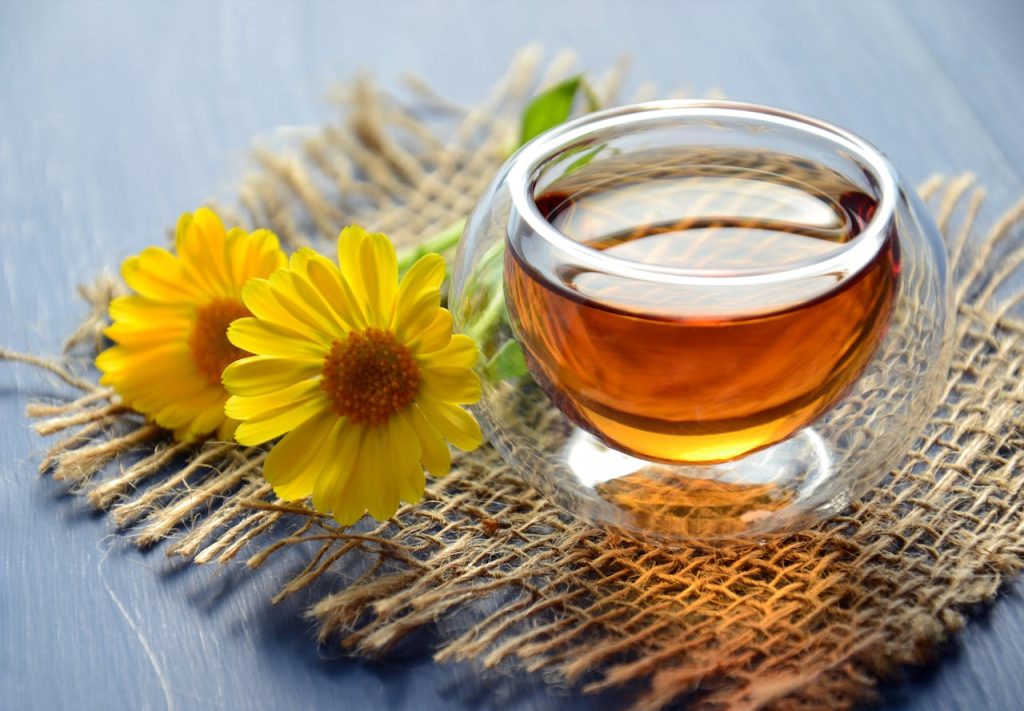
Include common beverages: Coffee and green tea are rich in chlorogenic acid and catechins, both linked with reduced chronic disease risk.
Diversify plant intake: Eggplants, leafy greens, grapes, citrus fruits, and peppers contribute unique polyphenols that may act synergistically.
Nourish the gut microbiome: Prebiotic fibers (oats, onions, bananas) and fermented foods (yogurt, kimchi) improve polyphenol metabolism and bioavailability.
Be cautious with supplements: Concentrated polyphenol supplements remain unregulated and may interact with medications. Whole foods remain the safer choice.
Focus on consistency: The benefits of polyphenols accumulate over time, not from one-off “superfood” binges.
Together, these strategies highlight balance and moderation—hallmarks of long-term, sustainable nutrition.
Polyphenols, once appreciated mainly for their antioxidant properties, are now gaining recognition as potential modulators of cancer biology. Laboratory findings, especially those involving chlorogenic acid and plum-derived extracts, suggest they can interfere with cancer cell survival and promote apoptosis. Yet translating such results into clinical practice remains a long and uncertain road.
The bottom line is encouraging but cautious: while polyphenols are not miracle cures, diets rich in fruits, vegetables, coffee, and tea are consistently associated with better health outcomes. In an era often dominated by overhyped nutritional claims, polyphenols offer a grounded, balanced narrative—one of potential, not panacea.
The best advice for now? Return to the basics: real, whole foods, eaten regularly and thoughtfully, paired with evidence-based medical care. Nature may not provide a cure-all, but it continues to reveal quiet, powerful allies for human health—waiting to be recognized in the foods we already eat.