Pick A Chair And See Who Sits By Your Side
Facts 12/07/2026 16:14
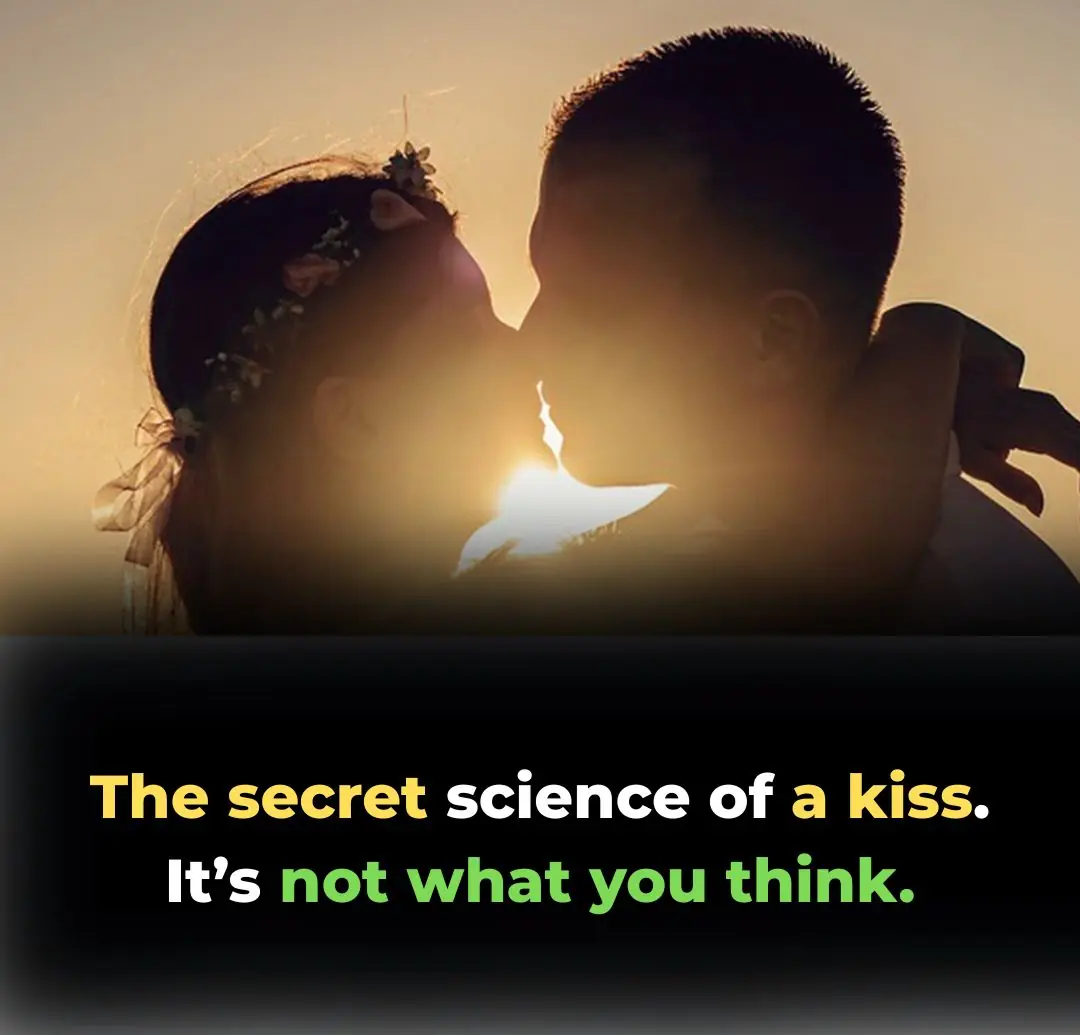
Most people view a deep kiss as a simple romantic gesture. However, in the world of evolutionary biology and neuroscience, it is a high-speed communication network. A single passionate kiss triggers a complex "chemical symphony" in the brain, influencing everything from our mood to our choice of a long-term partner.
Human lips are unique in the animal kingdom. They are packed with a disproportionate number of sensory nerve endings. In fact, the somatosensory cortex—the part of the brain that processes touch—devotes a massive amount of space specifically to the lips.
When you engage in a deep kiss, these receptors send an immediate "electrical storm" to the brain. This tactile input alerts your nervous system to focus entirely on the partner, making it one of the most intense sensory experiences humans can have.
Once the signal reaches the brain, it triggers the release of a potent mix of neurotransmitters and hormones:
Dopamine (The Reward): A deep kiss floods the brain with dopamine, the same chemical associated with craving and addiction. This creates a "rush" or "high," making you feel euphoric and intensely attracted to your partner.
Oxytocin (The Cuddle Hormone): Often called the "bonding molecule," oxytocin is released during prolonged physical contact. It reduces social inhibitions, fosters trust, and strengthens the emotional attachment between a couple.
Serotonin (The Obsession): Kissing can spike serotonin levels, which may explain why you can’t stop thinking about a person after a particularly memorable romantic encounter.
Beyond the "feel-good" chemicals, a deep kiss serves a biological purpose: assessment. While kissing, we are subconsciously picking up on pheromones and chemical cues through taste and smell.
Scientists believe that kissing allows us to detect a partner’s Major Histocompatibility Complex (MHC)—a set of genes related to the immune system. Biologically, we are often attracted to partners with a different MHC profile than our own, as this would result in offspring with a more robust immune system.
A passionate kiss is a natural stress-reliever. Research shows that it significantly lowers levels of cortisol, the body’s primary stress hormone. By reducing cortisol, kissing helps lower blood pressure, improves heart health, and boosts the immune system.
From a physiological standpoint, a kiss is more than an emotion; it is a vital function for maintaining internal balance and well-being.
The science of kissing—formally known as philematology—reveals that this behavior is far more than a romantic cliché. It is a powerful biological mechanism that combines sensory perception, neural response, and emotional signaling. By triggering the brain's reward centers and testing for genetic compatibility, a deep kiss remains one of the most profound ways humans communicate and bond.