Life stories 03/08/2026 13:54
PART 2: For Seven Years, My Husband Forbade Me from Attending Our Daughter's School Meetings. “You'll Only Embarrass Her,” He Said M1
PART 2
I waited until Graham’s car disappeared beyond the iron gates before I allowed myself to breathe.
My hands were gripping the handle of the cleaning cart so tightly that my knuckles had turned white. Around me, parents drifted through the corridor in soft cashmere coats, laughing about tennis lessons and dinner reservations. Teachers gathered abandoned coffee cups. Children ran past carrying construction-paper projects.
No one seemed to have noticed that my world had just split open.
“My husband Graham.”
Michelle’s voice kept echoing inside my skull.
“Our Gabrielle.”
And beneath it, smaller and more terrible, came my daughter’s whisper.
Please don’t lock me up again.
I pulled out my phone.
My fingers trembled as I opened the recording application. The screen showed twelve minutes and forty-three seconds.
I had recorded everything from the moment Michelle adjusted Graham’s tie.
The introduction.
The applause.
The pinch.
Gabrielle’s plea in the parking lot.
Not enough to explain seven years of lies.
But enough to prove I was not imagining them.
“Nora?”
I spun around.
My neighbor, Elena Ruiz, stood at the end of the hallway in her gray housekeeping uniform. She was a small woman in her fifties with sharp eyes and a habit of noticing whatever other people worked hard to hide.
She had lent me the uniform and badge that morning.
Now she looked at my face and stopped smiling.
“What happened?”
I pushed the cart into the supply room and closed the door behind us.
For several seconds, I could not speak.
Then I held out my phone.
Elena listened to the recording without interrupting. When Michelle called herself Graham’s wife, Elena’s eyebrows rose. When Gabrielle begged not to be locked up, Elena covered her mouth.
When it ended, the supply room was silent except for the hum of the fluorescent light.
“You need to call the police,” she said.
“I need to get Gabrielle first.”
“The police can get her.”
“And if Graham convinces them I’m unstable?”
Elena stared at me.
I knew how desperate I sounded.
But Graham had spent eleven years arranging the world around me. He handled the money. He chose our doctors. He opened the mail. He told neighbors that crowds made me anxious and that I preferred to stay home. When I once tried to apply for a job at a florist, he called the owner before my interview and told her I was recovering from a nervous breakdown.
She canceled the appointment.
At the time, Graham said he had protected me from humiliation.
Now I wondered how many invisible walls he had built while pretending they were doors.
“He’ll say I misunderstood,” I continued. “He’ll say Gabrielle was talking about a game. He’ll say Michelle made a joke. And by the time anyone checks, he’ll have moved her somewhere.”
Elena glanced toward the door.
“Then what are you going to do?”
I looked down at the cleaning uniform.
“I’m going to find out where he takes her.”
We left the school separately.
I abandoned the scooter near a bakery and climbed into Elena’s dented minivan. We parked half a block from the academy, close enough to see the exit but far enough that Graham would not recognize her vehicle.
Forty minutes later, his black Mercedes emerged from the school driveway.
Michelle sat beside him.
Gabrielle was in the back seat.
Her face was turned toward the window.
We followed.
At first I expected Graham to drive home.
Instead, he headed north.
The roads narrowed as the houses grew farther apart. Stone walls replaced sidewalks. Bare winter trees clawed at a pale sky. After twenty minutes, the Mercedes turned onto a private road marked by a brass sign.
HARBOR HOUSE CONSERVATORY
AUTHORIZED FAMILIES ONLY
Elena slowed.
“What is this place?”
“I don’t know.”
The road led to an old estate overlooking the water. The main building was a gray mansion with tall windows and a copper roof stained green by age. A second building stood behind it, partially hidden by trees.
Music drifted faintly through the cold air.
Piano scales.
The same sequence repeated again and again.
Graham’s car stopped near the mansion. Michelle stepped out first. Graham opened the rear door and pulled Gabrielle from the vehicle.
Even from a distance, I could see my daughter resist.
Not openly.
Just a slight backward movement.
A pause.
A tightening of her shoulders.
Then Michelle bent close and said something that made Gabrielle go still.
They entered the mansion.
Elena parked behind a line of delivery vans.
“I have cleaned here before,” she whispered suddenly.
“You have?”
“Once. Three years ago. The school sends staff when the conservatory holds donor events.”
“What is it?”
“A music program. Very private. Children come for intensive lessons.”
I stared at the building.
“Why would Gabrielle beg not to be locked up at a music school?”
Elena did not answer.
A catering van beside us opened, and two men began unloading trays. Elena watched them for a moment, then reached beneath her seat and pulled out a spare gray apron.
“You still look like staff,” she said. “So do I.”
We followed the catering workers through a side entrance.
Inside, Harbor House smelled of polished wood, lemon oil, and old money. Portraits of unsmiling children lined the corridor. Each child sat at a piano with hands folded perfectly in their lap.
Small gold plaques displayed their names and dates.
Some had attended decades ago.
Others were recent.
I stopped beneath one portrait.
The girl in the photograph had Gabrielle’s dark hair and solemn eyes.
For one impossible second, I thought it was her.
Then I read the plaque.
EVELYN STAFFORD
HARBOR SCHOLAR, 1988
My breath caught.
“Stafford,” Elena murmured.
The child could have been eight or nine.
She looked like my daughter.
She also looked like me.
Footsteps sounded from the main hall.
We ducked behind a service door as Graham and Michelle crossed the corridor with an elderly man in a navy suit. Gabrielle was no longer with them.
“The evaluations begin at six,” the man said.
“She’s ready,” Michelle replied.
“She is distracted,” Graham said. “Her mother has been asking questions.”
The elderly man stopped walking.
“What kind of questions?”
“Nothing I can’t manage.”
“You said that before.”
Graham’s expression tightened.
Michelle touched his arm.
“Nora has no access to the accounts, the school, or the girl’s medical records. She doesn’t even drive. She is harmless.”
I felt Elena’s hand close around my wrist.
The old man studied Graham for a long moment.
“Harmless people become dangerous when they realize they have nothing left to lose.”
He continued toward the staircase.
Michelle followed.
Graham remained behind for a moment, staring at his reflection in the dark window.
Then he took out his phone.
“Bring the medication downstairs,” he said quietly. “Double the usual dose. She needs to perform tonight without another episode.”
My body moved before my mind could stop it.
Elena yanked me back.
“Not yet,” she breathed.
“That’s my daughter.”
“And if you run out there, they take her somewhere else.”
I hated her for being right.
We waited until Graham went upstairs.
Then we searched.
The mansion contained rehearsal rooms, offices, and a vast performance hall with a chandelier shaped like falling crystal. Everywhere we went, piano music seeped through the walls.
Some children played beautifully.
Others played like machines.
No laughter.
No wrong notes.
No adults raising their voices.
The silence between the songs felt more frightening than screaming.
At the end of the east wing, we found a locked door marked ARCHIVE.
Elena produced a ring of maintenance keys.
The third key worked.
The room beyond was windowless and cold. Metal shelves held boxes labeled with years, student numbers, and family names.
Stafford appeared again and again.
STAFFORD, EVELYN.
STAFFORD, GRAHAM.
STAFFORD, GABRIELLE.
I pulled down Gabrielle’s box.
Inside were school reports, medical forms, photographs, and handwritten observations.
Subject demonstrates exceptional auditory recall.
Subject responds poorly to isolation beyond four hours.
Maternal interference remains minimal.
Maternal attachment should be reduced before final assessment.
I read the last line twice.
Then I found a page signed by Michelle.
Punishment protocol successful. Subject completed Chopin passage after six hours without food. Resistance remains focused around biological mother.
The room tilted.
Elena steadied me.
“These are records of abuse,” she whispered.
I took photographs of every page.
At the bottom of the box, beneath a stack of recital programs, lay a sealed envelope.
NORA VALE—CONFIDENTIAL.
Vale was my maiden name.
I tore it open.
The first document was a psychiatric evaluation dated twelve years earlier, one year before I married Graham.
Patient displays memory fragmentation following vehicular trauma.
Patient has no reliable recollection of childhood musical training.
Patient remains unaware of birth-family connection to Harbor House.
Recommendation: maintain separation from institutional records.
The signature belonged to Dr. Malcolm Rusk.
The doctor Graham had chosen for me after our wedding.
The doctor who told me my panic attacks were proof that I should not work.
The doctor who prescribed pills that made entire afternoons vanish.
Behind the evaluation was a photograph.
I was standing on the front steps of Harbor House.
I could not have been older than ten.
Beside me stood Evelyn Stafford, the girl from the portrait.
Our hands were clasped.
We wore identical white dresses.
On the back, someone had written:
THE VALE SISTERS—FINAL DUET, 1997.
I stared at the words until they blurred.
“I never had a sister,” I said.
Elena looked at the photograph.
“Maybe they told you that.”
A floorboard creaked outside.
We froze.
The archive door opened.
Michelle stood in the doorway.
For one second, no one moved.
She had removed her coat. Her cream blouse was immaculate, her dark hair pinned smoothly at the back of her neck. She looked exactly as she had in the classroom: elegant, calm, and entirely certain of her place in the world.
Then she saw the open box.
Her calm vanished.
“You,” she said.
Elena stepped in front of me.
Michelle reached for an alarm button on the wall.
I held up my phone.
“I recorded you at the school.”
Her hand stopped.
“I recorded Graham. I recorded Gabrielle. And I photographed these files.”
Michelle’s eyes shifted to the device.
“You don’t understand what you found.”
“I understand that you hurt my child.”
“She is not your child.”
The words struck harder than a slap.
I could not breathe.
Michelle’s face softened—not with kindness, but satisfaction.
“Graham never told you?”
“Told me what?”
She closed the archive door behind her.
Outside, the distant piano scales stopped.
“All these years,” Michelle said, “I wondered whether you truly remembered nothing or whether you were pretending.”
I stepped toward her.
“Where is Gabrielle?”
“Preparing.”
“For what?”
“The assessment.”
“What assessment?”
“The same one you failed.”
She glanced at the photograph in my hand.
“You were Harbor House’s most promising student. Better than Evelyn. Better than any child they had trained in twenty years. You could listen to a piece once and reproduce it exactly.”
“I never played piano.”
Michelle smiled.
“You still believe that?”
A flash moved through my mind.
White keys.
Blood on a child’s fingertip.
A metronome clicking in darkness.
Then it vanished.
I grabbed the edge of the shelf.
Michelle watched me carefully.
“They said the memories might return under pressure.”
“Who said?”
“Your father.”
“My father died when I was six.”
“No. The man you were told was your father died when you were six.”
Elena shifted beside me.
Michelle’s gaze flicked toward her.
“You should leave,” she said. “This is a family matter.”
“You pinched an eight-year-old until she bled,” Elena replied. “That stopped being a family matter.”
Michelle’s jaw tightened.
Then an alarm rang somewhere in the mansion.
Not a siren.
A single low bell.
Michelle looked toward the ceiling.
Her expression changed.
“The assessment has started.”
I rushed past her.
She caught my sleeve, but Elena shoved a box from the shelf. It crashed between them, spilling papers across the floor.
I ran.
The corridors were empty now. Every rehearsal room stood open and abandoned. At the far end of the mansion, a narrow staircase descended beneath the main hall.
The piano music came from below.
Not scales anymore.
A melody.
Slow.
Delicate.
Familiar.
I had heard Gabrielle play it at home when she thought no one was listening.
Graham always made her stop.
I followed the sound down the stairs.
At the bottom was a steel door with a small glass window.
Through it, I saw my daughter.
Gabrielle sat at a black grand piano in the center of a circular room. Bright lamps shone down on her. Her face was pale. A red mark darkened her arm where Michelle had pinched her.
Three cameras surrounded the piano.
Behind a wall of glass sat Graham, the elderly man, and two strangers in white coats.
Gabrielle played the melody with trembling hands.
A metronome ticked beside her.
When she missed a note, the elderly man pressed a button.
A sharp electrical snap sounded.
Gabrielle jerked.
There were wires attached beneath the piano bench.
I slammed both hands against the door.
“Gabrielle!”
She looked up.
“Mom?”
The music stopped.
Graham spun toward the window.
For the first time in our marriage, I saw fear on his face.
He spoke into a microphone.
“Continue the test.”
Gabrielle stared at me through the glass.
“Mom, go away.”
“I’m getting you out.”
“Please,” she cried. “They’ll hurt you too.”
I pulled the fire alarm beside the door.
Nothing happened.
The elderly man entered a code on his console.
The corridor door locked behind me.
Graham stepped into the testing room.
He approached Gabrielle and placed both hands on her shoulders.
“Play,” he said.
She shook her head.
He leaned closer.
“Play, or your mother goes into the dark room.”
Gabrielle’s fingers returned to the keys.
Rage surged through me so violently that it cleared every trace of fear.
I lifted my phone and started recording.
“My name is Nora Stafford,” I said loudly. “I am at Harbor House Conservatory. My husband, Graham Stafford, is holding our daughter—”
“She is not our daughter,” Graham shouted through the glass.
The room went silent.
Even the metronome seemed to pause.
Graham realized what he had said.
I moved closer to the window.
“Then whose daughter is she?”
The elderly man rose.
“Turn off the cameras,” he ordered.
One of the strangers reached for the controls.
I held my phone higher.
The live-stream icon glowed red.
Before entering the basement, I had sent Elena a link. If the signal held, everything was being uploaded automatically.
Graham crossed the room, unlocked the door, and stepped into the corridor.
His face was white with fury.
“You should have stayed home.”
“You should never have touched her.”
“I have never touched Gabrielle.”
“You locked her up.”
“To protect her.”
“From what?”
“From you.”
He seized my wrist.
The movement triggered something buried inside me.
Not a memory.
A reflex.
I twisted my arm, stepped sideways, and drove my elbow into his chest with such precision that he staggered backward.
We both stared at each other.
I had never learned to fight.
At least, I did not remember learning.
The elderly man appeared behind the glass.
He smiled faintly.
“There she is,” he murmured.
Graham recovered and lunged again.
This time the basement lights went out.
A crash echoed from the stairs.
Elena shouted my name.
Emergency lights flickered red along the floor. Somewhere above us, people began running. Doors slammed. Children cried out.
Elena had triggered a real alarm.
Smoke curled beneath the stairwell door.
“What did you do?” I yelled.
“Burned a tray of pastries,” she called back. “Very expensive pastries.”
The steel doors unlocked automatically.
I rushed into the testing room.
Gabrielle launched herself from the bench and into my arms.
She was lighter than I remembered.
Too light.
I held her against me and felt her heart hammering.
“We’re leaving.”
She clutched my collar.
“You can’t take me home.”
“We’re not going home.”
“No, Mom. You don’t understand. He watches the house.”
“Who?”
She looked toward the elderly man.
“My grandfather.”
The old man stood calmly behind the glass while the building emptied around him.
I had never seen him before.
Yet the shape of his eyes stirred something ancient inside me.
Something I had spent decades trying not to remember.
He picked up the microphone.
“Nora,” he said. “Take the girl and run if you wish. You always were good at running.”
My skin went cold.
“Who are you?”
His smile widened.
“Your father.”
A burst of static crackled through the speakers.
Then the memory came.
Not in fragments.
All at once.
I was ten years old, standing in that same circular room.
Evelyn sat at the piano beside me.
We were sisters.
Not twins, but close enough in age that Harbor House dressed us alike and called us the Vale Pair.
Our father stood behind the glass.
When Evelyn missed a note, he pressed the button.
When I screamed, he increased the current.
When I refused to play, they put me in a soundproof room for two days.
And one night, during our final duet, Evelyn collapsed over the keys.
I remembered blood beneath her nose.
I remembered Graham—young, frightened, no more than fifteen—opening a service door and telling me to run.
I remembered a car.
Rain.
Headlights.
Then nothing.
I looked at Graham.
He had helped me escape.
Years later, he had married me.
Then he had brought my daughter back to the place we fled.
“Why?” I whispered.
His face twisted.
“You were supposed to forget forever.”
“You married me to watch me.”
“At first.”
The admission came quietly.
“Then what?”
“I loved you.”
I laughed.
The sound frightened even me.
“You erased me. You drugged me. You let that woman pretend to be Gabrielle’s mother.”
“I kept you alive.”
The old man spoke through the microphone again.
“Enough.”
The glass partition slid open.
Smoke had begun to gather near the ceiling, but he showed no urgency. He entered the testing room with the slow confidence of a man who believed every exit belonged to him.
Up close, he looked older than I had first thought. His silver hair was thin. A scar crossed his left temple.
He looked at Gabrielle, not me.
“The child’s assessment is complete.”
“She missed the final passage,” Graham said.
“No,” the old man replied. “She made the correct choice.”
He turned to me.
“The test was never about the piano. It was about whether she would obey Graham or respond to you.”
I held Gabrielle tighter.
“What do you want?”
“What I have always wanted. Proof that the gift survives.”
“There is no gift.”
He glanced toward the piano.
“Play the melody.”
“I don’t know it.”
“You do.”
The tune Gabrielle had been playing still hovered in my mind.
Without meaning to, I saw every note.
Not as symbols.
As shapes.
Colors.
Distances.
My fingers moved against Gabrielle’s back, pressing an invisible keyboard.
The old man saw.
“So did Graham,” he said. “That is why he kept you away from the school. Not because you would embarrass Gabrielle. Because the moment you heard her play, your memory might return.”
I looked at my husband.
He did not deny it.
Michelle appeared in the doorway, coughing through the smoke.
“Security is coming,” she said.
Elena grabbed my arm.
“We have to move.”
But Gabrielle would not let go of me.
“Mom,” she whispered, “there’s something under the bench.”
The piano bench.
I looked toward it.
A black leather satchel was strapped beneath the seat.
Graham saw where I was looking.
“No,” he said.
I moved first.
I pulled the satchel free and unzipped it.
Inside were passports, cash, medical files, and a small silver flash drive.
There were three passports.
One for Graham.
One for Michelle.
And one for Gabrielle.
But the name on Gabrielle’s passport was not Gabrielle Stafford.
It was Olivia Tillman.
I opened the medical file.
A DNA report lay on top.
MATERNAL MATCH: MICHELLE TILLMAN—99.98%
PATERNAL MATCH: GRAHAM STAFFORD—99.99%
The letters blurred.
I looked at Gabrielle.
She stared back at me, terrified.
“No,” I whispered.
Michelle stepped into the room.
For the first time, her polished expression cracked.
“She was never yours, Nora.”
I could barely hear her through the roaring in my ears.
“You were unstable after the accident,” she continued. “You lost a pregnancy. Graham needed someone to keep you calm while he fulfilled his obligations to Harbor House.”
“My obligations?” Graham snapped. “You mean your bargain.”
Michelle ignored him.
“They gave you a baby. You believed she was yours because the medication made the details uncertain.”
I looked down at the child in my arms.
Every fever I had sat through.
Every bedtime story.
Every scraped knee.
Every secret smile.
Every night she crawled into my bed after a nightmare and pressed her cold feet against my legs.
Blood could not erase any of it.
But the lie tore through me anyway.
Gabrielle searched my face.
“Are you still my mom?”
I cupped her cheeks.
“Yes.”
Michelle’s eyes hardened.
“She belongs to me.”
Gabrielle flinched.
That was answer enough.
A siren wailed above us.
Real firefighters this time.
The old man stepped toward the emergency exit.
“Take the flash drive, Nora,” he said. “You came here for the truth.”
I stared at him.
“What is on it?”
“The reason Evelyn died.”
He pressed a code into the wall.
A hidden door opened behind the piano, revealing a narrow tunnel.
Graham grabbed Michelle.
“We’re leaving.”
She fought him.
“What about Olivia?”
“Her name is Gabrielle,” I said.
Michelle slapped Graham hard enough to turn his head.
“You promised me she would be ready.”
Graham shoved her away.
“You punished her without authorization. You nearly destroyed everything.”
“You let Nora keep my daughter for eight years!”
“To hide her from him!”
Graham pointed at the old man.
The room went still again.
The old man’s calm expression finally changed.
Only slightly.
But I saw it.
Graham stepped toward me.
“Nora, listen carefully. Harbor House did not bring Gabrielle here because of her talent. Your father believes gifted children inherit more than musical memory. He believes trauma can transfer memories through generations.”
“That’s insane.”
“He has spent thirty years trying to prove it.”
The old man reached inside his coat.
Elena shouted.
I saw the gun too late.
Graham threw himself between us.
The shot exploded through the room.
Gabrielle screamed.
Graham fell against the piano.
A single violent chord rang through the basement.
For a moment, nobody moved.
Then blood spread across Graham’s white shirt.
Michelle dropped beside him.
The old man raised the gun again.
I grabbed Gabrielle and pulled her toward the hidden door.
Elena followed.
Another shot struck the wall beside my head.
We ran into the tunnel.
Behind us, Michelle screamed Graham’s name.
The passage was narrow and damp, descending beneath the estate. Emergency bulbs glowed along the floor. Gabrielle stumbled, but I kept one arm around her and the flash drive clenched in my other hand.
“Where does this go?” Elena gasped.
“I remember.”
The words escaped before I realized they were true.
I knew the tunnel.
I had used it the night Evelyn died.
We emerged beyond the stone wall near the edge of the water.
Fire engines crowded the main road. Smoke poured from an upper kitchen window. Staff members and children gathered on the lawn.
Elena led us toward her minivan.
I looked back once.
The old man stood at a window on the second floor.
Watching.
He lifted two fingers to his temple in a small salute.
He was not afraid of the police.
He expected me to survive.
That frightened me more than the gun.
We drove south without speaking.
Gabrielle curled against me beneath Elena’s coat. After ten minutes, she fell asleep from exhaustion.
I kept one hand on her hair.
The other held the flash drive.
“What now?” Elena asked.
“We go somewhere Graham doesn’t control.”
“Do you know such a place?”
I thought of every house, bank account, doctor, and friend connected to him.
Then I remembered the photograph.
The Vale sisters.
“There was a woman who visited me in the hospital after the accident,” I said. “I thought she was a nurse. She gave me an address and told me to memorize it.”
“You remember the address?”
“I do now.”
It belonged to a farmhouse outside New Haven.
We arrived after dark.
The house stood alone behind an abandoned orchard. No lights shone in the windows. A rusted wind chime moved above the porch.
Elena stayed in the van with Gabrielle while I approached the door.
I knocked.
Nothing.
I knocked again.
A light appeared upstairs.
Locks turned.
The door opened three inches.
A woman with white hair stared out at me.
She looked at my face.
Then at the flash drive in my hand.
Her eyes filled with tears.
“You finally remembered,” she said.
“Who are you?”
She opened the door wider.
“I’m the woman who pulled you from the car.”
Behind her, the hallway walls were covered with photographs.
Children at pianos.
Harbor House staff.
My father.
Graham.
Michelle.
And dozens of pictures of me taken throughout my life.
At my wedding.
Outside my house.
Holding Gabrielle as a baby.
Watching from the window while Graham drove her to school.
Someone had been following me for years.
The woman reached for my hand.
“There isn’t much time. Your father will know you came here.”
“Tell me what’s on the drive.”
Her gaze dropped to it.
“Evelyn’s final recording.”
“I saw her die.”
“No,” the woman said. “You saw what they needed you to believe.”
A floorboard creaked behind her.
A figure stepped out of the darkened kitchen.
She was thin, with a scar across her left cheek and one hand curled stiffly against her side.
But I knew her eyes.
They were the same eyes I had seen in the portrait at Harbor House.
The same eyes Gabrielle saw every morning in the mirror.
The woman looked at me for a long time.
Then she whispered the name I had not heard since childhood.
“Nora.”
The flash drive slipped from my fingers.
Evelyn smiled.
And from the minivan behind me, Gabrielle began to scream.
...If you want to know what happened next, please type “YES” and like for more.
ReportTags:
News in the same category
My Husband Left Me Alone With Our Babies While He Took a Beach Trip
PART 2: I came home after six months overseas expecting my wife to run into my arms. M1
FULL STORY: After spending the night with my mistress, I came home expecting another ordinary morning—but instead I found my baby's crib completely empty and my wife's wedding ring waiting for me on the kitchen counter M1
FULL STORY: For two years, my six-year-old son never spoke, never smiled, and never reached for another human being. M1

FULL STORY: My husband moved his elderly parents into my home and told me, “Take care of them while I'm gone. M1
PART 2: My Husband Sm@shed My Face Into Our Daughter’s Birthday Cake in Front of Forty-Seven Guests—Completely Unaware That I Was the Long-Lost Heiress to a Billion-Dollar Fortune M1
FULL STORY: I married a dying man because it was his final wish — after his funeral, his lawyer knocked on my door and said: ""He made me wait until today to tell you WHO HE REALLY WAS M1
PART 2: My daughter’s fever climbed so high i knew we could not wait. but my mother-in-law stood in the kitchen and told me to stay, smile, and cook for her guests M1
PART 2: My ex-husband called with a cocky laugh. “I’m marrying the woman I picked instead of you. Come watch us celebrate. H004
PART 2: As I delivered twins, my CEO husband pampered, shopped and dined with his mistress. When he finally remembered me, he rushed to the hospital—only to hear: ‘Your wife, heiress to a top-3 conglomerate, left by helicopter with the babies.’ H004
I Gave up Everything to Raise My Late Fiancée's 6 Children – 10 Years Later, Her Oldest Son Came to Me and Said, 'Dad, I Think You Deserve to Know the Truth About Mom'
My Husband Spent 20 Years Swearing the Woman Tattooed Over His Heart Was Imaginary, Her Name Was Rose…
FULL STORY: The Mafia Boss Called the Poor Waitress Trash in Italian and Went Silent When She Corrected His Grammar M1
PART 2: My husband insisted on bringing his secretary along on our honeymoon just moments before we boarded. M1
PART 2: My ex-husband called with a cocky laugh. “I’m marrying the woman I picked instead of you. Come watch us celebrate. H004

The Mafia Boss Abandoned a Million-Dollar War When His Secretary Whispered, “Come Get Me” — But the Real Betrayal Was Waiting Beside Him.
The Mafia Boss Found His Maid Crying in the Kitchen at 3 A.M. — Then She Revealed the Enemy Was Living Under His Own Roof.
News Post
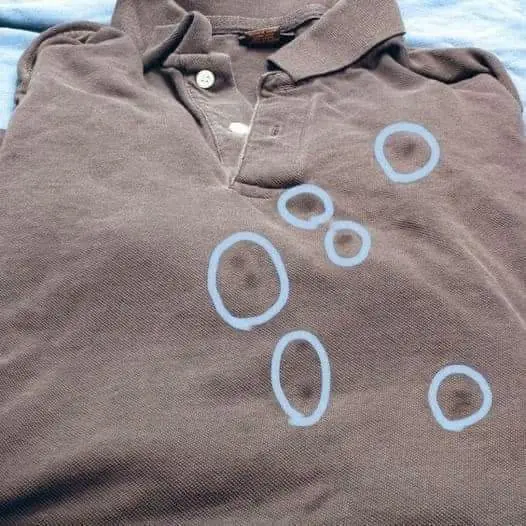
How To Remove Set-in Grease Stains From Laundry
Tips 03/08/2026 20:43
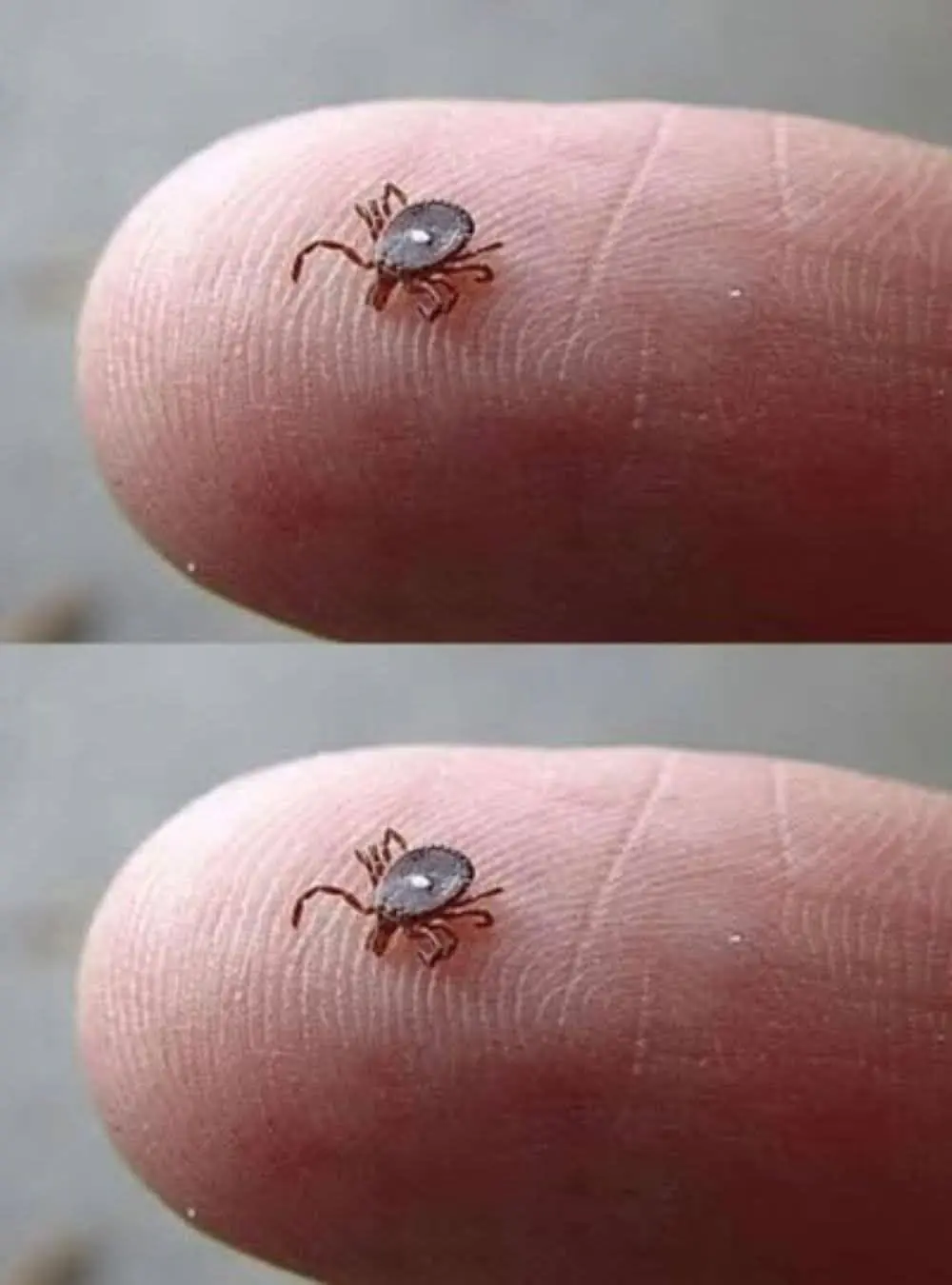
If You Notice This Insect, Follow These Important Steps
Facts 03/08/2026 20:34
What Does It Mean To Wear a Ring On The Right Hand
Facts 03/08/2026 20:32
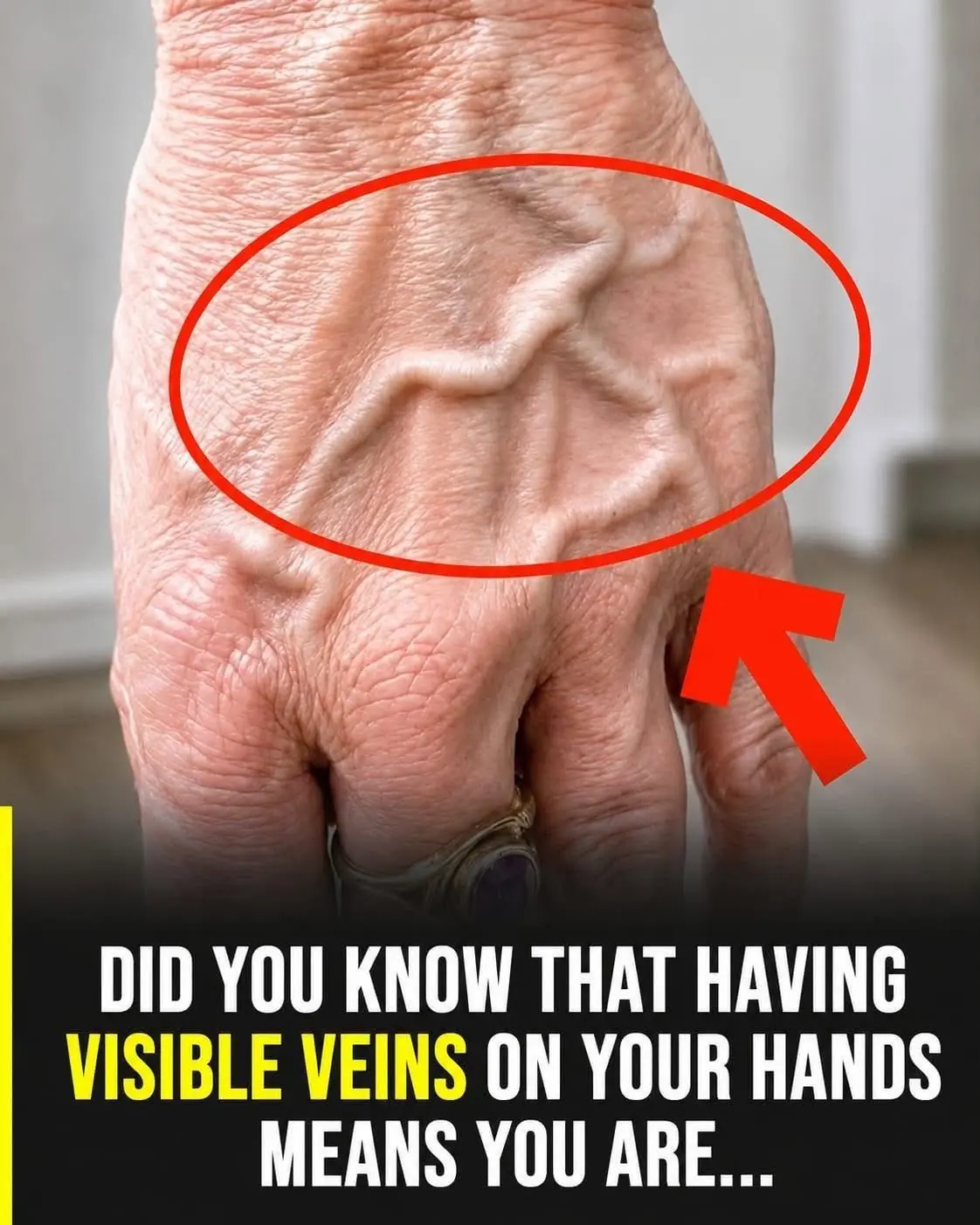
What Do Visible Veins on Your Hands Really Mean? Here's What Experts Say
Health 03/08/2026 20:29
Blind Girl Forced to Marry a Beggar — Years Later Her Cruel Father Arrived at Her Door and Was Left Speechless
Life stories 03/08/2026 20:25
My Husband Left Me Alone With Our Babies While He Took a Beach Trip
Life stories 03/08/2026 20:17

This type of leaf is 300 times sweeter than sugarcane, and its refreshing taste is not fattening or causes weight gain.
Tips 03/08/2026 18:16

Drink coconut water when hungry within 7 days, 1 arrow hits 10 targets: if you don't try, it's too much
Tips 03/08/2026 18:15

Scientists Discovered a Hidden Garlic Method That Could Make Mosquitoes Stay Away
Health 03/08/2026 17:10

The HPV Vaccine Reduces Risk Of Fatal Cervical Cancer Before 30 To Effectively Zero
Health 03/08/2026 17:07

Castor Oil: 25 Practical Uses, How to Use It Safely, and What You Should Know
Garden Healthy 03/08/2026 16:15
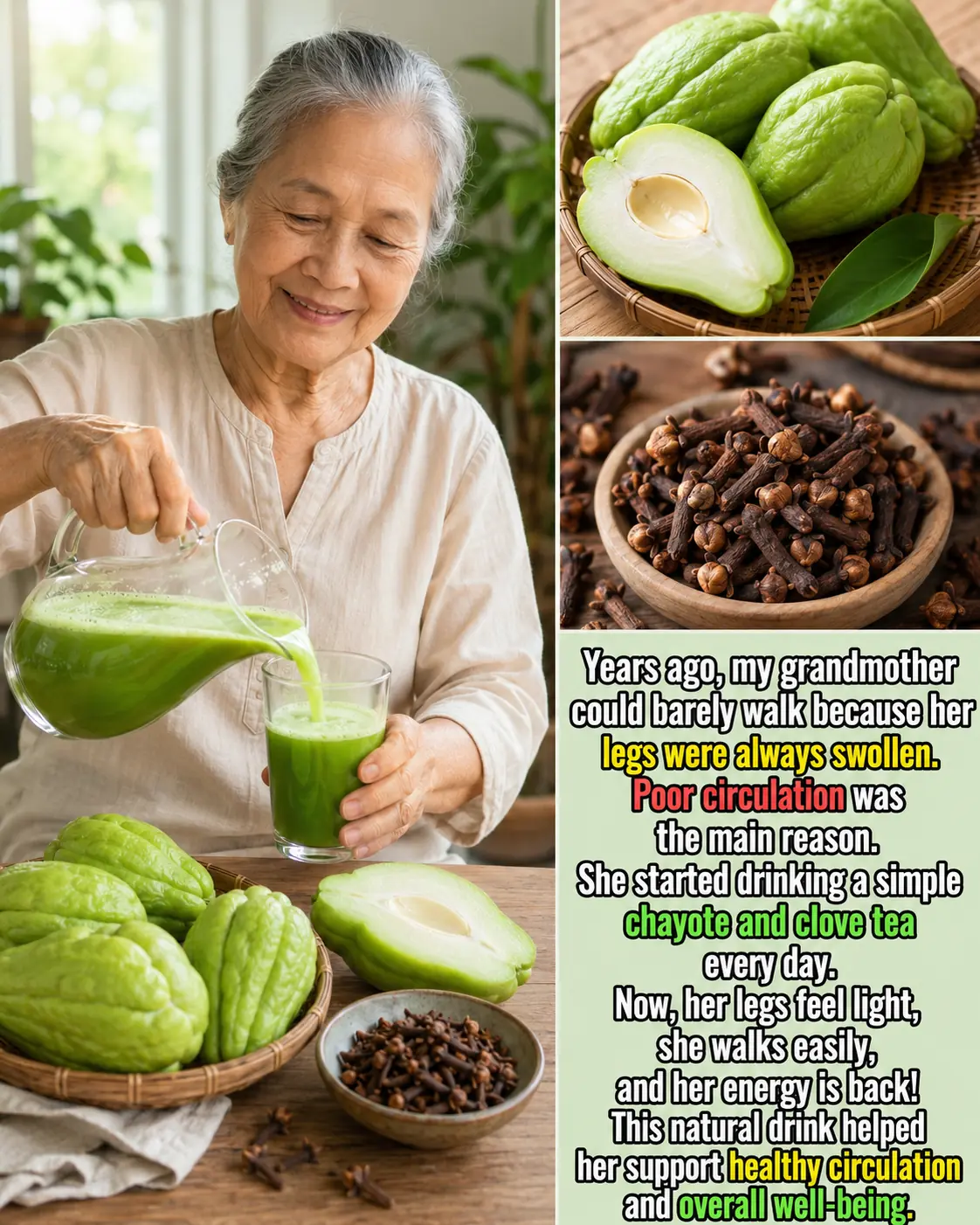
Herbal Drink Recipe: A Gentle Way to Support Healthy Circulation, Blood Sugar, and Liver Wellness
Garden Healthy 03/08/2026 16:12

Proven Health Benefits of Coffee and Caffeine Based on Scientific Evidence
Health 03/08/2026 15:54
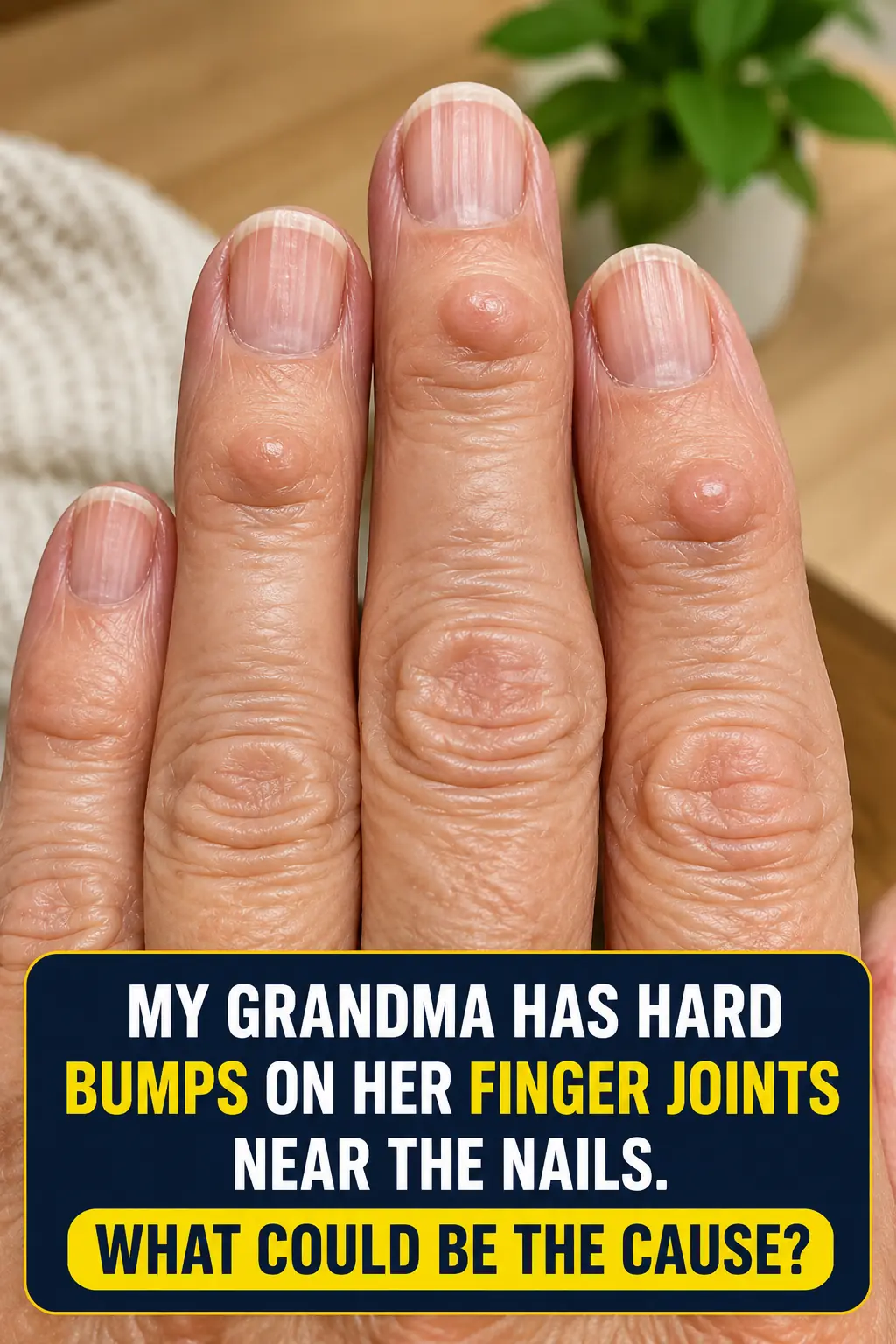
My grandma has these hard bumps forming on her finger joints near the nails. Why is this spreading?
Tips 03/08/2026 15:38

Is Horseradish Good for You? Proven Health Benefits of Horseradish (Science Based)
Health 03/08/2026 15:31

Science Based Benefits of Cinnamon (Tea, Powder) + Side Effects
Health 03/08/2026 15:22

The Traditional Power of Oregano Orejón: A Caribbean Herb for Kidney Wellness, Eye Health & Everyday Vitality 🌿
Garden Healthy 03/08/2026 14:51

Guanabana: The Tropical Fruit That May Help Support Your Everyday Vitality
Garden Healthy 03/08/2026 14:47
PART 2: I came home after six months overseas expecting my wife to run into my arms. M1
Life stories 03/08/2026 13:53