Life stories 03/08/2026 13:49
PART 2: My daughter’s fever climbed so high i knew we could not wait. but my mother-in-law stood in the kitchen and told me to stay, smile, and cook for her guests M1
Just people who understood that a child’s life mattered more than appearances.
The nurse pressed two fingers to Sabina’s wrist and called for a doctor before she even finished taking her temperature.
“One hundred and four point seven,” she said.
My stomach dropped.
They moved us into an examination room immediately. Sabina whimpered when I laid her on the narrow bed, her eyes barely opening as the doctor listened to her chest and checked her throat.
“How long has the fever been this high?” he asked.
“I checked it less than an hour ago. It was one hundred and three then.”
“Any vomiting?”
“Once this afternoon.”
“Trouble breathing?”
“She said her chest hurt earlier, but she’s four. I didn’t know if she meant—”
“You did the right thing bringing her in.”
Four simple words.
You did the right thing.
I had not realized how desperately I needed to hear them until my eyes filled with tears.
The doctor ordered tests, fluids, and medication to reduce the fever. A nurse inserted a tiny IV into Sabina’s arm while I held her hand and whispered that she was brave. She cried weakly, too exhausted to fight.
Then the doctor asked if Sabina had been exposed to anyone sick.
I thought of the dinner downstairs. The guests. The staff. Beatrix kissing Sabina’s cheek that morning, then complaining that the child looked pale in family photographs.
“Not that I know of,” I said.
He nodded. “We’ll know more soon.”
My phone had been vibrating in my purse for nearly ten minutes.
I ignored it until Sabina fell asleep beneath a thin hospital blanket.
There were twelve missed calls.
Five from Thatcher.
Four from Beatrix.
Two from the house manager.
One from my attorney, Lena Ortiz.
That last one made me sit straighter.
Lena never called after business hours unless something was wrong.
I stepped into the hallway, keeping Sabina visible through the open door, and called her back.
She answered immediately.
“Vivian, where are you?”
“At urgent care with Sabina.”
“Is she all right?”
“They’re running tests. Her fever was almost one hundred and five.”
Lena went quiet for half a second. “Do you need me there?”
The question nearly undid me.
“No. Not yet. Why did you call?”
“I received an alert from your corporate security team. Someone tried to access the Ashford Foundation accounts using your executive credentials.”
I stared through the glass at my daughter’s small body.
“What?”
“The attempt came from the home network at the estate.”
My grip tightened around the phone.
“Thatcher?”
“We don’t know. The login was blocked because the transfer exceeded the authorization threshold.”
“How much?”
“Three million dollars.”
For a moment, I heard nothing except the hum of fluorescent lights.
Three million dollars.
Downstairs, my husband had accused me of ruining dinner while someone in my house tried to move three million dollars from my foundation.
“Where was the money supposed to go?”
“A private holding company registered in Delaware. I’m tracing ownership now.”
“Freeze everything.”
“I already suspended external transfers, but I need your authorization to lock the accounts fully.”
“You have it.”
“Vivian, that means payroll, grants, and scheduled payments will pause until morning.”
“Do it.”
I looked back at Sabina.
The nurse adjusted her IV line with gentle hands.
“Lena,” I said, “there’s something else.”
“What?”
“I want every card linked to Thatcher frozen. Personal, corporate, all of them.”
This silence lasted longer.
“Are you sure?”
“Yes.”
“What happened tonight?”
“My daughter had a medical emergency. He stood in front of the door and told me not to leave because his guests were important.”
Lena exhaled slowly.
She had been my attorney for seven years. She had seen Thatcher sign documents without reading them. She had seen Beatrix treat my boardroom like a reception parlor. She had warned me more than once that generosity without boundaries eventually became permission.
“All right,” she said. “I’ll freeze the cards.”
“And revoke Thatcher’s access to the company offices.”
“That requires written notice.”
“I’ll send it.”
“What about the estate?”
I looked down at the wedding ring on my hand.
“What about it?”
“It belongs to the Calder Trust. You’re the sole beneficiary and controlling trustee. Legally, Thatcher and Beatrix are guests in that residence.”
Guests.
The word felt almost elegant.
“They’ve forgotten that,” I said.
“Do you want me to remind them?”
I watched the doctor enter Sabina’s room holding a clipboard.
“Yes,” I said. “But not yet.”
I ended the call and hurried inside.
The doctor’s expression was serious but controlled.
“She has pneumonia,” he said. “The good news is that you brought her in before her oxygen levels became dangerously low. We’re transferring her to the children’s hospital for observation and intravenous antibiotics.”
My knees weakened.
“Pneumonia?”
“It can progress quickly in young children. She’ll likely recover well, but she needs to be monitored tonight.”
I sat beside the bed and touched Sabina’s hair.
What would have happened if I had listened?
What if I had given her medicine, tucked her upstairs, and gone down to smile beside Thatcher while her lungs struggled in the dark?
The thought made something hot and vicious rise inside me.
My phone buzzed again.
This time, I answered.
Thatcher did not say hello.
“What did you do to my cards?”
I looked at Sabina.
Not Is she okay?
Not What did the doctor say?
His cards.
“They were suspended.”
“Why?”
“Because they are attached to my accounts.”
His voice lowered. “You humiliated me.”
“I’m at a clinic with our daughter.”
“My card was declined in front of Uncle Conrad.”
“Then perhaps Uncle Conrad can pay for his own dinner.”
“You need to fix this now.”
“No.”
There was a sharp pause.
“You don’t get to punish me because you lost your temper.”
“My child has pneumonia.”
The words silenced him.
For two seconds.
Then he said, “Is it serious?”
“She’s being transferred to the children’s hospital.”
“All right. I’ll come after dinner.”
I closed my eyes.
“After dinner?”
“The guests are still here, Vivian. Mother is trying to keep everything from collapsing.”
“Then help her clear the plates.”
“Don’t be dramatic.”
I almost laughed.
There he was.
The man beneath the tailoring.
The child behind the cufflinks.
Thatcher had spent years convincing the world he was composed, intelligent, and capable. But every crisis revealed the same truth: he waited for me to solve it, pay for it, or absorb the consequences.
“Do not come to the hospital,” I said.
“What?”
“I said don’t come.”
“I’m her father.”
“You had an opportunity to behave like one.”
“That is not fair.”
“No. What happened to Sabina tonight was not fair.”
His tone hardened. “You’re emotional.”
“And you are finished using that word to dismiss me.”
I hung up.
The ambulance arrived fifteen minutes later.
I rode beside Sabina while city lights flashed across the windows. She stirred once and whispered, “Mommy?”
“I’m here.”
“Did Grandma save me cake?”
My throat tightened.
“You can have any cake you want when you feel better.”
She gave a tiny nod and fell asleep again.
At the children’s hospital, we were taken to a private room. The antibiotics began just after ten. By eleven, Sabina’s fever had started to drop.
I sat beside her bed, one hand on her ankle beneath the blanket, afraid that if I stopped touching her, something might change.
At eleven fifteen, Lena arrived.
She wore dark trousers, a wool coat, and no makeup. Her black hair was twisted into a hurried knot. She carried a laptop under one arm and two cups of coffee in a cardboard tray.
“I brought you the least terrible coffee in the building,” she said.
I took one cup. “You’re a saint.”
“No. Saints work for free.”
She pulled a chair beside mine and opened her laptop.
“I found the holding company.”
My tiredness vanished.
“Who owns it?”
“The ownership is layered through two trusts, but the registered manager is a man named Felix Crowne.”
I knew the name.
Thatcher’s college roommate.
Felix had attended our wedding. He had toasted Thatcher as the future of American industry, though Thatcher had never built, managed, or founded anything in his life.
“He works in private equity,” I said.
“He claims to.”
“What does that mean?”
“It means most of his businesses exist primarily on paper.”
Lena turned the laptop toward me.
A chart showed a series of companies connected by lines.
“Felix is in debt. Significant debt. There are pending lawsuits from two former partners and a federal inquiry into misrepresented investments.”
“And tonight someone tried to send him three million dollars.”
“Yes.”
“Using my credentials.”
“Yes.”
“From my house.”
“Yes.”
I stared at the screen until the names blurred.
“Can you prove it was Thatcher?”
“Not yet. But the attempt came from the computer in your upstairs office.”
Only three people knew the security code to that room.
Me.
Thatcher.
And Beatrix, who had insisted she needed access to retrieve family stationery.
“Check the cameras.”
“I already contacted security. There’s a problem.”
Of course there was.
“What problem?”
“The office camera went offline at seven forty-two.”
“What time was the transfer attempted?”
“Seven fifty-one.”
Nine minutes.
Someone disabled the camera, entered my office, attempted the transfer, and returned downstairs before I left with Sabina.
“Can the camera be disabled remotely?”
“No. The power cable was physically disconnected.”
A cold calm moved through me.
This was no impulsive act.
Someone had planned it.
“Lena, I want the entire house secured.”
“I can call the security company, but Thatcher lives there.”
“No,” I said. “Thatcher resides there with my permission.”
She studied me.
“You’re ready?”
I looked at my daughter.
Her breathing was still shallow, but the terrible heat in her cheeks had eased.
“I should have been ready years ago.”
Lena closed the laptop.
“I’ll prepare emergency occupancy notices. They won’t force him out tonight, especially because you’re married, but they establish that access to the trust property is disputed.”
“What about Beatrix?”
“She has no tenancy agreement, no ownership interest, and no spousal claim. You can remove her immediately.”
A bitter smile touched my mouth.
“She’s in the middle of a dinner party.”
“Then the timing is unfortunate.”
“No,” I said. “The timing is perfect.”
I called Marcus Vale, the head of my private security team.
He answered on the first ring.
“Mrs. Ashford.”
“Marcus, I need you to go to the estate.”
“Yes, ma’am.”
“Bring a full team. No weapons displayed. No unnecessary confrontation. Remove all guests, preserve the office as a potential crime scene, and escort Beatrix Ashford from the property.”
Lena looked at me but said nothing.
Marcus asked, “What about Mr. Ashford?”
“He may pack one suitcase. After that, restrict him to the east guest suite until legal notice is served.”
“Understood.”
“And Marcus?”
“Yes?”
“My daughter’s room is off-limits. No one enters except you.”
His voice softened. “Is Miss Sabina all right?”
“She will be.”
“I’ll take care of the house.”
I ended the call.
For the first time that night, I felt the balance of power shift.
Not dramatically.
There was no thunder, no broken glass, no orchestra announcing the fall of the Ashford family.
Just a series of quiet instructions spoken in a hospital room.
But money had always moved quietly.
So did ownership.
So did consequences.
At eleven forty, the first call came from Beatrix.
I let it ring.
At eleven forty-two, she called again.
At eleven forty-three, a message appeared.
You have gone too far.
I read it twice.
Then I typed:
No. I finally arrived.
I did not send it.
I deleted the words and placed the phone facedown.
Beatrix did not deserve a clever answer. She deserved paperwork.
At midnight, Marcus sent a brief update.
Guests removed. Office secured. Mrs. Beatrix Ashford refusing transport. Mr. Ashford demanding legal counsel.
I showed Lena.
“She can refuse transport,” Lena said. “She cannot refuse to leave.”
A minute later, my phone rang from the house landline.
I answered.
Beatrix’s voice cut through the receiver.
“You have security guards standing in my dining room.”
“My dining room.”
“You spiteful little fool.”
Behind her, I heard men speaking calmly. A chair scraped across the floor.
“You are throwing away your marriage over a fever.”
“Pneumonia.”
“What?”
“Sabina has pneumonia. The doctor said her condition could have become dangerous if I had waited.”
Silence.
I expected guilt.
Fear.
Even a grandmother’s delayed horror.
Instead, Beatrix said, “Children get sick.”
Something inside me became still.
“Pack your things,” I said.
“You cannot remove me from my son’s home.”
“It is not your son’s home.”
She laughed, but the sound was thinner now.
“Do you think paying for a house makes you an Ashford?”
“No. It made the Ashfords housed.”
Her breathing changed.
I continued before she could speak.
“The estate belongs to my trust. The staff are employed by my company. The dinner was charged to my account. The wine, the flowers, the musicians, your dress, and the car waiting outside were all paid for by me.”
“You vulgar woman.”
“Yes,” I said. “Money becomes vulgar when the person spending it stops pretending it belongs to someone else.”
“You will regret humiliating this family.”
“You confused my silence with fear.”
“I know things about you.”
The words came softly.
Too softly.
My hand tightened around the phone.
“What things?”
Beatrix gave a small, satisfied breath.
Then the line went dead.
I stared at the screen.
Lena had heard enough to understand.
“What did she mean?” she asked.
“I don’t know.”
That was a lie.
I knew exactly what Beatrix meant.
Or at least, I knew what she wanted me to think she meant.
Five years earlier, before I married Thatcher, I had made one decision I never discussed with his family.
I had changed my name.
Not my married name.
My original one.
Vivian Calder was not the name on my first birth certificate.
It was the name I took when I turned twenty-one, after my father died and left me the company he had built in secret.
Before that, I had been Vivian Crowne.
Felix Crowne’s half sister.
Lena knew.
No one else did.
Or so I had believed.
I rose from the chair and walked to the window.
Below us, the city stretched in silver and black.
“Felix isn’t just Thatcher’s college friend,” I said.
Lena remained quiet.
“He’s my father’s son from his first marriage.”
“I remember.”
“I haven’t spoken to him in twelve years.”
“Because he tried to contest the inheritance.”
“Yes.”
My father had divided his estate unequally.
Felix received two properties, a trust, and enough money to live comfortably forever.
I received control of Calder Meridian, the logistics and technology company everyone assumed Thatcher helped me build.
Felix had never forgiven me.
He claimed I manipulated our father.
He claimed I stole his future.
He claimed the company should have belonged to the son, not the daughter no one publicly knew existed.
“He may have contacted Beatrix,” I said.
“Or Thatcher.”
The thought cut deeper than I wanted to admit.
“What would Felix promise them?”
Lena’s expression was grim.
“Money. Influence. A way to challenge your control of the company.”
“He already lost that case.”
“Twelve years ago. But if he found new evidence—”
“There is no new evidence.”
“Evidence does not have to be real to be damaging.”
I looked at Sabina.
The machines beside her bed blinked steadily.
“Find out what Beatrix knows.”
“I will.”
“And send me the office access logs.”
Lena hesitated.
“What?”
“There’s something else.”
She turned the laptop toward me again.
“The failed transfer was not the first attempt.”
My pulse slowed.
“How many?”
“Six over the past three months.”
The screen showed dates and amounts.
Two hundred thousand.
Four hundred thousand.
Seven hundred and fifty thousand.
Each rejected because of incomplete verification or automated fraud controls.
But one transaction had succeeded.
Nine hundred thousand dollars.
Transferred three weeks earlier.
My voice came out as a whisper.
“How did I miss that?”
“It was categorized as an acquisition deposit through one of the foundation’s development subsidiaries. It looked legitimate.”
“Who approved it?”
Lena clicked a document.
A digital signature appeared at the bottom.
Mine.
Except I had never signed it.
“That is not my signature.”
“I know.”
“How?”
“Because on the date it was approved, you were in Singapore. The authentication record shows the signature originated at the estate.”
My hands turned cold.
Thatcher had known my itinerary.
He always knew when I traveled.
I had left him access to schedules, staff, vehicles, and household accounts because I thought marriage meant trust.
All that time, he had been studying the systems around me.
Not enough to manage them.
Enough to exploit them.
A soft knock sounded at the door.
A nurse entered and checked Sabina’s oxygen level.
“Her fever is coming down,” she said. “The doctor will be pleased.”
I nodded and thanked her.
After she left, I sat beside my daughter and pressed my lips to the back of her hand.
For years, I had worried that leaving Thatcher would break Sabina’s home.
Now I understood the home had already been broken.
I had simply decorated the fracture.
At one thirty in the morning, Thatcher arrived at the hospital.
Marcus called first.
“Mr. Ashford is in the lobby,” he said. “He says he has a right to see his daughter.”
I looked at Lena.
“Legally, he does,” she said. “Unless he poses a threat.”
Thatcher was many things, but he had never been physically violent.
His cruelty was cleaner.
It wore evening clothes.
“Send him up,” I said.
He entered ten minutes later without his dinner jacket. His tie was loose, and his carefully arranged hair had fallen across his forehead.
He looked younger when he was angry.
And smaller.
His eyes went first to Sabina.
A flicker of concern crossed his face.
Then he saw Lena.
“What is she doing here?”
“Working.”
“At two in the morning?”
“Some people do.”
He ignored the insult and moved toward the bed.
I stood between him and Sabina.
His face changed.
“You are not keeping me from my daughter.”
“She is sleeping.”
“I want to see her.”
“You saw her burning with fever and told me to put her upstairs.”
“I made a mistake.”
The admission was so unexpected that I almost stepped aside.
Then he said, “But what you’ve done is insane.”
There it was.
“You emptied the house,” he continued. “You threw my mother out in front of our guests. You froze my accounts. Security took my phone and searched my coat.”
“They preserved evidence.”
“What evidence?”
“The attempted transfer from my foundation.”
His face went blank.
Not confused.
Blank.
It was the smallest difference, but I saw it.
“You know about that,” I said.
“I don’t know what you’re talking about.”
“Three million dollars to a company connected to Felix Crowne.”
The color drained from his face.
Lena stood.
“Mr. Ashford,” she said, “I recommend that you contact independent counsel before making further statements.”
He looked at her sharply.
Then at me.
“You told her about Felix?”
“I didn’t need to.”
He ran a hand over his mouth.
“You don’t understand what’s happening.”
“Then explain it.”
“I can’t.”
“Because you stole from me?”
“I did not steal from you.”
“Nine hundred thousand dollars already left the account.”
His eyes widened.
That was genuine surprise.
He had known about the attempt tonight.
But perhaps not the successful transfer.
“Thatcher,” I said carefully, “who used my signature?”
He looked toward Sabina.
“Not here.”
“She is asleep.”
“This is not the place.”
“It became the place when you chose dinner over her life.”
His jaw tightened.
“You think this is about money.”
“It is usually about money with you.”
“No.” He stepped closer and lowered his voice. “This is about your father.”
Lena moved beside me.
“What about him?” I asked.
Thatcher glanced at her. “She leaves.”
“She stays.”
“Vivian, for once in your life, stop trying to control the room and listen.”
I nearly smiled.
Control the room.
He stood in a hospital room paid for by my insurance, beside a daughter I had protected, after being removed from a house I owned, and still imagined control was something I stole from him.
“Speak,” I said.
He looked at Sabina again.
Then he reached into his pocket and removed a folded envelope.
Marcus had searched his coat, but not his trousers.
He held the envelope out to me.
My name was written across the front in black ink.
Not Vivian Ashford.
Vivian Crowne.
I did not take it.
“Where did you get that?”
“My mother.”
“Where did she get it?”
“Felix.”
Lena took the envelope, opened it carefully, and removed a photograph.
She looked at it first.
Her expression changed.
Then she handed it to me.
The image was old, grainy, and taken at night.
My father stood beside a car outside a warehouse.
Across from him was a man I recognized from newspaper photographs and court documents.
Elliot Voss.
A federal investigator who had disappeared eighteen years ago.
His disappearance had never been solved.
On the back of the photograph was a date.
Three days before Voss vanished.
Beneath it, someone had written:
Ask Vivian what her father buried beneath Warehouse 14.
I stared at the words.
“That warehouse was demolished,” I said.
Thatcher shook his head.
“No. Your company records say it was demolished.”
Lena looked at him. “What are you implying?”
“I’m not implying anything. Felix found the original property maps. Warehouse 14 still exists.”
“That’s impossible.”
“It’s underneath the Calder Meridian distribution center near the river.”
My skin prickled.
That facility had been built before I inherited the company. I had visited it dozens of times. Walked above its polished floors. Approved expansions. Hosted government officials.
“What does this have to do with the transfers?” I asked.
“Felix demanded money in exchange for the documents.”
“And you paid him?”
“I was trying to protect you.”
“You forged my signature.”
“I didn’t.”
“Then who did?”
Thatcher looked at the photograph.
“My mother.”
The answer struck the room like a dropped glass.
Even Lena seemed startled.
Thatcher continued quickly.
“She said Felix would destroy the company. She said if the photograph reached the authorities, they would reopen the investigation and freeze everything. She told me she could handle him.”
“And you believed her?”
“She knew details about your father that you never told me.”
“What details?”
“That he changed your identity. That he paid to seal your early records. That Felix believed the company was funded with money connected to organized crime.”
“That is a lie.”
“Maybe. But Mother had documents.”
“Why would Beatrix help Felix?”
Thatcher’s eyes met mine.
“She wasn’t helping him.”
A monitor beeped softly beside Sabina.
“She was negotiating with him,” he said. “She wanted control of your voting shares.”
I stared at him.
“That’s not possible.”
“She planned to make you sign them over.”
“How?”
His gaze shifted toward our sleeping daughter.
My body went cold before he spoke.
“She told me tonight’s dinner was not really for investors.”
The room seemed to narrow.
“Who were the guests?” Lena asked.
Thatcher swallowed.
“Two board members. A probate judge. A private physician. And a man who specializes in conservatorships.”
For a second, I could not breathe.
The silk dress.
The flowers.
The carefully selected guests.
The insistence that I stay.
The repeated accusation that I was emotional.
Beatrix had not been protecting a dinner party.
She had been arranging witnesses.
“She wanted me to make a scene,” I whispered.
Thatcher nodded.
“She expected you to panic over Sabina. The doctor was supposed to say you were unstable. The judge would see it. The board members would hear it. Mother planned to petition for emergency control of your trust by morning.”
Lena’s voice was hard. “On what grounds?”
“Temporary incapacity.”
I looked at Thatcher.
“And you went along with this?”
“No.”
“You stood in front of the door.”
“I thought Mother only wanted to calm you down.”
“You knew a doctor and a judge were downstairs.”
“I didn’t know why until after you left.”
“Do not lie to me.”
“I’m not.”
“You chose them.”
“I chose nothing!” he snapped, then lowered his voice when Sabina moved. “That has always been the problem, hasn’t it? You think I chose this life. You think I wanted to live in your house and spend your money while everyone whispered that I was decorative.”
“You enjoyed it.”
“I survived it.”
“By helping your mother steal from me?”
“I told you, I didn’t know about the successful transfer.”
“But you knew about Felix.”
“Yes.”
“And the blackmail.”
“Yes.”
“And you still tried to keep me from leaving with Sabina.”
His face crumpled for the briefest moment.
“I was afraid.”
“So was she.”
He looked at our daughter.
“I know.”
No defense could survive those two words.
I folded the photograph and placed it back in the envelope.
“Where is Beatrix now?”
Thatcher hesitated.
“Marcus put her in a car.”
“To where?”
“She asked to be taken to the Ashford Club.”
Lena was already dialing.
Marcus answered on speaker.
“Where is Mrs. Ashford?” she asked.
A pause.
“She never arrived at the club.”
I stood.
“What do you mean?”
“The driver stopped at a traffic light near Lexington. She opened the door and entered another vehicle.”
“What vehicle?”
“A black town car. Plates were obscured.”
My heart began to pound.
“Did she take anything from the house?”
“We searched her luggage. Clothing, jewelry, personal documents.”
“What about my office?”
“Still sealed.”
Thatcher stepped toward the phone.
“Check the library safe.”
I looked at him. “What safe?”
His face had gone pale.
“The one behind my father’s portrait.”
Marcus said, “Stand by.”
For thirty seconds, none of us moved.
Then his voice returned.
“The safe is open.”
“What was inside?” I asked.
“I don’t know, ma’am. It’s empty.”
Thatcher closed his eyes.
“What did she keep there?” I demanded.
He looked at me with a fear I had never seen before.
“The original Calder Trust documents.”
Lena went perfectly still.
“That trust controls the estate,” she said.
“And forty-two percent of the company,” I added.
Thatcher nodded.
“But the documents are copies,” Lena said. “The legal originals are registered.”
“Not all of them,” Thatcher replied.
He reached for the back of the chair as though he needed support.
“Vivian’s father added a private succession clause. Felix found out about it.”
I stared at him.
“What clause?”
“If Vivian Calder is declared incapable, missing, or dead, temporary control does not pass to her spouse.”
The room became silent except for Sabina’s breathing.
“Who does it pass to?” I asked.
Thatcher looked toward the envelope in my hand.
“To the oldest surviving child of Elias Crowne.”
Felix.
My phone vibrated on the windowsill.
Unknown number.
I answered without speaking.
A man’s voice came through, warm and familiar despite the years.
“Hello, little sister.”
Every muscle in my body tightened.
“Felix.”
“I hear Sabina is feeling better.”
I looked at my daughter.
No one outside the hospital should have known that.
“What do you want?”
He laughed softly.
“What has always belonged to me.”
“You will get nothing.”
“I already have the trust documents.”
“Copies.”
“Your lawyer knows better than that.”
Lena’s face confirmed it.
Felix continued.
“Beatrix was very helpful. Ambitious women usually are, right up until they discover they were never part of the final arrangement.”
“Where is she?”
“That depends on how quickly you cooperate.”
Thatcher stepped closer, trying to hear.
I turned away from him.
“What arrangement?”
“Come to Warehouse 14.”
“No.”
“Then I send the photograph, the ledgers, and our father’s private recordings to the federal prosecutor.”
“Do it.”
Another soft laugh.
“You sound brave. Father used to sound brave too.”
My fingers tightened around the phone.
“What recordings?”
“The ones where he explains why Vivian Crowne had to disappear so Vivian Calder could inherit.”
I stopped breathing.
Felix lowered his voice.
“You thought he changed your name to protect you from me. He changed it to protect you from what you did.”
The hospital room tilted.
“I was nine years old when he changed my name.”
“Yes,” Felix said. “And nine years old when Elliot Voss disappeared.”
Across the room, Sabina stirred and opened her eyes.
“Mommy?”
I went to her immediately.
“I’m here, sweetheart.”
Felix heard her.
“Bring the trust seal to Warehouse 14 before sunrise,” he said. “Come alone, or Thatcher learns whose blood is really in his daughter.”
The call ended.
I stood frozen beside Sabina’s bed.
Thatcher watched me.
“What did he say?”
I could not answer.
Because hidden beneath the threat, beneath the blackmail and the missing documents, Felix had spoken one sentence that made every other secret feel small.
Whose blood is really in his daughter.
Sabina reached for my hand.
And for the first time since she was born, I wondered whether the truth I had buried before my marriage had finally found its way to her hospital room.
...If you want to know what happened next, please type “YES” and like for more.
Tags:
News in the same category
My Husband Left Me Alone With Our Babies While He Took a Beach Trip

PART 2: For Seven Years, My Husband Forbade Me from Attending Our Daughter's School Meetings. “You'll Only Embarrass Her,” He Said M1

PART 2: I came home after six months overseas expecting my wife to run into my arms. M1

FULL STORY: After spending the night with my mistress, I came home expecting another ordinary morning—but instead I found my baby's crib completely empty and my wife's wedding ring waiting for me on the kitchen counter M1
FULL STORY: For two years, my six-year-old son never spoke, never smiled, and never reached for another human being. M1

FULL STORY: My husband moved his elderly parents into my home and told me, “Take care of them while I'm gone. M1
PART 2: My Husband Sm@shed My Face Into Our Daughter’s Birthday Cake in Front of Forty-Seven Guests—Completely Unaware That I Was the Long-Lost Heiress to a Billion-Dollar Fortune M1

FULL STORY: I married a dying man because it was his final wish — after his funeral, his lawyer knocked on my door and said: ""He made me wait until today to tell you WHO HE REALLY WAS M1
PART 2: My ex-husband called with a cocky laugh. “I’m marrying the woman I picked instead of you. Come watch us celebrate. H004
PART 2: As I delivered twins, my CEO husband pampered, shopped and dined with his mistress. When he finally remembered me, he rushed to the hospital—only to hear: ‘Your wife, heiress to a top-3 conglomerate, left by helicopter with the babies.’ H004
I Gave up Everything to Raise My Late Fiancée's 6 Children – 10 Years Later, Her Oldest Son Came to Me and Said, 'Dad, I Think You Deserve to Know the Truth About Mom'
My Husband Spent 20 Years Swearing the Woman Tattooed Over His Heart Was Imaginary, Her Name Was Rose…

FULL STORY: The Mafia Boss Called the Poor Waitress Trash in Italian and Went Silent When She Corrected His Grammar M1

PART 2: My husband insisted on bringing his secretary along on our honeymoon just moments before we boarded. M1
PART 2: My ex-husband called with a cocky laugh. “I’m marrying the woman I picked instead of you. Come watch us celebrate. H004

The Mafia Boss Abandoned a Million-Dollar War When His Secretary Whispered, “Come Get Me” — But the Real Betrayal Was Waiting Beside Him.

The Mafia Boss Found His Maid Crying in the Kitchen at 3 A.M. — Then She Revealed the Enemy Was Living Under His Own Roof.
News Post
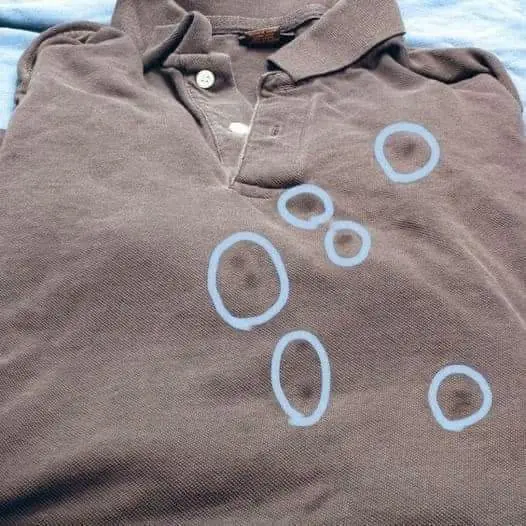
How To Remove Set-in Grease Stains From Laundry
Tips 03/08/2026 20:43

If You Notice This Insect, Follow These Important Steps
Facts 03/08/2026 20:34
What Does It Mean To Wear a Ring On The Right Hand
Facts 03/08/2026 20:32

What Do Visible Veins on Your Hands Really Mean? Here's What Experts Say
Health 03/08/2026 20:29
Blind Girl Forced to Marry a Beggar — Years Later Her Cruel Father Arrived at Her Door and Was Left Speechless
Life stories 03/08/2026 20:25
My Husband Left Me Alone With Our Babies While He Took a Beach Trip
Life stories 03/08/2026 20:17

This type of leaf is 300 times sweeter than sugarcane, and its refreshing taste is not fattening or causes weight gain.
Tips 03/08/2026 18:16

Drink coconut water when hungry within 7 days, 1 arrow hits 10 targets: if you don't try, it's too much
Tips 03/08/2026 18:15

Scientists Discovered a Hidden Garlic Method That Could Make Mosquitoes Stay Away
Health 03/08/2026 17:10

The HPV Vaccine Reduces Risk Of Fatal Cervical Cancer Before 30 To Effectively Zero
Health 03/08/2026 17:07

Castor Oil: 25 Practical Uses, How to Use It Safely, and What You Should Know
Garden Healthy 03/08/2026 16:15
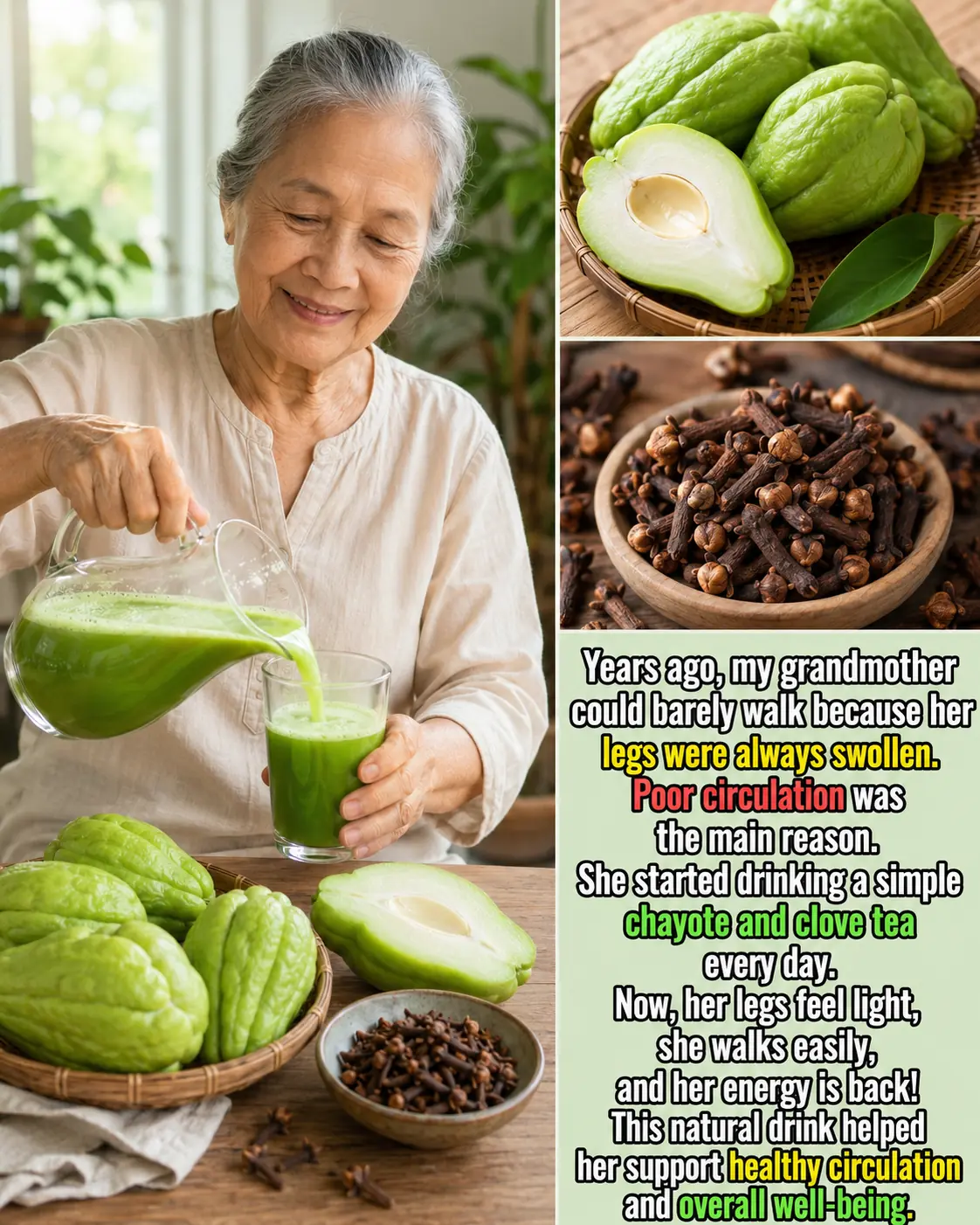
Herbal Drink Recipe: A Gentle Way to Support Healthy Circulation, Blood Sugar, and Liver Wellness
Garden Healthy 03/08/2026 16:12

Proven Health Benefits of Coffee and Caffeine Based on Scientific Evidence
Health 03/08/2026 15:54
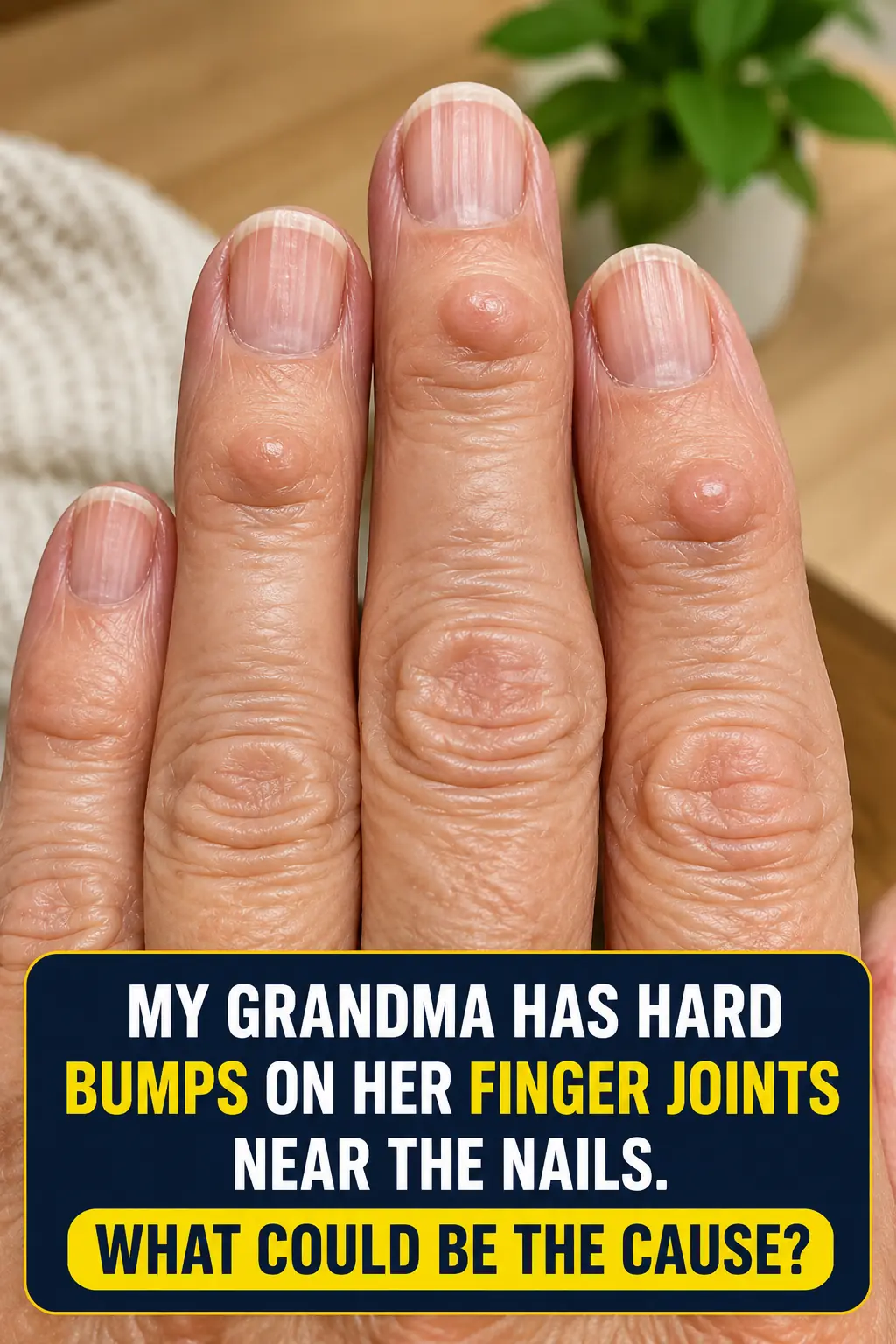
My grandma has these hard bumps forming on her finger joints near the nails. Why is this spreading?
Tips 03/08/2026 15:38

Is Horseradish Good for You? Proven Health Benefits of Horseradish (Science Based)
Health 03/08/2026 15:31

Science Based Benefits of Cinnamon (Tea, Powder) + Side Effects
Health 03/08/2026 15:22

The Traditional Power of Oregano Orejón: A Caribbean Herb for Kidney Wellness, Eye Health & Everyday Vitality 🌿
Garden Healthy 03/08/2026 14:51

Guanabana: The Tropical Fruit That May Help Support Your Everyday Vitality
Garden Healthy 03/08/2026 14:47
PART 2: For Seven Years, My Husband Forbade Me from Attending Our Daughter's School Meetings. “You'll Only Embarrass Her,” He Said M1
Life stories 03/08/2026 13:54
PART 2: I came home after six months overseas expecting my wife to run into my arms. M1
Life stories 03/08/2026 13:53