What Do Visible Veins on Your Hands Really Mean? Here's What Experts Say
Health 03/08/2026 20:29
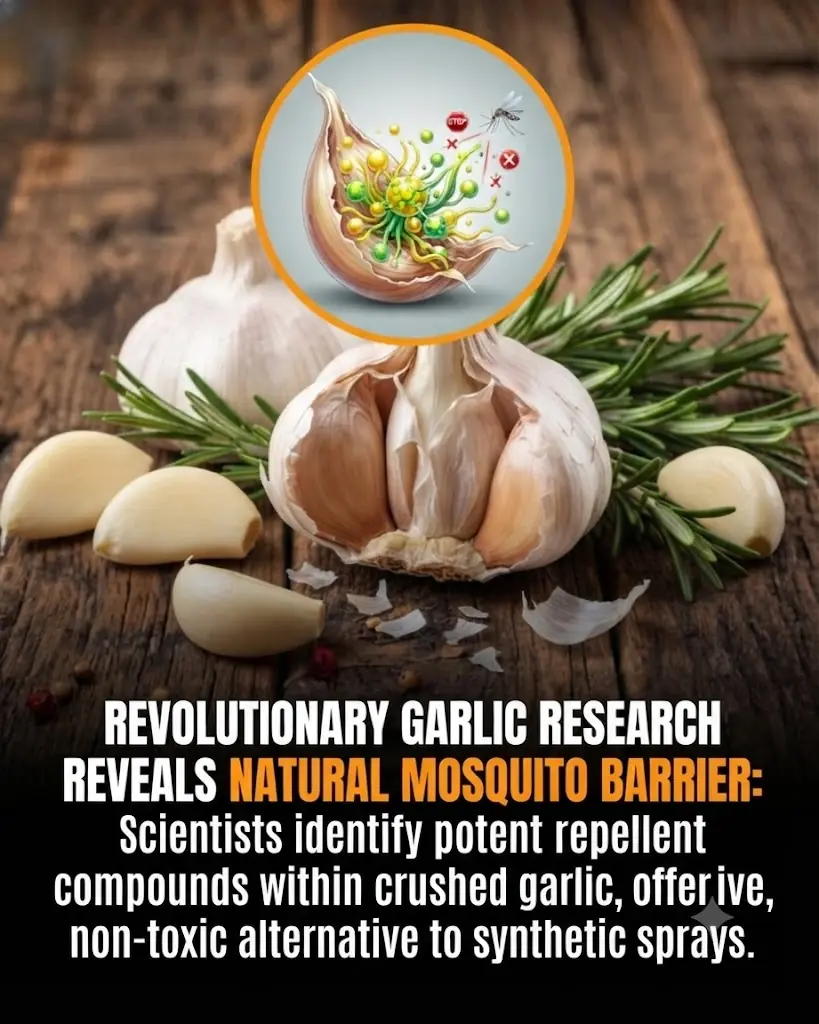
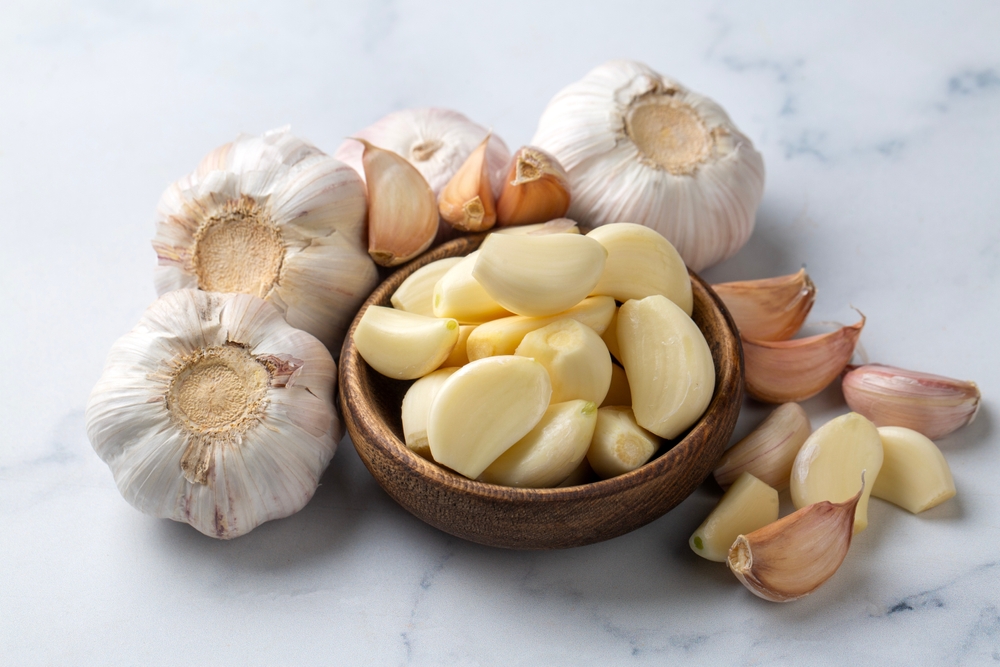
Garlic has earned a reputation for doing far more than adding flavor to your favorite recipes. Across many cultures, it has been valued for centuries as a medicinal plant and a natural way to discourage garden pests. Although many of these traditional uses have been passed down through generations, scientists are still uncovering the biological reasons behind garlic’s remarkable properties. Now, a new study from Yale University has uncovered another surprising ability hidden inside this familiar kitchen staple.
The research did not begin with mosquitoes at all. Scientists at Yale University were studying fruit flies, which are widely used in biological research because they reproduce quickly and share many genetic pathways with other insects. One member of the research team wondered whether fruits or vegetables naturally contained compounds that could encourage insect reproduction. To test the idea, the researchers visited a grocery store and purchased 43 different fruits and vegetables. Each item was blended into a puree and placed into separate dishes so the flies could interact with them under carefully controlled laboratory conditions.
Get updates on the latest posts and more from Fit Found Me
Subscribe We use your personal data for interest-based advertising, as outlined in our Privacy Notice.The researchers expected that one or more fruits might stimulate mating behavior, since fruit flies naturally gather around ripening produce. Instead, nearly every fruit and vegetable produced little or no noticeable effect. Garlic, however, completely changed the outcome of the experiment. Whenever the flies were exposed to garlic puree, mating activity stopped entirely. Female flies also stopped laying eggs, producing a result so dramatic that the researchers initially questioned whether something had gone wrong with the experiment.
To rule out the possibility of contaminated produce or experimental error, the team repeated the entire process using garlic purchased from a different grocery store. The results were identical. Garlic once again produced complete inhibition of mating behavior, confirming that the finding was genuine. Encouraged by these results, the researchers expanded their work beyond fruit flies and began testing other insects that have much greater significance for human health.
When the same experiments were performed on mosquitoes that spread diseases such as dengue fever, yellow fever, and Zika virus, the outcome was remarkably similar. Garlic disrupted both mating and egg-laying behaviors in these mosquito species as well. Tsetse flies, another medically important insect because they transmit African sleeping sickness, also responded to garlic in much the same way. The consistency of these findings suggested that garlic was affecting a shared biological pathway rather than producing an isolated response in a single insect species.
Many people assume insects avoid garlic because of its unmistakable aroma. Gardeners have long planted garlic alongside vegetables in hopes of discouraging pests, and countless homemade pest control recipes rely on garlic’s strong scent. The Yale researchers wanted to determine whether smell was actually responsible for the insects’ unusual behavior or whether another mechanism was involved.
To answer that question, they designed a clever experiment that separated smell from taste. In one setup, insects could detect garlic’s odor without physically contacting it. In another, they were allowed to both smell and taste the garlic puree. The difference between the two conditions was striking. Simply smelling garlic had almost no effect on reproduction. Only when the insects were able to taste the garlic did mating behavior and egg laying come to a halt.
This finding completely changed the researchers’ understanding of how garlic affects insects. Rather than functioning as an airborne repellent, garlic appears to activate specialized taste receptors located within the insects’ mouthparts. Once these receptors detect the garlic compound, they trigger a cascade of biological signals that discourage reproductive behavior. The insects essentially receive a chemical message that tells them this is not an appropriate environment for mating or laying eggs.
Understanding this distinction is far more important than it may seem at first glance. If scientists know exactly which sensory pathway is responsible for the response, they can begin designing targeted strategies that make use of the same biological system. Instead of relying solely on chemicals that kill insects, future pest control products could focus on disrupting reproduction, gradually reducing mosquito populations over time while potentially placing less pressure on surrounding ecosystems.
Get updates on the latest posts and more from Fit Found Me
Subscribe We use your personal data for interest-based advertising, as outlined in our Privacy Notice.Once the researchers confirmed that garlic itself was responsible for the insects’ response, they wanted to identify the exact substance producing the effect. Garlic contains hundreds of naturally occurring compounds, many of which contribute to its distinctive smell, flavor, and health properties. By separating these chemicals and testing them individually, the research team eventually narrowed their search to one sulfur-containing compound known as diallyl disulfide.
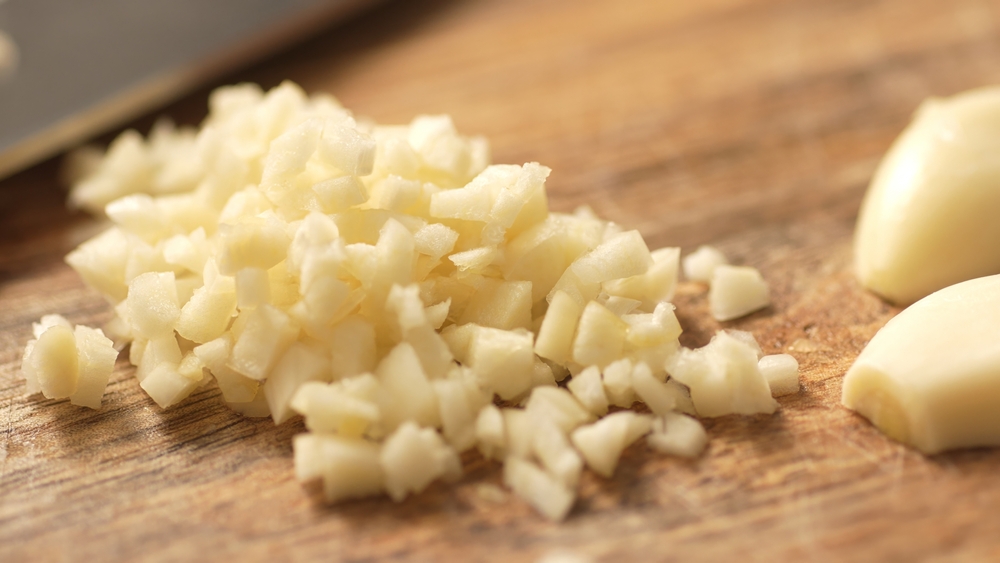
Diallyl disulfide forms naturally when fresh garlic cloves are crushed or chopped. It contributes to garlic’s familiar aroma and has already been used safely in food flavorings and dietary supplements. Because the compound is already well known and widely consumed by humans, researchers were encouraged to discover that it also possesses unexpected biological activity against insects. This makes it an especially interesting candidate for future pest control research, since scientists already have considerable knowledge about its chemical properties.
Further investigation revealed how this compound affects insects at the cellular level. Diallyl disulfide activates a sensory receptor called TrpA1, which is found within the insects’ taste organs. Once stimulated, this receptor signals the insects to avoid the substance and suppresses behaviors associated with reproduction. The researchers also observed changes in the activity of several genes involved in feeding and reproductive processes, suggesting that garlic influences multiple biological systems simultaneously rather than producing a single isolated effect.
Interestingly, not every insect responded in the same way. Wasps showed virtually no reaction to garlic because they lack the TrpA1 receptor that allows other insects to detect diallyl disulfide. This observation strengthened the researchers’ conclusions by demonstrating that garlic’s effects depend on a specific biological pathway rather than acting as a universal insect deterrent. It also provides valuable clues about which insect species may respond to similar plant-derived compounds in future studies.
For now, garlic should be viewed as a promising area of scientific research rather than a proven replacement for conventional mosquito protection.
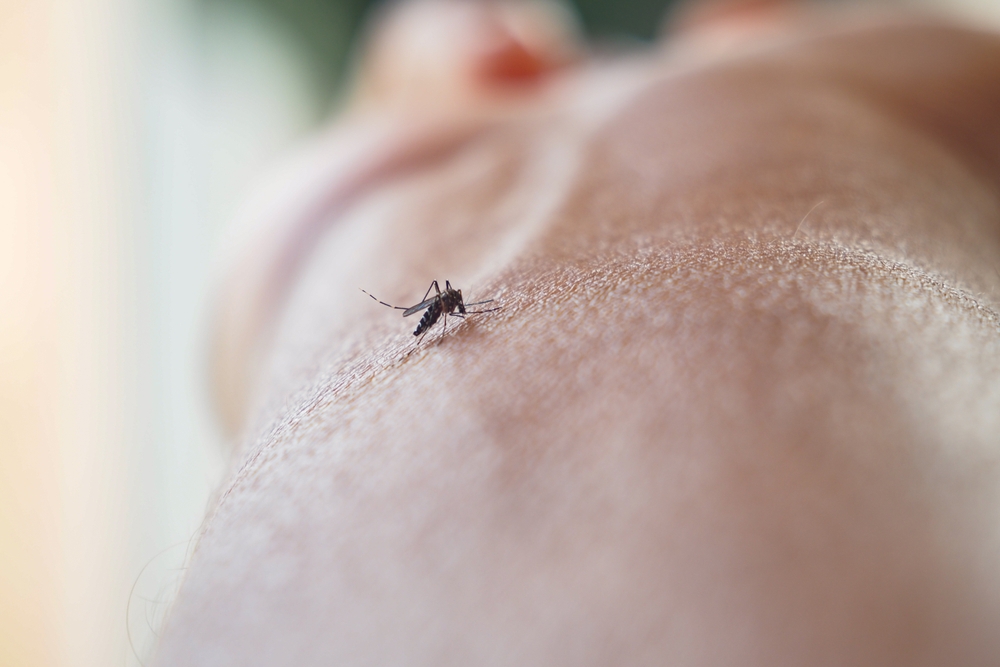
Although researchers continue exploring natural mosquito control methods, the most effective way to reduce your risk of mosquito bites is to combine several evidence-based prevention strategies. This is particularly important if you live in or travel to areas where mosquito-borne illnesses are common.
Get updates on the latest posts and more from Fit Found Me
Subscribe We use your personal data for interest-based advertising, as outlined in our Privacy Notice.Simple steps can make a meaningful difference:
Natural methods may also support your efforts. Keeping your yard clean, trimming dense vegetation, and encouraging natural mosquito predators such as birds and dragonflies can help create a less favorable environment for mosquitoes. While these approaches may not eliminate mosquitoes completely, combining them with proven preventive measures offers the best protection.
Garlic has been valued for thousands of years as both a culinary ingredient and a traditional remedy. This latest research adds another fascinating chapter to its long history by revealing how one of its natural compounds affects mosquito reproduction at the biological level. Although scientists are still far from developing garlic-based mosquito control products for widespread use, the study demonstrates that everyday plants can hold remarkable secrets waiting to be discovered.
Get updates on the latest posts and more from Fit Found Me
Subscribe We use your personal data for interest-based advertising, as outlined in our Privacy Notice.Perhaps the most encouraging aspect of the research is not simply that garlic affected mosquitoes, but that it revealed an entirely new way of searching for environmentally friendly pest control solutions. By examining the natural chemicals found in common foods, scientists may uncover additional compounds capable of reducing insect populations without relying exclusively on conventional insecticides. As concerns about insect resistance and environmental sustainability continue to grow, discoveries like this could become increasingly valuable.
For now, garlic should remain what it has always been: a nutritious addition to your meals rather than a replacement for mosquito repellent. Even so, this research reminds us that some of the most promising scientific breakthroughs can begin with ingredients that have been sitting in our kitchens all along.