Weight Loss Drink: Consume These 2 Detox Drinks to Lose Weight
Beatuty Tips 17/12/2025 23:01
Pokeweed (Phytolacca americana) is a bold, fast-growing perennial plant native to North America. It often appears along roadsides, fence lines, open fields, and even residential backyards. With its tall reddish-purple stems and clusters of dark purple berries, pokeweed can look surprisingly attractive — especially to children and curious gardeners.
But beneath its striking appearance lies a serious danger. Every part of the pokeweed plant is toxic to humans, pets, and livestock. Understanding how to identify this plant — and why it should be avoided — is essential for safety.
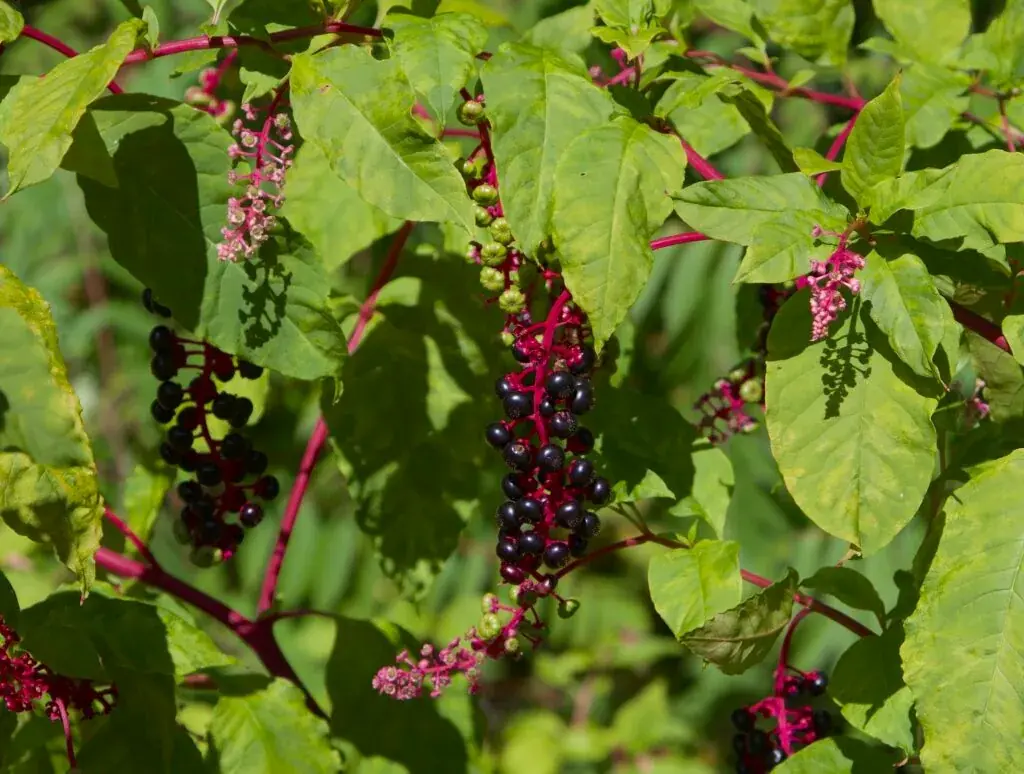
Pokeweed can grow 8 to 10 feet tall, making it one of the more noticeable wild plants once mature. Key identification features include:
Stems: Thick, smooth, and green when young, turning deep red or purple as the plant matures
Leaves: Large, oval-shaped, and smooth-edged, typically 4–12 inches long
Flowers: Small, white to greenish-white, forming elongated clusters
Berries: Dark purple to nearly black, grape-like, hanging in drooping clusters
Pokeweed thrives in disturbed soil and is commonly found near roadsides, pastures, fence rows, and gardens where birds spread its seeds.
Pokeweed contains several powerful toxins, including phytolaccatoxin and phytolaccigenin. These compounds interfere with normal cell function and can damage multiple body systems.
All parts of the plant are poisonous, but toxicity varies by plant part and maturity.
Root: The most toxic portion — even a small amount can be fatal
Leaves and stems: Become more poisonous as the plant ages
Berries: Highly dangerous, especially to children who may mistake them for edible fruit
There is no safe “raw” part of pokeweed.
Symptoms usually appear within 2–6 hours after ingestion and can escalate quickly.
Common signs include:
Severe nausea and vomiting
Intense abdominal pain and cramping
Diarrhea, sometimes bloody
Weakness and dizziness
Confusion or altered mental state
Severe poisoning may cause:
Difficulty breathing
Seizures
Coma
Any suspected ingestion requires immediate medical attention.
Some traditional Southern dishes reference “poke sallet,” made from young pokeweed leaves. However, this practice is extremely risky and strongly discouraged by modern health experts.
Why it’s dangerous:
Only very young leaves are used
Leaves must be boiled and drained multiple times to reduce toxins
Improper preparation can still result in poisoning
Toxin levels vary by plant, location, and growth stage
The margin between “traditionally prepared” and “life-threatening” is dangerously small.
Pokeweed poses risks even without ingestion:
Skin contact: Sap may cause irritation or rashes
Burning the plant: Inhaling smoke can be toxic
Animals: Pets and livestock may become poisoned if they chew leaves or roots
Always treat pokeweed as a hazardous plant.
If pokeweed is growing on your property:
Wear gloves, long sleeves, and protective clothing
Dig out the entire root — pokeweed has a thick taproot that regrows easily
Place the plant in sealed bags
Dispose of it in the trash — do not compost
Wash hands and tools thoroughly after removal.
Never eat pokeweed berries — not even one
Teach children to avoid unfamiliar plants
Keep pets away from pokeweed-infested areas
Avoid touching eyes or mouth after handling
Pokeweed is a plant that demands respect. While it has a long history in folk medicine and traditional food practices, the risks far outweigh any potential benefit. For gardeners, foragers, and homeowners alike, the safest choice is simple: admire pokeweed from a distance and never bring it into your kitchen.
This article is for educational purposes only. Do not consume or use pokeweed for medicinal purposes. Improper handling or ingestion can cause serious injury or death.