Should You Choose Dark-Colored or Light-Colored Pork?
Tips 14/01/2026 16:44

Rice can be affected by many external factors such as humidity, temperature, air exposure, and insects. If stored improperly, these elements can cause rice to lose its quality, develop unpleasant odors, or even spoil over time.
Fortunately, there are a few simple yet highly effective household tips that can help families preserve rice safely, maintain its freshness, and ensure a clean, high-quality food supply for daily meals.
Bay leaves have a mild, pleasant aroma and contain natural compounds that help repel insects, especially rice weevils.
When a few bay leaves are placed inside a rice container, the essential oils released from the leaves create an environment that prevents insects from breeding and surviving. This natural method is safe, chemical-free, and widely used in traditional food storage practices.
In addition, bay leaves help preserve the rice’s original flavor and prevent it from absorbing unwanted odors from the surrounding environment.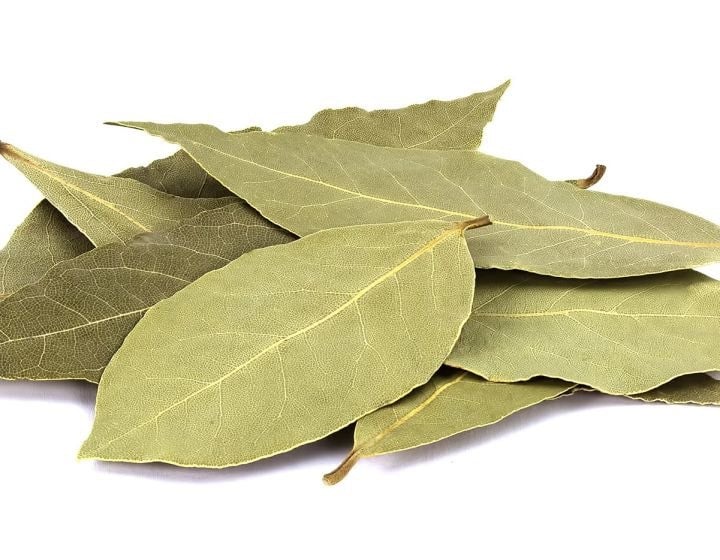
How to use:
Wash several bay leaves thoroughly and allow them to dry completely.
Place the leaves in the corners of the rice container or bury them lightly within the rice.
Replace the leaves every 1–2 months to maintain their effectiveness.
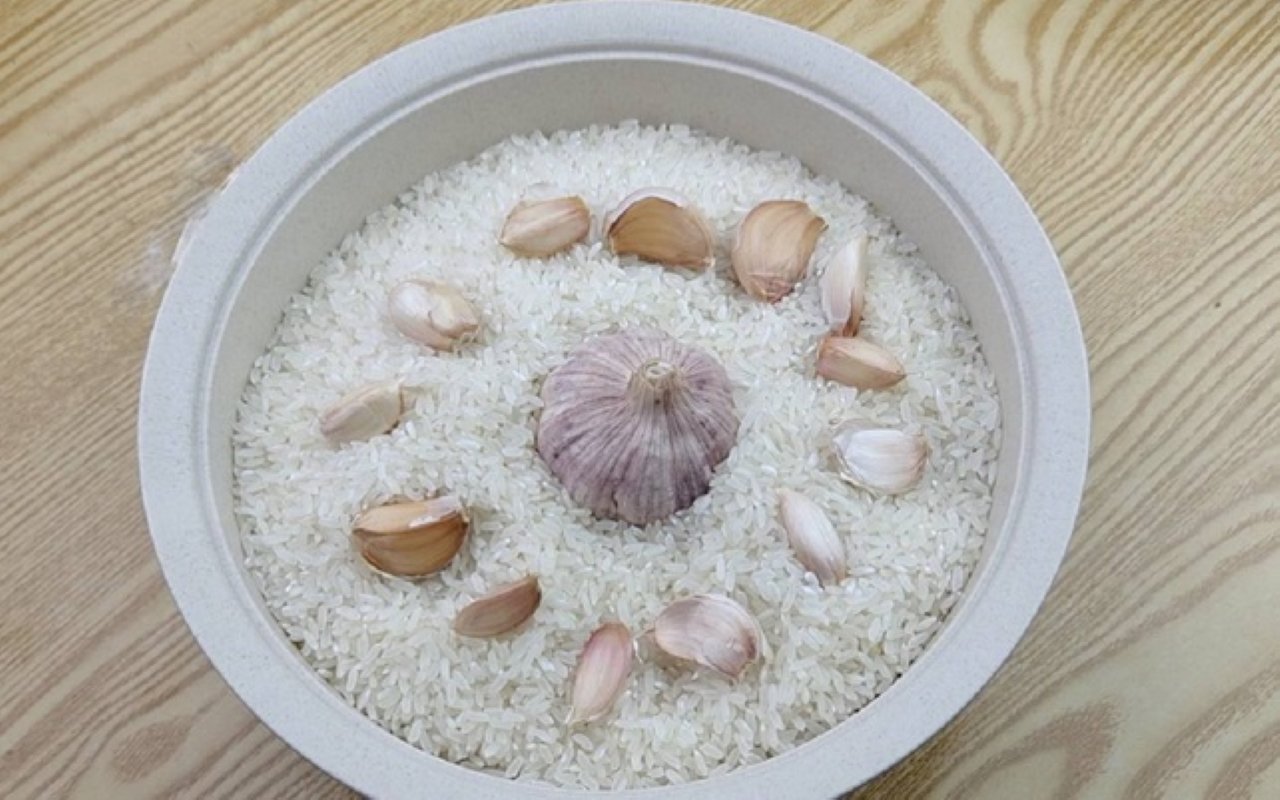
Garlic is well known for its strong antibacterial and antifungal properties. When stored with rice, garlic helps inhibit the growth of mold and harmful bacteria that can develop in humid conditions.
Its strong natural scent also acts as a deterrent to insects, making it harder for pests to invade the rice container. This method is simple, affordable, and suitable for long-term storage.
How to use:
Use a few dried garlic cloves without peeling the skin.
Place them in different corners of the rice container or gently bury them in the rice.
When the garlic becomes soft or begins to sprout, replace it with fresh cloves to ensure continued effectiveness.
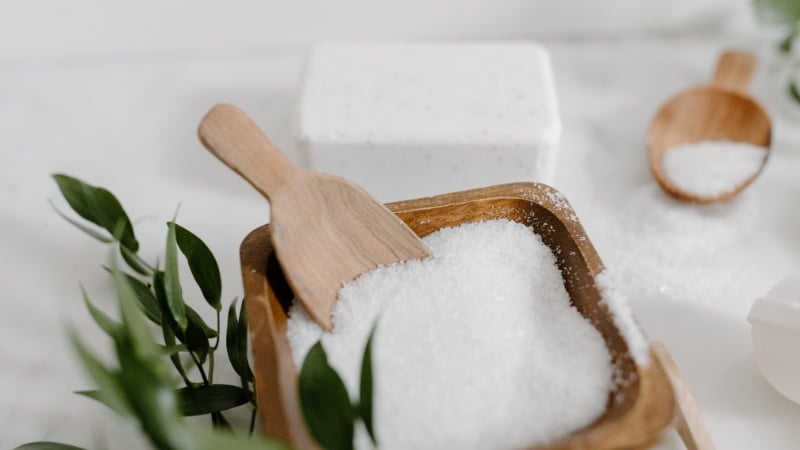
Salt is a basic household ingredient but plays an important role in absorbing moisture and limiting bacterial growth inside the rice container.
By reducing excess humidity, salt helps prevent rice from becoming damp, clumpy, or moldy. It also discourages the presence of small insects, helping rice stay fresh for a longer period.
How to use:
Place a small amount of salt into a cloth pouch or wrap it in tissue paper.
Put the salt bag inside the rice container without allowing it to touch the rice directly.
Replace the salt bag every 1–2 months to maintain its moisture-absorbing ability.
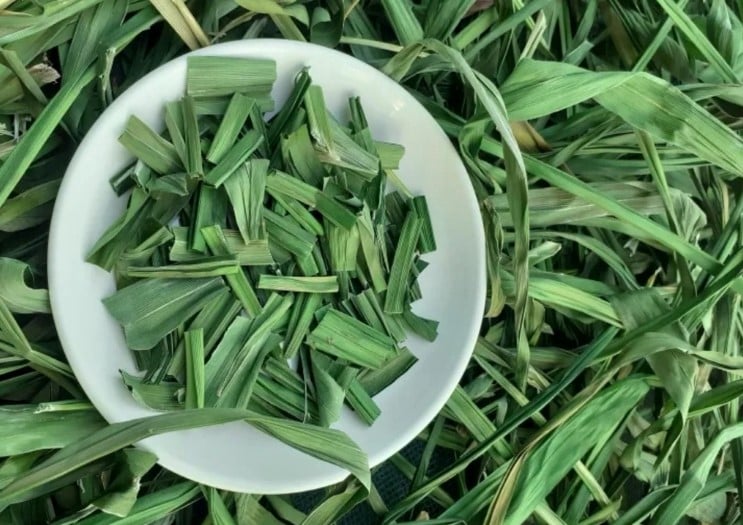
Pandan leaves are commonly used to add a naturally sweet fragrance to rice and other foods. In addition to their pleasant aroma, pandan leaves are effective at repelling insects.
They help keep rice smelling fresh and prevent it from developing stale or musty odors, especially during long storage periods.
How to use:
Wash pandan leaves thoroughly and dry them completely.
Cut them into smaller pieces or leave them whole, then place them inside the rice container.
Replace the leaves every 2–3 weeks to keep the rice fragrant and well protected.
By combining these simple, natural methods, families can significantly improve rice storage conditions, reduce food waste, and enjoy cleaner, better-tasting rice every day—without relying on chemical preservatives.