Head Injuries May Show Delayed Symptoms, Experts Warn
Health 14/04/2026 11:06

A stroke can strike suddenly and without warning. It occurs when blood flow to the brain is interrupted—either by a clot blocking an artery (ischemic stroke) or by a ruptured blood vessel (hemorrhagic stroke). Without oxygen-rich blood, brain cells begin to die within minutes. Because the brain controls movement, speech, memory, and vital bodily functions, the damage can be devastating.
Medical experts stress that how quickly a person receives treatment often determines whether they fully recover, live with long-term disability, or lose their life. In stroke care, every second truly counts.
The American Heart Association (AHA) and American Stroke Association (ASA) emphasize that patients who receive clot-dissolving medication (such as tissue plasminogen activator, or tPA) within 4.5 hours of symptom onset have a significantly higher chance of recovering without severe or permanent disability.
Doctors often repeat a simple but powerful phrase: “Time is brain.”
Research shows that nearly two million brain cells can be lost every minute a stroke goes untreated. The longer blood flow is blocked, the greater the brain damage—and the harder recovery becomes. Rapid intervention can limit injury, protect brain function, and dramatically improve long-term outcomes.
Because speed is critical, healthcare organizations promote an easy screening method known as the FAST test. It is designed so that anyone—regardless of medical training—can recognize stroke warning signs quickly.
F – Face:
Ask the person to smile. Does one side of the face droop or feel numb?
A – Arms:
Ask them to raise both arms. Does one arm drift downward? Do they complain of weakness or numbness?
S – Speech:
Listen carefully. Is their speech slurred? Are they struggling to form words or understand what you’re saying?
T – Time:
If you notice any of these signs, call emergency services immediately (999 in the UK, 911 in the US, or your local emergency number).
Even one symptom is enough to take action. Do not wait to see if it improves. Delaying medical care can lead to irreversible brain damage.
Although many strokes occur suddenly, some individuals experience warning signals in the days or weeks beforehand.
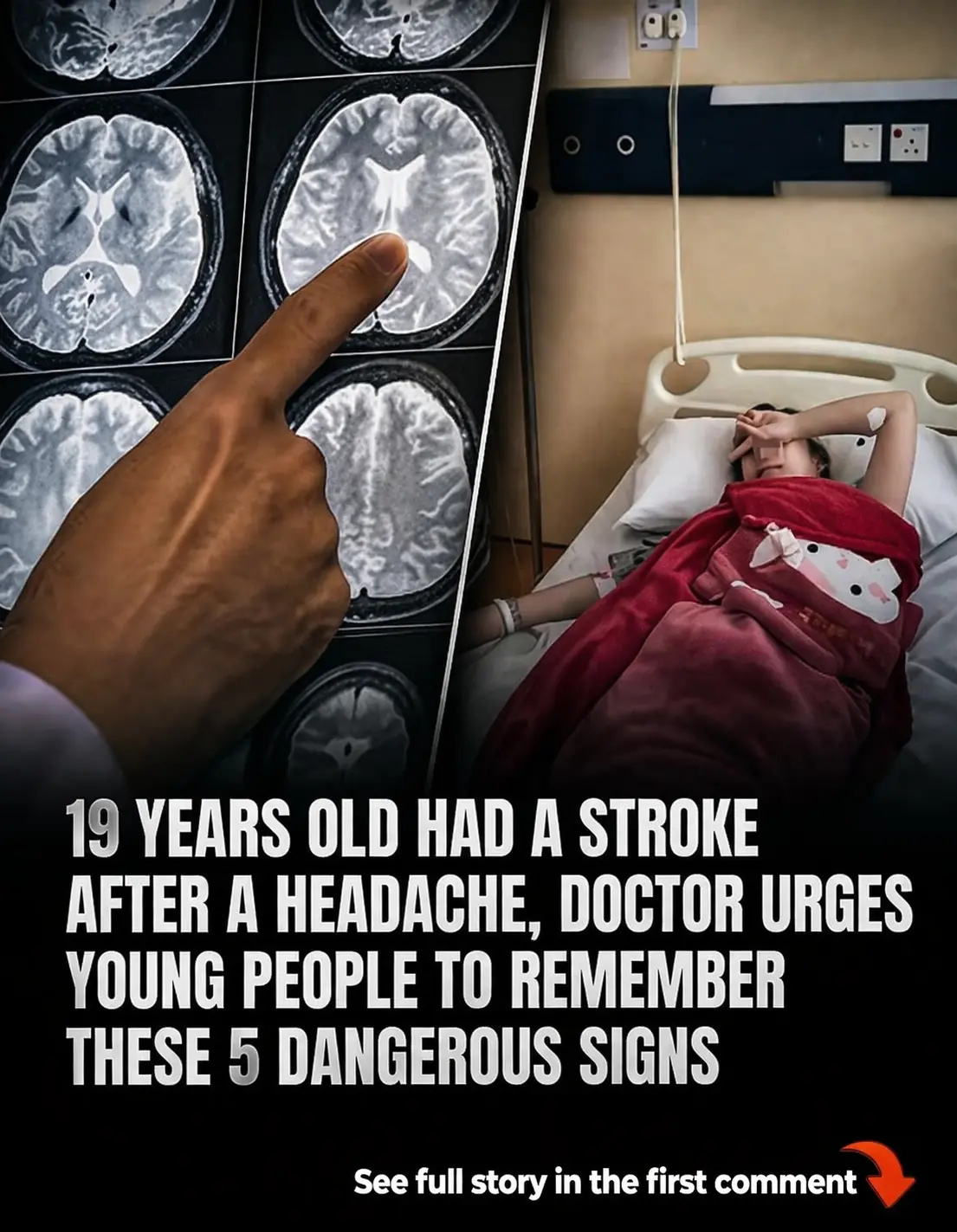
A study published in The Journal of Headache and Pain found that approximately 15% of people who later experienced an ischemic stroke reported having an unusual, intense headache shortly before the event. These “sentinel headaches” often occurred within seven days of the stroke and felt different from typical headaches the person had previously experienced.
While not all severe headaches indicate stroke, any sudden, unexplained, or unusually intense headache should be evaluated by a medical professional—especially if accompanied by other neurological symptoms.
A Transient Ischemic Attack (TIA), often referred to as a “mini-stroke,” occurs when blood flow to the brain is temporarily blocked. Symptoms are nearly identical to those of a full stroke but typically resolve within minutes or hours.
It is crucial to understand that TIAs are medical emergencies.
Statistics show that approximately one-third of individuals who experience a TIA will go on to have a full stroke if preventive treatment is not initiated. However, there is encouraging news: research published in JAMA Network indicates that rapid medical evaluation, medication, and risk-factor management after a TIA can significantly reduce the likelihood of a future stroke.
In many cases, a TIA serves as the body’s warning sign—an opportunity to intervene before permanent damage occurs.
While FAST captures the most common signs, strokes can present in other ways. Additional warning signs include:
Sudden numbness or weakness in the face, arm, or leg—particularly on one side of the body
Confusion or difficulty understanding speech
Sudden vision problems in one or both eyes
Trouble walking, dizziness, or loss of coordination and balance
A severe headache with no known cause
Any combination of these symptoms requires immediate medical attention. Trust your instincts—if something feels wrong, seek help right away.
A stroke is a true medical emergency. Delaying treatment—even by a few minutes—can increase the risk of permanent brain injury, long-term disability, or death. Rapid medical intervention can restore blood flow, minimize damage, and preserve essential abilities such as speech, mobility, memory, and independence.
If you suspect someone is having a stroke:
Call emergency services immediately. Do not attempt to drive yourself or the person to the hospital. Emergency responders can begin lifesaving treatment en route and ensure faster access to specialized stroke care upon arrival.
Although not all strokes can be prevented, managing risk factors can significantly lower the likelihood of experiencing one. High blood pressure, smoking, diabetes, high cholesterol, obesity, physical inactivity, and heart conditions such as atrial fibrillation all increase stroke risk. Regular check-ups, a balanced diet, exercise, and adherence to prescribed medications can play a critical role in prevention.
Understanding both the warning signs and the risk factors empowers individuals to take control of their health.
Knowing how to recognize the warning signs of a stroke—and responding without hesitation—can mean the difference between life and death. Whether it’s a loved one, a colleague, or even a stranger, your quick action could save a life and prevent lifelong disability.
Share this information with friends and family. Awareness is one of the most powerful tools we have in the fight against stroke.
Remember: FAST action saves lives.
Disclaimer: This article is for informational purposes only and does not replace professional medical advice, diagnosis, or treatment. Always consult a qualified healthcare provider regarding any medical concerns or symptoms.