Why You Naturally Sleep With One Foot Outside the Blanket – The Surprising Science Behind It
Health 11/04/2026 16:59
Scientists are turning skin cells into eggs and sperm, which could put an end to infertility

Scientists are developing new methods for mass production of sperm and egg in the lab, which could solve infertility for many, but also raises ethical concerns and necessitates a rethinking of fertility laws. Lab-grown human eggs and sperm, known as in-vitro gametes (IVGs), could be a reality within a decade.
IVGs are created from genetically reprogrammed skin or stem cells, offering potential solutions for infertility, allowing everyone to have biological children, and even removing age barriers to conception. The technology opens possibilities like "solo parenting," where both egg and sperm can be derived from the same individual, raising concerns about recessive genetic disorders due to the lack of genetic diversity.
While solo parenting is likely to be prohibited, "multiplex parenting," involving two couples contributing genetic material to create an embryo, might be considered, as it poses fewer biological risks and has some social precedents. Other ethical concerns include the potential for extensive embryo screening, leading to a form of eugenics, and the possibility of higher-risk pregnancies in older mothers.
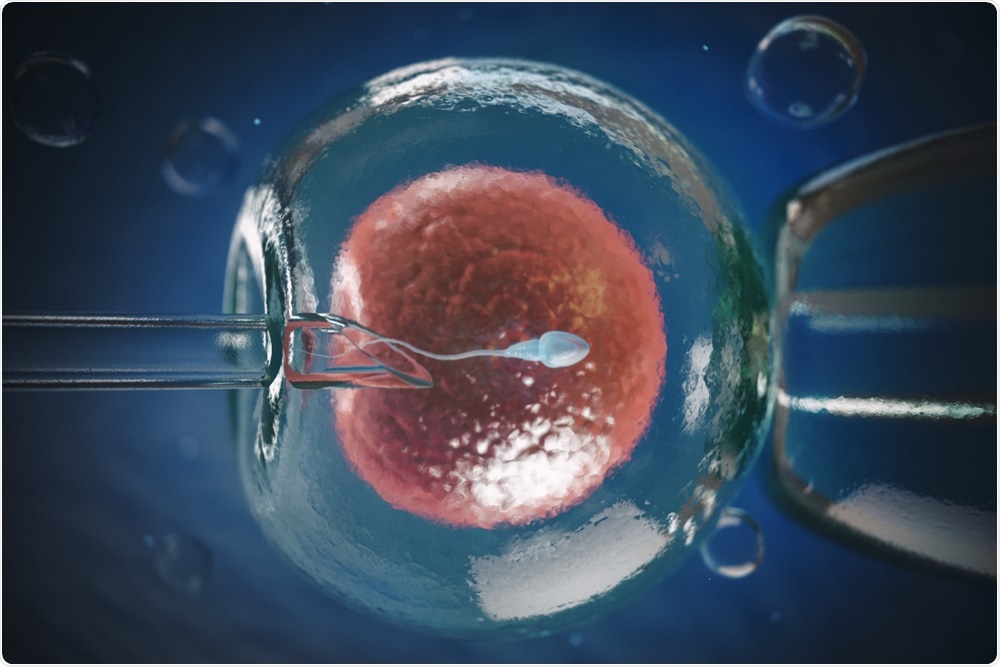
Researchers have already successfully produced healthy baby mice using lab-grown eggs. In a groundbreaking study published in the journal Nature in 2023, scientists in Japan created functional eggs entirely from stem cells. These eggs were then fertilized and implanted into female mice, resulting in the birth of healthy and fertile offspring.
The researchers also produced healthy baby mice with two biological fathers. They created eggs from the skin cells of male mice and used these eggs to produce offspring, showcasing the potential of IVG technology to revolutionize reproductive possibilities.
While the application of this technology to humans is still under investigation, the success in mice provides a promising foundation for future advancements in reproductive medicine.