Optimism as a Psychosocial Predictor of Exceptional Longevity
Health 27/12/2025 22:44
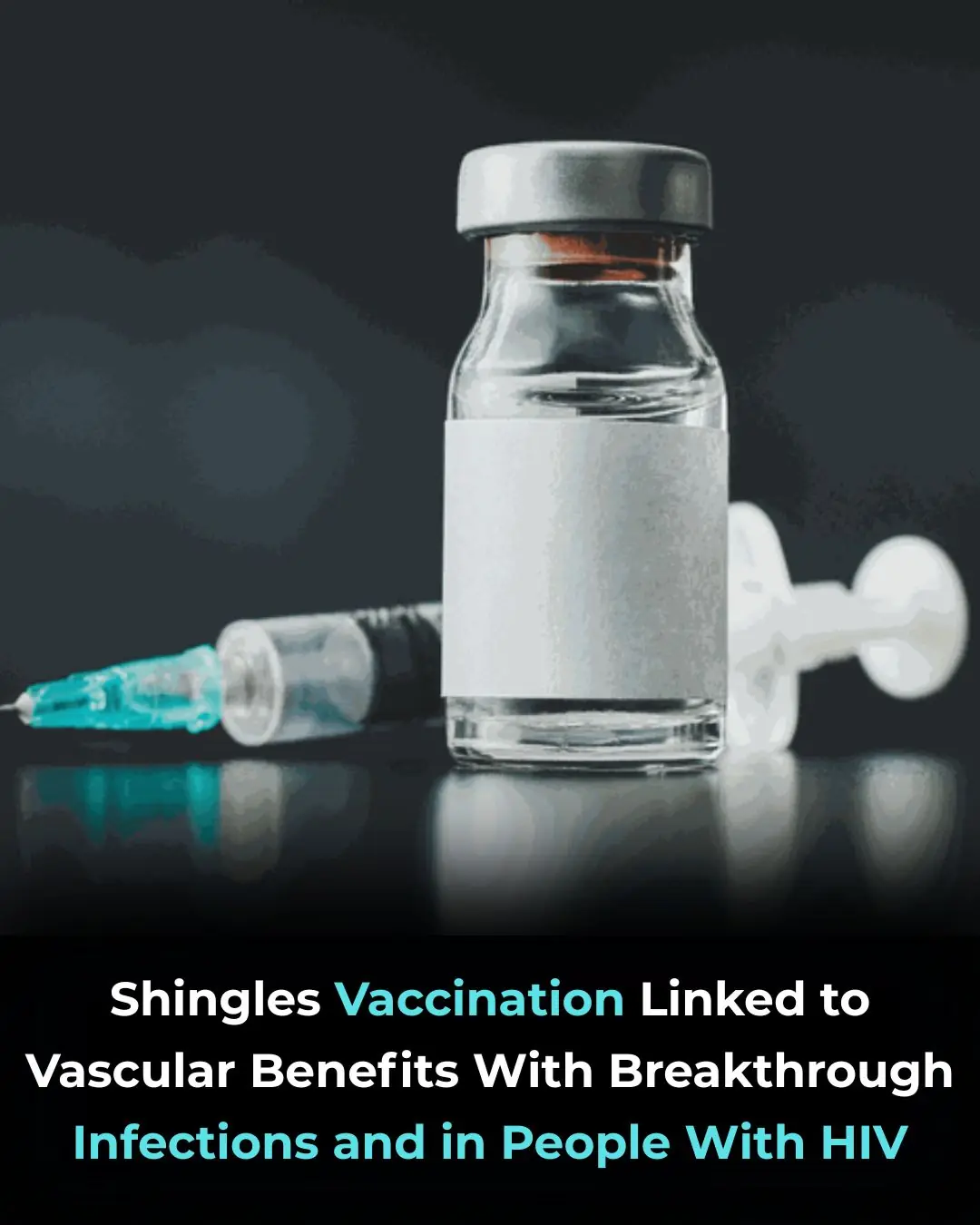
Herpes zoster, commonly known as shingles, has long been recognized as a painful viral illness caused by reactivation of the varicella-zoster virus. Beyond its well-known dermatologic and neurologic complications, growing evidence suggests that shingles is associated with a significantly increased risk of major cardiovascular events and neurodegenerative conditions such as dementia. New research presented at IDWeek 2025 adds an important dimension to this understanding, demonstrating that vaccination against herpes zoster is associated with a reduced risk of both cardiovascular events and dementia—even among individuals who experience breakthrough infections over a five-year period.
Shingles occurs when the varicella-zoster virus, which remains dormant in nerve tissue after a primary chickenpox infection, reactivates later in life. The condition primarily affects older adults and individuals with compromised immune systems, including people living with HIV. While shingles is often characterized by a painful, blistering rash, its impact extends well beyond the skin.
Multiple studies have linked herpes zoster infection to systemic inflammation, vascular injury, and immune dysregulation. These processes are believed to contribute to an increased risk of stroke, myocardial infarction, and other major adverse cardiovascular events. Additionally, neuroinflammatory pathways activated during shingles episodes have been implicated in cognitive decline and dementia, raising concerns about the long-term neurological consequences of the infection.
Vaccination against herpes zoster has been shown to significantly reduce the incidence and severity of shingles. However, no vaccine is completely protective, and breakthrough infections—cases of shingles occurring despite prior vaccination—can still occur. Until now, it was unclear whether vaccination offered any protective benefit against long-term complications in individuals who experience such breakthrough infections.
The study presented at IDWeek 2025 provides compelling evidence that vaccination may confer benefits beyond infection prevention. Researchers found that vaccinated individuals who developed shingles nonetheless had a lower risk of major cardiovascular events and dementia over a five-year follow-up period compared with unvaccinated individuals who developed shingles.
According to the study, shingles infection was associated with an elevated risk of both cardiovascular disease and dementia, reinforcing previous research linking herpes zoster to systemic and neurological complications. However, among vaccinated individuals who experienced breakthrough shingles infections, the risk of these outcomes was significantly reduced.
The protective association persisted over five years, suggesting that vaccination may attenuate the inflammatory and vascular damage triggered by herpes zoster reactivation. These findings were observed across diverse populations, including older adults and people living with HIV, who are known to have a higher baseline risk for shingles and its complications.
People with HIV face a disproportionately higher risk of herpes zoster due to immune dysfunction, even when viral suppression is achieved with antiretroviral therapy. They also experience higher rates of cardiovascular disease and cognitive impairment compared with the general population.
The study’s findings are particularly relevant for this group, as they suggest that shingles vaccination may offer dual protection—reducing not only the incidence of shingles but also the risk of serious long-term complications. Even in cases where vaccination does not completely prevent infection, the observed reduction in cardiovascular and dementia risk highlights the potential role of vaccination as a broader preventive strategy in this vulnerable population.
Although the exact mechanisms underlying these protective effects remain under investigation, several hypotheses have been proposed. Vaccination may reduce viral replication and limit the intensity and duration of inflammation during breakthrough infections. This, in turn, could lessen endothelial damage, reduce prothrombotic states, and minimize neuroinflammation—key factors implicated in cardiovascular disease and cognitive decline.
Additionally, immune priming induced by vaccination may lead to a more controlled immune response upon viral reactivation, preventing the exaggerated inflammatory cascades associated with severe systemic complications.
These findings have important implications for public health policy and clinical practice. They suggest that the benefits of shingles vaccination extend beyond preventing rash and postherpetic neuralgia, encompassing protection against serious cardiovascular and neurological outcomes.
For clinicians, the data reinforce current recommendations to vaccinate eligible adults, particularly older individuals and those with immunocompromising conditions such as HIV. For policymakers, the results support broader implementation of shingles vaccination programs as a cost-effective strategy to reduce long-term disease burden.
While the results presented at IDWeek 2025 are promising, further research is needed to confirm these findings in randomized clinical trials and to better understand the biological mechanisms involved. Additional studies may also help determine whether the magnitude of benefit varies by vaccine type, timing of vaccination, or patient characteristics.
Long-term follow-up and real-world data will be essential to refining vaccination guidelines and maximizing the protective benefits for high-risk populations.
Shingles is increasingly recognized as a condition with far-reaching consequences, including an elevated risk of cardiovascular events and dementia. New evidence presented at IDWeek 2025 suggests that vaccination against herpes zoster is associated with a reduced risk of these serious outcomes, even among individuals who experience breakthrough infections over a five-year period.
These findings underscore the importance of shingles vaccination not only as a preventive measure against acute infection but also as a potential tool for reducing long-term cardiovascular and neurological risks—particularly in vulnerable populations such as older adults and people living with HIV.