
Tips 2025-09-13 16:31:35
Sitting cross-legged for a long time - a seemingly harmless habit but has 6 potential health risks
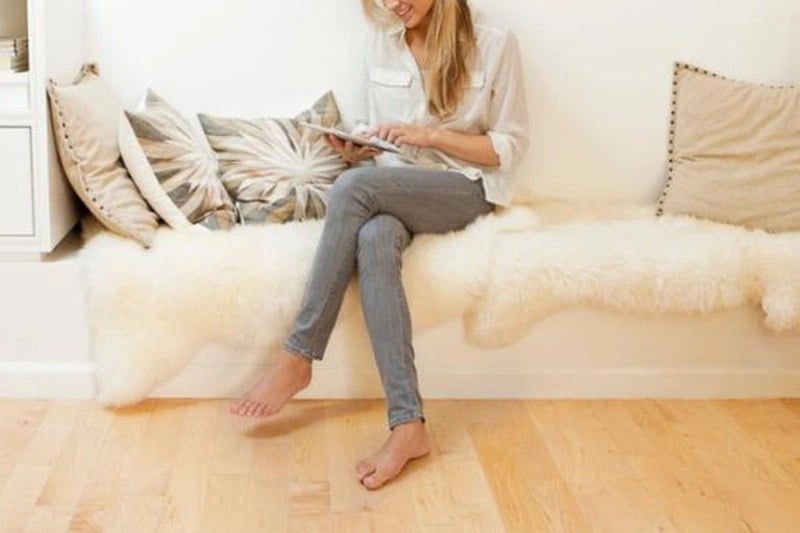
Sitting with crossed legs is not forbidden, but if overused, the body will silently endure pressure—from the spine and pelvis to blood circulation. Maintaining flexible posture, combined with regular movement and self-care, can help you avoid unnecessary health consequences.
Cross-legged sitting is a familiar posture for many people, whether eating, chatting, or relaxing on a chair. This position may feel comfortable, yet experts warn that if maintained for too long, it can cause various health issues.
A study published in BMC Sports Science, Medicine and Rehabilitation found that people who often sit cross-legged have a poorer ability to perceive the posture of their lower back compared to those who sit upright. This means they are more likely to hold incorrect posture without realizing it.
Meanwhile, other medical analyses have pointed out that sitting too long in this position causes the pelvis to tilt and the spine to lose its natural curvature, thereby creating uneven pressure on muscles and intervertebral discs.
Six noticeable harms of sitting cross-legged for long periods:
1. Reduced balance ability
Cross-legged sitting weakens proprioception (the body’s ability to sense its position) in the lower back. Those who sit like this for long often cannot tell whether their back is straight or curved, which increases the risk of poor posture and, over time, spinal problems.
2. Pelvic tilt and uneven muscle pressure
When body weight shifts to one side, the pelvis becomes unbalanced. This unevenly stresses the gluteal muscles, gradually leading to a habit of leaning posture—especially risky for those with existing lower back pain.
3. Alteration of spinal curvature
Cross-legged sitting flattens the lumbar spine more than normal. Once its natural curvature is lost, discs and ligaments take on extra strain, increasing the risk of pain or even chronic conditions.
4. Hip and pelvic muscle strain
Muscles around the hips, particularly the piriformis, become overstretched, while the joint between the spine and pelvis bears high compression. This may cause hip pain, lower back pain, and even affect walking posture.
5. Impact on abdominal muscles and chest
The effects are not limited to the lower body—cross-legged sitting can also reduce chest mobility and weaken the activity of certain abdominal muscle groups. Over time, weaker core muscles make it harder to maintain body stability.
6. Restricted blood circulation in the legs
Prolonged sitting in this posture can cause leg numbness due to compressed blood vessels and nerves. One study found that after just 30 minutes, arterial blood pressure in the thigh rose significantly. In the long run, people with vascular conditions face higher risks.
How to minimize the damage?
-
Avoid sitting too long: Cross your legs only briefly, then switch posture.
-
Change position regularly: Alternate sides or return to an upright posture every 15–20 minutes.
-
Support your back: Use a chair with back support or a small cushion to help maintain proper spinal alignment.
-
Stretching exercises: Hip-opening stretches and abdominal strengthening can correct imbalances.
-
Get up and move: After each hour of work, walk for a few minutes to stimulate circulation.
News in the same category

The Hidden Risks of Falling in Love After 60 – What Experts Rarely Talk About

How to Solve the Red Bucket and Gas Tank Math Puzzle

Husbands With These 2 Bad Habits May Put Their Wives at Higher Risk of Breast Cancer – Stop Them Now!

🥪 Choose One Sandwich to Eat Forever — Your Pick Reveals Your True Personality
Psychology says these signs reveal when a friend is distancing themselves from you

Firefighters Warn: Leaving This Common Item in Your Car Could Turn It Into a Fire Hazard

5 Common Washing Machine Mistakes That Make Your Clothes Dirtier
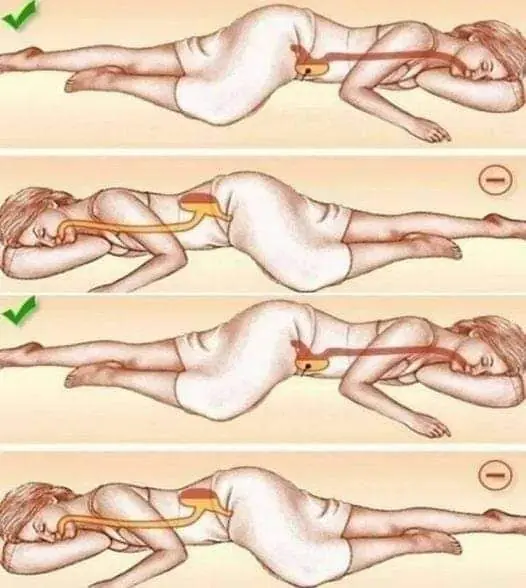
Health Benefits of Sleeping on Your Left Side

💍 THE SAPPHIRE REVELATION: THE RING YOU PICK WILL REVEAL YOUR TRUEST TRAIT!
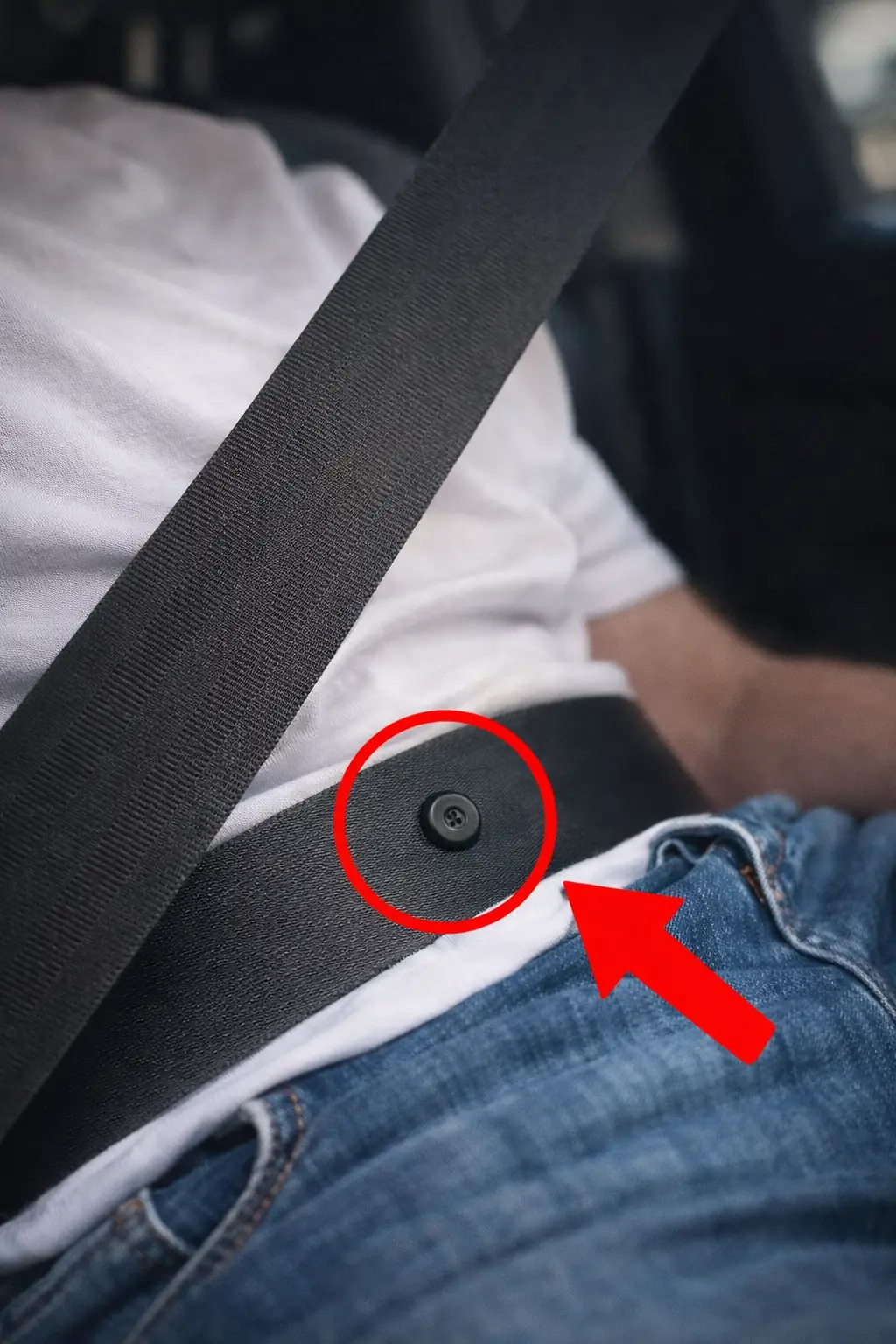
You’ve Seen This Tiny Seat Belt Detail Your Whole Life… But Probably Never Knew What It Does 👀

7 Reasons to Grow Aloe Vera at Home

The first animal you see in this image will reveal the person you need in your life!
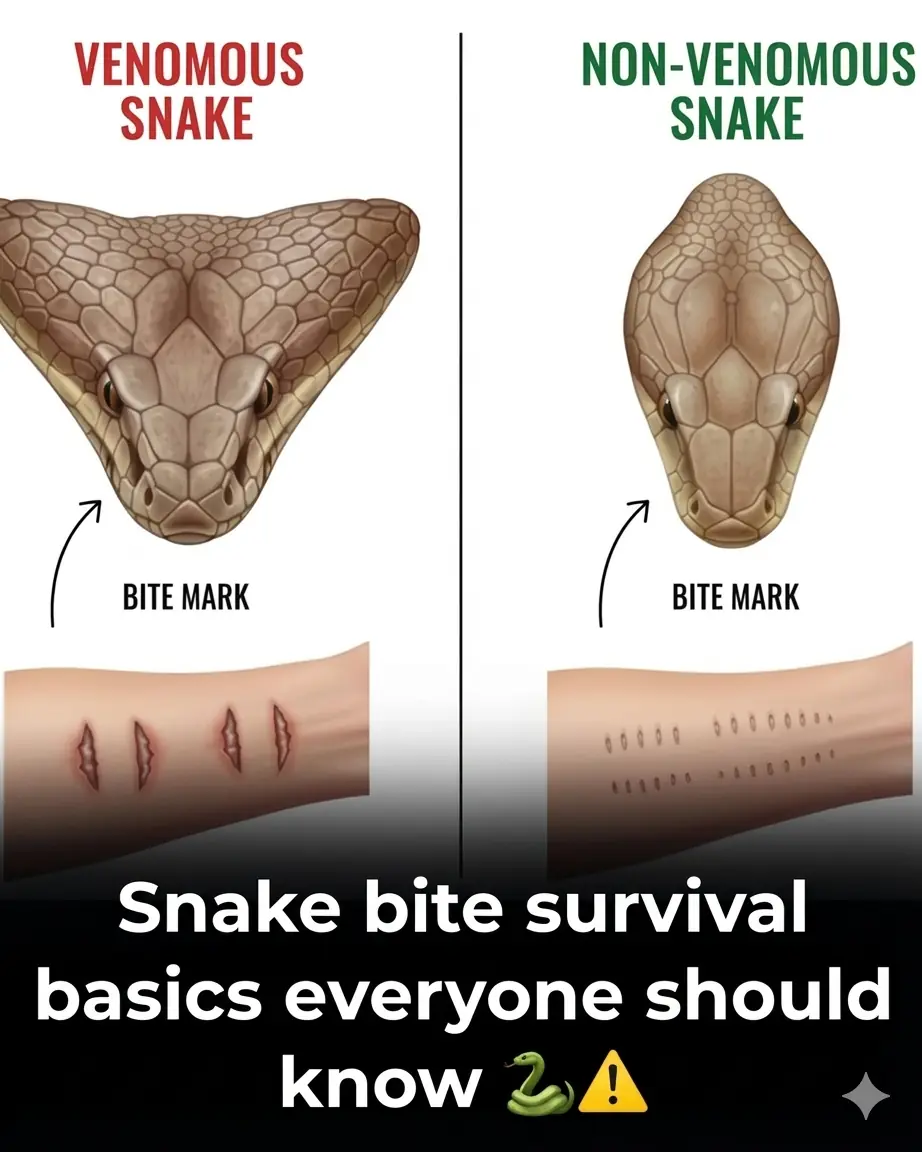
What To Do Immediately After a Snake Bite: Essential First Aid Steps Everyone Should Know

Which Cup Fills First? Your Answer Might Reveal More About Your Personality

He Thought It Was Their Final Goodbye… Until She Whispered Something No One Expected

Ever Noticed This Strange “Wall-Hugging” Insect? Here’s What It Really Is

The First Word You See Reveals Your Most Dominant Trait: A Deep Dive Into Your Subconscious

Pick A Chair And See Who Forever Sits By Your Side 🤔🤔...
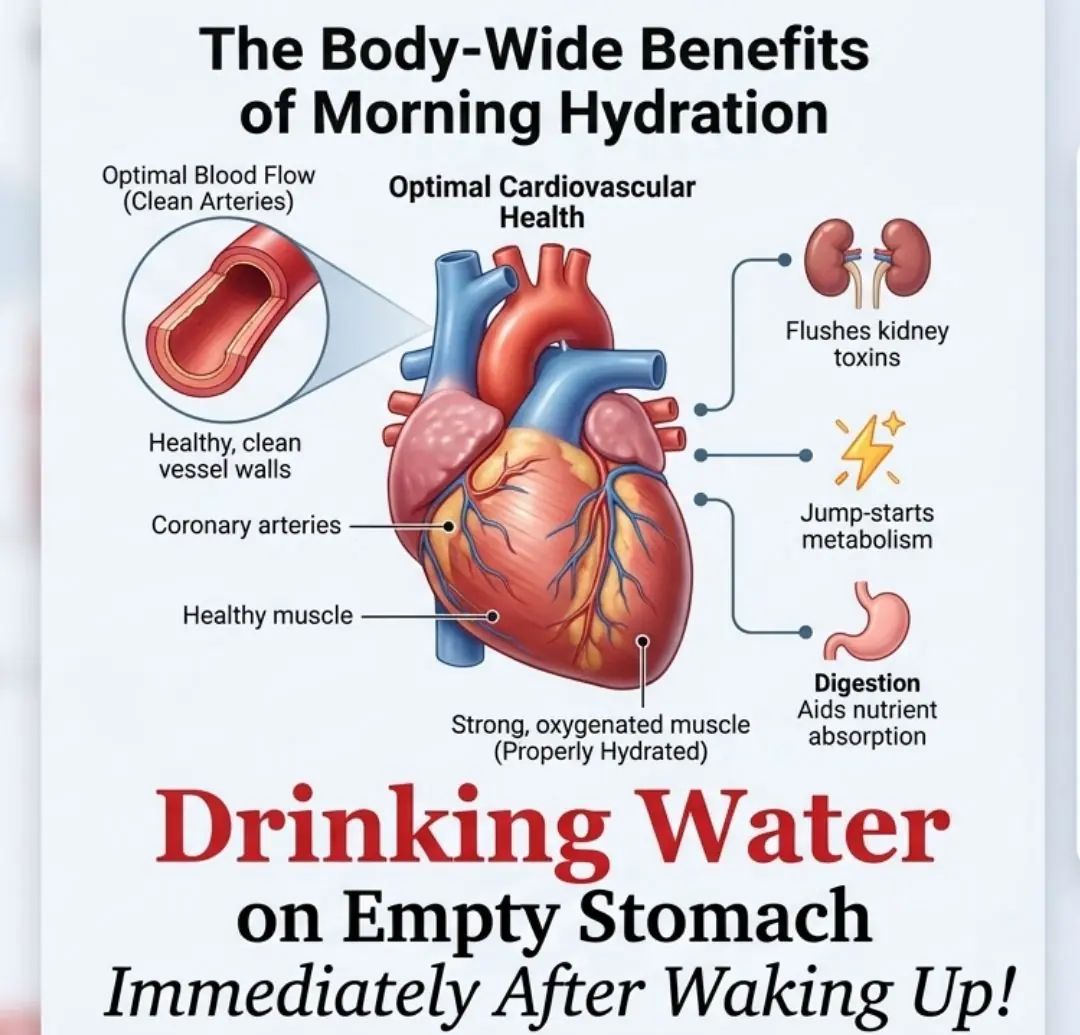
Benefits of Drinking Water on an Empty Stomach: A Simple Habit for Better Health
News Post

Blood Pressure Drug Pulled From Shelves After Carcinogen Detected
News 01/04/2026 17:38
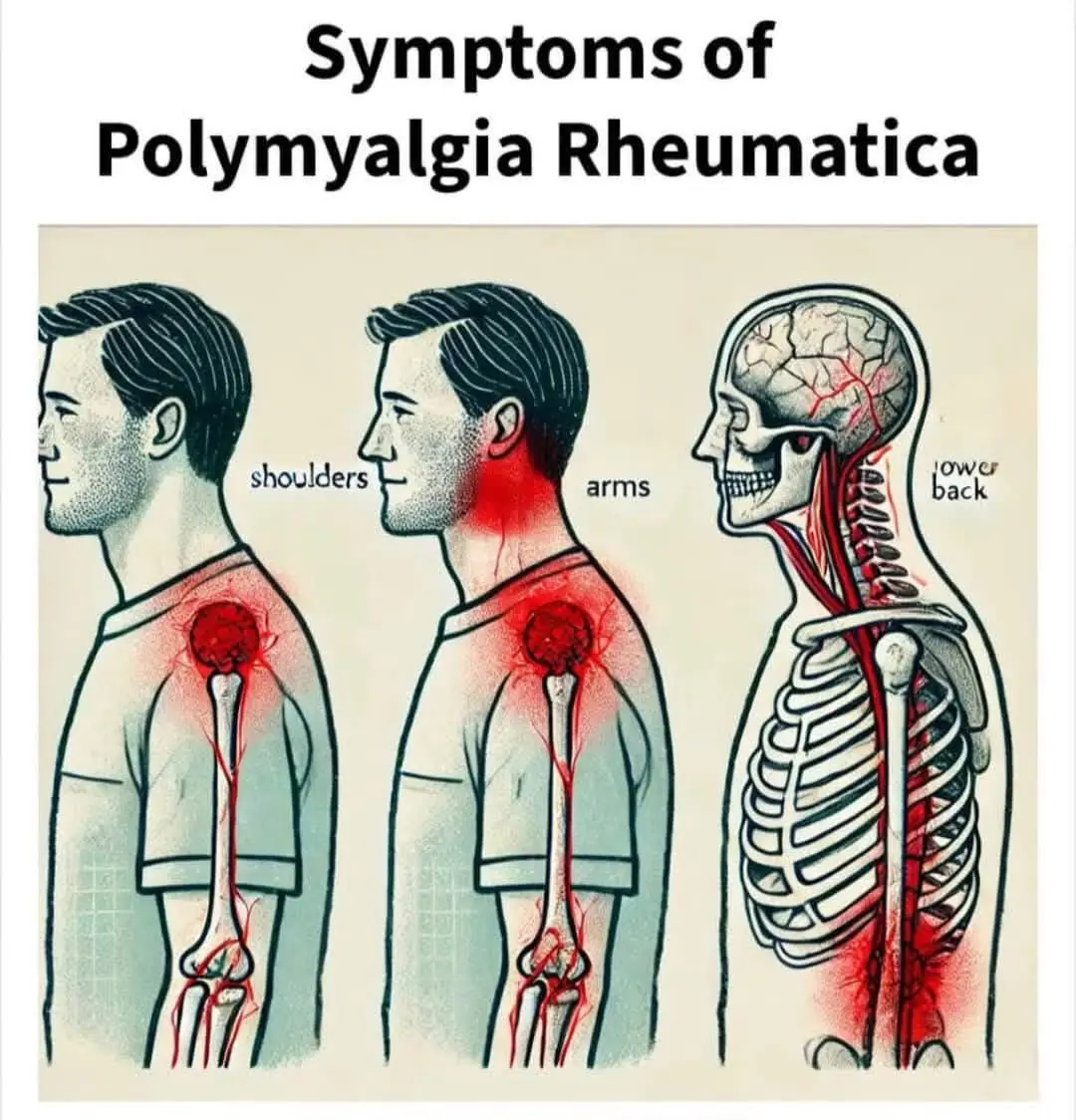
Polymyalgia Rheumatica: Key Symptoms and Indicators
Health 01/04/2026 17:23

The Surprising Psychology Behind Crossed Legs Habit in Women
Facts 01/04/2026 17:15

Why Dogs May Sniff Your Genital Area: Surprising Truth
Facts 01/04/2026 17:07

The Truth Behind the $400 Million American Bridge That’s Left People Stunned After ‘Disappearing Into the Water’
Facts 01/04/2026 16:59
Reconnecting Hearts: Why Emotional Intimacy is the Secret to Lasting Love
Tips 01/04/2026 16:57

Iran threatens Nvidia, Apple and other tech giants with attack
News 01/04/2026 16:38

Doctors Reveal What Happens When You Eat Avocado Regularly — The Truth Might Surprise You
Health 01/04/2026 16:24
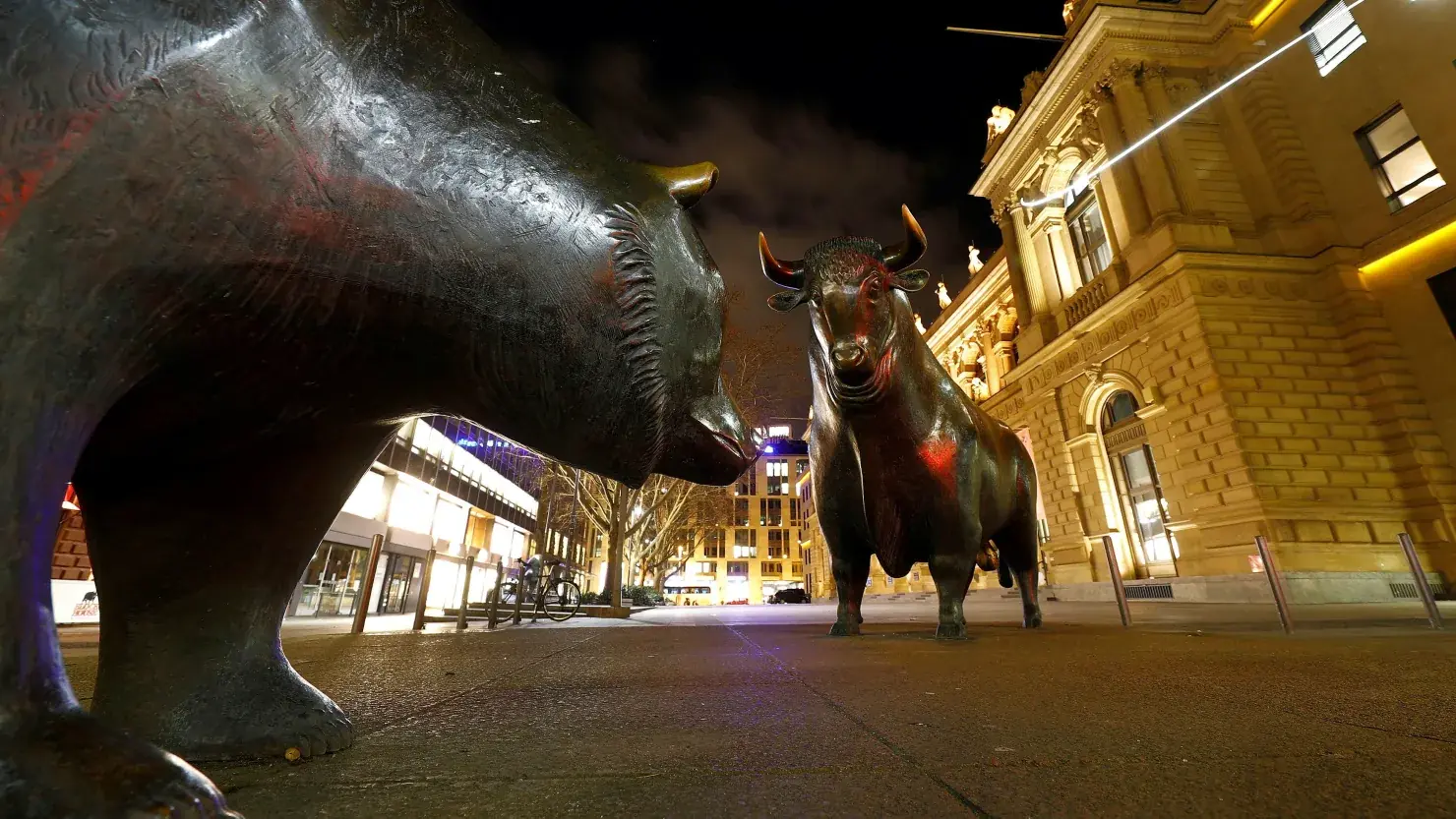
Europe stocks rebound strongly as Trump says Iran war will end in weeks
News 01/04/2026 16:24
The Hidden Risks of Falling in Love After 60 – What Experts Rarely Talk About
Tips 01/04/2026 16:18
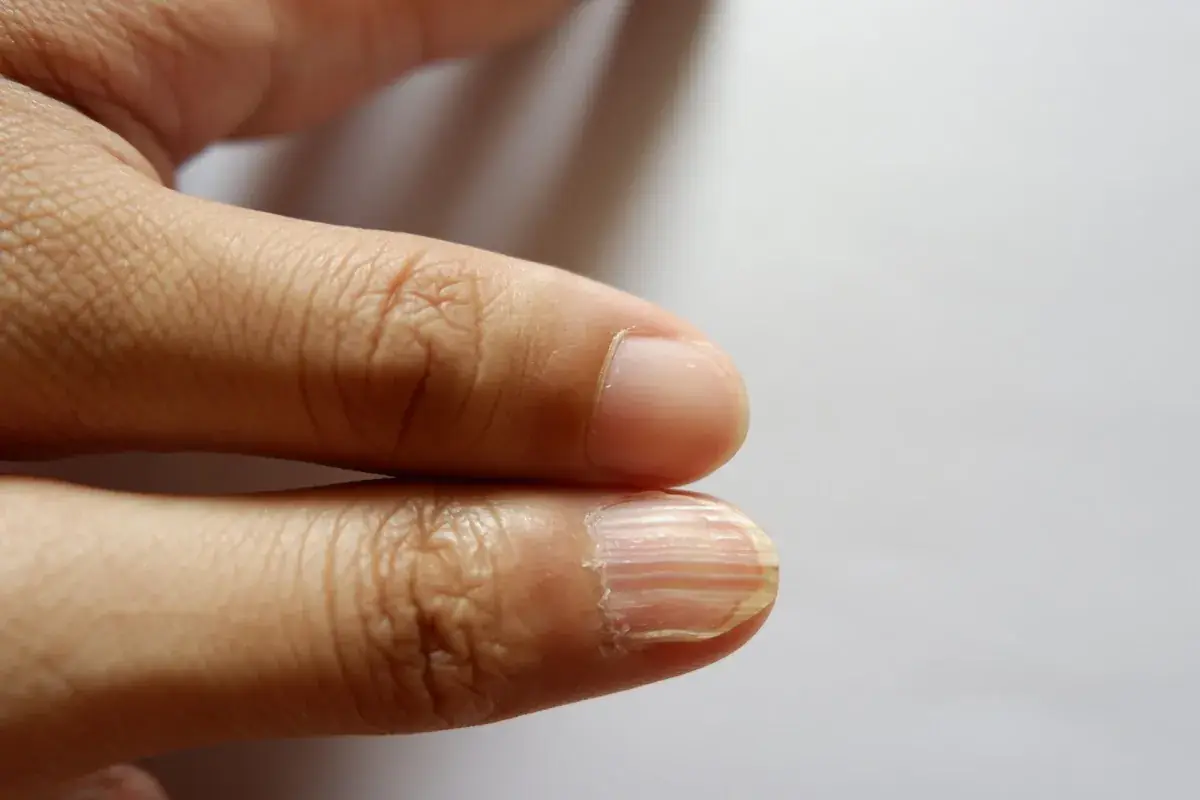
The Hidden Health Clues You’re Missing Every Time You Look at Your Nails
Health 01/04/2026 14:44

THE FORGOTTEN LIST
Life stories 01/04/2026 11:33
How to Solve the Red Bucket and Gas Tank Math Puzzle
Tips 01/04/2026 10:58
Husbands With These 2 Bad Habits May Put Their Wives at Higher Risk of Breast Cancer – Stop Them Now!
Tips 01/04/2026 10:51

The Golden Fruit: Health Benefits and Optimal Ways to Enjoy Oranges
Garden Healthy 01/04/2026 10:41

If you enter this room, which chair would you sit in?
Facts 01/04/2026 10:24

US Deploys B-52 Bombers Over Iran as Military Shifts to 'Dynamic Targets'
News 01/04/2026 10:24

The Rising Toll: How Extreme Heat is Redefining Global Health and Work
News 01/04/2026 10:14
Don’ts After Meals and 4 Don’ts Before Bed for Better Health and Sleep
Health 01/04/2026 09:54
🥪 Choose One Sandwich to Eat Forever — Your Pick Reveals Your True Personality
Tips 01/04/2026 09:38