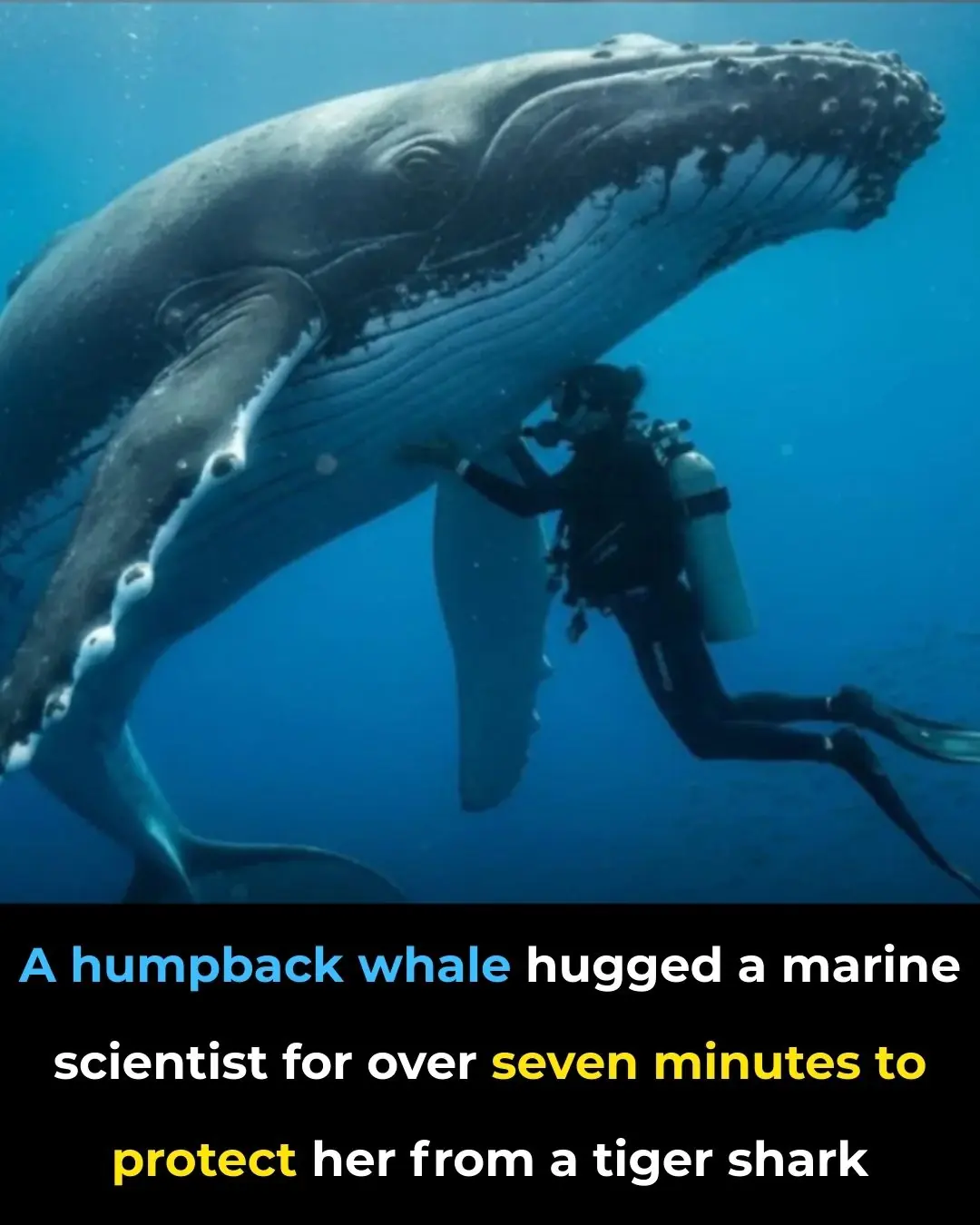
A True Story of Unexpected Ocean Heroism
Facts 01/12/2025 23:06
The practice of brief cold exposure, such as taking a cold shower or plunging into cold water, has moved beyond anecdotal folklore to become a subject of serious scientific inquiry. Research into the physiological effects of acute cold stimulation confirms its profound impact on the central nervous system, suggesting it is a powerful, non-pharmacological tool for enhancing cognitive performance. The immediate neurological response to cold water triggers a cascade of neurochemical shifts that sharpen focus, improve reaction time, and significantly elevate mental energy.
The instant a person is exposed to cold water, the body reacts with an involuntary and massive activation of the sympathetic nervous system (SNS), often termed the "fight-or-flight" response. This sudden, acute stress signal causes a reflex called the cold shock response.
This SNS activation is responsible for the immediate physical sensations of gasping for breath and rapid heart rate, but it also triggers crucial neurochemical releases that benefit cognition:
Norepinephrine Surge: One of the most significant effects is the rapid and substantial boost in norepinephrine (noradrenaline) levels. Norepinephrine is a powerful neurotransmitter and hormone that plays a central role in vigilance, alertness, attention, focus, and mood. Studies show that cold immersion can increase plasma norepinephrine concentrations by 200–300%. This massive surge acts as an immediate mental stimulant, effectively overriding the feeling of lethargy or brain fog.
Increased Alertness: The sudden jolt of cold water forces the brain to immediately prioritize the present moment and the environmental change. This intense focus mechanism naturally leads to sharper attention and improved reaction time—a biological necessity when facing perceived stress.
The cognitive enhancement is not solely chemical; it is also supported by changes in physiological function. Research using electroencephalography (EEG) has shown that cold stimulation can enhance electrical brain activity, particularly in regions linked to attention and high-level cognitive performance. The increased frequency of brain waves suggests a state of higher alertness and readiness.
Furthermore, the initial vasoconstriction (narrowing of blood vessels) followed by a rebound vasodilation (widening of blood vessels) triggered by cold exposure significantly impacts cerebral blood flow. This process increases the circulation of blood and, crucially, oxygen delivery to the brain. The brain, being a massive consumer of oxygen, benefits directly from this enhanced supply, which supports faster neural processing and overall cellular efficiency.
While the precise degree of cognitive improvement can vary widely among participants due to individual differences in cold tolerance and habituation, a vast number of individuals report a palpable sense of "faster mental clarity" within minutes of cold exposure. This is likely the subjective experience of the norepinephrine flooding the system and the sudden increase in cerebral oxygenation.
The regular practice of cold exposure also trains the body's stress response. By repeatedly engaging and managing the sympathetic nervous system's activation, individuals may improve their ability to cope with other stressors, both physical and psychological, translating the immediate clarity from the shower into sustained improved cognitive resilience in daily life.
Shevchuk, N. A. (2008). Adapted Cold Showering as a Potential Treatment for Depression. Medical Hypotheses. (Discusses the link between cold exposure, norepinephrine, and mood/alertness).
Šrámek, P., et al. (2000). Human physiological responses to immersion into water of different temperatures. European Journal of Applied Physiology. (Detailed research on neurochemical and circulatory changes following cold immersion).
Huttunen, J., et al. (2004). The effects of short-term exposure to whole-body cold on cognitive performance. International Journal of Circumpolar Health. (Studies on cold exposure and its impact on attention and reaction time).