The Common Blue Violet (Viola sororia) is one of the most recognizable wildflowers across North America. Its soft purple blossoms brighten lawns, woodland paths, and shaded gardens each spring. Many people see it as a charming but stubborn weed. Yet behind its delicate petals lies a plant with a rich history of traditional use, notable nutritional value, and gentle therapeutic qualities that have earned it a place in home remedies for generations.
Both the heart-shaped leaves and the vibrant flowers are edible and medicinal. They may be used fresh or dried, steeped into teas, infused into oils, simmered into syrups, blended into soothing skin preparations, or added to simple culinary recipes. When properly identified and used in moderation, violet is considered mild, versatile, and suitable for many household applications.
Below is a complete guide to its benefits and practical ways to incorporate it into your wellness routine.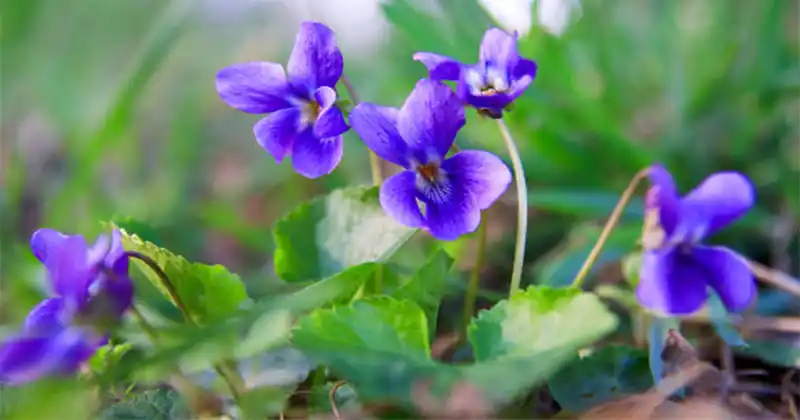
The Natural Benefits of Common Blue Violet
1. Rich in Vitamins A and C
The leaves are naturally high in vitamin A, which supports healthy vision, skin integrity, and immune balance. The flowers provide vitamin C, offering antioxidant protection and gentle immune support.
2. Natural Anti-Inflammatory Support
Violet contains soothing plant compounds traditionally used to calm inflammation. This may be helpful for irritated skin, minor swelling, and general tissue discomfort.
3. Lymphatic System Support
Herbal traditions have long valued violet as a lymphatic herb. It is believed to assist healthy lymph flow, helping the body maintain fluid balance and natural detox pathways.
4. Gentle Respiratory Comfort
Violet tea has historically been used as a mild expectorant. It may help loosen mucus, calm dry coughs, and ease throat irritation during seasonal discomfort.
5. Digestive Soothing Properties
The leaves contain mucilage, a gel-like substance that coats and comforts the digestive lining. This makes violet tea a gentle option for occasional stomach irritation.
6. Skin-Nourishing Effects
Applied externally as a poultice or infused oil, violet leaves may help soothe dryness, redness, and minor skin irritation. Its cooling nature makes it especially pleasant during warmer months.
7. Mild Analgesic Qualities
Traditional herbal use suggests violet may offer subtle pain-relieving properties for headaches, muscle soreness, and everyday aches.
8. Calming and Relaxing
Violet has been associated with mild calming effects. A warm cup of violet tea before bed may help encourage relaxation as part of a restful nighttime routine.
9. Gentle Antimicrobial Action
Certain natural compounds in violet have mild antimicrobial properties, traditionally used to support overall wellness.
10. Nutrient-Dense Wild Green
Fresh violet leaves can be added to salads or smoothies, contributing minerals, antioxidants, and plant-based nourishment. As a wild edible, it offers diversity to the modern diet.
Practical Homemade Uses of Common Blue Violet
1. Violet Tea (Immunity, Digestion, Respiratory Comfort)
Ingredients:
-
1 tablespoon dried leaves or flowers
-
1 cup hot water
Instructions:
Pour hot water over the herb. Cover and steep for 10–15 minutes. Strain and enjoy warm.
Best for: immune support, soothing coughs, digestive comfort, and relaxation.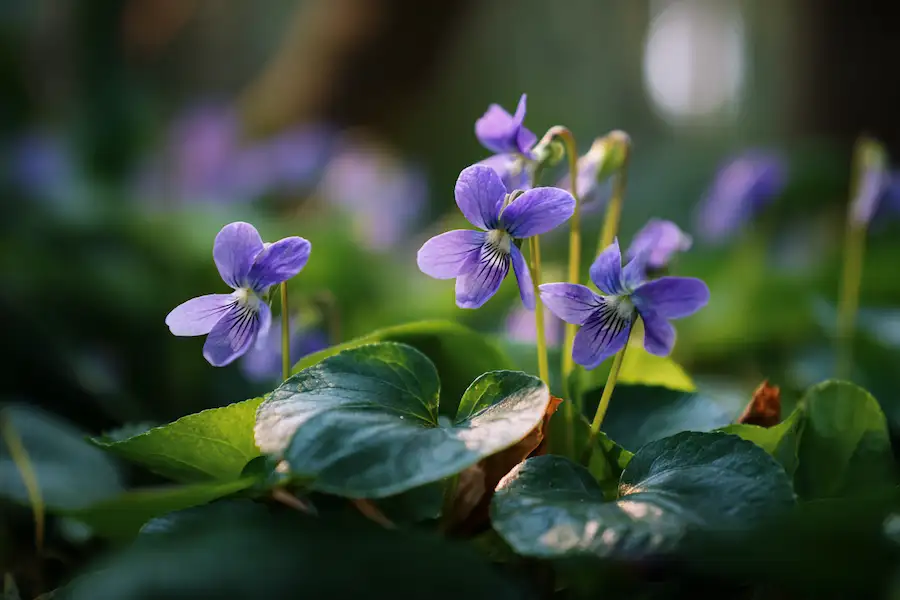
2. Violet-Infused Oil (For Skin Care)
Ingredients:
-
Fresh or dried violet leaves and flowers
-
Olive oil, sweet almond oil, or jojoba oil
Instructions:
Fill a clean jar halfway with plant material. Cover completely with oil. Seal and let infuse in a warm place for 3–4 weeks, shaking occasionally. Strain and store in a dark glass bottle.
Uses:
-
Moisturize dry skin
-
Soothe minor irritation
-
Blend into homemade creams and balms
3. Violet Salve (Dry or Sensitive Skin)
You’ll need:
-
4 tablespoons violet-infused oil
-
1 tablespoon beeswax
Steps:
Gently melt beeswax with the infused oil. Pour into a small container and allow it to cool.
Helpful for:
-
Cracked skin
-
Minor scrapes
-
Bug bites
-
Delicate under-eye moisture (use sparingly)
4. Violet Syrup (Soothing Throat Support)
Ingredients:
-
1 cup fresh violet flowers
-
1 cup water
-
Equal amount honey or sugar
Preparation:
Simmer flowers in water for 10 minutes. Strain thoroughly. Add equal parts honey or sugar and stir until dissolved. Store in the refrigerator.
Uses:
-
Take 1 teaspoon during coughs
-
Add to warm tea
-
Use as a gentle herbal sweetener
5. Fresh Violet Leaf Poultice
Crush fresh leaves until moist. Apply directly to the skin and cover with a clean cloth for 20–30 minutes.
Helpful for:
-
Mild rashes
-
Insect bites
-
Redness and minor irritation
6. Violet-Infused Honey
Place a handful of fresh violet flowers into a jar and cover fully with raw honey. Allow to infuse for at least two weeks. Strain if desired.
Take a spoonful as needed to comfort the throat or stir into warm beverages.
7. Violet Leaf Powder
Dry leaves completely and grind into a fine powder.
Uses:
-
Add ½ teaspoon to smoothies
-
Fill herbal capsules
-
Sprinkle into soups or stews
8. Culinary Ideas
-
Add young leaves to spring salads
-
Use flowers as edible garnishes
-
Blend leaves into green sauces
-
Stir into soups near the end of cooking
-
Freeze flowers into ice cubes for decorative drinks
The flavor is mild and slightly sweet, making it easy to incorporate into everyday meals.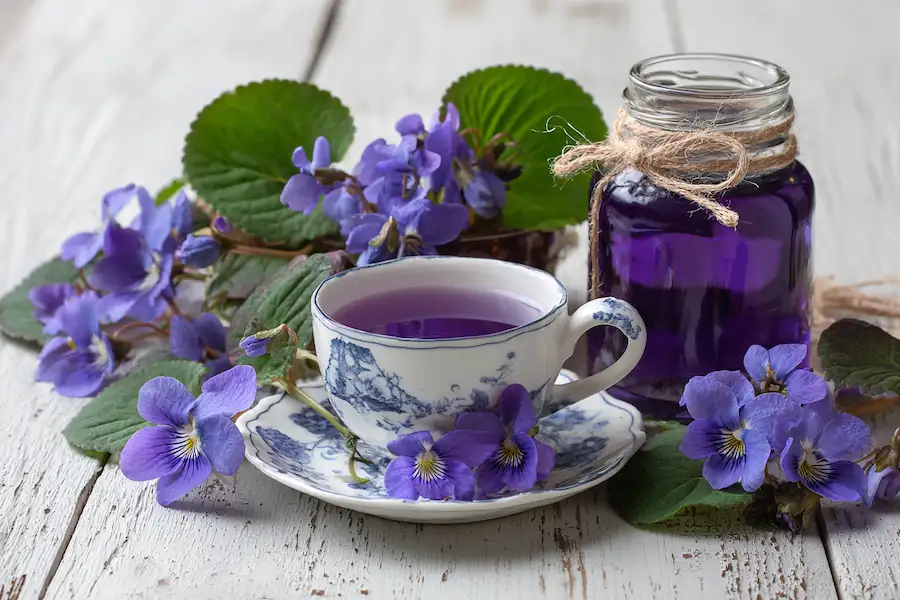
A Gentle Plant with a Long History
The Common Blue Violet is more than a lawn flower—it is a nourishing wild green with centuries of traditional herbal use behind it. Its gentle nature makes it accessible to beginners interested in exploring herbal remedies, while its versatility keeps it valued by experienced herbal enthusiasts.
As with any wild plant, proper identification is essential before use. Harvest only from clean areas free of pesticides or pollution. Start with small amounts to ensure personal tolerance.
Disclaimer
While Common Blue Violet is generally regarded as safe when used appropriately, always consume herbs in moderation. Individuals allergic to plants in the Violaceae family should avoid use. This information is for educational purposes only and is not a substitute for professional medical advice.
If you found this guide helpful, consider sharing it with friends who appreciate natural wellness and traditional plant knowledge.