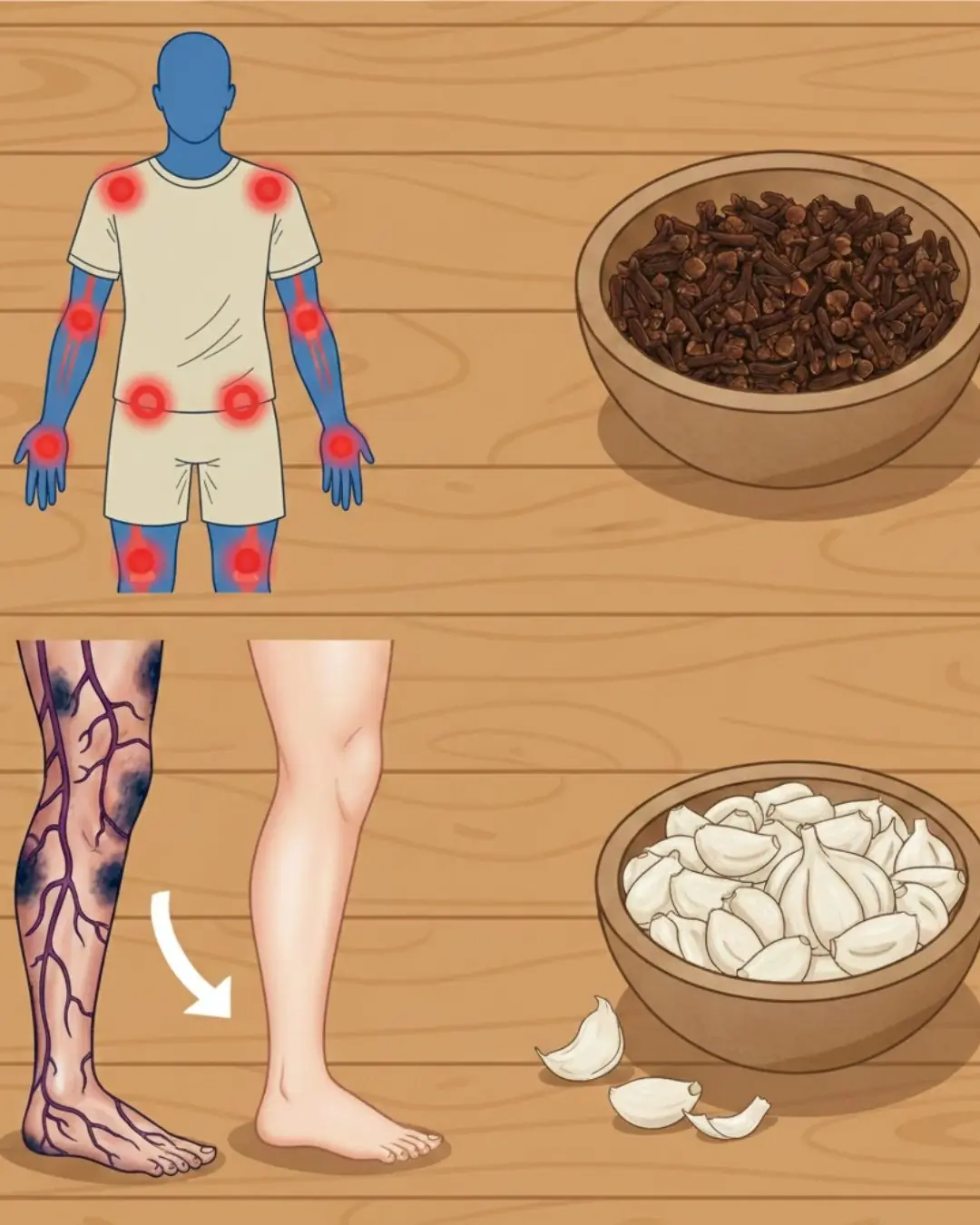
It's a pain killer, helps relieve leg pain, varicose veins, rheumatism, and arthritis...👇
Health 18/02/2026 22:04
Chronic kidney failure, also known as end-stage kidney disease (ESKD), is the most advanced stage of chronic kidney disease (CKD). It occurs when the kidneys permanently lose nearly all their ability to function properly. At this stage, kidney function falls below 15% of normal capacity, making it impossible for the body to effectively filter waste products and excess fluid from the bloodstream.
Kidney failure is a life-threatening condition that requires ongoing medical treatment. Without dialysis, a kidney transplant, or appropriate supportive care, the buildup of toxins and fluid in the body can become fatal.
According to the Centers for Disease Control and Prevention (CDC), approximately 37 million adults in the United States are living with chronic kidney disease, and more than 800,000 people have kidney failure. While not everyone with CKD progresses to kidney failure, those who do require specialized treatment to survive and maintain quality of life.
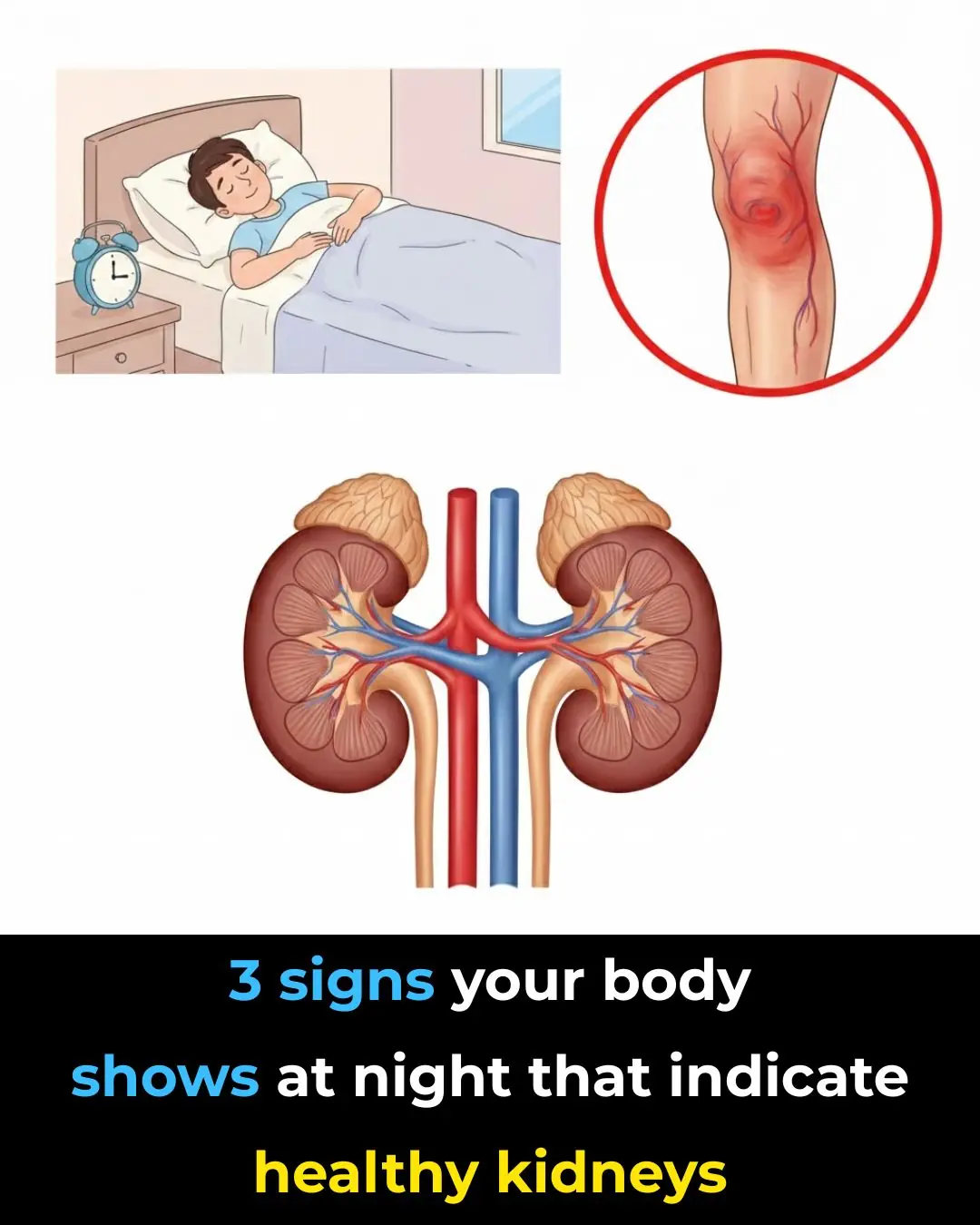
The kidneys perform several essential functions, including:
Filtering waste and excess fluids from the blood
Balancing electrolytes such as sodium, potassium, and phosphorus
Regulating blood pressure
Supporting red blood cell production
Maintaining bone strength
When the kidneys become severely damaged over time, they lose the ability to carry out these critical roles. As a result, toxins accumulate in the bloodstream, fluid retention occurs, and multiple organ systems are affected.
Symptoms typically develop gradually as kidney function declines. Because early kidney disease often causes no noticeable signs, many people are unaware of the condition until it becomes advanced.
Common symptoms include:
Little to no urination
Swelling in the legs, ankles, arms, or face
Persistent itching or dry, discolored skin
Fatigue and weakness
Nausea and vomiting
Loss of appetite
Shortness of breath
Difficulty concentrating
Sleep disturbances
Muscle cramps and lower back pain
Frequent headaches
Excessive thirst
Foul-smelling breath (fishy or urine-like odor)
Easy bruising, nosebleeds, or bloody stools
Sexual dysfunction
These symptoms occur because waste products and excess fluids interfere with the normal function of vital organs, including the heart, lungs, brain, and digestive system.
Kidney failure develops after years of progressive kidney damage. Several underlying conditions significantly increase the risk.
Diabetes is the leading cause of kidney failure. Chronically high blood sugar levels damage the small blood vessels in the kidneys, impairing their ability to filter waste effectively.
Long-term high blood pressure narrows and stiffens kidney blood vessels, reducing blood flow and accelerating kidney damage. In turn, fluid buildup further worsens hypertension, creating a harmful cycle.
This condition involves inflammation of the glomeruli—the tiny filtering units inside the kidneys. If untreated, it can lead to irreversible scarring and kidney failure.
Conditions such as lupus nephritis and IgA nephropathy cause the immune system to attack kidney tissues, leading to progressive damage.
This inherited disorder causes fluid-filled cysts to grow in the kidneys, enlarging them and gradually reducing function over time.
Other contributing factors include recurrent kidney infections, prolonged use of certain medications, and severe urinary tract blockages.
Diagnosis involves a combination of medical history review, physical examination, laboratory testing, and imaging studies.
The eGFR blood test is the primary tool used to assess kidney function. It estimates how much blood the kidneys filter per minute by measuring creatinine—a waste product from muscle metabolism.
Normal eGFR: 90 or higher
Moderate to severe kidney damage: Below 60
Kidney failure: 15 or lower for three months or more
An eGFR of 15 or below indicates that the kidneys are functioning at less than 15% of normal capacity.
Urine tests help detect abnormalities such as protein leakage, blood, or waste accumulation.
Common tests include:
Urinalysis
Urine albumin-to-creatinine ratio (uACR)
24-hour urine collection
These tests evaluate how effectively the kidneys remove waste and maintain proper protein balance.
Doctors may also order:
Ultrasound
CT scan
MRI
These imaging tests detect structural problems, cysts, or blockages.
A kidney biopsy may be performed to determine the exact cause of kidney damage. During this procedure, a small tissue sample is removed and examined under a microscope.
There is currently no cure for kidney failure. Treatment focuses on replacing lost kidney function or managing symptoms.
Dialysis artificially removes waste and excess fluid from the blood.
There are two main types:
Hemodialysis:
Blood is filtered through a machine (dialyzer) at a dialysis center or sometimes at home.
Peritoneal Dialysis:
The lining of the abdomen (peritoneum) acts as a natural filter. A cleansing fluid is inserted through a catheter to absorb waste, which is later drained.
Dialysis typically requires lifelong treatment unless a transplant is performed.
A kidney transplant surgically places a healthy donor kidney into the body. Transplants can come from living or deceased donors.
On average:
Living donor kidneys last 15–20 years
Deceased donor kidneys last 8–12 years
A successful transplant can significantly improve quality of life and eliminate the need for dialysis, though lifelong anti-rejection medications are required.
Some individuals choose conservative management instead of dialysis or transplantation. This approach focuses on:
Managing symptoms
Controlling complications like anemia
Following a kidney-friendly diet
Maintaining comfort and quality of life
This option may be considered for older adults or those with additional serious medical conditions.
Although not all cases are preventable, many risk factors can be managed.
Preventive strategies include:
Regular medical checkups
Monitoring blood sugar and blood pressure
Eating a balanced, kidney-friendly diet
Staying physically active
Avoiding smoking
Limiting excessive use of over-the-counter pain medications
Early detection of kidney disease significantly improves outcomes and can slow progression.
Kidney failure increases the risk of several serious health conditions, including:
Heart disease
Anemia
Bone disease and fractures
Gout
High potassium levels
Metabolic acidosis
Secondary hyperparathyroidism
Because the kidneys influence nearly every body system, failure can have widespread consequences.
Although kidney failure is a serious condition, many people live for years with proper treatment and medical support. Dialysis and transplantation have greatly improved survival rates and quality of life.
Managing kidney failure requires:
Close collaboration with healthcare providers
Adherence to treatment plans
Emotional and psychological support
Strong family and community support systems
With appropriate care, lifestyle adjustments, and ongoing monitoring, individuals with kidney failure can maintain meaningful, productive lives despite the challenges of the condition.