Cardiomyopathy: Causes, Risks, and Treatment Approaches
Health 12/12/2025 19:31
Multiple sclerosis (MS) is a chronic neurological disorder that affects the central nervous system—the brain, spinal cord, and optic nerves. It occurs when the immune system mistakenly attacks the protective myelin sheath surrounding nerve fibers, disrupting communication between the brain and the rest of the body. Because symptoms often appear slowly and vary widely from person to person, many individuals overlook the earliest warning signs. Recognizing these early symptoms can lead to quicker diagnosis, earlier treatment, and better long-term outcomes.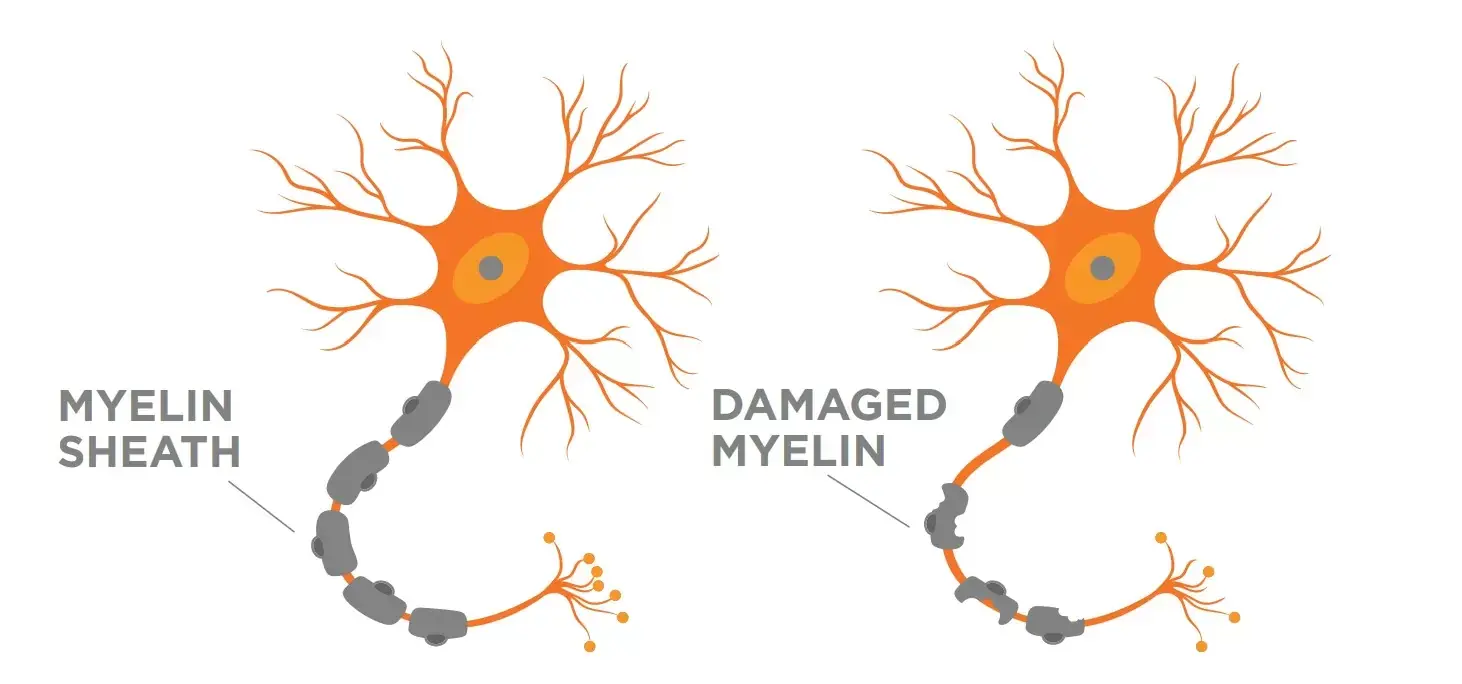
MS typically starts with subtle neurological changes that can easily be mistaken for fatigue, stress, aging, or temporary nerve irritation. Early detection matters because the disease progresses in episodes known as “relapses” or “flare-ups,” followed by periods of partial recovery. The earlier MS is diagnosed, the sooner treatment can begin to reduce inflammation, prevent nerve damage, and slow the progression of disability.
Below are the most common early symptoms you should pay attention to—especially if you experience several of them together.
Optic neuritis— inflammation of the optic nerve — is often the very first symptom of MS. Warning signs include:
Blurry or dimmed vision in one eye
Eye pain, especially when moving the eye
Faded color perception
Temporary vision loss
Some patients describe it as “looking through fog” or “a smudged lens.” This usually develops over hours or days, not instantly, making it easy to overlook until it worsens.
MS-related nerve damage frequently causes unusual sensations, often appearing in the:
Face
Hands
Legs
Fingers or toes
These sensations may feel like:
Pins and needles
Buzzing
Electric shock
Tightness
One classic MS sign is Lhermitte’s sign, a brief electric shock sensation down the spine when bending the neck forward.
Early MS may cause sudden or gradual muscle weakness, typically affecting:
One leg
One arm
One side of the body
This weakness occurs because nerve signals are disrupted, making everyday activities like gripping objects, climbing stairs, or walking feel unusually tiring.
MS can affect the cerebellum — the brain region that controls movement. Signs include:
Difficulty walking
Feeling unsteady or clumsy
Frequent tripping
Trouble standing still without swaying
Vertigo or spinning sensations
These issues tend to worsen when tired, stressed, or overheated.
MS fatigue is not ordinary tiredness. It is:
Sudden
Severe
Unpredictable
Not relieved by rest
Many patients describe it as “hitting a wall,” where their body simply refuses to continue even simple activities.
Muscle tightness (spasticity) is common early on. It may show up as:
Stiff legs
Painful spasms
Difficulty bending the knees
Feeling as if your legs are resisting movement
This can cause problems with mobility and walking, especially in the morning.
MS can disrupt nerve signals controlling the bladder and intestines. Early symptoms include:
Urgency
Frequent urination
Difficulty holding urine
Constipation
Many people mistakenly blame these symptoms on diet or aging.
MS can affect concentration, memory, and thinking. Early signs include:
Forgetting recent conversations
Losing track of tasks
Trouble multitasking
Slower problem-solving
These changes may be subtle but noticeable over time.
Because MS affects the brain, it can also impact emotional regulation. Early emotional symptoms include:
Mood swings
Unusual irritability
Anxiety
Depression
Sometimes these changes appear even before motor symptoms.
You should contact a healthcare provider immediately if you experience:
A combination of neurological symptoms lasting more than 24–48 hours
Vision changes
Sudden weakness
Persistent numbness not explained by injury
Early diagnosis allows for disease-modifying treatments that reduce relapse frequency and slow long-term disability.
Multiple sclerosis is a complex condition, but recognizing the first symptoms significantly increases the chances of slowing its progression. If you experience persistent neurological symptoms — especially vision problems, numbness, or unexplained fatigue — do not ignore them. Early evaluation and treatment can preserve your mobility, independence, and quality of life.