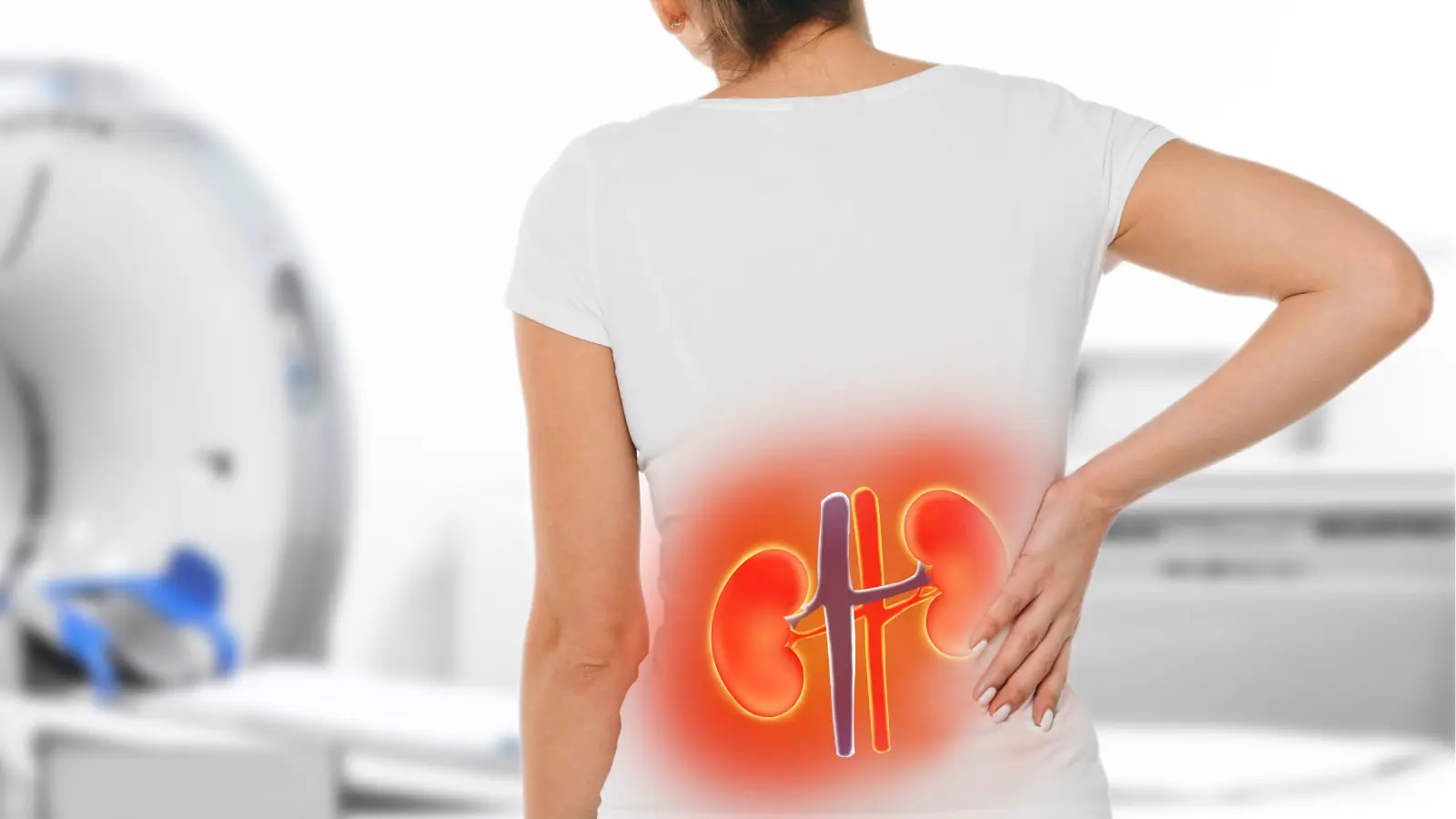
Why Kidney Failure Is Striking The Young—And How To Stop It
Health 15/07/2026 16:17
5 Early Signs of a Mini Stroke That Require Immediate Medical Attention
A Transient Ischemic Attack (TIA), often called a "mini stroke," is a temporary interruption of blood flow to part of the brain. Although the symptoms usually resolve within minutes or hours and do not cause permanent brain damage, a TIA should never be dismissed as harmless.
In fact, a TIA is often considered a warning sign that a more serious stroke could occur in the future. According to health experts, the risk of a major stroke is significantly higher in the days and weeks following a TIA, making prompt medical evaluation extremely important.
Older adults are particularly vulnerable because age is one of the strongest risk factors for stroke and vascular disease. Recognizing the warning signs early may help individuals receive timely treatment and reduce the risk of future complications.
Here are 5 symptoms that may signal a TIA and deserve immediate medical attention.
A TIA occurs when blood flow to a portion of the brain becomes temporarily blocked. Unlike a major stroke, the blockage resolves before permanent injury develops.
Common causes include:
Blood clots
Narrowed arteries
Cardiovascular disease
Irregular heart rhythms
Even though symptoms disappear, the event indicates that the brain has experienced a temporary loss of blood supply.
A TIA should be viewed as a medical emergency because it may signal an increased risk of a future stroke.
One of the most common TIA symptoms is sudden weakness affecting one side of the body.
Face
Arm
Hand
Leg
Difficulty lifting one arm
Weak grip strength
Facial drooping
Numbness on one side
These symptoms often occur abruptly and without warning.
The affected area of the brain temporarily loses adequate blood flow, disrupting nerve signals that control movement and sensation.
Changes in communication are another hallmark warning sign.
Slurred speech
Difficulty finding words
Inability to speak clearly
Trouble understanding others
Sometimes other people recognize the problem before the affected individual does.
Speech may suddenly become:
Confused
Slow
Garbled
Difficult to understand
Even if the symptom resolves quickly, medical evaluation is essential.
The eyes and brain work together closely, so reduced blood flow can affect vision.
Blurred vision
Double vision
Partial vision loss
Temporary blindness in one eye
Blood flow disruption can affect areas of the brain responsible for processing visual information or the blood vessels supplying the eyes.
Sudden vision changes should never be ignored, especially when they occur unexpectedly.
Balance problems can occur when blood flow is interrupted in regions of the brain responsible for coordination.
Dizziness
Difficulty walking
Loss of coordination
Unsteadiness
Feeling off balance
Many seniors already face balance challenges due to aging, making it easy to overlook a TIA-related episode. However, sudden changes should always be taken seriously.
Although not every TIA causes headache, some individuals experience a sudden and unusual headache.
Abrupt onset
Greater intensity than usual headaches
Accompanied by neurological symptoms
A sudden severe headache may indicate a significant vascular event and requires prompt medical evaluation.
One of the challenges with TIAs is that symptoms usually disappear quickly.
Many people assume:
They were tired
Their blood sugar was low
They were dehydrated
The episode was insignificant
Because symptoms resolve, individuals may delay seeking care. This can be a dangerous mistake.
Healthcare professionals often use the FAST acronym to help identify stroke symptoms.
One side of the face may sag.
One arm may become weak or numb.
Speech may become slurred or difficult.
Immediate medical attention is critical. Even when symptoms disappear, emergency evaluation is still necessary.
Several factors increase the likelihood of experiencing a TIA.
Age: Risk increases significantly after age 55.
High Blood Pressure: Hypertension is one of the most important stroke risk factors.
Diabetes: Blood sugar disorders can damage blood vessels over time.
High Cholesterol: Cholesterol buildup can narrow arteries.
Smoking: Smoking increases clot formation and vascular damage.
Heart Disease: Certain heart conditions increase the risk of blood clots.
Obesity: Excess body weight is associated with increased cardiovascular risk.
Following a TIA, healthcare providers typically investigate the underlying cause.
Possible evaluations include:
Blood Tests: To assess risk factors and overall health.
Brain Imaging: Such as CT scans or MRI scans.
Carotid Artery Evaluation: To identify narrowing in arteries supplying the brain.
Heart Testing: To detect abnormal heart rhythms or structural issues.
A TIA offers an opportunity to reduce future stroke risk.
Depending on the cause, treatment may include:
Blood pressure management
Cholesterol control
Diabetes management
Lifestyle modifications
Blood-thinning medications
Early intervention may significantly reduce the likelihood of a major stroke.
Controlling hypertension is one of the most effective prevention strategies.
Regular movement supports circulation and cardiovascular health.
Focus on:
Fruits
Vegetables
Whole grains
Lean proteins
Smoking cessation benefits both brain and heart health.
Proper blood sugar control supports healthy blood vessels.
Routine healthcare visits help identify risk factors early.
A TIA may be a warning sign of a future stroke.
Although risk increases with age, younger adults can also experience them.
Even brief symptoms require evaluation.
Some episodes are subtle and easy to overlook.
Emergency medical attention should be sought immediately if any of the following occur:
Sudden weakness
Facial drooping
Speech difficulties
Vision changes
Severe dizziness
Loss of coordination
Sudden severe headache
Do not wait for symptoms to improve before seeking help.
A Transient Ischemic Attack is often called a "mini stroke," but there is nothing minor about its significance. Sudden weakness, speech problems, vision changes, dizziness, and severe headaches may all signal a temporary interruption of blood flow to the brain.
Because symptoms often disappear quickly, many individuals underestimate their importance. However, a TIA can serve as a critical warning...