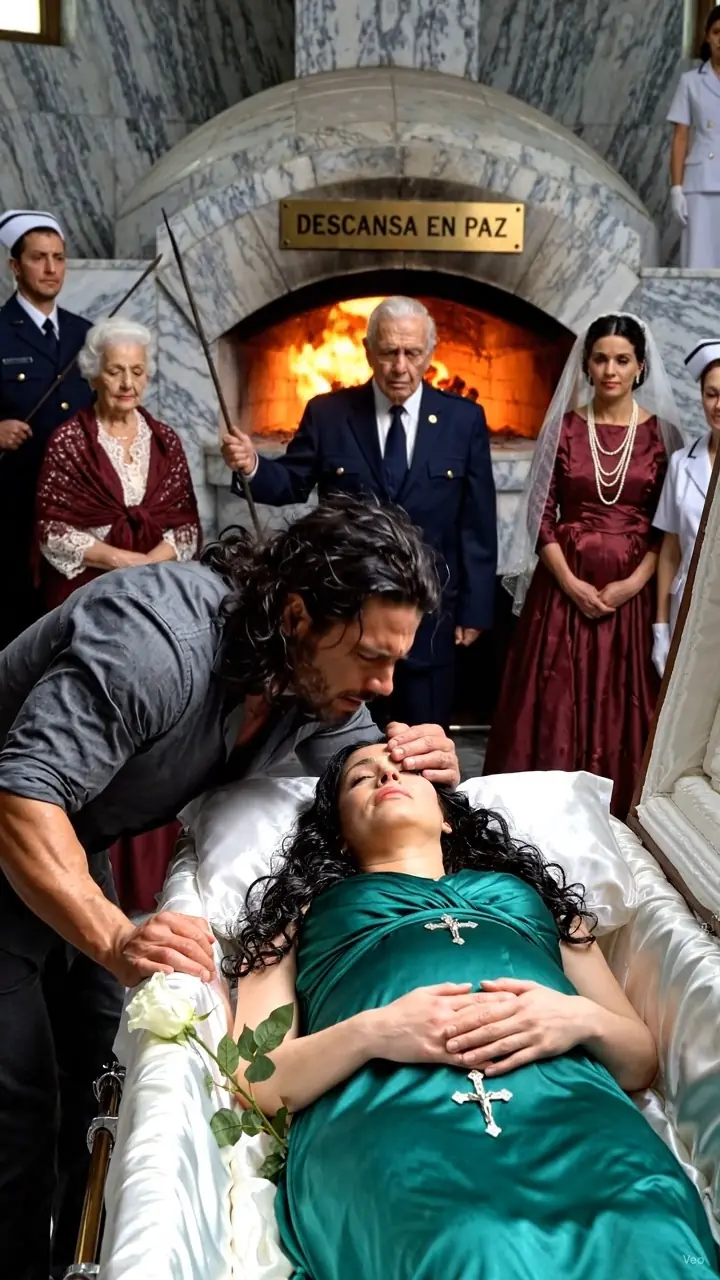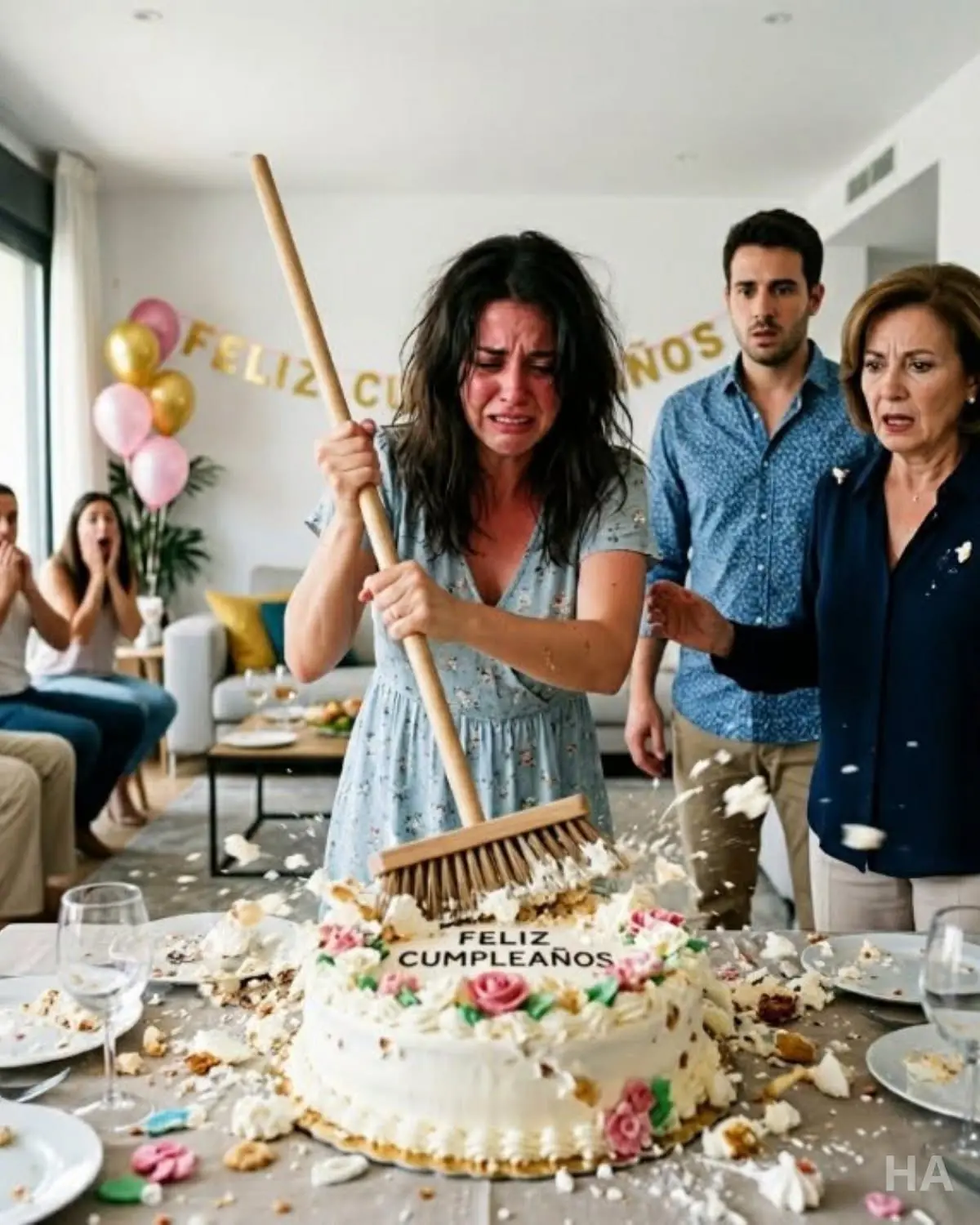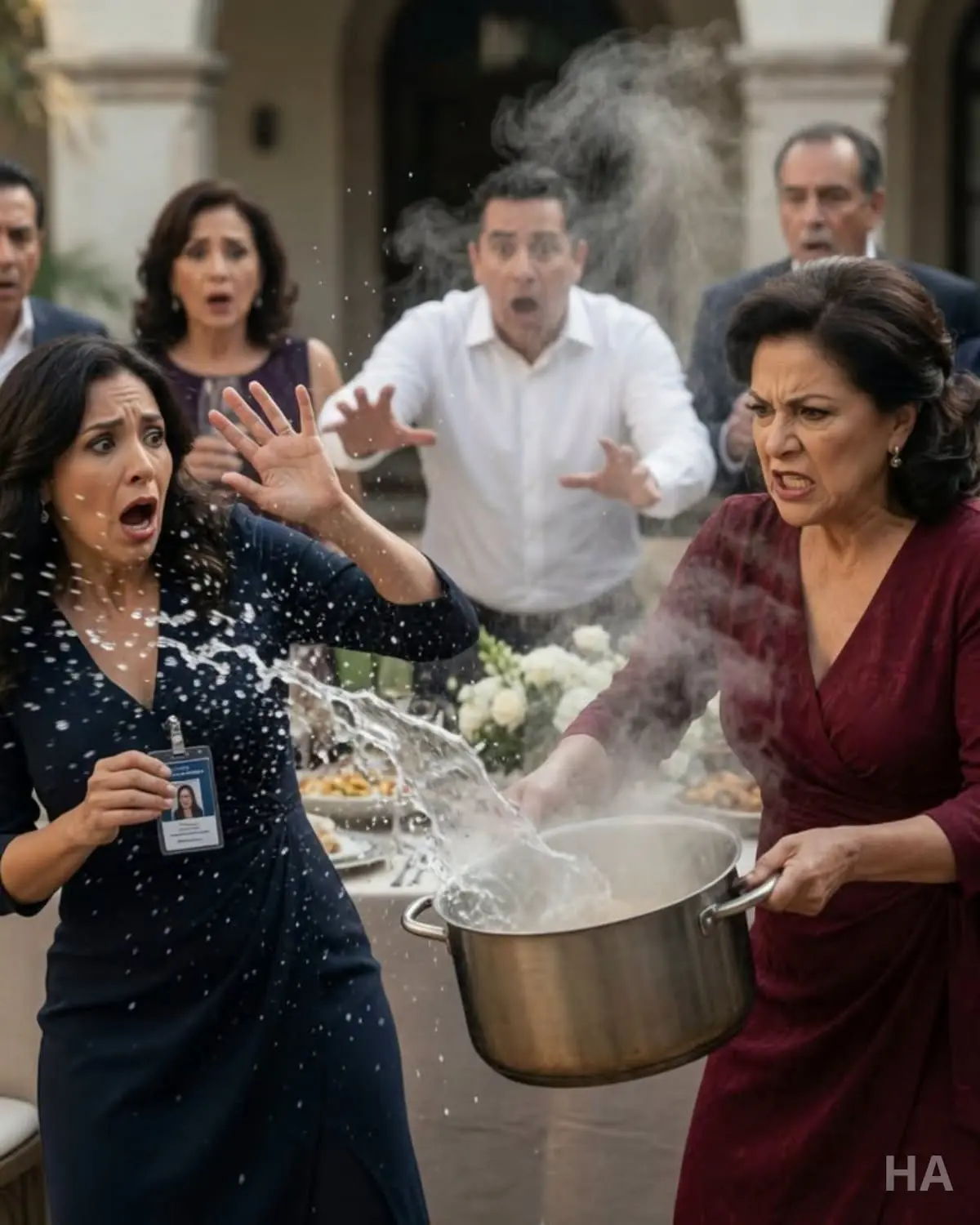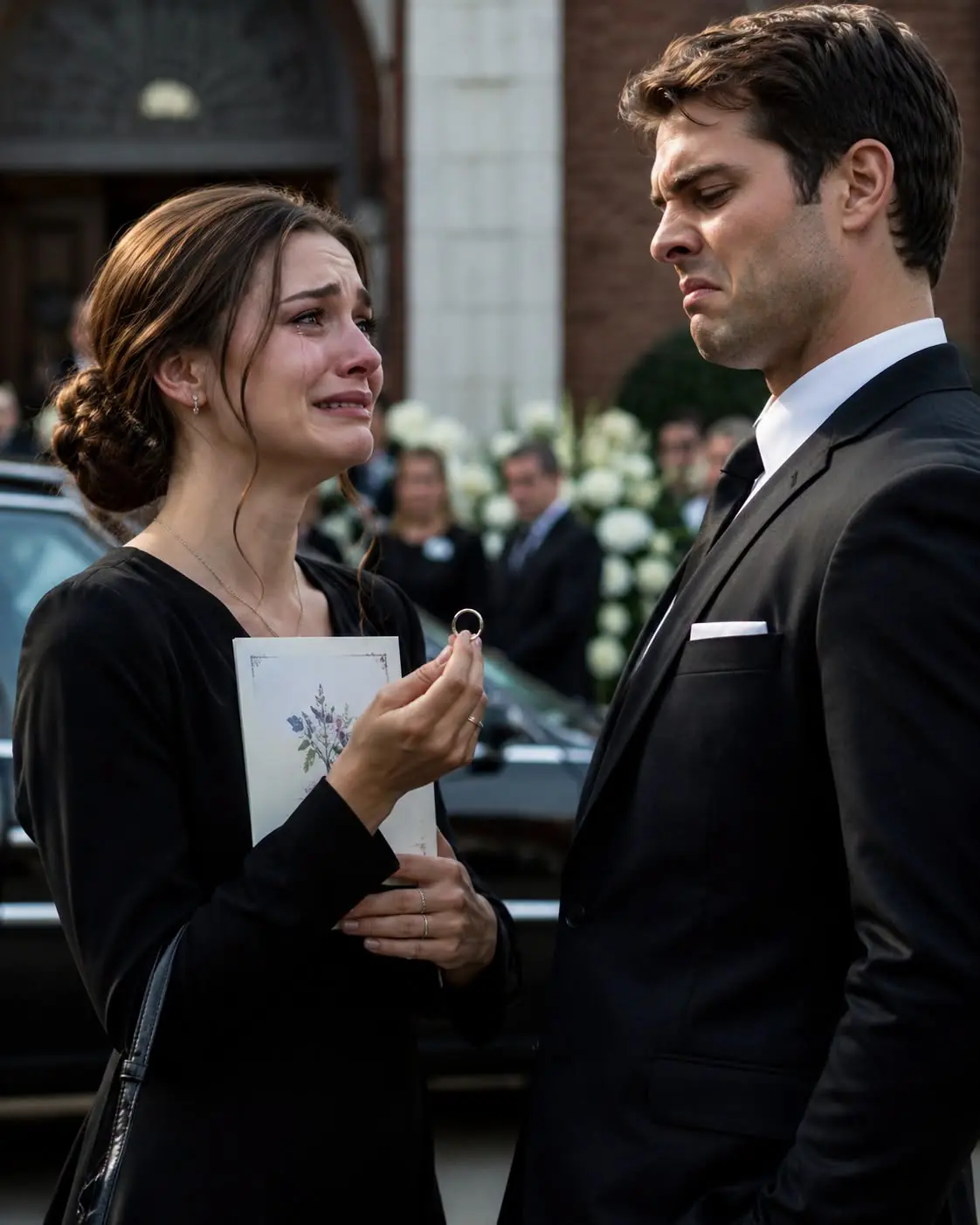
She had no idea what this cruel act would eventually lead to
Life stories 01/07/2026 17:28
Not because anything was funny.
Not because grief had made me cruel.
I smiled because for the first time since the officers stood on my porch and told me Samuel and Penelope were gone, my parents had finally walked into a room where they did not already know how the conversation would end.
My mother noticed the folder first.
Her eyes flicked down to it, then back to my face.
“What is that?” she asked.
I walked to the dining table and set the folder down carefully, right beside the spot where Penelope used to color while Samuel made pancakes on Saturday mornings.
Marcus snorted from the entryway.
“Is this the part where you act dramatic and show us funeral bills?”
I looked at my brother.
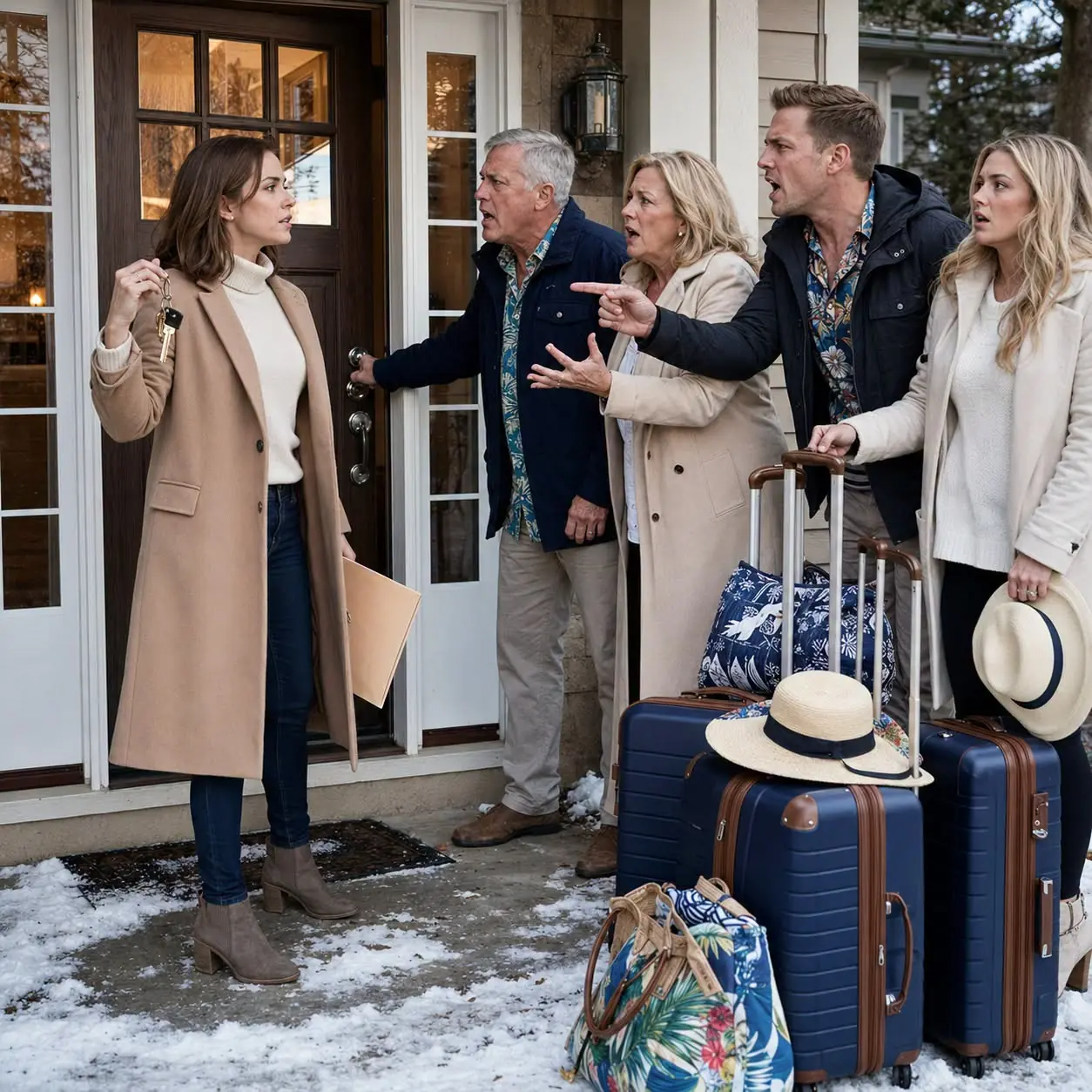
He wore sunglasses pushed up on his head, a gold chain resting against his sunburned chest, and the same lazy smile he had worn his entire life whenever someone else was about to pay for his mistakes.
“No,” I said. “This is the part where you stop smiling.”
Dad’s face hardened.
“Jane, we are not here for one of your emotional performances. Your mother and I need that money by Friday.”
“For what?”
Mom rolled her eyes.
“For family reasons.”
I opened the folder.
The sound of the paper sliding against the table was quiet, but all three of them heard it.
“Interesting,” I said. “Because according to the loan officer at North County Bank, the forty thousand dollars is for a delinquent payment connected to Marcus’s boat.”
Marcus’s smile disappeared.
Mom’s mouth opened slightly.
Dad stepped closer.
“You had no right digging into our finances.”
I lifted the first document.
“You used my name as a reference.”
Dad looked at Mom.
Mom looked at Marcus.
And there it was.
That tiny passing of blame.
A whole family language without words.
I placed the paper on the table.
“This is the loan application for the boat Marcus bought last year. It lists me as a guarantor.”
Marcus shifted his weight.
“That’s just paperwork.”
I turned the page.
“This is my signature.”
Mom quickly said, “You probably signed it and forgot.”
I looked at her for a long moment.
“My daughter was five, Mom. Not me.”
Her face went still.
I pointed to the signature.
“Penelope used to draw a little star over every letter i. Whoever forged my name copied it from a birthday card she made for you.”
The silence that followed was the first honest thing they had given me in years.
Marcus swallowed.
Dad’s jaw worked.
Mom’s eyes darted toward the front door, like she was considering escape and outrage at the same time.
I placed the birthday card on the table next to the loan form.
A pink card.
Glittery.
Folded at the edge.
Penelope’s careful handwriting across the inside.
To Grandma Linda. I love you more than cupcakes.
Her star above the i in Linda.
The same childish star was hidden in the fake Jane signature on Marcus’s boat documents.
My mother whispered, “That doesn’t prove anything.”
I nodded.
“You’re right. By itself, it doesn’t.”
Then I pulled out the next page.
“But this does.”
It was a printout from the notary log.
Date.
Time.
Location.
Signature witness.
And a photo ID copy attached to the filing.
Not mine.
My mother’s.
The room changed.
Dad sucked in a breath.
Marcus muttered, “Mom.”
She turned on him instantly.
“Don’t you dare.”
I almost laughed.
Even now.
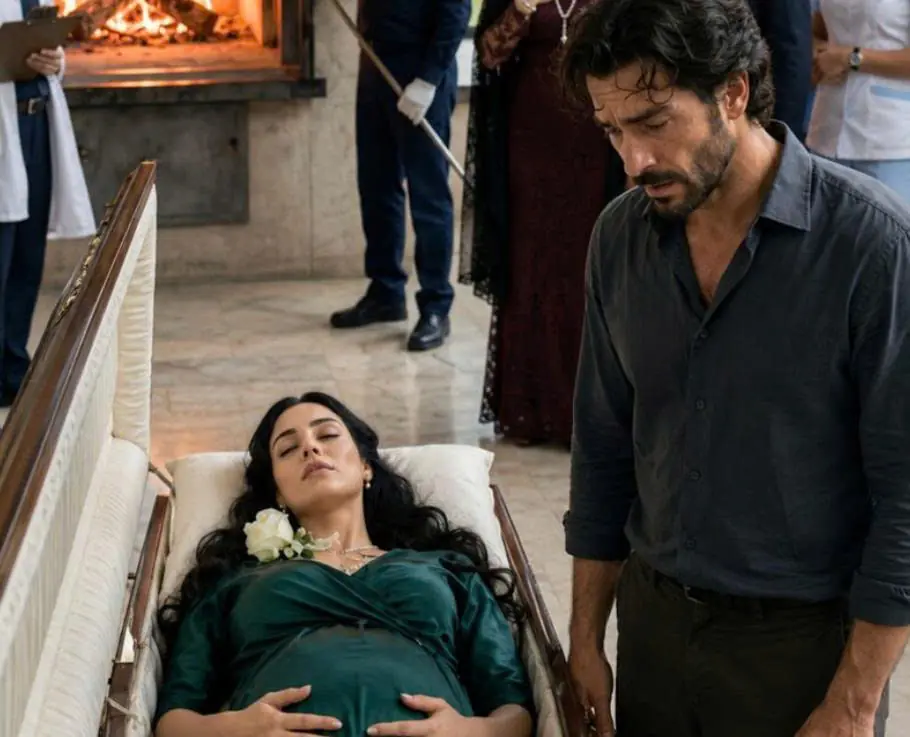
Even standing in my house three days after they missed the funeral of my husband and child, they were more upset about being caught than about what they had done.
I tapped the notary page.
“You used your ID, Mom. Then you signed my name. You didn’t even bother to find someone with the same hair color.”
Mom’s face flushed.
“That boat was a family investment.”
“No,” I said. “It was Marcus’s toy.”
Dad slammed his hand on the table.
“Enough. We are your parents.”
I looked at him.
“You said that at the bank too?”
His face went pale enough that I knew before he answered.
I reached into the folder again.
“This is the second thing I found.”
Dad’s throat moved.
Mom sat down slowly, as if her legs had finally remembered gravity.
Marcus looked at the rental SUV outside, then back at me.
He knew something was coming.
Good.
I wanted him to feel it arrive.
I unfolded the police supplement and placed it in the center of the table.
“Two days after the accident, the investigator called me because something in the report didn’t match the witness statement.”
Nobody spoke.
Outside, the wind moved through the porch chimes Penelope had painted blue and yellow last summer.
I hated that sound now.
I loved it.
I hated that I loved it.
I kept going.
“The driver who hit Samuel’s truck claimed he was alone on the road. But a witness saw a black pickup speeding ahead of him seconds before the crash.”
Marcus took one step back.
Mom whispered, “Jane.”
I did not look at her.
“The witness said the pickup cut across the lane near mile marker 48 and forced Samuel to swerve. The driver behind him struck the truck after that.”
Dad shook his head too quickly.
“That has nothing to do with us.”
I turned another page.
“This is from a gas station camera eleven miles from mile marker 48. Time stamped nineteen minutes before the accident.”
I placed the photo down.
Black pickup.
Lifted tires.
Cracked left taillight.
A faded Red Sox decal on the back window.
Marcus’s truck.
My brother stared at the photo like it had betrayed him.
Mom covered her mouth.
Dad whispered, “You said no one saw you.”
The sentence fell into the room like a body through ice.
Everything stopped.
Even Marcus looked at him.
Dad realized what he had said too late.
My fingers tightened on the edge of the table.
For three days, I had been numb in a way that frightened me. People had brought casseroles. Neighbors had hugged me. Chloe from next door had taken Samuel’s coffee mug from my hand when I stood at the sink holding it for twenty minutes.
But that sentence went through the numbness.
You said no one saw you.
Not grief.
Not confusion.
Knowledge.
My father knew.
My mother knew.
They knew Marcus had been near that road.
They knew enough to ask whether anyone had seen him.
And while I stood beside two coffins under a bruised sky, they were on a beach smiling over drinks.
I looked at Marcus.
“What did you do?”
He lifted both hands.
“It wasn’t like that.”
The words were familiar.
Men in my family had always used that sentence when truth became inconvenient.
It wasn’t like that.
When Marcus crashed Dad’s car at seventeen and blamed a deer.
When he emptied my college savings and said he thought it was “family money.”
When Mom wore my wedding earrings without asking and called me selfish for wanting them back.
It was never like that.
Until documents made it exactly like that.
“What was it like?” I asked.
Marcus’s face twisted.
“I was late. I was trying to get to the marina before they closed. Samuel was driving too slow.”
My chest tightened so sharply I thought I might fall.
Samuel never drove fast with Penelope in the car.
Never.
He used to say there were two kinds of men on the road: men trying to arrive and men making sure they got someone home safely.
Marcus looked at the floor.
“I passed them. That’s all. The road was narrow. I didn’t touch their truck.”
“You cut them off.”
“I didn’t mean for anything to happen.”
Mom stood, reaching for me.
“Jane, sweetheart, this is why we didn’t tell you. You were already fragile.”
I stepped back before she could touch me.
“Don’t.”
Her hand froze in the air.
“You would have blamed your brother.”
I stared at her.
“My husband and daughter were buried while you protected Marcus.”
Dad’s voice went low.
“We protected the family.”
There it was.
The sacred excuse.
The family.
Never me.
Never Samuel.
Never Penelope.
The family meant Marcus.
The family meant whatever kept my parents comfortable.
The family meant I should swallow pain so they never had to taste consequence.
I looked down at the folder.
“You weren’t on vacation when you got the call.”
Mom blinked.
“What?”
I pulled out the final page.
Hotel invoice.
Flight records.
Credit card charges.
“You left after the accident.”
Dad’s face emptied.
Marcus muttered something under his breath.
I kept my voice steady because if I let it crack, I was afraid I would scream until the windows broke.
“The accident happened Monday morning. I called you at 11:42 a.m. Mom cried for seven minutes. Dad told me to wait until you could check flights.”
Mom began shaking her head.
“No.”
“Your flight to Cancun was booked Monday night at 8:16 p.m.”
I placed the airline receipt on the table.
“You weren’t already gone. You chose to leave.”
The room fell silent.
That truth was worse than the photo.
Worse than the message.
Because all week I had imagined them receiving the news far away, trapped between distance and inconvenience, too selfish to come home.
But no.
They had been close enough to drive to me.
Close enough to hold me.
Close enough to stand beside me when the funeral director asked if I wanted Penelope’s yellow sweater or the blue dress with daisies.
Instead, they booked a beach vacation after knowing.
Mom’s face crumpled, but I knew that expression.
She used it when she wanted sympathy to arrive before accountability.
“We needed space,” she whispered.
I looked at her.
“From my grief?”
She said nothing.
Dad straightened, trying to put his authority back on like a coat.
“That money is still needed. Marcus is in trouble. If the boat payment defaults, the bank will come after all of us.”
“No,” I said. “They will come after the people who committed fraud.”
Marcus’s eyes narrowed.
“You wouldn’t do that.”
I turned to him.
“I already did.”
Mom gasped.
Dad stepped forward.
“What did you do, Jane?”
“I called the bank. I gave them the forged documents. I gave them the notary records. I gave the investigator the gas station image. And I gave my attorney the vacation receipts, your messages, and the voicemail Dad left yesterday saying I owed the family because Samuel’s insurance would be wasted on me alone.”
My mother grabbed the back of the chair.
“You recorded us?”
I almost smiled again.
“You left voicemails.”
Marcus cursed.
Dad pointed at me.
“You vindictive little—”
The front door opened behind them.
All three turned.
My attorney, Caleb Morrison, stepped inside with two officers behind him.
Caleb was Samuel’s college friend.
Tall.
Quiet.
The kind of man who looked kind until someone mistook kindness for softness.
His eyes went to my face first, then to my parents.
“Jane,” he said gently, “are you okay?”
“No,” I said. “But I’m ready.”
Mom looked from him to the officers.
“What is this?”
Caleb held up a document.
“Mrs. and Mr. Harris, Marcus Harris, you have been formally notified not to contact my client directly regarding insurance proceeds, settlement funds, or any financial demand. Further harassment will be documented.”
Dad scoffed.
“She’s our daughter.”
Caleb’s expression did not change.
“She is my client.”
That sentence hit harder than it should have.
Maybe because for the first time in days, someone said what I was without attaching a duty to it.
Not daughter.
Not sister.
Not the person who owed.
Client.
Person.
Protected.
One officer looked at Marcus.
“Mr. Harris, we need to ask you some questions regarding the March 18 incident near mile marker 48.”
Marcus backed up.
“Now?”
The officer said, “Now.”
Mom rushed between them.
“He didn’t do anything.”
I looked at her.
“You don’t know that.”
She turned to me, wild-eyed.
“He’s your brother.”
“And Penelope was my daughter.”
My voice cracked on her name.
The room finally heard it.
Not my anger.
Not my evidence.
My grief.
For one second, even Dad looked away.
Marcus did not.
He glared at me like I had stolen something from him.
That was when the last soft thread between us snapped.
He was not sorry.
He was cornered.
There is a difference.
The officers escorted him outside.
No dramatic handcuffs.
No movie scene.
Just Marcus walking down my porch steps in linen vacation pants while neighbors peeked through curtains and the first real consequence of his life opened the back door of a patrol car.
Mom screamed his name.
Dad followed them out, shouting about lawyers.
I stayed inside.
I could see everything through the window.
The rental SUV.
Marcus’s sunglasses lying on my hallway floor.
My mother’s purse still on my dining table.
The folder open beside Penelope’s birthday card.
Caleb stood beside me.
“You did the right thing.”
I stared at the driveway.
“I don’t know what the right thing feels like anymore.”
He nodded slowly.
“Sometimes it feels terrible.”
After the officers left with Marcus, my parents came back to the doorway.
They did not step inside.
Maybe something in my face finally taught them boundaries.
Maybe Caleb’s presence did.
Mom’s tears were real now.
I could tell.
But real tears do not always mean real remorse.
“Jane,” she whispered, “please. We made mistakes.”
I looked at her sunburned shoulders.
Her gold sandals.
Her vacation bracelet still tied around her wrist.
“Mistakes?”
She flinched.
Dad grabbed her arm.
“Don’t beg.”
He still had pride.
Even standing outside the home of the daughter whose world had just collapsed, even after being exposed, even after Marcus was driven away, my father still thought dignity meant never apologizing.
I stepped onto the porch.
Caleb followed, close enough to make his presence clear.
I looked at both of them.
“You will not ask me for money again. You will not come to this house again. You will not speak Samuel’s name or Penelope’s name as if you loved them when you chose sunscreen over their funeral.”
Mom sobbed.
Dad’s face hardened.
“You’ll be alone.”
For a moment, the words found the old wound.
That was how he had always controlled me.
The threat of being left out.
Left uninvited.
Left unsupported.
Left alone.
But grief had already taken me to the deepest room of alone and left me there overnight.
My father had no idea how small his threat sounded from that place.
“I already survived alone,” I said. “You just weren’t important enough to notice.”
Dad’s jaw tightened.
Mom whispered, “We raised you.”
I looked at her.
“No. You used proximity and called it parenting.”
Then I closed the door.
For ten minutes, I stood there with my hand still on the lock.
Caleb did not speak.
The house settled around us.
The refrigerator hummed.
The porch chimes moved.
Somewhere upstairs, the washer beeped because I had started a load of Penelope’s clothes before realizing halfway through that I could not fold them.
Finally, I said, “I need them gone.”
Caleb nodded.
“They’re gone for tonight. We’ll file for a protective order tomorrow if they return.”
I turned.
“And the insurance?”
His face softened.
“The funds are protected. Samuel named you as the sole beneficiary. There is no legal claim from your parents or Marcus.”
I let out a breath I had been holding since my father asked for the paperwork.
Samuel had been careful.
Of course he had.
He was the kind of man who labeled pantry shelves and checked tire pressure before road trips.
The kind of man who kissed Penelope’s forehead every morning before work, even if she was still asleep.
The kind of man who had once told me, “If anything happens to me, Jane, don’t let your family turn your sadness into their opportunity.”
At the time, I told him not to talk like that.
Now his warning sat beside me like a hand on my shoulder.
That night, after Caleb left, I sat on Penelope’s bedroom floor.
Her stuffed rabbit was still tucked under the blanket.
Her books leaned crooked on the shelf.
A purple crayon rested under her little table.
I picked it up and held it until my fingers hurt.
People think justice feels loud.
Sometimes it is silent.
Sometimes it is sitting in a child’s room after turning in your own brother, wondering why doing the necessary thing does not bring anyone back.
My phone buzzed.
Unknown number.
Then another.
Then another.
My parents had already started.
Aunt Linda: Your mother is devastated. How could you do this now?
Cousin Ryan: Marcus said it was an accident and you’re trying to ruin him.
Grandma Harris: Family should not involve police.
I stared at the messages.
Then I opened the folder again.
Took photos of the vacation receipt.
The forged signature.
The gas station image.
The text calling the funeral too trivial.
I created one group message.
Every aunt.
Every cousin.
Every family friend who had dared to judge me without asking.
Then I wrote:
Since everyone has opinions, here are the facts. My parents booked their tropical vacation after learning Samuel and Penelope were gone. They skipped the funeral, called it too trivial, then came to my house demanding $40,000 from insurance money. They forged my name on Marcus’s boat loan. Marcus was identified near the accident scene after cutting across Samuel’s lane. I have given all documents to my attorney and the police. Do not contact me unless it begins with an apology.
I attached everything.
Then I sent it.
The responses stopped.
For the first time all week, my phone went quiet.
I slept two hours that night.
Maybe three.
The next morning, my parents became the kind of people they had always feared becoming.
Publicly exposed.
Marcus’s mugshot appeared online by noon because his outstanding warrant for an unpaid boating violation surfaced during questioning.
The bank opened a fraud case.
The notary who accepted my mother’s signature without proper verification was suspended pending review.
The accident investigation expanded.
Dad’s employer placed him on leave after learning he had used company letterhead for one of Marcus’s loan reference documents.
Mom posted a long statement on Facebook about “family betrayal during tragedy.”
No one liked it except two of her church friends and a woman who sold essential oils.
Then Aunt Linda commented:
Linda, you sent a beach selfie after your granddaughter’s funeral. Sit down.
I read it three times.
Then I cried harder than I had expected.
Not because Aunt Linda saved me.
Because someone in the family had finally said it out loud.
Two days later, Marcus’s attorney called Caleb.
They wanted to discuss “family resolution.”
Caleb called me before responding.
“What do you want me to say?”
I was standing in the kitchen, staring at Samuel’s coffee mug.
I had washed everything else.
Not that.
Not yet.
“Tell them family resolution would have started at the funeral.”
Caleb was quiet for a second.
Then he said, “I’ll translate that legally.”
The investigation took weeks.
Then months.
There were no simple answers.
The other driver still held responsibility for the final impact. Marcus had not touched Samuel’s truck. But the new evidence showed he had created the dangerous maneuver that started everything.
His lawyers argued.
The prosecutors reviewed.
Experts measured tire marks, timing, angles, speed.
I learned more about roads and reaction time than any grieving person should have to know.
But one fact never changed.
Marcus drove away.
He did not stop.
He did not call.
He did not come to the funeral.
He went to Cancun and smiled.
That was the fact that ended him in my heart.
My parents tried once more to see me.
They arrived on a Sunday afternoon, not pounding this time.
Just standing on the porch like elderly strangers dressed for church.
I opened the door with the chain still latched.
Mom looked smaller.
Dad looked angrier.
That was their usual balance.
She held a casserole dish.
I almost laughed.
The universal peace offering of people who did not know how to say sorry.
“Jane,” she said, “we want to talk.”
I looked at the dish.
“What is that?”
“Lasagna.”
“Penelope hated lasagna.”
Mom’s eyes filled.
“I know.”
“No,” I said. “You don’t.”
She flinched.
Dad stepped forward.
“Your mother is trying.”
I looked at him through the narrow opening.
“Trying what?”
He exhaled sharply.
“Do you want us to crawl? Is that it?”
“No. I wanted you at the funeral.”
That shut him up.
Mom pressed one hand to her mouth.
“I couldn’t face it.”
I felt something twist inside me.
“At least that is finally honest.”
She cried quietly.
“I knew if I saw those coffins, I would have to admit Marcus had something to do with it.”
Dad snapped, “Linda.”
She ignored him.
“I told myself he was just nearby. I told myself it wasn’t his fault. I told myself you had Samuel’s family there and you didn’t need us.”
I stared at her.
Every sentence was awful.
Every sentence was true enough to hurt.
“You decided my grief was easier to abandon than your son was to confront.”
Mom nodded, collapsing into the truth.
“Yes.”
Dad cursed under his breath.
I looked at him.
“And you?”
He lifted his chin.
“I protected my family.”
For a second, I thought of Samuel.
How he used to check the locks at night.
How he carried Penelope on his shoulders through the farmers market.
How he learned to braid her hair from videos because she wanted “princess twists” for preschool.
That was family.
What my father meant was blood without conscience.
“You protected Marcus,” I said. “You lost me.”
His face tightened.
“You’re my daughter.”
“No,” I said softly. “I was your backup account.”
Mom made a small broken sound.
I closed the door.
No screaming.
No final speech.
Just the click of the lock.
Some endings do not need thunder.
In the months that followed, I used the insurance money for three things.
First, I paid off the house.
Samuel had loved that house.
Penelope had called it “the blue door home,” even though the door was technically teal and she refused to accept correction.
Second, I created a scholarship in Penelope’s name for children who loved art, rain boots, and asking too many questions.
The first recipient was a little girl who drew purple cats with wings.
I kept her thank-you card on my refrigerator.
Third, I funded a road safety program in Samuel’s name.
Not because a program could fix what happened.
Because Samuel would have wanted something useful to rise out of the wreckage.
My parents called that “wasting money.”
I learned this from Aunt Linda, who now sent me updates only when they were important and always began with, Ignore this if it hurts.
One message said Marcus had sold the boat.
Another said Dad had taken early retirement after the company investigation.
Another said Mom had stopped going to church after the pastor preached a sermon about compassion without accountability.
I did not feel joy.
But I felt balance.
Not enough.
Never enough.
But something.
On the first anniversary, I went to the cemetery alone at sunrise.
I brought Samuel black coffee in a paper cup and Penelope a small bunch of yellow daisies.
The grass was damp.
The sky was soft blue.
Not bruised this time.
I sat between them and told them everything.
About the bank.
About Marcus.
About the scholarship.
About the little girl with the purple cats.
About how I finally washed Samuel’s mug but kept it on the shelf where I could see it every morning.
About how Penelope’s rain boots were now beside the back door with flowers planted inside them.
Then I told them the hardest part.
“I’m still here.”
The words came out small.
Almost guilty.
But the wind moved through the trees, and for one impossible second, the daisies trembled like laughter.
When I returned home, there was an envelope taped to my front door.
No return address.
Inside was a check for $40,000.
My stomach dropped.
There was a note in my mother’s handwriting.
Jane,
This is not enough. It will never be enough. Your father does not know I sent it. Marcus paid part after selling the boat. I added what I had. I am not asking you to forgive me. I am only returning what we tried to take.
Mom
I stood on the porch holding the check for a long time.
Then I called Caleb.
He advised me not to deposit it without documentation.
Of course he did.
Lawyers are very good at making emotional storms fill out forms.
So we documented it.
I placed the money into Penelope’s scholarship fund.
Not because my mother deserved redemption.
Because stolen things should be turned toward something clean when possible.
A week later, I sent her one message.
The money went to Penelope’s fund. Do not contact me again unless you are ready to tell the full truth in court.
She did not reply.
But six months later, she did tell the truth.
Not all of it.
Not beautifully.
Not without excuses.
But enough.
Enough for the prosecutor to understand the timeline.
Enough for Marcus’s attorney to stop pretending the family had not known.
Enough for Dad to finally be asked under oath why he said, You said no one saw you.
He had no answer that sounded like innocence.
Marcus accepted a plea related to leaving the scene and reckless conduct.
It was not the punishment my grief wanted.
Grief wants impossible things.
It wants time reversed.
Doors opened sooner.
Phone calls answered.
Roads empty.
Children home.
But justice, real justice, is made of smaller materials.
Admissions.
Records.
Consequences.
Names said correctly.
Samuel.
Penelope.
Not tragedy.
Not settlement.
Not insurance.
People.
My people.
The day after the plea, I found Penelope’s purple crayon again in the drawer where I had placed it months earlier.
I took it out and wrote one word on a blank page.
Enough.
Then I taped that page inside the black folder and closed it.
I no longer needed to carry it from room to room.
For a while, that folder had been armor.
Then it became a weapon.
Finally, it became proof that I had not imagined the cruelty, the fraud, the abandonment, or the betrayal.
I put it in the top shelf of my closet beside Samuel’s old baseball cap and Penelope’s first pair of rain boots.
The yellow ones stayed by the door.
Some things belonged in memory.
Some belonged in evidence.
Some belonged where sunlight could still touch them.
People ask me sometimes if I ever forgave my parents.
They usually expect a soft answer.
A tearful one.
A sentence that makes everyone comfortable.
But comfort is not always truth.
So I tell them this.
I stopped waiting for them to become the parents I needed.
That was the first freedom.
I stopped explaining why Samuel and Penelope mattered.
That was the second.
And I stopped believing family had the right to arrive with empty hands, demand everything, and call it love.
That was the freedom that saved me.
My parents came to my door asking for forty thousand dollars because they thought grief had made me weak.
They thought my husband’s insurance was an opportunity.
They thought my daughter’s funeral was too trivial to interrupt a vacation.
They thought I would still be the girl who opened her wallet whenever Marcus made a mess.
But grief did not make me weak.
It burned away the part of me that still wanted their approval.
And when I opened that black folder, I did not just expose what they had done.
I finally saw what they had always been.
This time, I did not beg them to love me.
I let the truth answer the door.