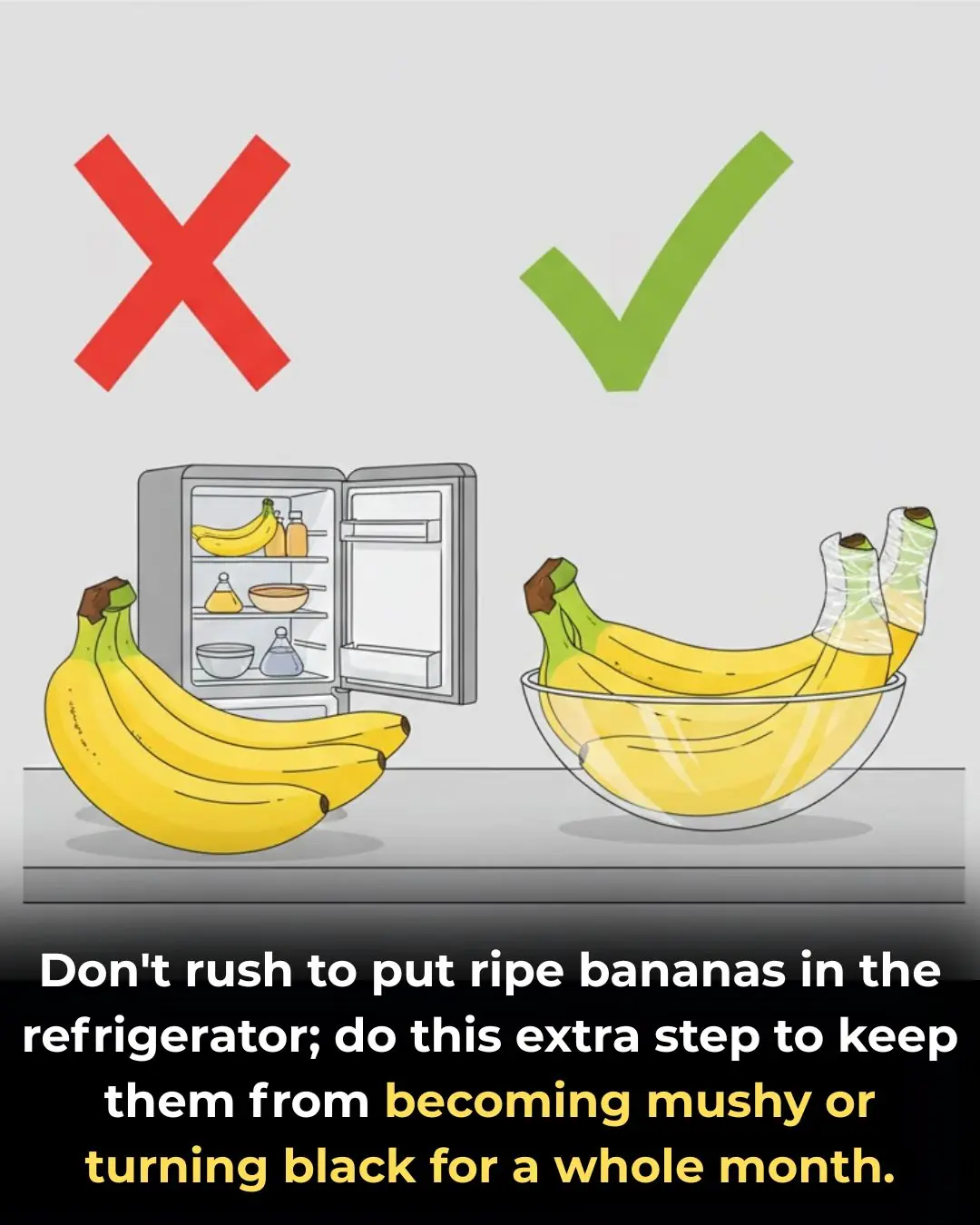
Don't rush to put ripe bananas in the refrigerator; do this extra step to keep them from becoming mushy or turning black for a whole month.
Tips 19/01/2026 20:43

Thunderstorms are dramatic, powerful, and sometimes mesmerizing to watch—yet they remain one of nature’s most underestimated dangers. Each year, countless people are injured or even killed simply because they didn’t take lightning seriously enough. The reality is that most lightning-related accidents are completely preventable if you understand what not to do when a storm rolls in.
Below are 15 critical mistakes to avoid during a thunderstorm—actions that could put your life at risk if you’re not careful.
If you can hear thunder—even faintly—you’re already within striking distance of lightning. Open areas like beaches, fields, parking lots, sports courts, and rooftops create the perfect conditions for lightning to target you, especially if you're the tallest object around. The safest choice is always to head indoors immediately.
Trees offer protection from rain but not from lightning. In fact, tall trees are common targets during storms. If lightning hits the tree, the electrical discharge can travel down the trunk or disperse through the ground, shocking anyone standing nearby. Many lightning injuries occur exactly this way.
Metal conducts electricity with ease. Items such as umbrellas, golf clubs, fishing rods, hiking poles, or metallic tools put you at increased risk. Drop the object and move to a safe, enclosed location right away.
Lightning naturally seeks the highest point in an area. Avoid standing close to flagpoles, cell towers, tall fences, construction scaffolding, or streetlights. The energy from a strike can arc or “jump” outward—and you don’t want to be within reach.
Whether you’re swimming, fishing, kayaking, boating, or simply wading, water becomes extremely unsafe during a thunderstorm. Water conducts electricity across long distances, so a lightning strike even far from you can travel through the water and cause severe injury. Leave the water immediately and seek shelter.
Lightning surges can travel through power lines and enter your home. Plugged-in desktops, televisions, gaming consoles, or landline telephones become potential hazards. Whenever possible, use battery-powered devices until the storm has passed.
It sounds surprising, but sinks, showers, and metal pipes can carry electrical current from a lightning strike. Avoid doing dishes, bathing, hand washing, or running water during the storm to eliminate unnecessary risks.
Windows and doorframes may contain metal that can conduct electricity. Additionally, powerful lightning strikes can shatter nearby glass. Maintain a safe distance and stay toward the interior of your home or building.
Concrete is reinforced with metal rebar, which can channel electricity. Leaning against a wall or lying on a concrete surface puts you directly in contact with these hidden conductors. Move away from concrete surfaces until the danger is over.
If you’re stuck outside with no shelter, lying flat increases your exposure to ground currents—an often-overlooked danger from nearby lightning strikes. Instead, crouch low with minimal contact to the ground while keeping your balance.
High elevations dramatically increase the chance of being struck. Move to lower terrain as quickly as possible, but avoid lying down. The goal is to stay low while minimizing your contact with the ground.
This lifesaving guideline is simple but effective:
If lightning and thunder occur within 30 seconds of each other, the storm is dangerously close.
After the last thunder, wait 30 minutes before returning outdoors.
This rule helps prevent lightning strikes that occur in the storm’s “danger zone,” even when the sky appears to be clearing.
Tents, gazebos, picnic shelters, and small wooden structures offer almost no protection from lightning. They don’t have metal frames or electrical grounding to redirect a strike. If you can’t reach a building, an enclosed metal vehicle is the next safest option.
Open vehicles leave you fully exposed. Motorcycles, golf carts, ATVs, bicycles, and convertibles provide no safety from lightning. If you’re driving and can’t reach shelter, stop safely, stay inside the vehicle, and avoid touching metal components.
This is one of the most dangerous misconceptions. Lightning often strikes before the storm arrives and after it passes—sometimes miles away from the storm clouds. Always wait at least 30 minutes after the final thunderclap before continuing outdoor activities.
Thunderstorms are awe-inspiring, but they demand respect. Awareness and quick decision-making can literally save your life. The best protection is prevention: the moment you hear thunder, treat it as a warning and get to a safe place. By avoiding these 15 risky behaviors, you significantly reduce the chance of becoming a lightning-related statistic.