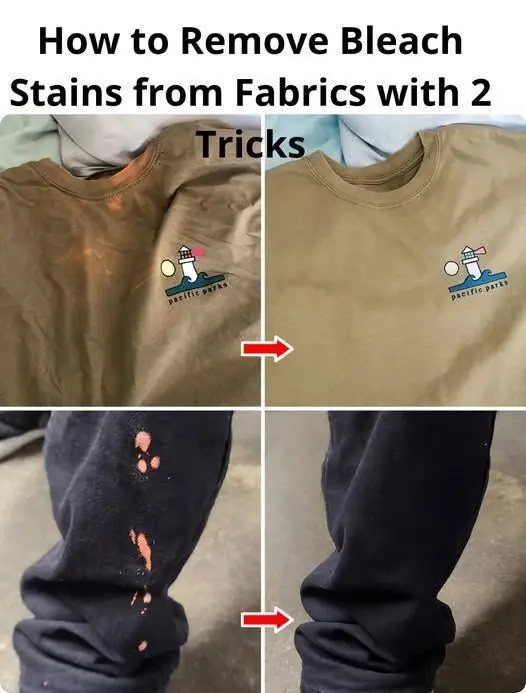
How to Fix Bleach Stains on Colored Clothes
Tips 02/05/2026 10:03
Noticing a red, scaly patch on your forehead that doesn’t seem to heal can be unsettling. When it lingers for weeks or even months, it’s natural to feel worried—especially if you can’t get immediate answers from a doctor. While not every stubborn skin patch is dangerous, understanding the possible causes is essential for both your peace of mind and your long-term skin health.
One possible explanation for a persistent, rough patch on sun-exposed skin is actinic keratosis, a common but often misunderstood condition. Although it may initially appear harmless, actinic keratosis deserves attention because, in some cases, it can progress into a more serious form of skin cancer. This article explores what actinic keratosis is, how to recognize it, what causes it, and what steps you should take if you suspect you may have it.
Actinic keratosis—also called solar keratosis—is a skin condition caused by long-term exposure to ultraviolet (UV) radiation. It develops gradually, often after years of sun exposure, and is considered precancerous because it has the potential to evolve into squamous cell carcinoma.
These lesions typically appear on areas of the body that receive the most sun, such as the forehead, face, ears, scalp, neck, chest, forearms, hands, and lips. Actinic keratoses often feel rough or sandpaper-like and may be easier to feel than see at first.
They usually present as small, scaly patches that range in color from flesh-toned to red or brown. While many are painless, some can itch, sting, or become tender, especially when rubbed or exposed to sunlight.
The hallmark sign of actinic keratosis is a dry, rough, or scaly patch of skin, generally less than one inch (2.5 cm) in diameter. These patches may be flat or slightly raised and can vary in appearance over time.
Additional symptoms may include:
Mild itching or burning
A prickling or tingling sensation
Inflammation or redness
Occasional bleeding or crusting
Because actinic keratosis can resemble other skin conditions—such as eczema, psoriasis, or simple sun damage—professional evaluation is crucial for an accurate diagnosis.
The primary cause of actinic keratosis is cumulative UV exposure from sunlight or tanning beds. The risk increases with age, as sun damage builds up over many years rather than occurring all at once.
People at higher risk include:
Individuals with fair or light skin
Those with blue or green eyes and blond or red hair
People who live in sunny or high-altitude regions
Individuals with weakened immune systems
Anyone with a personal or family history of skin cancer
Frequent sunburns earlier in life significantly increase the likelihood of developing actinic keratosis later on.
Ultraviolet radiation penetrates the skin and damages the DNA within skin cells. Over time, this damage interferes with normal cell repair and regeneration, leading to abnormal growth patterns.
Chronic sun exposure contributes not only to actinic keratosis but also to:
Premature skin aging
Wrinkles and fine lines
Sunspots and discoloration
Increased risk of skin cancers
This makes sun protection one of the most important preventive measures you can take for your skin.
Any skin lesion that does not heal, continues to grow, or changes in color or texture should be evaluated by a healthcare professional. Early detection of actinic keratosis greatly reduces the risk of complications.
Seek medical advice promptly if the patch:
Becomes painful or itchy
Bleeds or crusts repeatedly
Changes rapidly in appearance
Spreads or multiplies
A dermatologist can confirm the diagnosis and recommend appropriate treatment.
Treatment depends on the size, location, and number of lesions. Common medical treatments include:
Cryotherapy: Freezing the lesion with liquid nitrogen
Topical medications: Such as 5-fluorouracil, imiquimod, or diclofenac
Photodynamic therapy: Using light to activate a photosensitive medication
Surgical removal: In cases where lesions are thick or suspicious
Most treatments are highly effective when actinic keratosis is caught early.
You may find online claims promoting home remedies like apple cider vinegar, coconut oil, or aloe vera. While these substances may soothe the skin, there is little scientific evidence that they can treat actinic keratosis effectively.
Relying on unproven remedies can delay proper medical care and increase the risk of progression. Always consult a healthcare provider before attempting any home-based treatment.
Routine skin examinations are essential for detecting actinic keratosis and other skin abnormalities early. Dermatologists can identify lesions that you may overlook and monitor changes over time.
Annual skin checks are especially important if you:
Have a history of sun exposure
Have fair or sensitive skin
Have had actinic keratosis or skin cancer before
Early intervention leads to better outcomes and fewer complications.
Preventing further sun damage is key to stopping new lesions from forming. Protective strategies include:
Using broad-spectrum sunscreen (SPF 30 or higher) daily
Reapplying sunscreen every two hours outdoors
Wearing hats, sunglasses, and protective clothing
Seeking shade during peak sun hours
Avoiding tanning beds entirely
Consistent sun protection can significantly reduce future risk.
If you’re unable to reach your regular doctor, consider scheduling a telemedicine consultation with a dermatologist. Many skin conditions, including actinic keratosis, can be initially evaluated through photos or video visits.
In the meantime, keep track of any changes in the lesion’s size, color, or symptoms. If you notice signs of infection, severe pain, or rapid growth, seek urgent medical care.
With early diagnosis and proper treatment, the outlook for actinic keratosis is generally very good. However, because sun damage accumulates over time, new lesions may continue to appear.
Long-term prevention focuses on:
Ongoing sun protection
Regular skin screenings
Early treatment of new lesions
By staying proactive, you can protect your skin and reduce the risk of more serious conditions in the future.