You Cut Open a Watermelon and Saw Cracks? Stop Eating It Immediately! Here's What It Really Means
Facts 15/06/2026 21:09
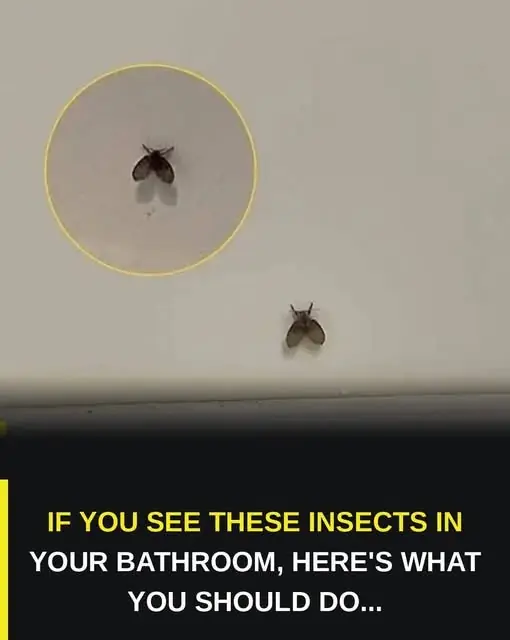
Tiny Flies in Your Bathroom …They Could Be a Sign of a Hidden Plumbing Problem
Have you noticed tiny, moth-like flies hovering around your bathroom sink, shower, or drains?
At first, they may seem harmless—a random insect that wandered indoors. But if they keep appearing, there’s a good chance you’re dealing with drain flies, also known as sewer flies or shower flies.
While these insects are generally more annoying than dangerous, their presence often points to an underlying issue inside your plumbing system. Understanding why they’re there—and how to get rid of them—can help prevent a small nuisance from becoming a persistent problem.
Drain flies are tiny insects commonly found in damp areas where organic matter accumulates.
They are easy to recognize because of their distinctive appearance:
Unlike houseflies, drain flies rarely travel far from their breeding sites. They’re usually found resting on bathroom walls, near sinks, around drains, or in other humid areas of the home.
The most common reason is the buildup of organic debris inside drains and pipes.
Over time, substances such as:
can form a slimy layer inside plumbing systems.
This moist buildup creates the perfect environment for drain flies to lay their eggs and for larvae to develop.
Even if your bathroom appears spotless on the surface, the real problem may be hidden inside the pipes.
Several factors can encourage drain fly infestations, including:
Accumulated debris provides food and breeding grounds for larvae.
Drain flies thrive in areas where water remains stagnant for long periods.
Bathroom drains often collect materials that create ideal breeding conditions.
Hidden leaks can create consistently damp environments that attract insects.
Guest bathrooms, basement sinks, and unused showers often become breeding sites because water sits undisturbed.
Drain flies often reveal themselves through a few common clues:
✔ Small flies resting on bathroom walls
✔ Insects hovering near sinks, showers, or drains
✔ Slow-draining water
✔ Persistent musty or unpleasant odors
✔ Flies repeatedly appearing despite cleaning surfaces
Because they breed inside plumbing systems, simply cleaning visible areas may not solve the problem.
Many homeowners try to eliminate drain flies with insecticides.
Unfortunately, this only targets the adult flies.
The eggs and larvae remain safely hidden inside the drains, where they continue developing.
Within days, a new generation often emerges, making it seem as though the treatment failed.
To eliminate drain flies permanently, the breeding source must be removed.
One simple method is the tape test.
If flies are trapped underneath, you’ve likely identified the drain where they are breeding.
This technique can be especially useful if you have multiple bathrooms or drains in the home.
Remove the drain cover and clear out:
A flexible drain-cleaning brush can help scrub the inside walls of the pipe where larvae often hide.
Carefully flushing the drain with hot water may help loosen buildup.
However, avoid extremely hot water if your plumbing system contains older or fragile pipes.
Enzyme-based cleaners break down organic material without damaging most plumbing systems.
These products can be particularly useful for ongoing maintenance and prevention.
Drain flies thrive in humid environments.
Reducing moisture can make your bathroom much less attractive to them.
Simple steps include:
Good airflow can significantly reduce humidity levels.
Some homeowners use simple traps to reduce the number of adult flies.
A common method involves placing:
in a small container near the affected drain.
The vinegar attracts flies, while the soap breaks the liquid’s surface tension, trapping them.
While these traps may reduce the number of visible insects, they won’t eliminate the infestation unless the breeding source inside the drain is removed.
Sometimes drain flies indicate a more serious plumbing issue.
Consider contacting a plumber if you notice:
A professional inspection can identify deeper blockages or plumbing defects that may be contributing to the problem.
Preventing drain flies is usually much easier than eliminating an established infestation.
Helpful habits include:
✔ Cleaning drains regularly
✔ Removing hair and debris before they accumulate
✔ Keeping bathrooms well ventilated
✔ Repairing leaks promptly
✔ Flushing rarely used drains occasionally
✔ Using enzyme cleaners periodically for maintenance
These simple steps can greatly reduce the likelihood of future infestations.
Drain flies may seem like a minor annoyance, but they often serve as a warning sign that moisture, organic buildup, or plumbing issues are developing behind the scenes.
The good news is that they are usually relatively easy to eliminate once the source is identified and cleaned properly.
If you suddenly notice tiny flies gathering around your sink or shower, don’t ignore them. A little maintenance today could prevent a much larger plumbing problem tomorrow.



How many chickens can you spot in this pic?

Which Animal Doesn’t Belong

How Many Rabbits Can You Spot

Signs Your Deceased Loved Ones May Be Reaching Out to You







Narcissistic Personality Disorder Signs

Study identifies possible connection to autism development


How many chickens can you spot in this pic?