Reducing Prostate Discomfort Naturally with a Tomato and Garlic Drink
Health 01/03/2026 22:37
Iron Deficiency: Understanding Symptoms, Causes, and Solutions
Iron deficiency is a common condition that can lead to a variety of symptoms, including constant fatigue, a lack of energy, pale skin, and frequent headaches. When the body doesn’t have enough iron, it struggles to produce hemoglobin, which is the protein in red blood cells responsible for transporting oxygen throughout the body. As a result, iron deficiency can lead to anemia, tiredness, and difficulty breathing.
Signs of Iron Deficiency
In many cases, iron deficiency symptoms are mild, making them easy to overlook or attribute to stress. Many individuals dismiss tiredness, weakness, and headaches as symptoms of daily life struggles. However, according to the Mayo Clinic, there are several additional signs that your body may be lacking iron:
Pale skin
Chest pain or discomfort
Rapid heartbeat
Shortness of breath, especially during physical activity
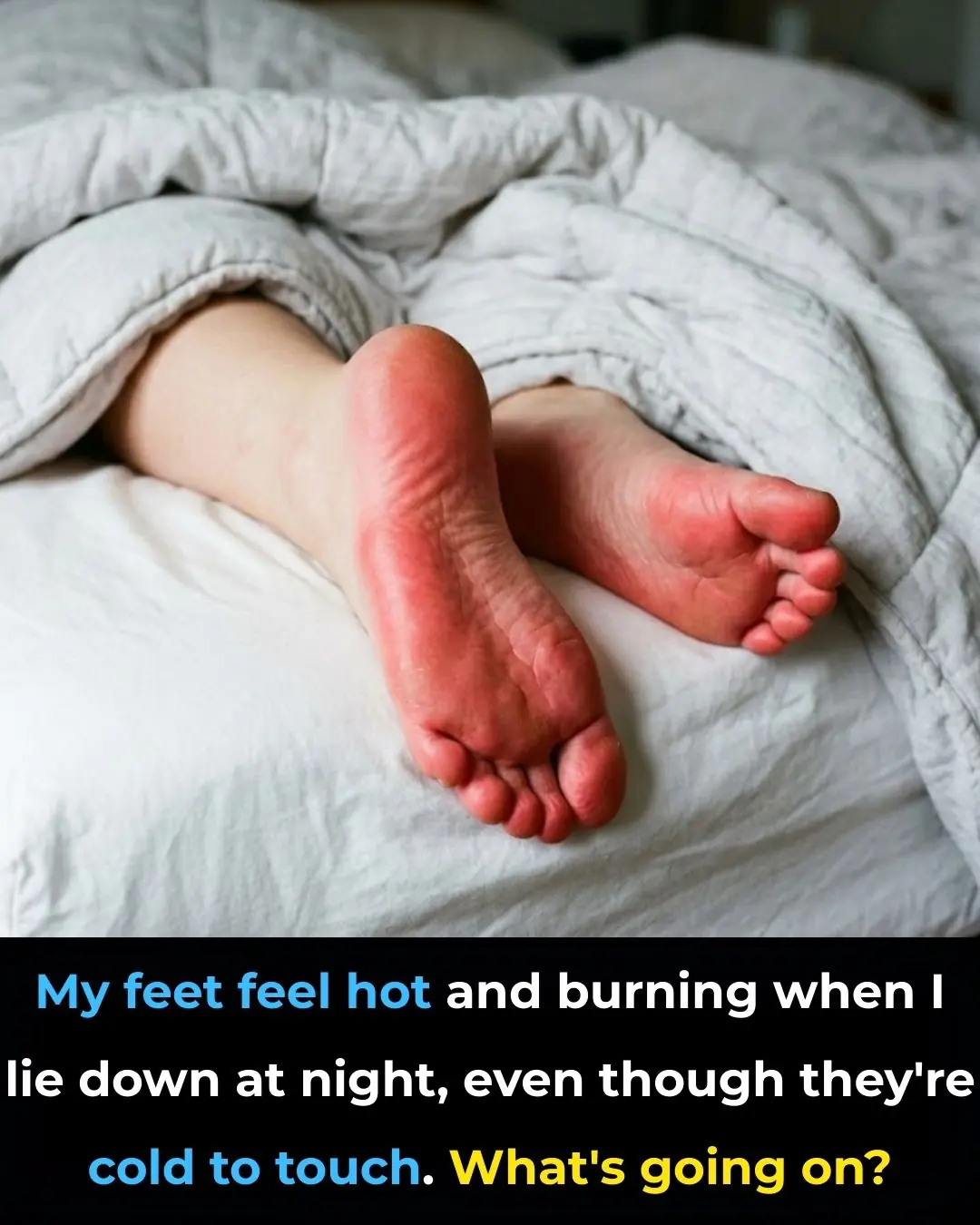
Cold hands and feet, even in warm temperatures
Brittle or weak nails
Poor appetite
Inflammation or soreness of the tongue
If you suspect you have an iron deficiency, it’s important to see a doctor who can perform a blood test to check your iron levels. In addition, tests like the MCHC, RDW, MCH, and Hematocrit can help identify anemia and confirm whether low iron is due to a more serious health condition, such as internal bleeding.
Causes of Iron Deficiency
Several factors can contribute to an iron deficiency leading to anemia. While anyone can suffer from this condition, certain groups are at higher risk. Common causes of iron deficiency include:
Inadequate Iron Intake: A lack of iron-rich foods in the diet can prevent the body from maintaining healthy blood levels, eventually leading to anemia. To maintain iron levels, it’s crucial to consume a variety of iron-rich foods daily.
Heavy Menstrual Periods: Many women face the risk of iron deficiency due to heavy menstrual bleeding, which leads to a loss of red blood cells at a rate that exceeds the body’s ability to replace them.
Pregnancy: During pregnancy, extra iron is required to support the baby’s blood supply. As the demand for iron increases, it can lead to a deficiency, particularly if the mother’s iron intake is not sufficient.
Abnormal Bleeding: Conditions like stomach ulcers, gastrointestinal cancers, and the long-term use of medications such as aspirin or ibuprofen can cause internal bleeding, which depletes the body’s iron stores.
Impaired Iron Absorption: Some medical conditions, such as celiac disease, inflammatory bowel disease, or damage to the esophagus, can interfere with the body’s ability to absorb iron from food.
How Much Iron Do We Need?
Ensuring that your body gets the right amount of iron is essential for maintaining health. According to the National Institutes of Health, the recommended daily intake of iron varies based on age, gender, and specific health conditions:
Infants (7-12 months): 11 mg
Children (1-13 years): 7-10 mg
Women (14-50 years): 15-18 mg
Pregnant women: 27 mg
Men (14-50 years): 8-11 mg
Men and women over 50: 8 mg
Improving Iron Absorption from Food
Even if you are consuming enough iron, your body might still struggle to absorb it effectively. Dr. Christine Mikstas, writing for WebMD, suggests that pairing iron-rich foods with vitamin C can significantly enhance iron absorption. Foods high in vitamin C include citrus fruits, bell peppers, broccoli, and tomatoes, which can help your body absorb iron more efficiently.
Foods That Interfere with Iron Absorption
Certain foods, although healthy, can hinder the absorption of iron. According to doctors from the Mayo Clinic, foods high in calcium, fiber, spinach, eggs, and dairy products may reduce the amount of iron your body can absorb. Specifically:
Oxalic Acid: Found in vegetables like spinach, oxalic acid binds to iron, inhibiting its absorption.
Phytic Acid: Present in whole grains, phytic acid can block iron absorption by binding to the mineral, preventing its uptake by the body.
Polyphenols: Found in coffee, tea, and chocolate, polyphenols can interfere with iron absorption due to their high antioxidant content.
How to Increase Iron Levels in Your Blood
If you are at risk for iron deficiency or already experiencing symptoms, there are several effective strategies for increasing iron levels naturally:
Eat Iron-Rich Foods: There are two main types of dietary iron:
Heme iron: Found in animal products like lean red meat, poultry, and seafood, heme iron is easily absorbed by the body.
Non-heme iron: Found in plant-based foods like beans, leafy greens, and fortified cereals, non-heme iron is not as easily absorbed. However, consuming vitamin C-rich foods alongside non-heme iron can enhance its absorption.
Use Iron-Enriched Foods: Many foods are fortified with iron, including cereals, bread, and pasta. These can be an excellent addition to your diet, especially if you avoid animal products.
Cook with Cast Iron Cookware: Cooking with cast iron pans can naturally increase the iron content of your food. When you prepare food in an iron pot, some of the metal leaches into the food, making it a practical way to boost iron levels.
Iron Supplements: For those who struggle to get enough iron through food, supplements can be an effective solution. However, it’s important to consult a doctor before starting supplementation to avoid side effects from excessive iron intake.
Check Vitamin B12 Levels
In some cases, anemia may be linked to a deficiency in vitamin B12, as this vitamin is crucial for the production of red blood cells. Dr. Gregory Thompson from WebMD explains that a lack of B12 can also lead to nerve damage and cognitive issues, such as memory problems. Good sources of vitamin B12 include beef liver, clams, chicken breast, and fortified cereals.
Conclusion
Iron deficiency is a widespread issue that can lead to serious health problems if left unchecked. By consuming a balanced diet rich in iron, making smart food pairings to enhance absorption, and considering supplements when necessary, you can manage or prevent iron deficiency. Regular check-ups with your doctor will ensure that your iron levels remain optimal, reducing the risk of anemia and its associated symptoms. By following these guidelines, you can maintain a healthy body and avoid the complications caused by inadequate iron levels.