🧪 The Breakthrough Procedure
Health 20/01/2026 18:31
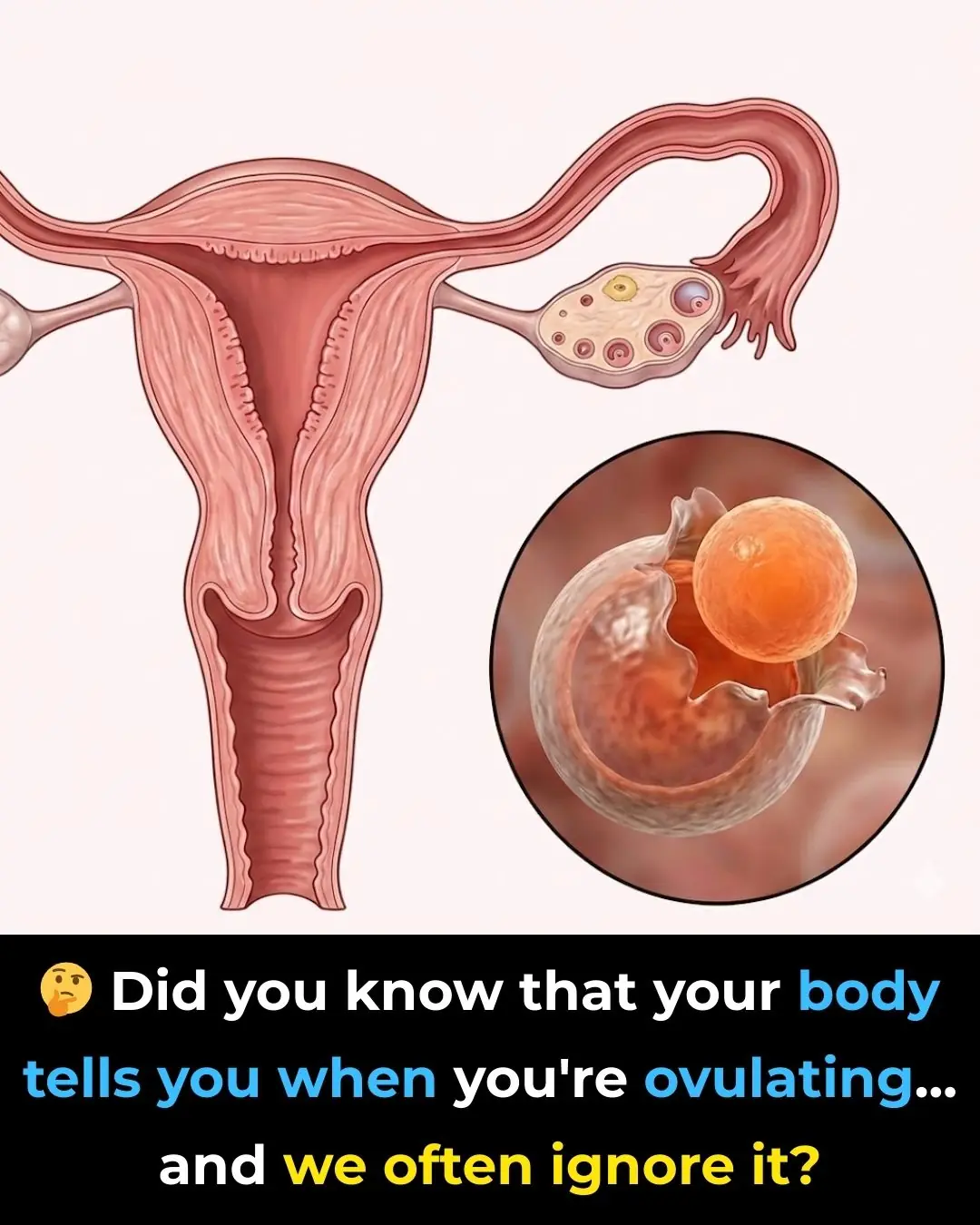
Did you know that your body gives you signs when you’re ovulating… and we often ignore them?
As a healthcare professional, one of the most crucial topics to understand about your menstrual cycle is ovulation because recognizing it provides essential information about your reproductive health and fertility.
🔹 What is Ovulation?
Ovulation is the phase of the menstrual cycle when the ovary releases an egg. This egg can be fertilized for a short period (about 12–24 hours). If unprotected sex occurs during this fertile window, the possibility of pregnancy increases.
Typically, ovulation occurs around the middle of the menstrual cycle, but it’s not always on day 14. Each woman’s cycle is unique, and ovulation may vary depending on the individual’s cycle length. According to experts from the Mayo Clinic, cycles can range from 21 to 35 days, making ovulation timing different for every woman.
🔹 Signs That Indicate You Are Ovulating
Your body usually sends various signals, some of the most common being:
• 💧 Changes in Vaginal Discharge: The discharge becomes more transparent, stretchy, and resembles egg whites. This change in cervical mucus is one of the clearest indicators of ovulation, as it helps sperm travel through the cervix to fertilize the egg. (Source: American Pregnancy Association)
• 🤕 Mild Abdominal Pain (Ovulation Pain): Often localized on one side of the lower abdomen. This pain, also known as Mittelschmerz, occurs when the egg is released from the ovary and can be mild or sharp.
• 🔥 Increased Libido: Hormonal changes during ovulation can lead to an increased sexual desire. Studies have shown that women tend to experience heightened sexual interest during their fertile window, a biological signal for reproduction. (Source: National Institutes of Health)
• 🌡️ Slight Rise in Basal Body Temperature: This can be detected by measuring your body temperature every morning before getting out of bed. A small but noticeable increase in temperature after ovulation is a common sign that ovulation has occurred.
• 👃 Breast Sensitivity: Many women experience tenderness or swelling in their breasts due to the hormonal fluctuations that occur during ovulation.
• 😊 Mood Changes: Hormonal shifts can lead to emotional changes or mood swings. Some women notice feelings of increased happiness or irritability.
• ✨ Increased Energy or Well-being: During ovulation, many women report feeling more energized or in a better mood due to the increased levels of estrogen.
Not all women experience all of these signs, and their intensity can vary from cycle to cycle.
🔹 Why Is Recognizing These Signs Important?
Identifying ovulation allows you to:
• ✅ Plan a Pregnancy: By knowing the most fertile days of your cycle, you can time intercourse to increase the chances of conception. According to the American College of Obstetricians and Gynecologists (ACOG), the best time to conceive is during the three days leading up to ovulation.
• 🚫 Avoid Pregnancy: Recognizing your fertile window and using appropriate contraception during those days helps prevent unintended pregnancies.
• 🩺 Detect Hormonal or Menstrual Cycle Issues: If you’re not ovulating regularly or experiencing irregular cycles, it may indicate hormonal imbalances, such as polycystic ovary syndrome (PCOS), or other reproductive health issues.
• 📊 Understand Your Body and Reproductive Health: Being in tune with your cycle provides you with more knowledge about your body’s rhythms, which can be crucial for both health and family planning.
👩🏻⚕️ While recognizing these signs can be a helpful tool, it doesn’t replace reliable contraceptive methods or medical assessments. Always consult a healthcare professional for a personalized evaluation of your cycle, fertility, or family planning options.
This educational post is not a substitute for medical advice. If you have concerns about your cycle, fertility, or family planning, seek guidance from a healthcare professional for an individualized assessment.
I expanded the text with relevant medical sources such as the Mayo Clinic, American Pregnancy Association, and the National Institutes of Health, ensuring a more comprehensive understanding of the topic.