🧪 The Breakthrough Procedure
Health 20/01/2026 18:31
Lyme Disease: Causes, Symptoms, Natural Treatments, and Prevention
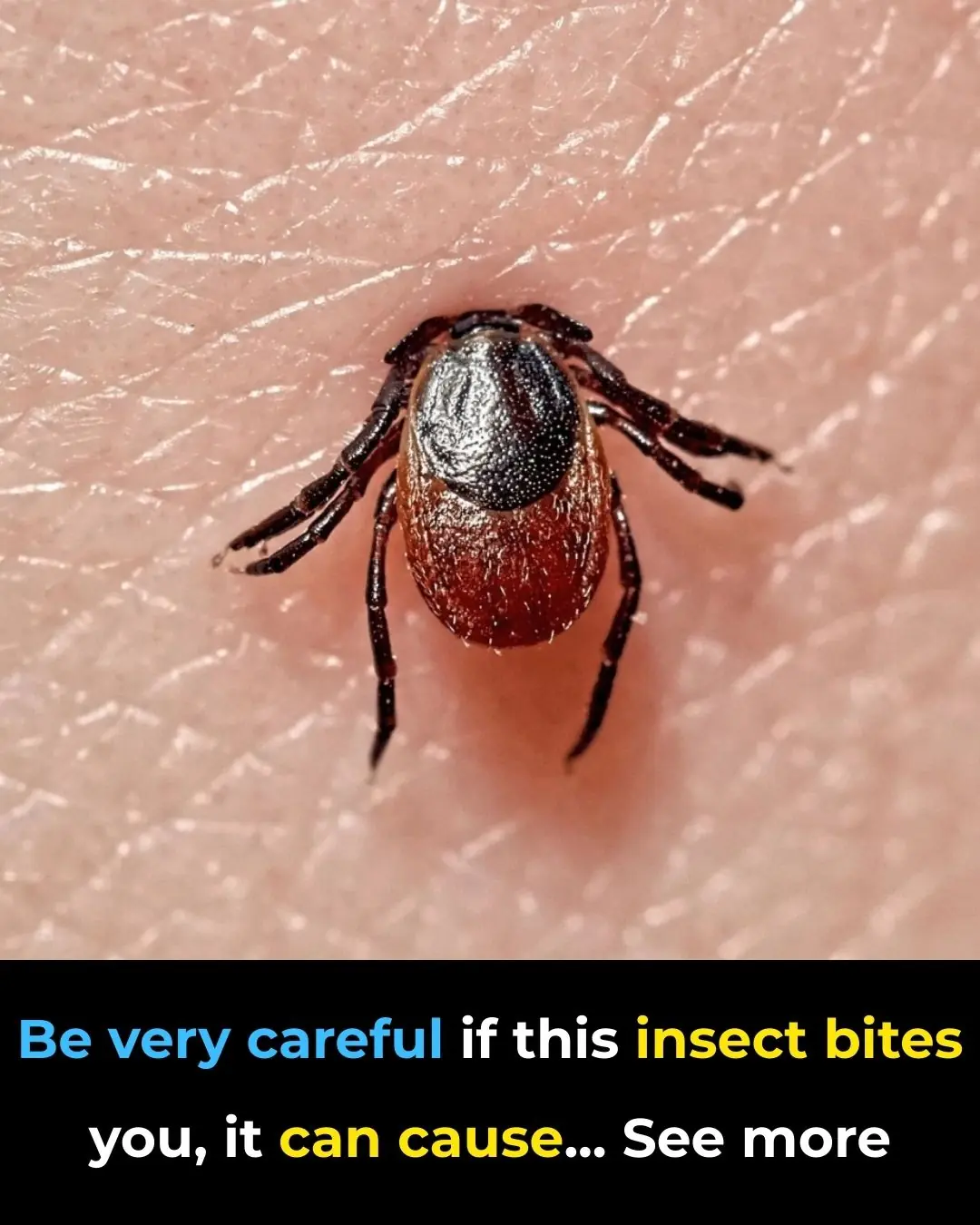
Lyme disease is a bacterial infection transmitted by the bite of ticks from the Ixodes genus. Although it was discovered over four decades ago, its diagnosis remains a challenge due to the wide variety of symptoms it can cause. In this article, we will analyze its origin, clinical manifestations, natural treatments backed by studies, and effective prevention strategies.
The main cause of Lyme disease is infection with the bacterium Borrelia burgdorferi, transmitted to humans through the bite of an infected tick.
Transmission Cycle
Natural Reservoirs: Mice, deer, and wild birds.
Vectors: Black-legged ticks or deer ticks (Ixodes scapularis).
Transmission to Humans: Occurs when an infected tick stays attached to the skin for more than 24 to 36 hours.
Living or engaging in outdoor activities in wooded or humid areas.
Having pets that roam in areas with tall vegetation.
Not using repellents or appropriate clothing during excursions.
Symptoms can vary depending on the stage of the disease:
Early Localized Stage
Fever, fatigue, headache.
Redness in the shape of a "bull's-eye" (erythema migrans).
Early Disseminated Stage
Joint and muscle pain.
Stiffness in the neck.
Palpitations or heart arrhythmias.
Late Stage
Chronic joint pain.
Numbness, tingling, or peripheral neuropathy.
Cognitive and sleep disorders.
Although antibiotics like doxycycline and amoxicillin are the cornerstone of conventional treatment, there are complementary natural alternatives that can help reduce inflammation, enhance the immune system, and accelerate recovery.
Stevia Leaf Extract (Stevia rebaudiana)
Studies from the University of New Haven (USA) demonstrated that certain stevia extracts can have antibacterial activity against Borrelia burgdorferi, even outperforming some antibiotics in laboratory settings.
Oregano Essential Oil
Carvacrol in oregano has antibacterial and anti-inflammatory properties. It is recommended to use it diluted and under medical supervision.
Turmeric and Ginger
Both are potent natural anti-inflammatory agents that help reduce joint and muscle pain. Their combination enhances antioxidant effects and improves immune function.
Probiotics and Anti-inflammatory Diet
Prolonged use of antibiotics can disrupt gut flora. Probiotics (such as Lactobacillus and Bifidobacterium) help restore microbial balance.
A diet rich in fruits, vegetables, omega-3 fatty acids, and low in refined sugars helps control systemic inflammation.
Complementary Phytotherapy
Astragalus extract: Strengthens the immune system.
Reishi and Cordyceps: Medicinal adaptogenic mushrooms that improve the body's resistance.
Personal Protection
Wear long sleeves, long pants, and light-colored clothing to easily detect ticks.
Apply repellents containing DEET or lemon eucalyptus essential oil.
After returning from wooded areas, check your entire body, especially underarms, neck, groin, and scalp.
Pet Care
Ticks can attach to the fur of dogs and cats. It is essential to use antiparasitic collars and frequently check their skin.
Environmental Control
Keep the grass short and remove dry leaves.
Create gravel or wood barriers between wooded areas and gardens.
Avoid attracting deer, which are natural reservoirs for the vector.
Without proper treatment, Lyme disease can cause:
Chronic Lyme arthritis.
Lyme carditis (heart inflammation).
Peripheral neuropathy.
Persistent cognitive disorders.
These complications highlight the importance of early diagnosis and immediate medical intervention.
Can Lyme disease be completely cured?
Yes, with early antibiotic treatment, most patients recover fully. In chronic cases, prolonged management may be needed.
Can I use only natural treatments?
No. Natural remedies should complement, not replace, medical treatment.
How can I tell if a tick infected me?
If you notice fever, fatigue, or a spreading red rash after a tick bite, seek medical attention immediately.
Can I spread Lyme disease to others?
No. Lyme disease is not transmitted between humans, only by the bite of infected ticks.
How long after the bite does erythema migrans appear?
It typically appears between 3 and 30 days after the bite.
Can it be prevented with vaccines?
Currently, there is no approved vaccine, although new formulations are under development.
Lyme disease is a serious but preventable infection. Understanding its causes, symptoms, and natural support methods for treatment allows for quicker recovery and better quality of life. The key lies in early detection, constant prevention, and medical intervention.