The Surprising Health Benefits of Boiled Eggs
Health 20/01/2026 13:26
🦴 Knee Osteoarthritis: When Movement Starts to Hurt
As a physician, I often hear a similar sentence during consultations:
“Doctor, I used to walk without any problem… now every step feels difficult.”
Behind this story, knee osteoarthritis is frequently the underlying cause.
Knee osteoarthritis is one of the most common joint disorders worldwide and a leading cause of pain, disability, and reduced mobility, especially among middle-aged and older adults. According to the World Health Organization (WHO), osteoarthritis affects hundreds of millions of people globally and its prevalence continues to rise due to population aging and increasing obesity rates.
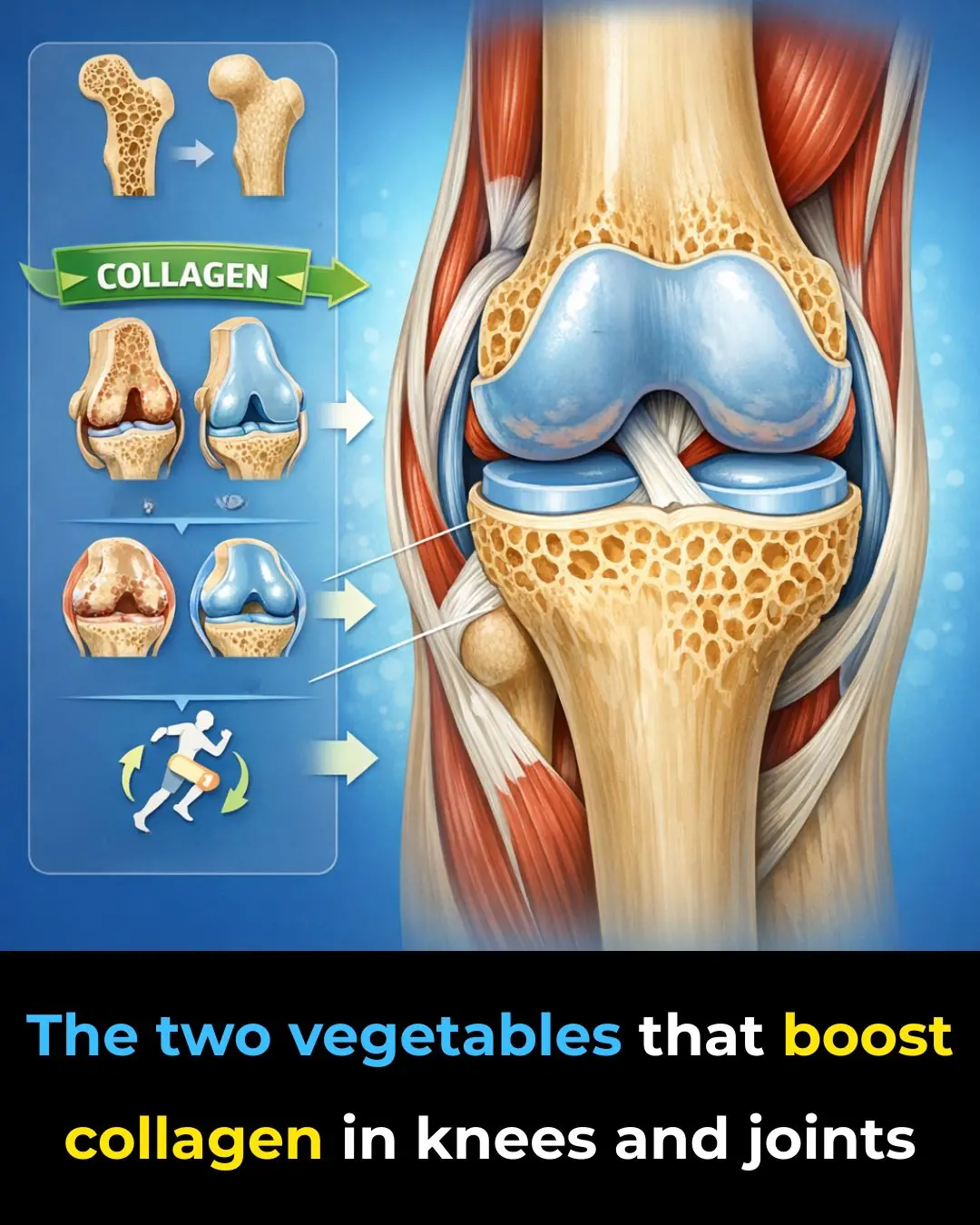
Knee osteoarthritis is a degenerative joint disease characterized by the progressive wear and tear of the cartilage that covers the ends of the bones forming the knee joint. This cartilage normally acts as a smooth, protective cushion that allows painless and fluid movement.
As the cartilage gradually deteriorates, the joint loses its natural shock absorption. The bones begin to rub against each other, leading to pain, inflammation, stiffness, and functional limitation. Over time, structural changes may occur, including bone spurs (osteophytes), joint space narrowing, and deformity of the joint.
Knee osteoarthritis does not develop overnight. It is the result of a complex interaction of mechanical, biological, and genetic factors. The most common causes and risk factors include:
Aging and natural joint degeneration, which remains the strongest risk factor.
Overweight and obesity, as excess body weight significantly increases the load placed on the knee joint with every step.
Previous knee injuries, such as fractures, meniscus tears, or ligament injuries, which can alter joint mechanics.
Repetitive joint use, often related to certain occupations or high-impact sports.
Abnormal leg alignment, such as bow legs or knock knees, which unevenly distribute pressure across the joint.
Genetic predisposition, as osteoarthritis can run in families.
The U.S. National Institute of Arthritis and Musculoskeletal and Skin Diseases (NIAMS) emphasizes that even moderate weight gain can substantially increase the risk of developing knee osteoarthritis, while weight loss can reduce symptoms and slow progression.
Symptoms of knee osteoarthritis usually appear gradually and worsen over time. Common signs include:
Pain in the knee, especially during walking, climbing stairs, standing up, or after prolonged activity.
Stiffness, particularly in the morning or after periods of rest.
Swelling or a sensation of knee fullness, due to inflammation.
Crackling or popping sounds (crepitus) during movement.
Reduced range of motion, making daily activities more difficult.
In advanced stages, visible joint deformity and persistent pain even at rest.
The Mayo Clinic notes that symptom severity does not always correlate perfectly with imaging findings; some patients may experience significant pain even with moderate structural damage.
Medical assessment is essential for several reasons:
It allows confirmation of the diagnosis and exclusion of other causes of knee pain, such as inflammatory arthritis or ligament injuries.
It helps determine the stage and severity of joint damage through clinical examination and imaging when necessary.
Early diagnosis enables timely treatment, which may slow disease progression.
Proper management can significantly reduce pain, improve mobility, and enhance quality of life.
In many cases, appropriate care can delay or even avoid the need for surgical interventions, such as knee replacement.
Evidence-based guidelines from organizations such as the American College of Rheumatology highlight the importance of a comprehensive approach that includes patient education, lifestyle modification, physical therapy, and, when needed, pharmacological treatment.
Knee osteoarthritis is a chronic condition, but it does not have to mean the end of an active life. With early recognition, appropriate medical guidance, and individualized management, many patients can continue to move with less pain and greater confidence.
⸻
This article is for educational purposes only and does not replace a medical consultation. If you experience persistent knee pain, stiffness, swelling, or difficulty walking, seek evaluation from a qualified healthcare professional.