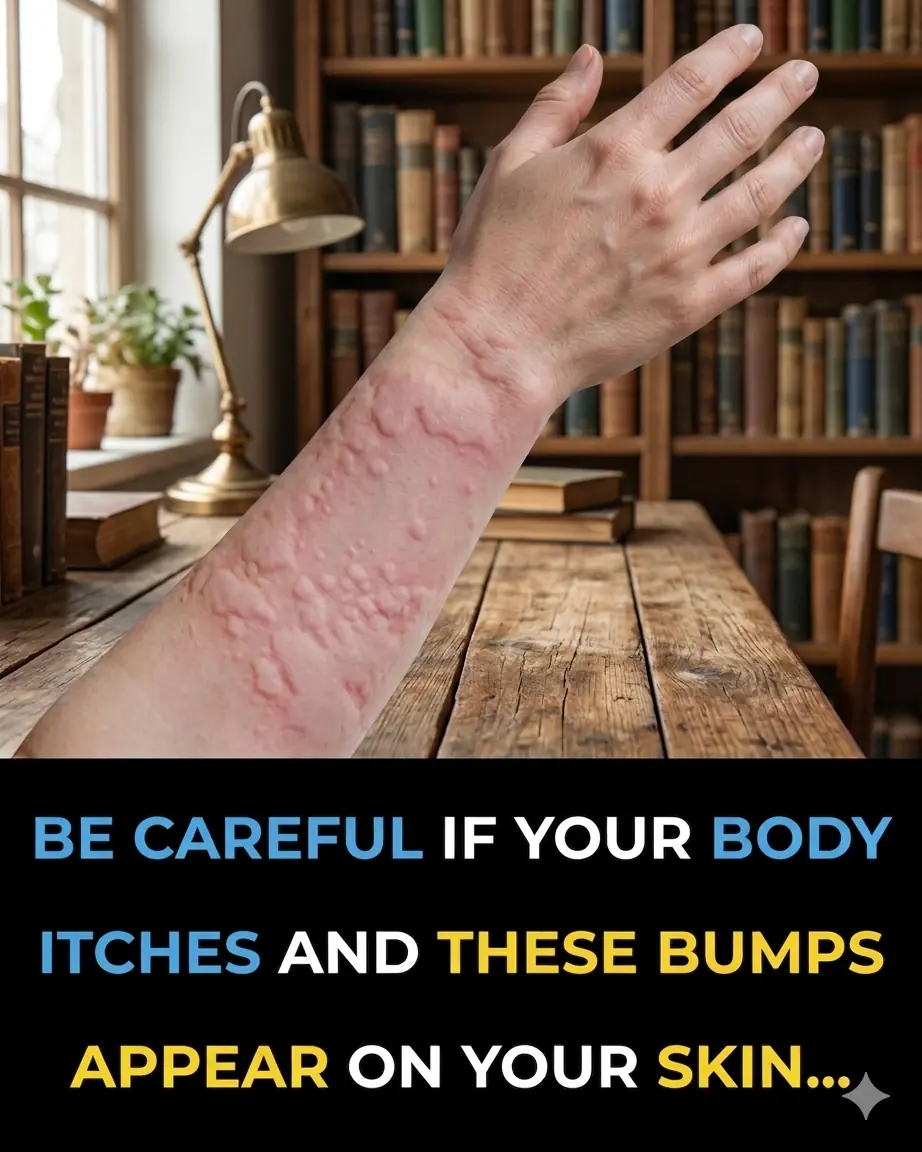
Unexpected Triggers of Hives: What Your Skin Might Be Trying to Tell You
Health 03/04/2026 08:49
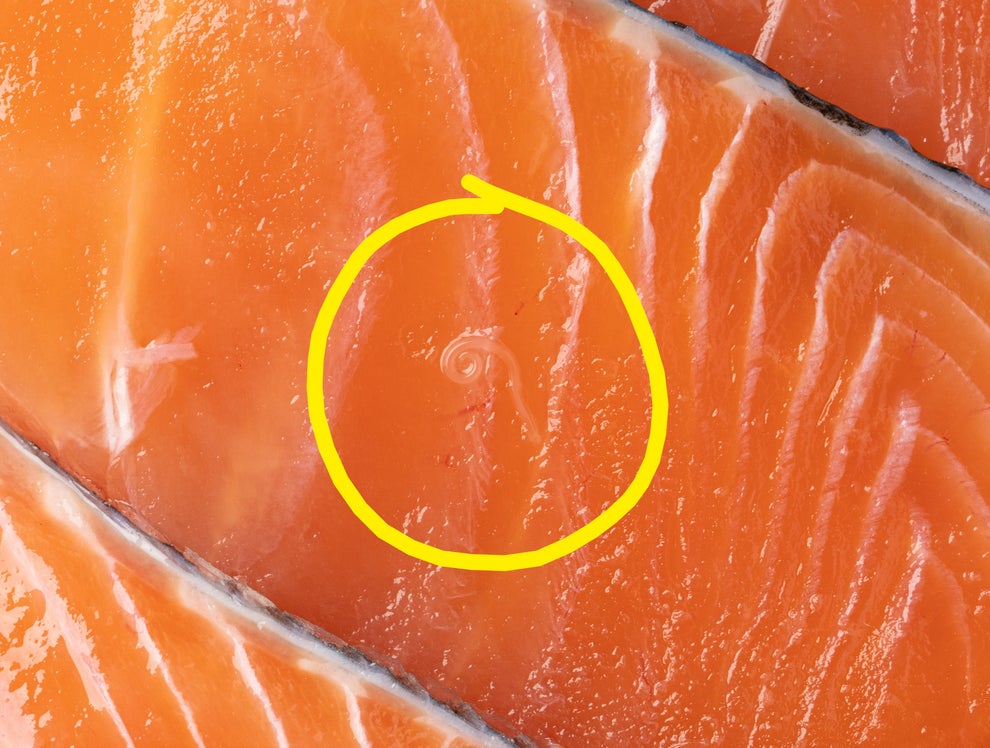
A recent study by the U.S. Centers for Disease Control and Prevention (CDC) has revealed that Alaskan salmon could be infected with Japanese broad tapeworm, a parasite previously thought to be confined to fish in Asia.
According to the CDC's findings, salmon caught along the entire Pacific coast of North America and Asia could harbor the Diphyllobothrium nihonkaiense tapeworm larvae. Researchers are concerned that if consumers eat this fish undercooked or raw, they could become hosts to this potentially gruesome parasite.
These new findings are based on an examination of 64 wild salmon from five different species caught off the Alaskan coast. Samples of pink salmon were specifically found to contain Japanese broad tapeworm larvae, some measuring 8–15 mm long.
The CDC identifies four types of Pacific salmon that could potentially host the Japanese broad tapeworm:
Chum salmon (Oncorhynchus keta)
Masu salmon (O. masou)
Pink salmon (O. gorbuscha)
Sockeye salmon (O. nerka)
Consuming raw or undercooked salmon in dishes like sushi, sashimi, and ceviche significantly increases the risk of tapeworm infection. The CDC states that these parasites can only be destroyed when fish is adequately cooked or completely frozen.
Important Note: When commercially caught salmon is placed on ice for transport to port, it is refrigerated, not frozen, meaning the risk of infection remains. To kill the tapeworm, the fish must be thoroughly frozen.
If you consume salmon sushi from a restaurant or store, you should assume it is unsafe unless you are certain the salmon has been previously frozen. Additionally, cooking salmon thoroughly is essential to kill the parasite.
Tapeworms, including the Japanese variety, can grow up to 30 feet long inside the human digestive tract.
The symptoms of a tapeworm infection in humans are often not immediately apparent and can be mild, frequently misattributed to other conditions by doctors. The journal Clinical Microbiology Reviews reports that some individuals with an intestinal tapeworm may never show any symptoms at all, while others might experience only occasional mild signs, attributing them to something else.
Common symptoms of tapeworm infection include:
Abdominal pain
Gas
Diarrhea
Fatigue
Itchy red rash
Anal itching
Unexplained weight loss
Vitamin B12 deficiency
In rare cases, a massive infection can lead to an intestinal obstruction or gallbladder inflammation. (For a more detailed list of symptoms, refer to comprehensive articles on tapeworms in humans).
If you suspect you have intestinal parasites, your doctor can perform a stool test to confirm the infection. Prescription medication is typically used and is highly effective against intestinal parasites.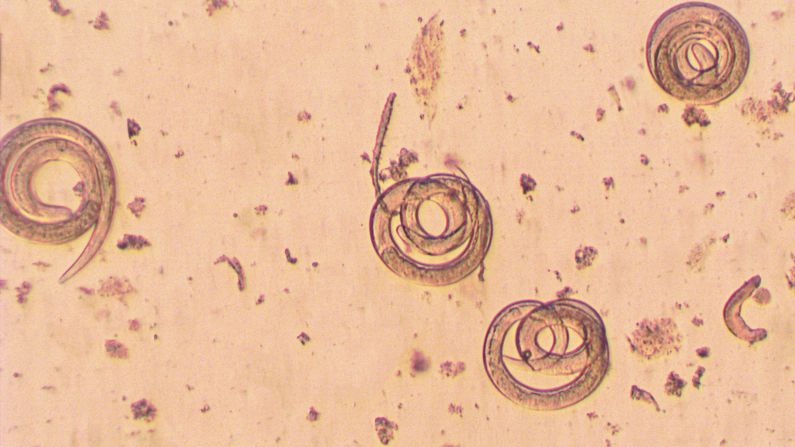
Wild salmon is naturally found in oceans, lakes, and rivers. It's renowned for being high in omega-3 fatty acids, which are polyunsaturated fatty acids linked to reduced risk of heart disease, behavioral problems, depression, and inflammatory conditions [2]. Wild salmon also offers a range of other health benefits.
While farmed fish also provides omega-3s, consuming it may come with more risks than benefits. Farmed fish are raised in aquacultures, which now account for half of the world's fish supply [1]. These farmed environments can lead to the presence of harmful additives and chemicals that consumers should avoid.
Contains Toxic Pollutants and Chemicals According to scientific research published in Environmental Health Perspectives, farmed salmon contains more contaminants than wild salmon [4]. Although these contaminants were below approved levels, they were still higher than what the Environmental Protection Agency considers safe. Toxic chemicals like POPs (persistent organic pollutants) can severely impact human health. Medical studies link them to obesity and type 2 diabetes [5], and an increased risk of stroke in women [6]. Research in the Journal of Nutrition found that farmed salmon in some areas contained 10 times the amount of POPs found in wild salmon [7].
Eating farmed fish is also associated with a higher risk of developing cancer [7]. Your cancer risk from eating farmed fish can be three times higher than from eating wild salmon. Researchers concluded that eating more than one meal of farm-raised salmon per month, depending on its country of origin, could slightly increase the risk of developing cancer later in life.
A 2003 study from the Environmental Working Group (EWG) found that seven out of ten farmed salmon purchased in major U.S. cities were contaminated with polychlorinated biphenyls (PCBs) "at levels that would be safe to eat no more than once a month." PCBs are persistent, cancer-causing chemicals banned in the United States in 1976. A CBS News study also found that farm-raised salmon contained high levels of 13 pollutants, including dioxins and PCBs [11].
Dioxins and PCBs are highly toxic. Dioxins can cause reproductive and developmental problems, damage the immune system, interfere with hormones, and cause cancer. The WHO’s International Agency for Research on Cancer has classified dioxins as a known human carcinogen [12]. While dioxin was not shown to affect genetic material, its presence as an additive in our food is concerning.
Exposed to Antibiotics and Pesticides Overcrowding in fish farms makes it easy for infections to spread rapidly among fish. To prevent massive die-offs, farmed fish are often given antibiotics. Research published in Environmental Microbiology indicates that large amounts of antibiotics are mixed with fish feed [8].
Consuming fish that have been fed antibiotics carries a risk. A study in the Journal of Antimicrobial Chemotherapy stated that antibiotics used in animal feed may cause infections in humans [9]. Wild fish, not being exposed to antibiotics, are therefore a safer choice.
Artificially Pink You'll notice a color difference between farmed and wild salmon. Wild salmon gets its vibrant red color from astaxanthin, a powerful antioxidant and anti-inflammatory compound [3], which it obtains by eating plankton. Farmed fish, however, are fed pellets containing GMO corn and animal byproducts.
If a piece of farmed fish looks unusually bright, don't be fooled. Farmed fish are often given artificial color additives to enhance their appearance.
Less Nutritious Than Wild Salmon One of the primary reasons for eating salmon is its health benefits. When comparing nutritional content, nature proves superior. A small portion of wild salmon contains approximately 130 fewer calories than farmed fish [10, 13]. It also contains half the amount of fat, three times more vitamin A, and eight times more vitamin D per 100-gram serving [10, 14]. Farmed fish also has three times higher saturated fat content.
Knowing how to tell the difference can help you make informed choices:
Color: Farmed salmon is typically light pink—almost orange—and has a flatter, less vibrant shine, lacking the rich red hues of wild salmon.
Fat Marks: Wild salmon is very lean, so the white fat stripes in the meat are very thin. If the fish is pale pink with wide fat marks, it's likely farmed.
Labeling: Avoid "Atlantic salmon," as it almost exclusively comes from fish farms.
On paper, wild salmon wins on all fronts. It boasts higher nutritional content, contains no antibiotics or artificial additives, and is sourced naturally from its environment.
Avoid farmed fish if you can. However, if farmed fish is your only option, remember that it still contains omega-3 fatty acids and other necessary nutrients. You may, however, want to limit how often you consume farmed fish per month.
Be mindful when ordering salmon at restaurants. Unless the menu explicitly states that the fish is wild, chances are it's farmed.