what Does Frequent Gas Indicate
Health 14/07/2026 20:21
Vitamin K2: The Underrated Nutrient That Protects Your Heart and Arteries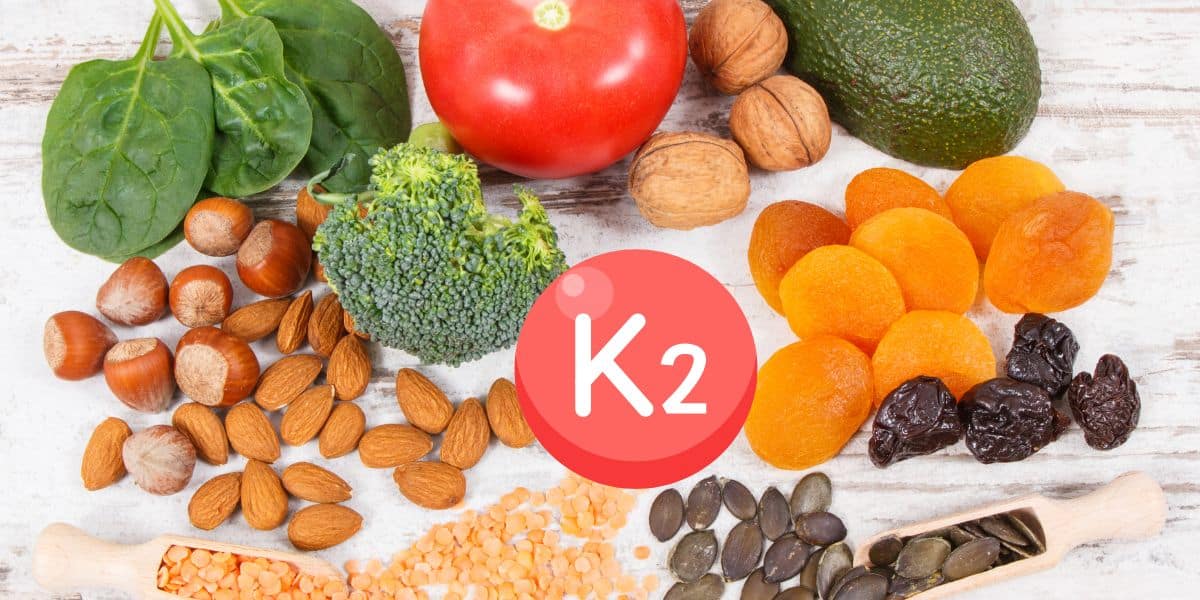
Did you know that a specific vitamin could play a major role in protecting your arteries from harmful calcium buildup? That vitamin is vitamin K2—an often-overlooked but essential nutrient for your cardiovascular and bone health. In this article, we’ll explore how vitamin K2 works, why it’s so important, and which foods are the best sources of it. Let’s dive in!
Vitamin K comes in two main forms:
Vitamin K1 (phylloquinone): Found in leafy green vegetables like spinach, kale, and broccoli. It’s best known for its role in blood clotting.
Vitamin K2 (menaquinone): Found primarily in animal products and fermented foods. This is the form we’ll focus on, as it plays a vital role in calcium metabolism and cardiovascular health.
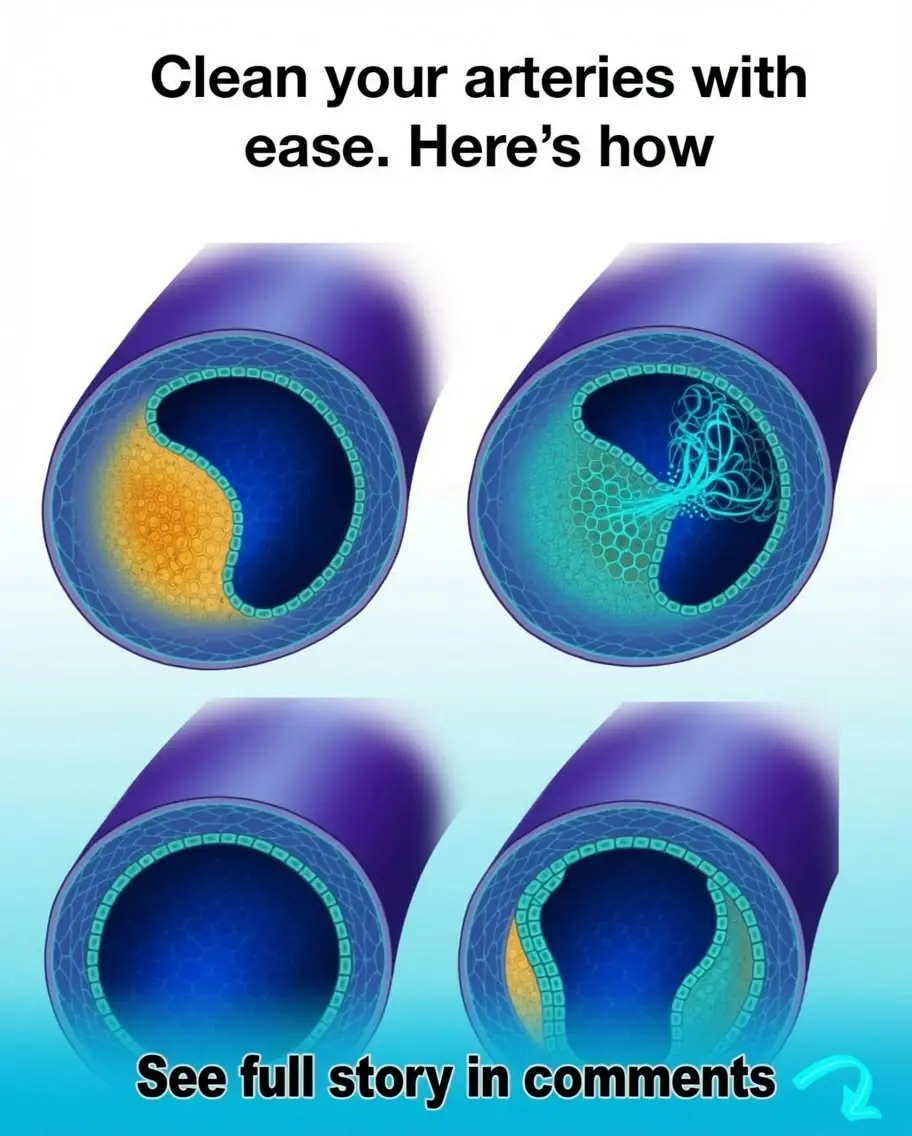
Many people are familiar with vitamin K1, but few understand the critical benefits of vitamin K2. What makes K2 so unique is its ability to regulate calcium in the body—guiding it away from soft tissues like arteries and into the bones where it belongs. This action helps prevent arterial calcification, a major risk factor for heart disease.
While supplements are available, nature offers some excellent whole-food sources of vitamin K2. Here are some of the best:
Natto: A traditional Japanese dish made from fermented soybeans. It's one of the richest sources of K2, particularly in the MK7 form.
Cheeses: Certain fermented cheeses such as Gouda, Edam, Jarlsberg, and Raclette contain high levels of K2.
Animal products: Especially organ meats like beef liver, and fatty parts such as goose leg and chicken thighs.
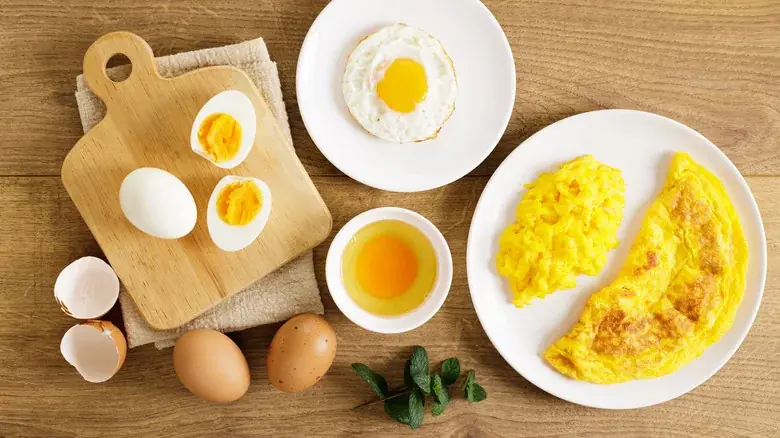
Egg yolks: Preferably from pasture-raised chickens, as they have higher K2 content.
Grass-fed butter and sauerkraut also offer a good amount.
Eating a variety of these foods can help you maintain adequate K2 levels naturally—no pills required.
You might already know that calcium is crucial for bone health, but did you know that without the right supporting nutrients, calcium can end up in the wrong places?
You can get calcium from:
Dark leafy greens
Dairy products
Fortified plant-based milks (like almond or soy milk)
But to ensure calcium is properly absorbed and used by your bones, vitamin D is essential.
The best source of vitamin D is sunlight. However, with modern indoor lifestyles, sunscreen use, and seasonal changes, many people are deficient. This is a problem because without vitamin D, your body struggles to absorb calcium effectively. Worse yet, if excess calcium stays in your bloodstream, it may deposit in your arteries or heart—leading to serious complications such as heart attacks or strokes.
This is where vitamin K2 comes back into the picture. It works synergistically with vitamin D, ensuring that calcium is deposited in the bones, not in the arteries. Think of it as the traffic controller for calcium—telling it where to go and where not to go.
If you’re not getting enough vitamin K2 from your diet, supplements are an option. There are two primary forms:
MK-4: Has a shorter half-life, meaning it’s absorbed quickly but doesn't stay in the body for long. Often requires multiple doses per day.
MK-7: Has a longer half-life and remains in your system for up to 72 hours. This form is more popular for daily supplementation.
Typical dosages for MK-7 range from 90 to 200 micrograms per day. It’s often paired with vitamin D3, as the two work best together. Be sure to choose vitamin D3 (cholecalciferol) over D2 for better absorption.
When selecting a supplement, quality matters. Look for products that clearly label the form and dosage of both vitamins.
While supplements can help, especially if your diet is lacking or you have specific health needs, whole foods remain the best way to get your nutrients. They come with other beneficial compounds like enzymes, minerals, and fiber that work together to support overall health.
Making small dietary changes—like adding a serving of natto or switching to pasture-raised eggs—can go a long way in supporting your heart and bones naturally.
Vitamin K2 helps prevent calcium from building up in arteries, reducing the risk of heart disease.
It works alongside vitamin D to direct calcium to bones and teeth, where it’s needed.
Good dietary sources of K2 include fermented foods like natto, certain cheeses, beef liver, egg yolks, and grass-fed butter.
K2 supplements come in two main forms—MK-4 and MK-7, with MK-7 being more commonly recommended for daily use.
While supplements can help, getting K2 from whole foods is ideal for long-term health.
Want to support your heart, bones, and overall wellness? Don’t overlook the power of vitamin K2—it might just be the missing link in your nutrition strategy.