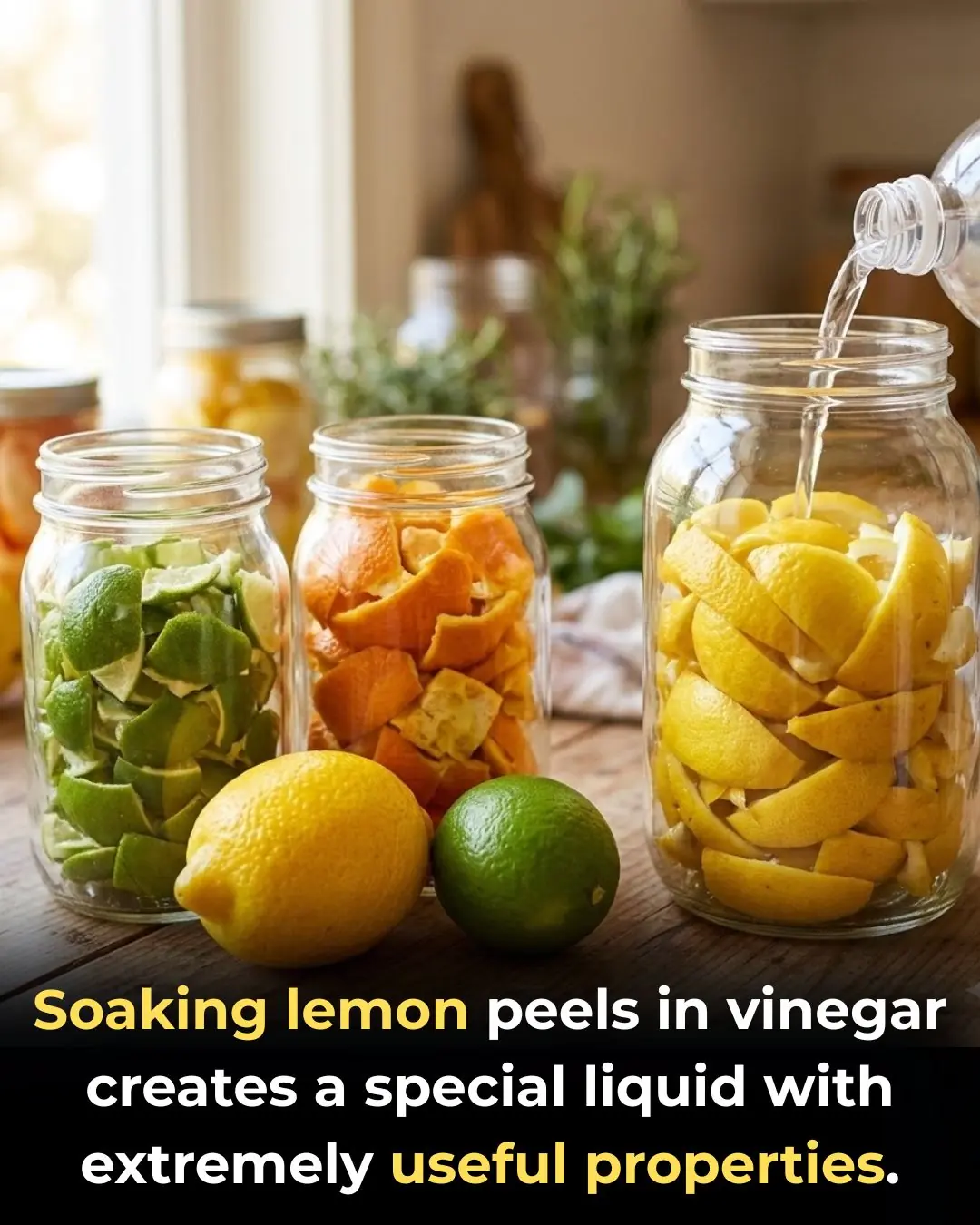
Soak Lemon Peels in Vinegar to Create a Powerful Natural Solution with Surprisingly Useful Benefits
Tips 08/03/2026 22:05
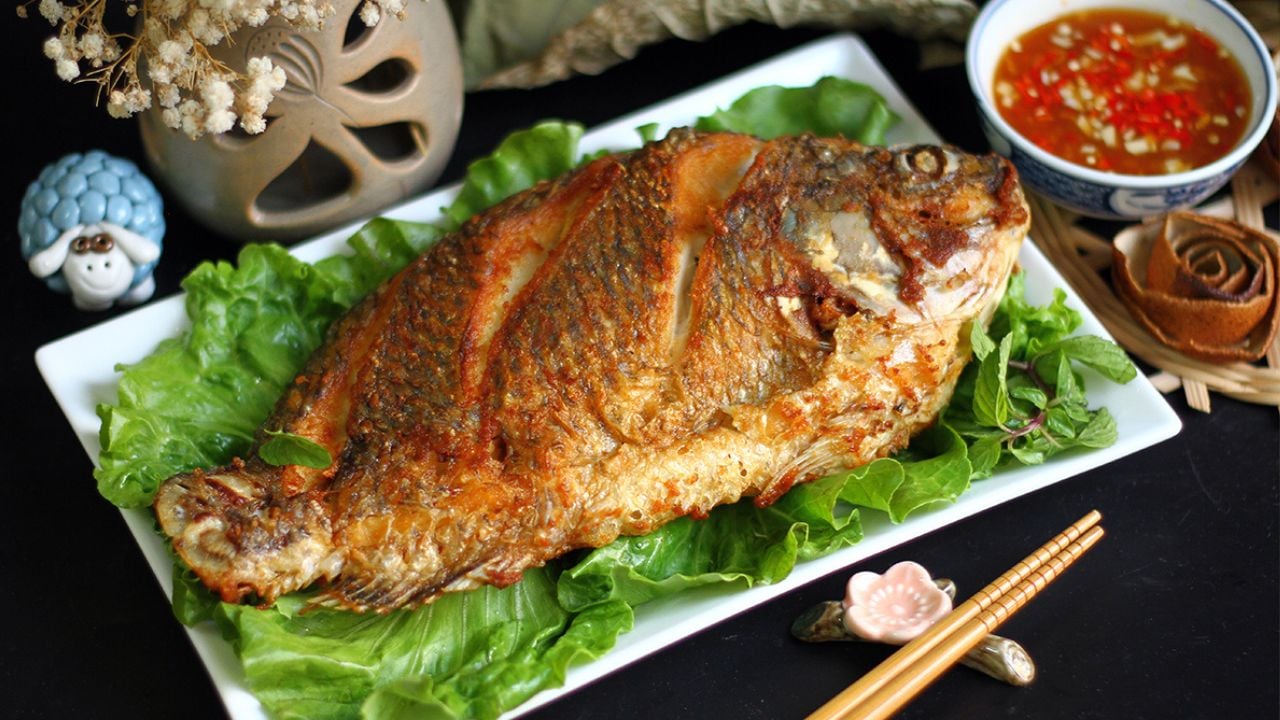
Many home cooks worry that when frying fish, it might break apart, stick to the pan, or lose its delicious golden crust. But with just a few small tricks — and one simple ingredient — you can achieve restaurant-quality fried fish that’s crispy on the outside, tender inside, and beautifully intact.
Fish is a highly nutritious food, rich in protein and omega-3 fatty acids, and is loved for its many health benefits. There are countless ways to prepare it — grilling, steaming, baking, or frying — but frying remains one of the most popular methods thanks to the crispy texture and irresistible flavor it creates.
However, not everyone knows how to fry fish the right way to make it golden and crispy without sticking to the pan or splattering oil everywhere. The following simple tips will help you get the best results every time.
A delicious fried fish dish starts with good preparation. After buying your fish, clean it thoroughly: remove the scales, gills, internal organs, and the dark membrane inside the belly — this helps reduce the “fishy” smell.
Next, rinse the fish using salt water, rice-washing water, or ginger-infused rice wine to remove any slimy residue and odors. Before placing the fish in the pan, make sure to pat it completely dry with a clean towel or paper tissue. This step is crucial — moisture causes oil to splatter and prevents the fish from browning evenly.
For even better results, you can score the fish lightly with a knife to help it cook more evenly and absorb seasoning better.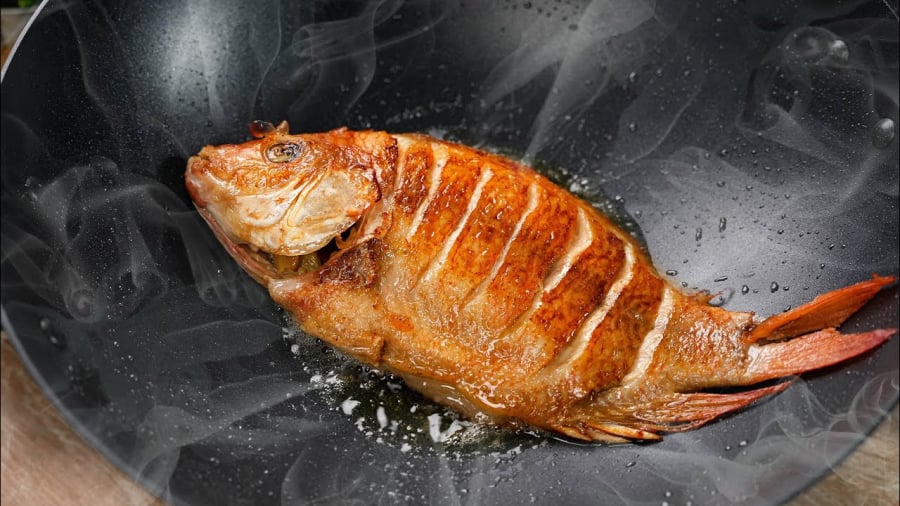
Here’s the secret trick: before adding the fish, sprinkle a small spoonful of wheat flour into the hot oil and stir gently to distribute it evenly. This thin coating of flour in the oil helps prevent sticking and minimizes oil splatter.
When you add your fish afterward, it will release easily from the pan without tearing, and you’ll get a clean, even crust on both sides.
To make your fish extra crispy, dust it lightly with flour before frying. Use just a thin layer — too much will mask the fish’s natural flavor. You can use wheat flour, corn starch, potato starch, or tempura flour for different textures.
This step creates a beautiful, golden crust that seals in the moisture, so the inside remains soft and juicy. For added aroma, mix a little turmeric powder into the flour — it gives the fish a lovely color and subtle earthy scent.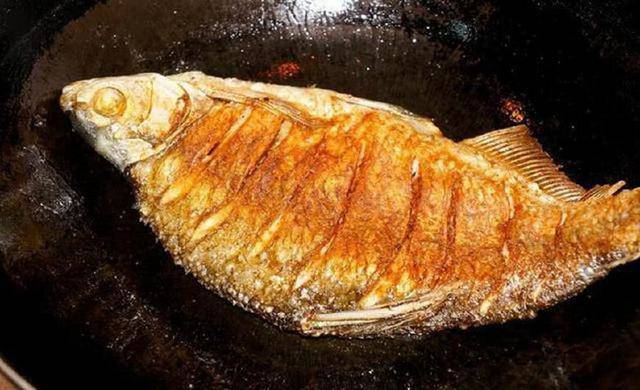
Once the oil is hot, sprinkle in a little white salt and stir it briefly before adding the fish. The salt not only helps prevent sticking but also enhances flavor and helps absorb any remaining moisture, resulting in a cleaner, crispier fry.
Another effective tip is to rub the bottom of the pan with a slice of fresh ginger before adding oil. The natural oils in ginger form a temporary non-stick layer on the pan’s surface. After rubbing, pour in your oil and heat it before adding the fish.
This method also infuses a light, appetizing aroma that helps reduce the fishy smell — an easy trick that makes a big difference in flavor.
To achieve that perfect golden crust, keep the heat at a medium level. If the heat is too high, the fish may burn on the outside while remaining raw inside.
Once you place the fish in the pan, let it cook undisturbed for a few minutes until the bottom turns golden and firm. Flipping too early can cause the skin to tear and the flesh to crumble. When the first side is crisp, gently flip the fish using a wide spatula.
As the fish nears doneness, you can increase the heat slightly to deepen the color and crispness.
When finished, transfer the fish onto a plate lined with paper towels to absorb excess oil. Serve immediately while hot — the crispy texture and golden color are best enjoyed fresh.
For the best results, use a non-stick or cast-iron pan and a neutral oil with a high smoke point such as canola, peanut, or sunflower oil. Avoid using olive oil for frying, as it can burn at high temperatures.
If you plan to fry whole fish, choose a pan large enough to fit it comfortably — overcrowding can cause uneven cooking and soggy texture.
With just a few smart techniques — drying the fish properly, adding a little flour or salt to the oil, and avoiding frequent flipping — you can say goodbye to soggy, broken fish. Instead, you’ll have beautifully fried pieces that are crisp, golden, and full of flavor.
Next time you fry fish, try adding that simple spoonful of flour to your pan — you’ll be amazed at the difference!